
If you want your deck to look sleek and seamless, hidden fasteners are the secret weapon you need. They keep your composite decking boards secure without those ugly screws or nails spoiling the view.
But how do you use these fasteners the right way to get a perfect finish? You’ll discover simple steps and expert tips that make installing hidden fasteners easy, even if you’re new to decking. Ready to give your outdoor space a clean, professional look?
Keep reading and learn how to transform your deck with hidden fasteners.
Credit: www.timbertech.com
Benefits Of Hidden Fasteners
Hidden fasteners offer many benefits for composite decking. They help create a clean, smooth surface without visible screws or nails. This method improves the deck’s look and makes it safer to walk on. Choosing hidden fasteners also helps protect the decking material, making it last longer. Below are some key advantages of using hidden fasteners on composite decks.
Enhanced Aesthetics
Hidden fasteners keep the deck surface free of visible screws and nails. This creates a sleek, modern appearance. The smooth surface shows off the natural look of composite boards. No fastener heads interrupt the design, making the deck look more polished. This neat finish is perfect for outdoor spaces that want a clean style.
Improved Safety
Visible screws or nails can stick out and cause trips or scrapes. Hidden fasteners sit below the board surface, so no metal parts stick up. This reduces the chance of injuries on the deck. The smooth deck surface is safer for bare feet and pets. Hidden fasteners also prevent boards from loosening over time, keeping the deck stable.
Durability And Longevity
Hidden fasteners protect composite decking from damage caused by exposure. Screws and nails can rust or loosen when exposed to weather. Hidden fasteners hold boards tightly without breaking the surface. This reduces water damage and helps prevent warping or splitting. A deck with hidden fasteners stays strong and beautiful for many years.
Types Of Hidden Fasteners
Hidden fasteners make composite decking look clean and smooth. They keep screws and nails out of sight. This improves the deck’s appearance and safety. Different types of hidden fasteners fit various deck designs and materials. Choosing the right type helps secure the boards firmly.
Clip-based Systems
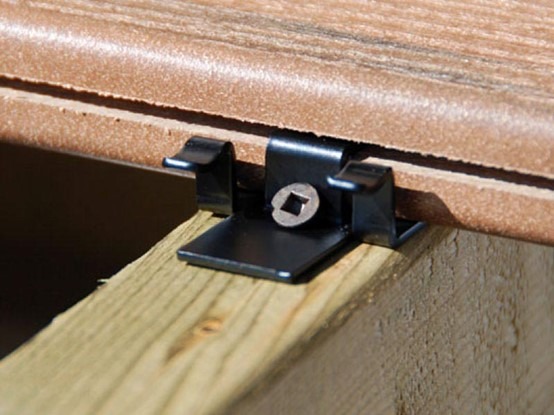
Clip-based systems use small metal or plastic clips. These clips attach the decking boards to the joists. They fit into grooves on the board edges. The clips hold the boards tightly without visible screws.
This system is easy to install and remove. It allows for natural board movement. Clips also help with deck expansion during hot weather. Many brands offer clip systems made for composite materials.
Groove-based Fasteners
Groove-based fasteners slide into the board’s edge grooves. They lock boards to the frame securely. These fasteners often use special screws or nails. The hardware stays hidden inside the groove.
This method keeps the deck surface smooth. It works well with composite decking that has side grooves. Groove fasteners help prevent board warping and lifting. They provide a tight, stable deck surface.
Screw And Bracket Combinations
This type uses brackets fixed to joists with screws. The decking boards sit on the brackets’ ledges. Screws then secure boards through the bracket, not the board face. This hides fasteners while holding boards firmly.
Brackets offer strong support for heavy decks. They fit composite boards without special grooves. This system can be a bit more complex to install. It provides a very clean deck surface once finished.
Tools And Materials Needed
Using hidden fasteners on composite decking needs the right tools and materials. This helps to install the deck cleanly and safely. You must prepare well before starting. Knowing what to gather saves time and effort.
Essential Tools
Start with a drill that fits the fasteners well. A driver bit matching the fastener heads is important. A tape measure helps keep spacing accurate. Use a rubber mallet to gently tap boards into place. A level ensures your deck stays even. A saw is needed to cut decking boards to size.
Recommended Fasteners
Choose fasteners made for composite decking. Stainless steel or coated clips prevent rust and damage. Select fasteners that fit your board type. Some brands offer special clips for hidden fastening. Using the right fasteners keeps the deck secure and neat.
Safety Gear
Protect your eyes with safety glasses from dust and debris. Wear gloves to avoid splinters and cuts. Ear protection helps with loud tools like drills and saws. Use a dust mask if cutting boards indoors or in dusty areas. Safety gear keeps you safe while working on your deck.
Preparing The Decking Surface
Preparing the decking surface is the first step to a strong, lasting composite deck. It helps ensure the hidden fasteners fit well and hold the boards firmly. A clean and even surface stops problems during installation. It also keeps the deck safe and looks great.
Cleaning And Inspection
Clear the deck area of dirt, leaves, and debris. Use a broom or blower for a clean surface. Check the boards for cracks, warping, or damage. Remove any damaged boards before starting. Clean surfaces help fasteners grip better. This step prevents future repairs and keeps the deck stable.
Measuring And Marking
Measure the deck area carefully. Mark where each board will go using a pencil or chalk. Mark spots for hidden fasteners according to the manufacturer’s instructions. Accurate marks keep boards straight and gaps even. This step avoids mistakes and saves time during installation.
Substructure Requirements
Check that the substructure is strong and level. It must support the weight of the composite boards and people. Use pressure-treated wood or metal joists that meet local building codes. Joists should be spaced evenly, usually 16 inches apart. A sturdy substructure prevents sagging and keeps the deck safe.
Step-by-step Installation
Installing composite decking with hidden fasteners creates a clean, professional look. This step-by-step guide helps you place boards properly. Follow each stage carefully to ensure a secure deck surface. The process is simple with the right tools and materials.
Positioning The First Board
Start by placing the first board along the edge of the deck frame. Make sure it is straight and square to the structure. Use a level to check the board’s alignment. This first board sets the foundation for all others.
Leave a small gap between the board and the house wall. This space allows for expansion and drainage. Secure the board temporarily with screws for easy adjustment.
Attaching Hidden Fasteners
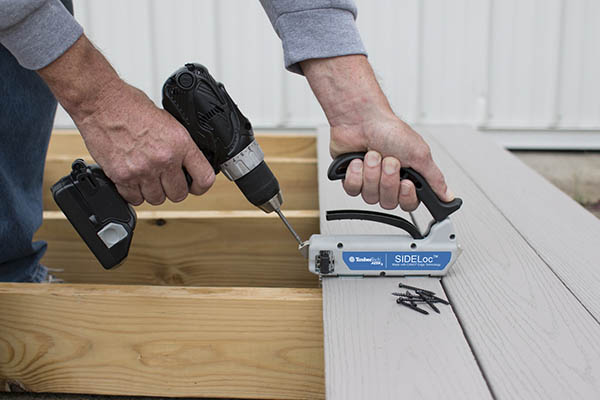
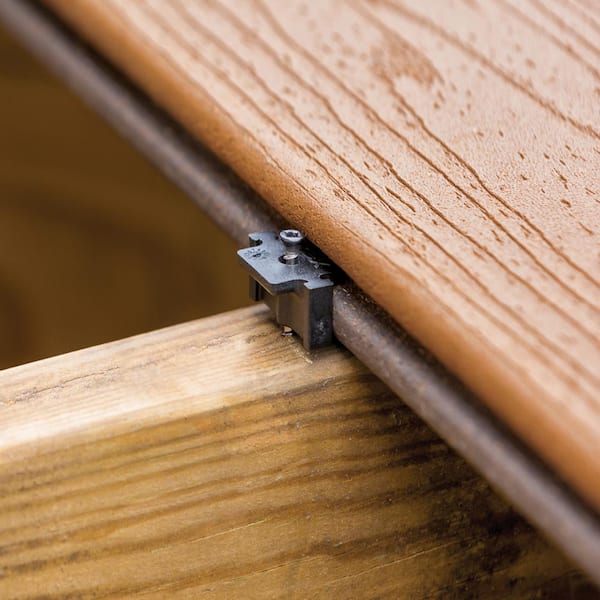
Slide the hidden fasteners into the groove of the first board. Align them with the joists underneath for strong support. Use screws to fix the fasteners to the joists. Ensure screws are tight but avoid over-driving them.
These fasteners hold the decking boards without visible screws on top. This method keeps the surface smooth and attractive.
Securing Subsequent Boards
Place the next board by fitting its groove over the fasteners. Press it firmly to lock in place. Attach fasteners to the joists as before. Continue this pattern for each new board.
Check the fit and alignment often. Adjust boards slightly to keep a consistent look across the deck.
Spacing And Alignment Tips
Maintain a small gap between boards for water drainage. Usually, 1/8 inch is sufficient. Use spacers or a gap tool for accuracy. Align boards carefully to avoid uneven surfaces.
Regularly check the deck for level and straightness. Correct any misalignment before securing boards permanently. This attention to detail improves the deck’s durability and appearance.
Credit: www.homedepot.com
Common Installation Mistakes
Installing hidden fasteners on composite decking needs care. Mistakes can cause problems later. These common errors affect deck look and strength. Avoiding them helps your deck last longer and look better.
Misaligned Boards
Boards not lined up properly create gaps or uneven surfaces. This hurts the deck’s appearance and can cause tripping. Check each board’s position before fastening. Keep boards straight and evenly spaced for a smooth finish.
Incorrect Fastener Placement
Fasteners placed too close to edges can split boards. Too far from edges, boards may loosen over time. Follow manufacturer guidelines for exact fastener spots. Correct placement keeps boards secure without damage.
Overtightening Or Undertightening
Fasteners tightened too much can damage boards or strip holes. Loose fasteners allow boards to move and create noise. Tighten fasteners just enough to hold boards firmly. This balance ensures durability and stability.
Maintenance And Care
Maintaining hidden fasteners on composite decking helps keep your deck safe and looking good. Regular care prevents problems and extends the life of your deck. A clean deck and well-kept fasteners reduce risks of damage and slipping.
Regular Cleaning Tips
Clean the deck surface regularly to remove dirt and debris. Use a soft brush or broom for light dirt. For tougher spots, use soapy water and a sponge. Avoid harsh chemicals that can damage composite material. Rinse the deck with water after cleaning. Keep the area around fasteners free of buildup.
Inspecting Fasteners
Check hidden fasteners at least twice a year. Look for loose or missing fasteners that may cause instability. Use a flashlight to see fasteners in shaded areas. Tighten any loose fasteners carefully to avoid damage. Replace fasteners that show rust or wear signs. Regular inspection keeps the deck safe and sturdy.
Addressing Wear And Damage
Replace damaged fasteners immediately to prevent further issues. Use fasteners made for composite decking to match material needs. If boards shift or squeak, check fasteners first. Fix minor problems quickly to avoid big repairs later. Proper care keeps your deck strong and secure.
Cost Considerations
Cost plays a big role in choosing hidden fasteners for composite decking. Understanding different costs helps you plan your budget well. It also shows the value of the investment over time.
Material Costs
Hidden fasteners can cost more than regular screws. They need to fit perfectly with composite boards. Prices vary by brand and quality. Some fasteners come in sets, which may save money. Choosing the right type ensures durability and a clean look.
Labor Expenses
Installing hidden fasteners takes more time than visible screws. Workers need to be careful and precise. This skill may increase labor charges. Less experienced installers might charge more or take longer. Planning for extra labor costs avoids surprises.
Long-term Savings
Hidden fasteners protect decking from damage and wear. They reduce the chance of loose boards and nails sticking out. Maintenance becomes easier and less frequent. This means fewer repairs and less money spent later. The neat finish can also raise property value.
Comparing Hidden Fasteners To Traditional Methods
Comparing hidden fasteners to traditional methods shows clear differences. These differences affect how your composite decking looks, how fast you install it, and how well it holds up over time. Understanding these can help you choose the best option for your deck project.
Visual Appeal
Hidden fasteners create a smooth, clean surface. No screws or nails are visible on the deck boards. This gives the deck a modern and neat look. Traditional fasteners leave visible heads on the surface. These can fade, rust, or collect dirt. Hidden fasteners keep the deck looking new longer. They also highlight the natural beauty of composite materials better.
Installation Time
Hidden fasteners need careful placement and special tools. This may take more time for beginners. Yet, they reduce the risk of mistakes like splitting boards. Traditional fasteners are quicker for simple projects. Screws or nails go straight through the boards. But this can cause damage or require extra work to fix. Hidden fasteners balance speed and precision well.
Performance And Stability
Hidden fasteners hold boards firmly without visible damage. They allow boards to expand and contract with weather. This reduces warping and cracking over time. Traditional fasteners may loosen or work their way out. They can cause boards to lift or separate. Hidden fasteners improve deck strength and safety. They keep the deck stable for many years.
Credit: www.oakio.com
Frequently Asked Questions
What Are Hidden Fasteners For Composite Decking?
Hidden fasteners secure decking boards without visible screws. They create a clean, smooth surface and protect boards from damage and moisture.
How Do Hidden Fasteners Work On Composite Decks?
They clip into deck boards and joists, locking boards in place. This method prevents screw heads from showing and ensures uniform spacing.
Are Hidden Fasteners Better Than Traditional Screws?
Yes, hidden fasteners improve deck appearance and reduce tripping hazards. They also help prevent board splitting and corrosion over time.
Can I Install Hidden Fasteners Myself?
Yes, with basic tools and instructions, DIY installation is possible. However, careful alignment and spacing are crucial for best results.
Conclusion
Hidden fasteners make composite decking look clean and smooth. They keep boards tight and strong without visible screws. Using them right helps your deck last longer and look better. Follow the steps carefully for best results. Choose the right fasteners for your decking type.
Take your time to install each piece properly. This small effort creates a neat, safe outdoor space. Enjoy a deck that is both sturdy and beautiful.


