Have you ever wondered how strong a fastener really is when it twists? Understanding the torsional strength of a fastener can save you from costly mistakes and ensure your projects stay secure.
Whether you’re working on machinery, construction, or simple repairs, knowing how much twisting force your fastener can handle is crucial. You’ll discover what torsional strength means, why it matters for your work, and how to choose the right fastener that won’t fail under pressure.
Keep reading to make your connections stronger and safer than ever before.
Torsional Strength Basics
Torsional strength is a key property of fasteners. It shows how much twisting force a fastener can handle. This strength matters in many applications. Fasteners must hold parts tightly without breaking or slipping. Understanding torsional strength helps choose the right fastener for the job.
This section explains the basics of torsional strength. It covers what it means and why it matters. It also describes how torsional strength affects fastener performance.
Definition And Importance
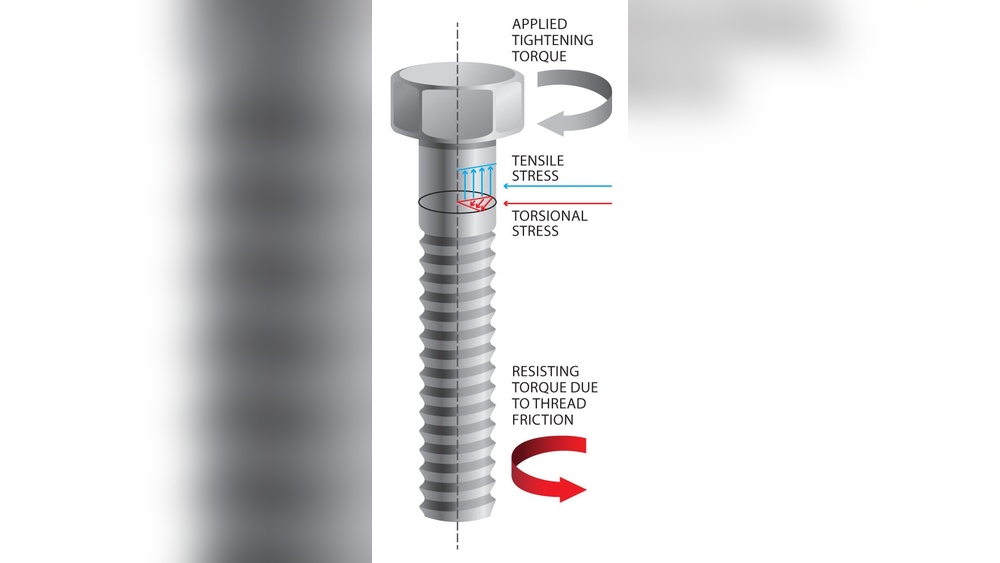
Torsional strength is the maximum twisting force a fastener can resist. It measures how much torque a bolt or screw can take before failing. This strength depends on the fastener’s material and design.
Fasteners with high torsional strength hold parts firmly. They resist loosening under vibration and stress. This keeps machines and structures safe and working well.
How It Affects Fastener Performance
Torsional strength affects how well a fastener works. Low torsional strength can cause fasteners to strip or break during installation. This leads to weak joints and possible damage.
Fasteners with proper torsional strength tighten securely. They maintain the needed clamping force over time. This prevents loosening and ensures long-lasting connections.

Credit: www.gauthmath.com
Factors Influencing Torsional Strength
Torsional strength is the ability of a fastener to resist twisting forces. Several factors affect this strength. Understanding these factors helps in choosing the right fastener for any job.
Material Composition
The material of a fastener plays a big role in its torsional strength. Strong metals like steel provide high resistance to twisting. Softer materials, like aluminum, twist more easily. Alloying elements also improve strength and durability.
Fastener Design
The shape and size of a fastener affect torsional strength. Larger fasteners usually resist twisting better. The head design impacts how well tools grip the fastener during tightening. Proper design reduces the risk of breakage.
Thread Geometry
The shape and size of the threads influence torsional strength. Deeper threads hold better and resist twisting forces. Thread pitch, or the distance between threads, also matters. Correct thread geometry ensures strong grip and less damage.
Surface Treatments
Surface treatments can increase a fastener’s torsional strength. Coatings like zinc or chrome protect against corrosion. Heat treatments harden the surface, making it tougher. These treatments help fasteners last longer under stress.
Testing Torsional Strength
Testing the torsional strength of a fastener is crucial to ensure it can handle twisting forces. This testing shows how much torque a fastener can take before it breaks or deforms. Reliable fasteners keep structures safe and strong under stress.
Engineers and manufacturers use specific methods to test torsional strength. These tests provide clear data about the fastener’s performance. The results help choose the right fastener for different applications.
Common Testing Methods
Torsional strength is usually tested with a torque wrench or a torsion testing machine. The fastener is twisted gradually until it fails. This failure point shows the maximum torque it can handle.
Another method is the twist-to-failure test. The fastener is twisted at a constant speed. The torque and angle of twist are recorded during the test.
Some tests use sensors to measure the exact torque and deformation. These sensors provide precise results and help improve fastener design.
Interpreting Test Results
Test results show the maximum torque before the fastener breaks or bends. A higher torque value means stronger torsional strength.
Look for signs of permanent deformation or fractures in the fastener. These signs indicate the limit of safe torque.
Compare results with industry standards to ensure fastener quality. Consistent testing helps maintain safety and reliability in construction and manufacturing.
Applications Of Torsional Strength Data
Torsional strength data plays a key role in the fastener industry. This data shows how much twisting force a fastener can handle before it breaks or deforms. Understanding this helps engineers and builders choose the right fastener for different tasks. It also helps keep structures safe and strong under stress.
Selecting The Right Fastener
Torsional strength data helps pick the best fastener for each job. Some projects need fasteners that can resist high twisting forces. Others require less strength but more flexibility. Using this data ensures the fastener fits the task. It prevents using weak fasteners that might fail under pressure.
Ensuring Safety And Reliability
Fasteners must hold parts together securely. Torsional strength data helps avoid accidents caused by fastener failure. Knowing the limits of a fastener keeps machines and structures safe. It also extends the life of equipment by preventing damage from twisting forces. This data is crucial in fields like construction, automotive, and machinery.
Improving Torsional Strength
Improving the torsional strength of a fastener is key to its durability and performance. Torsional strength means how well a fastener can resist twisting forces without breaking or deforming. Enhancing this strength helps fasteners last longer under stress and maintain tight connections.
Several methods exist to boost torsional strength. These include using better materials, changing the design, and applying advanced manufacturing techniques. Each method plays a role in making fasteners stronger and more reliable.
Material Upgrades
Choosing stronger materials improves torsional strength directly. High-grade steel or alloy metals resist twisting better than standard metals. Heat treatment also hardens materials, increasing resistance to torsion. Using corrosion-resistant materials helps maintain strength over time.
Design Enhancements
Changing the shape of a fastener can spread stress more evenly. Adding ribs or grooves increases grip and reduces twisting risk. Optimizing thread design improves torque distribution. Designs that avoid sharp corners reduce weak points.
Manufacturing Techniques
Precise machining creates uniform threads and smooth surfaces. Cold forging strengthens metal by realigning its grain structure. Controlled heat treatment ensures consistent hardness. Quality control measures catch defects early, preventing weak fasteners from being used.

Credit: www.researchgate.net

Credit: www.high-strength-steel.com
Frequently Asked Questions
What Does Torsional Strength Of A Fastener Mean?
Torsional strength is the maximum torque a fastener can withstand before twisting or failing. It measures resistance to twisting forces.
How Is Torsional Strength Of Fasteners Tested?
Testing involves applying torque until the fastener twists or breaks. This determines the torque limit it can safely handle.
Why Is Torsional Strength Important For Fasteners?
Torsional strength ensures fasteners hold components securely under twisting loads. It prevents loosening or breakage during use.
What Factors Affect A Fastener’s Torsional Strength?
Material type, diameter, thread design, and heat treatment influence torsional strength. Stronger materials and proper design improve resistance.
Conclusion
Torsional strength shows how well a fastener resists twisting. It helps choose the right fastener for a job. Strong torsional fasteners keep parts secure and safe. Knowing this strength avoids failures and costly repairs. Always check torsional ratings before use.
This simple step ensures your projects last long. Understanding torsional strength makes fastener selection easier and smarter. Keep your work steady and reliable with the right fastener.