Have you ever wondered what keeps the things around you firmly in place? From the chair you sit on to the car you drive, tiny but powerful pieces called fasteners play a crucial role.
The fastener industry is behind these essential components, making sure everything stays connected and secure. If you’ve ever been curious about what this industry is all about and why it matters to you, this article will give you clear answers.
Keep reading to discover how fasteners impact your daily life and why understanding this industry can be surprisingly important.
Fastener Industry Basics
The fastener industry plays a key role in many fields. It provides essential parts that hold things together. These parts, called fasteners, come in many forms and sizes. They keep structures strong and safe.
Fasteners are found everywhere. From small electronics to large buildings, they connect parts securely. Understanding the basics helps appreciate their importance in daily life.
Types Of Fasteners
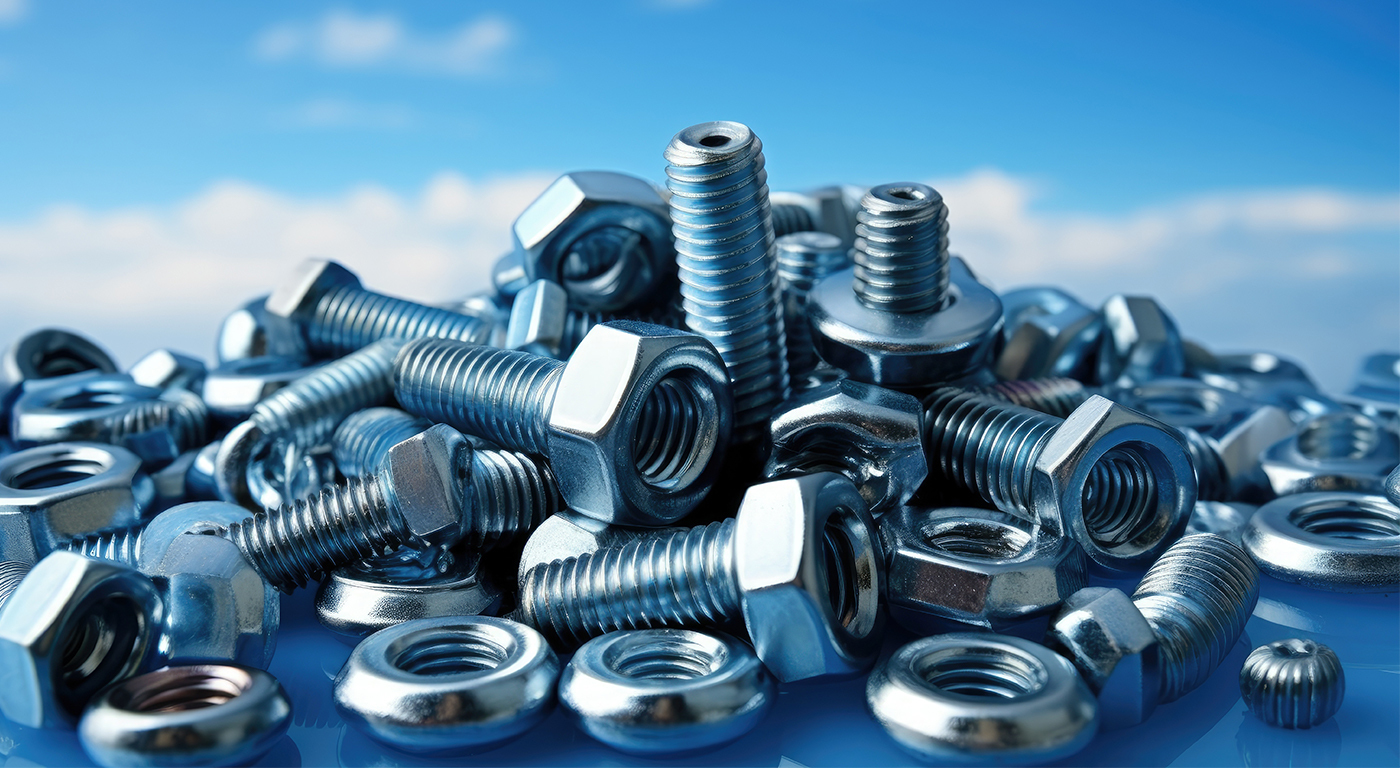
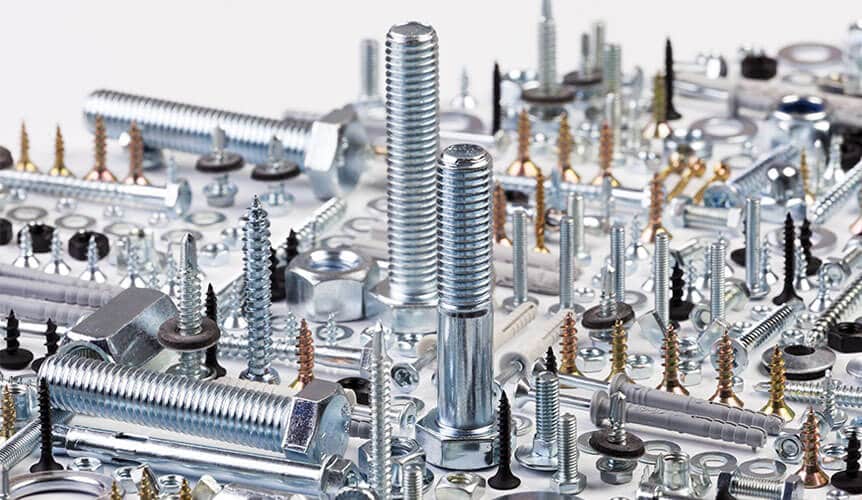
Fasteners include screws, bolts, nuts, and washers. Each type has a special job in joining materials. Nails and rivets are also common fasteners. They fit different needs and shapes. Choosing the right fastener is vital for a strong hold.
Materials Used
Fasteners are made from metals like steel, brass, and aluminum. Some use stainless steel for rust resistance. Plastic fasteners suit light or non-metal items. Material choice affects strength and durability. It matches the fastener to its environment.
Common Applications
Fasteners are used in construction, automotive, and electronics. They hold car parts and machines together. Buildings rely on fasteners for stability. Even furniture uses them for assembly. These tiny parts keep many products working well.
Key Market Players
The fastener industry plays a vital role in manufacturing and construction. It includes companies that produce screws, bolts, nuts, and other small parts. These components hold machines, vehicles, and buildings together. The market is competitive, with many players shaping its growth. Understanding key market players helps grasp the industry’s current state and future trends.
Leading Manufacturers
Leading manufacturers dominate the fastener market. They have large production facilities and wide product ranges. Companies like Stanley Black & Decker and Illinois Tool Works are well-known names. These firms invest heavily in technology and quality control. They serve industries such as automotive, aerospace, and electronics. Their global reach ensures steady supply and innovation. Customers trust these brands for reliable and durable fasteners.
Emerging Companies
Emerging companies bring fresh ideas and new technologies. They often focus on niche markets or specialized fasteners. These firms adapt quickly to changing customer needs. Many use eco-friendly materials and sustainable methods. Startups in Asia and Europe show strong growth potential. They challenge established firms by offering competitive prices. Emerging players push the industry toward innovation and diversity.
Manufacturing Processes
The fastener industry relies on precise manufacturing processes to create strong and reliable products. These processes shape raw materials into screws, bolts, nuts, and other fasteners. Each step ensures the fasteners meet strict quality and durability standards. Understanding these methods helps reveal how fasteners maintain their strength and performance.
Cold Heading
Cold heading forms fasteners by shaping metal at room temperature. It uses high pressure to press the metal into the desired shape. This process is fast and efficient. It reduces waste and strengthens the metal by compressing its fibers. Cold heading is common for making bolts and screws with consistent shapes.
Thread Rolling
Thread rolling creates the threads on screws and bolts without cutting the metal. It presses the metal between two dies to form the thread shape. This method improves the fastener’s strength by compressing the material. Thread rolling also produces smooth and accurate threads that fit tightly.
Heat Treatment
Heat treatment changes the fastener’s metal properties by heating and cooling it. This process increases hardness and durability. It helps fasteners resist wear, corrosion, and breaking under stress. Heat treatment is key for fasteners used in tough environments and heavy loads.
Credit: www.superscrews.com
Industry Trends
The fastener industry is evolving rapidly. New trends shape how companies make and sell products. These trends affect businesses worldwide and change market demands. Understanding these shifts helps companies stay competitive and meet customer needs.
Sustainability Efforts
Many fastener manufacturers focus on sustainability. They use recycled materials to reduce waste. Companies also improve production processes to lower energy use. Eco-friendly products attract buyers who care about the environment. This shift helps the industry reduce its carbon footprint.
Technological Innovations
Technology drives growth in the fastener industry. Automation speeds up manufacturing and improves quality. Smart machines detect defects early, cutting down errors. New materials make fasteners stronger and lighter. These innovations improve product performance and reduce costs.
Global Demand Shifts
Demand for fasteners changes across regions. Emerging markets show growing needs for industrial fasteners. Developed countries focus on high-tech and specialized products. Trade patterns shift as supply chains become more global. Companies adjust strategies to meet these global changes.
Challenges And Opportunities
The fastener industry faces many challenges but also holds strong opportunities. Companies must tackle supply chain problems and ensure product quality. At the same time, new markets offer space for growth and expansion.
Supply Chain Issues
The fastener industry depends heavily on raw materials like steel and aluminum. Supply disruptions can cause delays and increase costs. Many companies struggle to get consistent deliveries. Transportation and logistics problems add to the challenge. Finding reliable suppliers is key to avoid production halts. Businesses need flexible plans to handle sudden shortages.
Quality Control
Fasteners must meet strict standards for strength and durability. Poor quality can lead to failures and safety risks. Manufacturers invest in testing and inspection systems. Maintaining consistent quality across batches is difficult. Training workers and using modern equipment helps improve results. Quality control builds trust with customers and reduces returns.
Market Expansion
New markets bring chances to increase sales and profits. Growing industries like construction and automotive need more fasteners. Companies explore overseas regions with rising demand. Adapting products to local needs can boost success. Building strong partnerships helps enter unfamiliar markets. Expansion requires careful research and clear strategies.
Credit: www.poojaforgeltd.com
Future Outlook
The future outlook of the fastener industry shows strong potential for growth and innovation. This industry plays a key role in many sectors like construction, automotive, and electronics. Demand for fasteners will continue to rise due to infrastructure development and technological advances.
Changes in manufacturing and materials will shape the industry’s path. Fastener makers are adopting new methods to improve quality and efficiency. The industry is also focusing on sustainability and reducing waste.
Growth Projections
The fastener industry is expected to grow steadily in the coming years. Increasing construction projects in Asia and other regions drive this growth. Automotive production also boosts demand for fasteners.
New applications in electronics and renewable energy expand market opportunities. Manufacturers invest in expanding production capacity to meet future needs. Growth will be supported by rising urbanization and industrialization worldwide.
Emerging Technologies
Smart manufacturing and automation are changing fastener production. Robotics help improve precision and reduce human error. 3D printing allows creating complex fasteners quickly and cheaply.
Advanced materials like composites and alloys enhance fastener strength and durability. Coating technologies improve resistance to corrosion and wear. These innovations help fasteners perform better in harsh environments.
Credit: www.industrialfastenersandsupply.com
Frequently Asked Questions
What Products Are Included In The Fastener Industry?
The fastener industry includes bolts, nuts, screws, washers, rivets, and clips. These components join materials securely in various applications.
How Does The Fastener Industry Impact Manufacturing?
Fasteners ensure the stability and safety of products. They are essential in automotive, construction, electronics, and aerospace manufacturing processes.
What Materials Are Used For Fasteners?
Common materials include steel, stainless steel, aluminum, brass, and plastic. Material choice depends on strength, corrosion resistance, and application needs.
What Are The Latest Trends In The Fastener Industry?
Trends include smart fasteners with sensors, eco-friendly materials, and automated production methods to improve efficiency and quality.
Conclusion
The fastener industry plays a key role in many sectors. It provides essential parts that hold things together. From construction to electronics, fasteners ensure safety and strength. This industry keeps growing with new materials and designs. Understanding fasteners helps appreciate everyday products better.
Small pieces with big impact. They make machines work and buildings stand firm. The fastener industry quietly supports our daily lives. It stays important in a changing world.