Have you ever wondered how heavy objects stay firmly attached to walls or floors without falling? The secret lies in something called an anchor fastener.
If you’re tackling a home project or just curious about construction, understanding what an anchor fastener is can save you time, money, and frustration. This simple tool plays a big role in keeping your shelves, fixtures, and even structural elements secure.
Keep reading to discover how anchor fasteners work and why they might be the missing piece in your next project.
Anchor Fastener Basics
Understanding the basics of anchor fasteners helps in choosing the right one. These fasteners play a key role in securing objects to walls or floors. They provide strong support and prevent damage to the surfaces.
What Is An Anchor Fastener
An anchor fastener is a device used to attach objects firmly to a base material. It holds items in place by expanding or gripping inside the hole. This prevents the object from moving or falling.
How Anchor Fasteners Work
Anchor fasteners work by creating tension or friction inside a drilled hole. When installed, they expand or press against the hole walls. This expansion holds the fastener tightly and secures the attached object.
Common Materials Used
Anchor fasteners are made from metal, plastic, or nylon. Metal anchors offer strong support for heavy loads. Plastic and nylon anchors are lightweight and resist rust, ideal for lighter items.
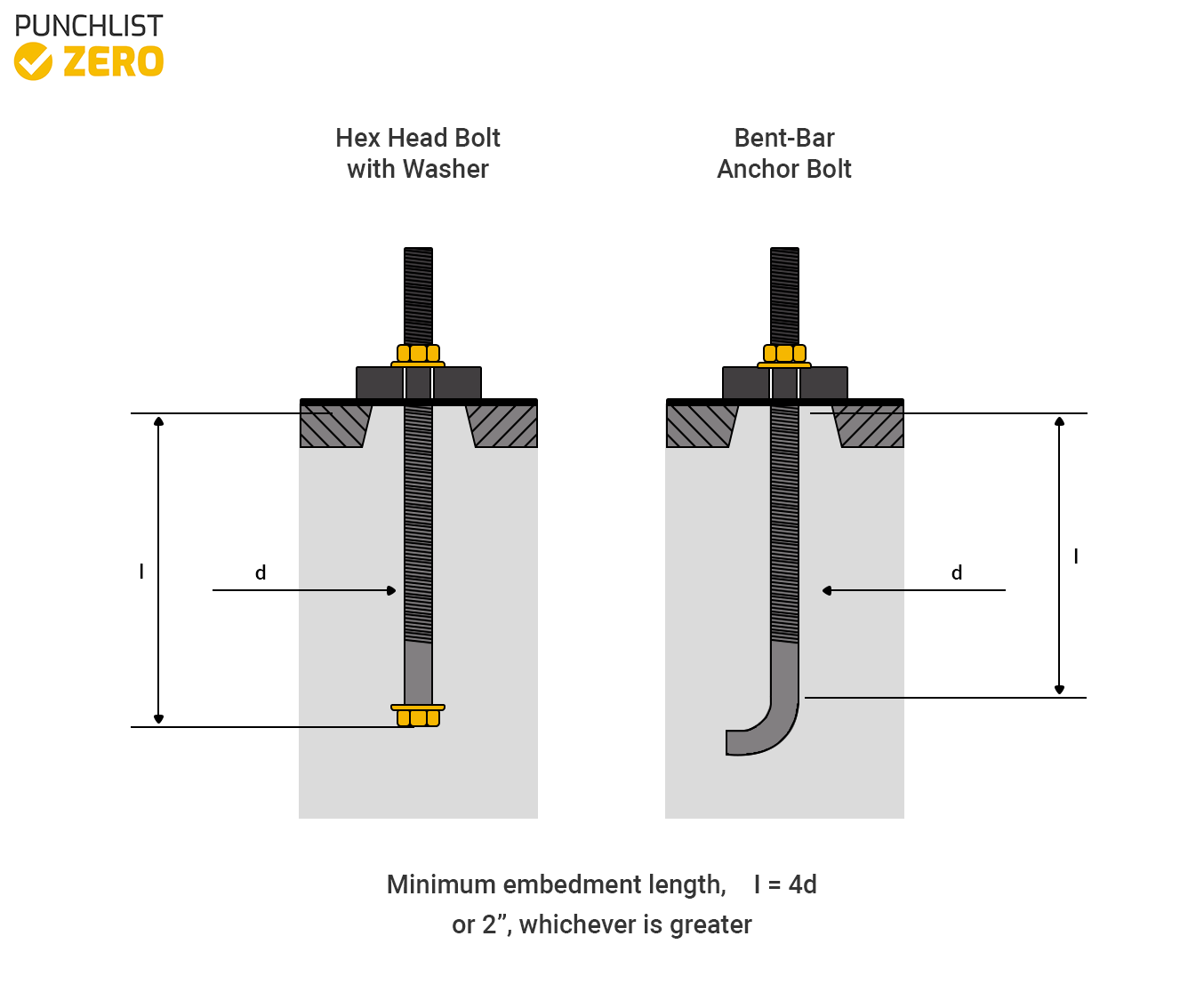
Credit: punchlistzero.com
Types Of Anchor Fasteners
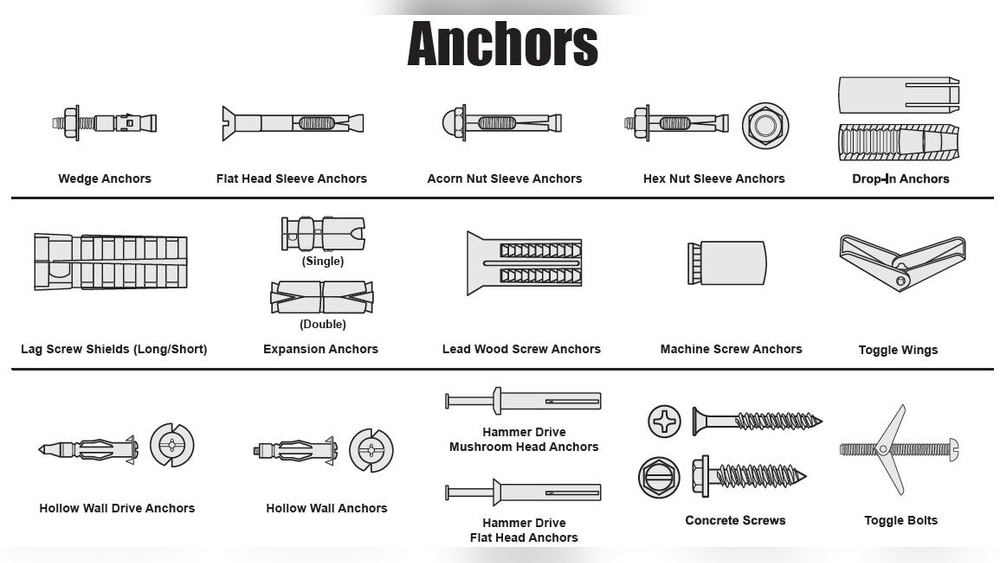
Anchor fasteners come in many types, each designed for specific tasks and materials. Choosing the right type helps ensure strong and safe connections. Understanding the main types makes it easier to select the best anchor fastener for your project.
Expansion Anchors
Expansion anchors work by expanding inside a drilled hole. They create a tight grip against the walls of the hole. These anchors are ideal for concrete and brick surfaces. They hold heavy loads securely without slipping.
Sleeve Anchors
Sleeve anchors have a metal sleeve that expands when tightened. This expansion locks the anchor in place. They work well in concrete, brick, and block materials. Sleeve anchors are popular for medium to heavy-duty applications.
Drop-in Anchors
Drop-in anchors fit into pre-drilled holes in concrete. Once inside, a setting tool expands the anchor. This creates a strong hold for bolts or screws. They are commonly used for overhead fixtures or heavy equipment.
Toggle Bolts
Toggle bolts have wings that open inside hollow walls. The wings spread the load over a large area. These anchors work best in drywall or hollow materials. They provide strong support for light to medium loads.
Masonry Anchors
Masonry anchors are designed for brick, stone, or block walls. They come in various styles, such as nails and screws with special threads. These anchors grip tightly without damaging the masonry. They hold fixtures securely on uneven surfaces.
Chemical Anchors
Chemical anchors use resin or epoxy to bond in holes. The fastener is inserted into the resin-filled hole. The resin hardens, creating a very strong bond. These anchors are perfect for heavy loads and cracked concrete.
Choosing The Right Anchor
Choosing the right anchor fastener is important for a safe and strong hold. Different projects need different types of anchors. Picking the correct one helps avoid damage and keeps your items secure. Understanding key factors makes the choice easier and more effective.
Factors To Consider
First, think about where you will use the anchor. The environment affects the anchor’s performance. Some anchors work best indoors, others outdoors. Also, consider the size of the hole you can make. Some anchors need bigger holes than others. Cost and ease of installation matter too. Simple anchors save time and effort.
Weight And Load Capacity
Check the weight of the object you want to hang. The anchor must hold more than this weight. Load capacity shows how much weight the anchor can support safely. Overloading an anchor can cause it to fail. Always choose an anchor with a higher load rating than needed.
Surface Material Compatibility
Anchors work differently on wood, concrete, drywall, or brick. Some anchors are made for soft surfaces like drywall. Others are strong for hard surfaces like concrete. Using the wrong anchor can cause slipping or breaking. Know your surface type before buying an anchor fastener.
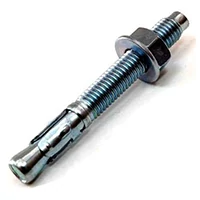
Credit: itafasteners.com
Installation Techniques
Installing anchor fasteners correctly ensures strong and safe fixtures. Proper techniques help the fastener hold well in different materials. The right steps prevent damage and keep the structure secure. Follow clear instructions for a successful installation every time.
Tools Required
Gather essential tools before starting the installation. A drill with the right bit size is necessary. Use a hammer for driving anchors into place. A screwdriver or wrench helps tighten the fastener. A measuring tape ensures accurate placement. Safety gear like gloves and goggles protects you.
Step-by-step Installation
Mark the spot where the anchor will go. Drill a hole matching the anchor size. Clean the hole from dust and debris. Insert the anchor firmly into the hole. Use a hammer to tap it gently if needed. Tighten the fastener using a wrench or screwdriver. Check if the anchor is secure and stable.
Common Mistakes To Avoid
Drilling a hole too big or too small weakens the hold. Skipping hole cleaning reduces anchor grip. Over-tightening can break or damage the fastener. Ignoring material type may cause poor anchoring. Using wrong tools slows the process and causes errors. Not wearing safety gear risks injury.
Applications Of Anchor Fasteners
Anchor fasteners serve many purposes across different settings. These small tools hold objects firmly to walls, floors, and ceilings. Their strength and reliability make them popular in various jobs.
Their applications range from simple household tasks to complex industrial projects. Understanding these uses helps choose the right fastener for each need.
Residential Uses
Anchor fasteners secure shelves, cabinets, and pictures at home. They hold curtain rods and light fixtures safely in place. These fasteners also support heavy mirrors and televisions on walls. Homeowners rely on them for quick and strong attachments.
Commercial And Industrial Uses
In offices and factories, anchor fasteners hold machinery and equipment firmly. They secure electrical panels and piping systems to walls. These fasteners help build sturdy frameworks for workspaces. Their durability supports heavy loads and constant use.
Outdoor And Heavy-duty Applications
Anchor fasteners work well in outdoor settings like decks and fences. They hold signs, lighting, and security cameras in place. Used in construction, they anchor steel beams and concrete forms. Their resistance to weather and stress suits tough environments.
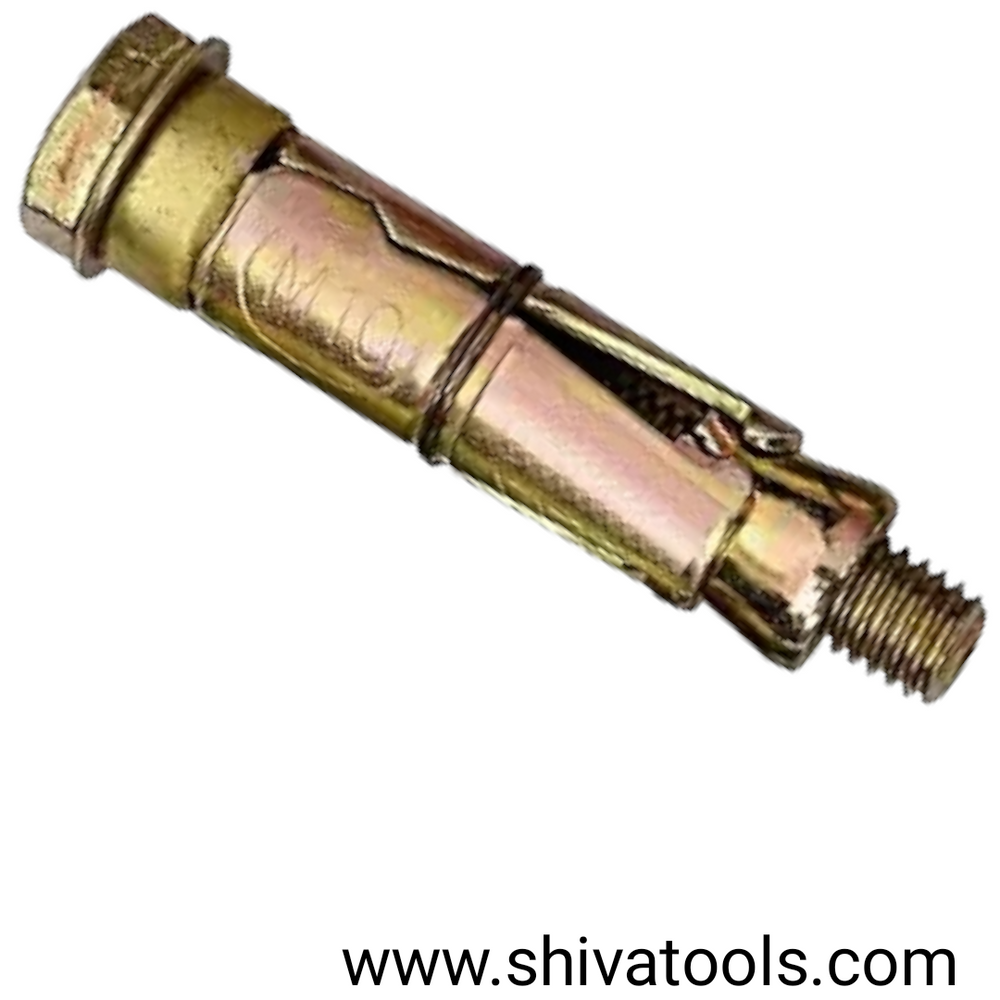
Credit: shivatools.com
Maintenance And Safety Tips
Anchor fasteners hold structures firmly in place. Proper care keeps them strong and safe. Regular maintenance prevents failures and accidents. Safety is key during installation and use.
Regular Inspection
Check anchor fasteners often for signs of damage. Look for cracks, rust, or looseness. Early detection stops bigger problems later. Use a flashlight to see hard spots. Tighten any loose parts carefully.
Replacing Worn Anchors
Old or damaged anchors cannot support loads safely. Replace them as soon as damage appears. Use the correct size and type for your project. Follow manufacturer guidelines for best results. Dispose of old anchors properly.
Safety Precautions During Installation
Wear protective gear like gloves and safety glasses. Use the right tools for each fastener type. Avoid over-tightening to prevent damage. Work in well-lit, clean areas. Keep others clear of the workspace.
Frequently Asked Questions
What Is An Anchor Fastener Used For?
An anchor fastener secures objects to concrete, brick, or masonry surfaces. It provides strong, reliable hold for heavy loads. Commonly used in construction, it prevents movement or detachment of fixtures.
How Do Different Types Of Anchor Fasteners Work?
Anchor fasteners work by expanding, gripping, or bonding within a hole in the base material. Types include expansion anchors, sleeve anchors, and chemical anchors. Each type offers unique holding mechanisms for varied applications.
What Materials Are Anchor Fasteners Made From?
Anchor fasteners are commonly made from steel, stainless steel, zinc, or nylon. Steel offers strength, stainless steel resists corrosion, and nylon suits lightweight or non-metal applications. Material choice depends on environment and load requirements.
Can Anchor Fasteners Be Used Outdoors?
Yes, anchor fasteners designed for outdoor use resist weather and corrosion. Stainless steel or galvanized anchors are ideal for exterior applications. Proper selection ensures durability and safety in outdoor environments.
Conclusion
Anchor fasteners hold objects firmly to walls or surfaces. They provide strong support and prevent items from falling. These fasteners come in different types for various materials. Choosing the right anchor fastener ensures safety and durability. Knowing how to use them helps finish projects correctly.
They are common in homes, offices, and construction sites. Understanding anchor fasteners makes installation easier and more secure. Small parts, big help.