Are you tired of struggling with loose screws and unreliable fasteners in your projects? Hillman fasteners might be the simple solution you’ve been looking for.
Whether you’re fixing furniture, assembling cabinets, or working on DIY repairs, knowing how to use Hillman fasteners correctly can save you time and frustration. In this guide, you’ll discover easy, step-by-step tips that make your work stronger and more secure.
Ready to master the trick that professionals trust? Let’s dive in and make your next project a success.
Types Of Hillman Fasteners
Hillman fasteners come in various types to suit different projects. Knowing the types helps you pick the right fastener quickly. Each type fits specific materials and tasks.
Understanding these types makes your work easier and more efficient.
Common Variations
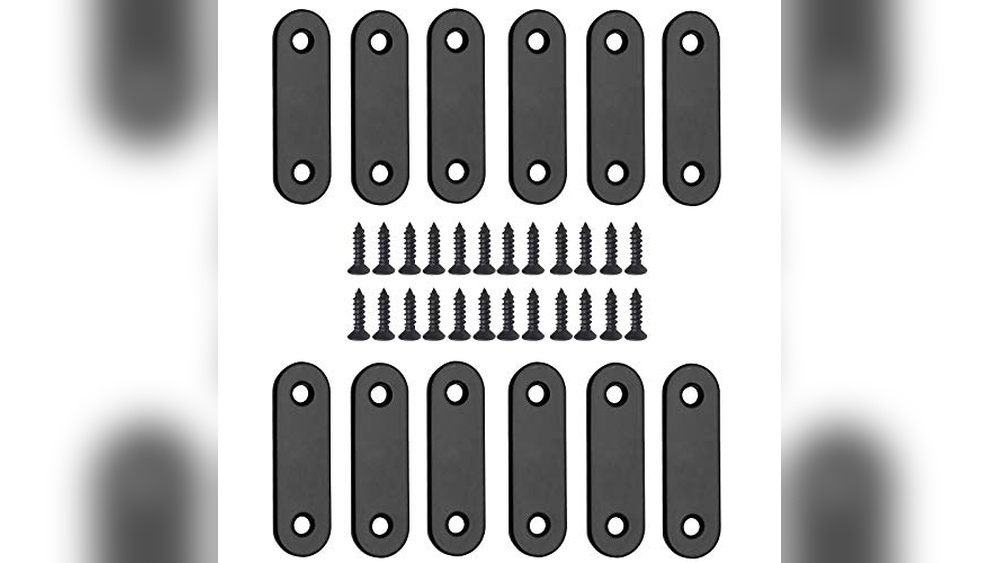
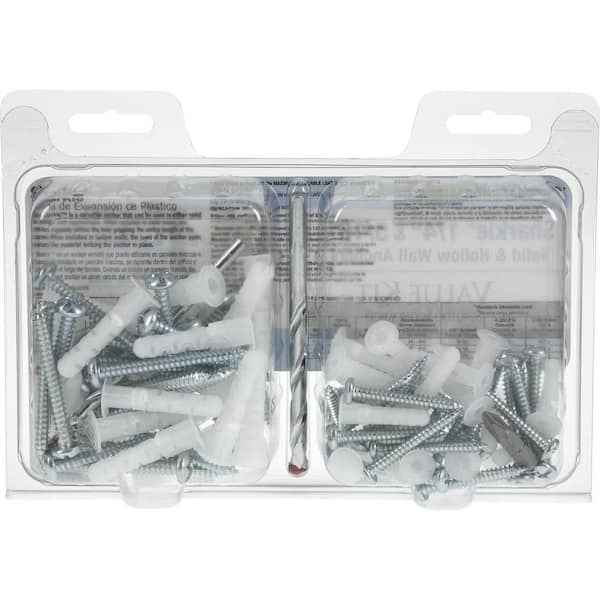
Hillman fasteners include screws, bolts, nuts, and washers. Each type has unique uses. Screws hold wood and metal tightly. Bolts work well with nuts for strong joints. Washers spread pressure and protect surfaces. Nuts secure bolts in place firmly.
Material Choices
Fasteners come in steel, stainless steel, brass, and zinc. Steel is strong and affordable for most jobs. Stainless steel resists rust, ideal for outdoors. Brass offers good corrosion resistance and a nice look. Zinc coatings add rust protection to steel fasteners.
Size Options
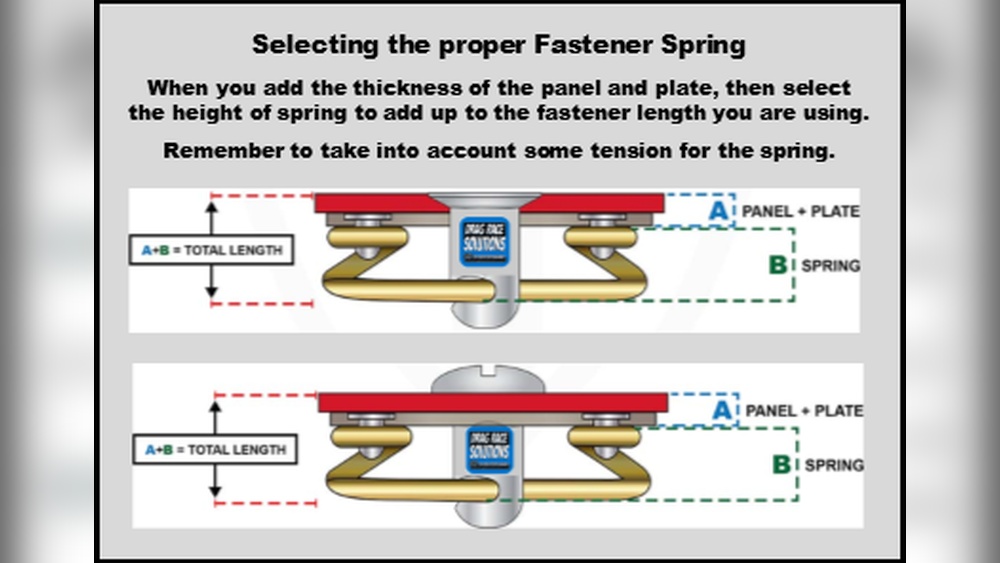
Sizes vary by length, diameter, and thread count. Short screws fit thin materials. Longer screws hold thick pieces together. Thicker diameters provide more strength. Thread count affects how well fasteners grip. Picking the right size ensures a secure fit.
Tools Needed
Using Hillman fasteners correctly requires the right tools. Having these tools ready makes your work easier and faster. It also helps to get a neat and strong hold.
Basic Hand Tools
Start with common hand tools like screwdrivers and pliers. A hammer is often useful for some fastener types. Tape measures help to mark spots accurately. A wrench set comes in handy for tightening bolts.
Power Tools Compatibility
Many Hillman fasteners work well with power drills. Use drill bits that match the fastener size. An electric screwdriver speeds up the process. Check the tool’s speed and torque for best results.
Safety Gear
Wear safety glasses to protect your eyes from debris. Gloves prevent cuts and improve grip. Ear protection is important when using loud power tools. Always keep your work area clean and safe.
Preparing For Assembly
Preparing for assembly is a key step before using Hillman fasteners. Careful preparation ensures a strong and lasting hold. It saves time and prevents mistakes during installation.
Start by understanding the materials and environment where the fastener will be used. This helps in choosing the right fastener and preparing surfaces well. Attention to detail here leads to better results in your project.
Selecting The Right Fastener
Choose a fastener that matches your materials. Different fasteners work better with wood, metal, or plastic. Check the size, length, and type carefully. The correct fastener avoids damage and holds parts tightly.
Consider the weight and stress on the fastener. Use rust-resistant materials for outdoor projects. This choice improves durability and safety of your assembly.
Surface Preparation
Clean the surfaces before fastening. Remove dust, grease, or old paint. A clean surface helps the fastener grip better. Sand rough areas to create a smooth base. This step prevents loosening over time.
Ensure surfaces are dry. Moisture can weaken the hold. Proper cleaning and drying make the assembly stronger.
Marking And Measuring
Measure twice to avoid mistakes. Use a ruler or tape for accuracy. Mark the exact points where fasteners will go. Clear marks guide you during installation.
Check alignment of all parts before drilling or screwing. Correct marking keeps your project neat and balanced. This saves effort and material waste.
Step-by-step Installation
Installing Hillman fasteners is simple with clear steps. Follow this guide to ensure a secure hold. Each step is easy to perform and helps avoid mistakes.
Aligning Components
First, place the parts you want to join together. Make sure holes in both parts line up perfectly. Proper alignment ensures the fastener fits well and holds tightly.
Inserting The Fastener
Pick the correct Hillman fastener for your project. Insert it carefully through the aligned holes. Push it straight to avoid bending or damaging the fastener.
Securing The Fastener
Use the right tool to secure the fastener firmly. Tighten it until the parts are held tightly but do not over-tighten. Check the connection to confirm it is stable and strong.
Troubleshooting Tips
Troubleshooting Hillman fasteners helps you fix issues quickly. It saves time and avoids damage to your project. Understanding common problems guides you to the right solution. Follow these simple tips for smooth use and long-lasting results.
Common Issues
Fasteners may become loose or misaligned over time. Rust can also cause problems, especially in damp areas. Using the wrong size fastener leads to poor fit and weak hold. Dirt or debris inside the fastener hole can stop it from fitting properly.
Fixing Loose Fasteners
Check the fastener size before tightening. A loose fastener often needs a bigger size or a washer. Tighten with steady pressure to avoid stripping the threads. Replace damaged or worn fasteners quickly to keep parts secure.
Avoiding Damage
Use tools that match the fastener type and size exactly. Over-tightening can strip threads or break the fastener. Clean holes before inserting fasteners to prevent jamming. Store fasteners in dry places to avoid rust and corrosion.

Credit: www.amazon.com
Maintenance And Care
Proper maintenance and care extend the life of Hillman fasteners. These small parts work best when kept clean and checked often. Simple steps help prevent rust and damage.
Following easy care tips keeps fasteners strong and reliable. This saves time and money on repairs later.
Regular Inspection
Check fasteners regularly for signs of wear or rust. Look for loose or missing pieces. Replace any damaged fasteners immediately. Frequent checks help avoid bigger problems during use.
Cleaning Methods
Clean fasteners with a soft brush to remove dirt. Use mild soap and warm water for stubborn grime. Avoid harsh chemicals that can weaken metal. Dry thoroughly to stop rust from forming.
Storage Recommendations
Store fasteners in a dry, cool place. Use labeled containers to keep them organized. Avoid humid areas to prevent corrosion. Keep fasteners away from direct sunlight and moisture.
Applications Of Hillman Fasteners
Hillman fasteners are small but strong tools used to join materials. They work in many places and help keep things tight and secure. These fasteners come in different shapes and sizes. Each type fits different jobs well. Understanding where to use Hillman fasteners helps you pick the right one for your needs.
Home Projects
Hillman fasteners are great for home repairs. Fixing cabinets or hanging shelves becomes easy. These fasteners hold wood, metal, and plastic firmly. They help secure doors and windows tightly. Small tasks like mounting hooks or picture frames also need these fasteners. Their strength ensures your work lasts long.
Furniture Assembly
Many furniture pieces need Hillman fasteners for stability. Chairs, tables, and beds often use them. These fasteners keep joints tight and prevent wobbling. They are easy to install and remove if needed. Using the right fastener makes furniture safer and stronger. Assembly becomes faster with these reliable tools.
Industrial Uses
Industries depend on Hillman fasteners for heavy-duty tasks. Machinery and equipment require strong and durable fasteners. These fasteners resist rust and wear over time. Factories use them to hold parts together securely. Their high quality reduces maintenance needs. Hillman fasteners help keep industrial operations running smoothly.
Credit: lepaystchad.com

Credit: www.amazon.com
Frequently Asked Questions
What Are Hillman Fasteners Used For?
Hillman fasteners secure materials like wood, metal, and plastic. They are ideal for furniture assembly, repairs, and DIY projects. These fasteners offer strong, reliable hold and easy installation, making them popular in construction and home improvement.
How Do You Install Hillman Fasteners Properly?
To install Hillman fasteners, align parts and insert the fastener through pre-drilled holes. Tighten securely using a screwdriver or wrench. Avoid overtightening to prevent damage. Proper installation ensures a strong, lasting connection between materials.
Can Hillman Fasteners Be Used Outdoors?
Yes, many Hillman fasteners are designed for outdoor use. Choose galvanized or stainless steel types to resist rust and corrosion. These fasteners maintain strength and durability in harsh weather, making them suitable for exterior projects and repairs.
What Tools Are Needed For Hillman Fasteners?
Common tools include screwdrivers, wrenches, drills, and pliers. Select tools based on fastener type and size. Using the right tools ensures efficient installation and prevents damage to fasteners or materials during assembly.
Conclusion
Using Hillman fasteners makes your projects secure and neat. Choose the right type for your materials. Tighten them carefully to avoid damage. These fasteners save time and hold parts firmly. Practice a few times to gain confidence. Small steps lead to better results.
Keep tools handy for quick fixes. Hillman fasteners offer simple solutions for many tasks. Try them out and see the difference yourself.