Have you ever wondered what holds things together behind the scenes? Whether it’s the chair you’re sitting on or the car you drive, mechanical fasteners play a crucial role in keeping everything secure.
But what exactly is a mechanical fastener, and why should you care? Understanding this simple yet powerful tool can change the way you look at everyday objects—and even help you fix or build things yourself. Keep reading to discover the basics of mechanical fasteners and how they impact your world in ways you might not expect.
Basics Of Mechanical Fasteners
Mechanical fasteners are simple tools used to hold parts together. They join objects without changing the parts permanently. Fasteners make building and repairs easier and faster.
They come in many shapes and sizes. Each type serves a special purpose in construction and manufacturing. Understanding the basics helps choose the right fastener for any job.
Types Of Fasteners
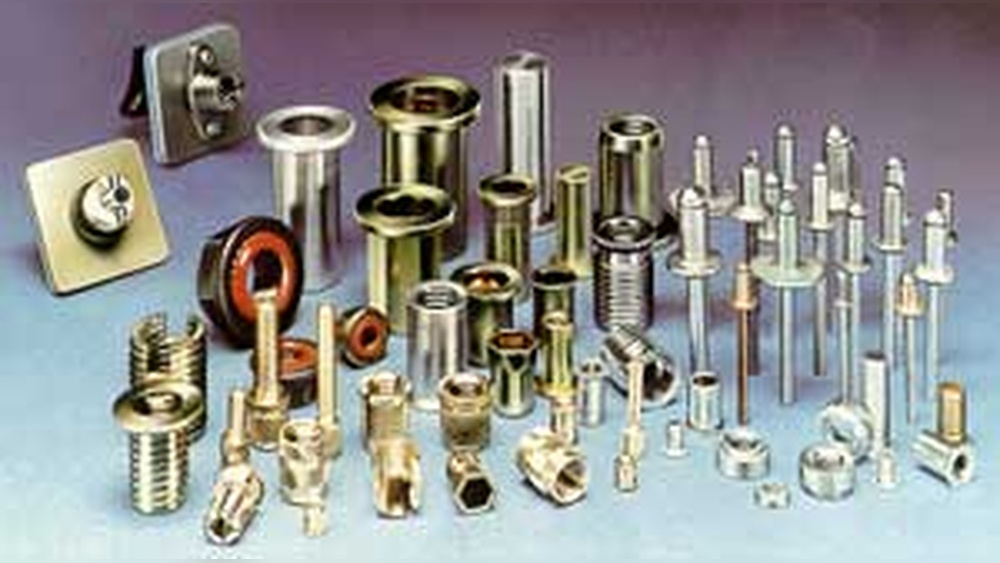
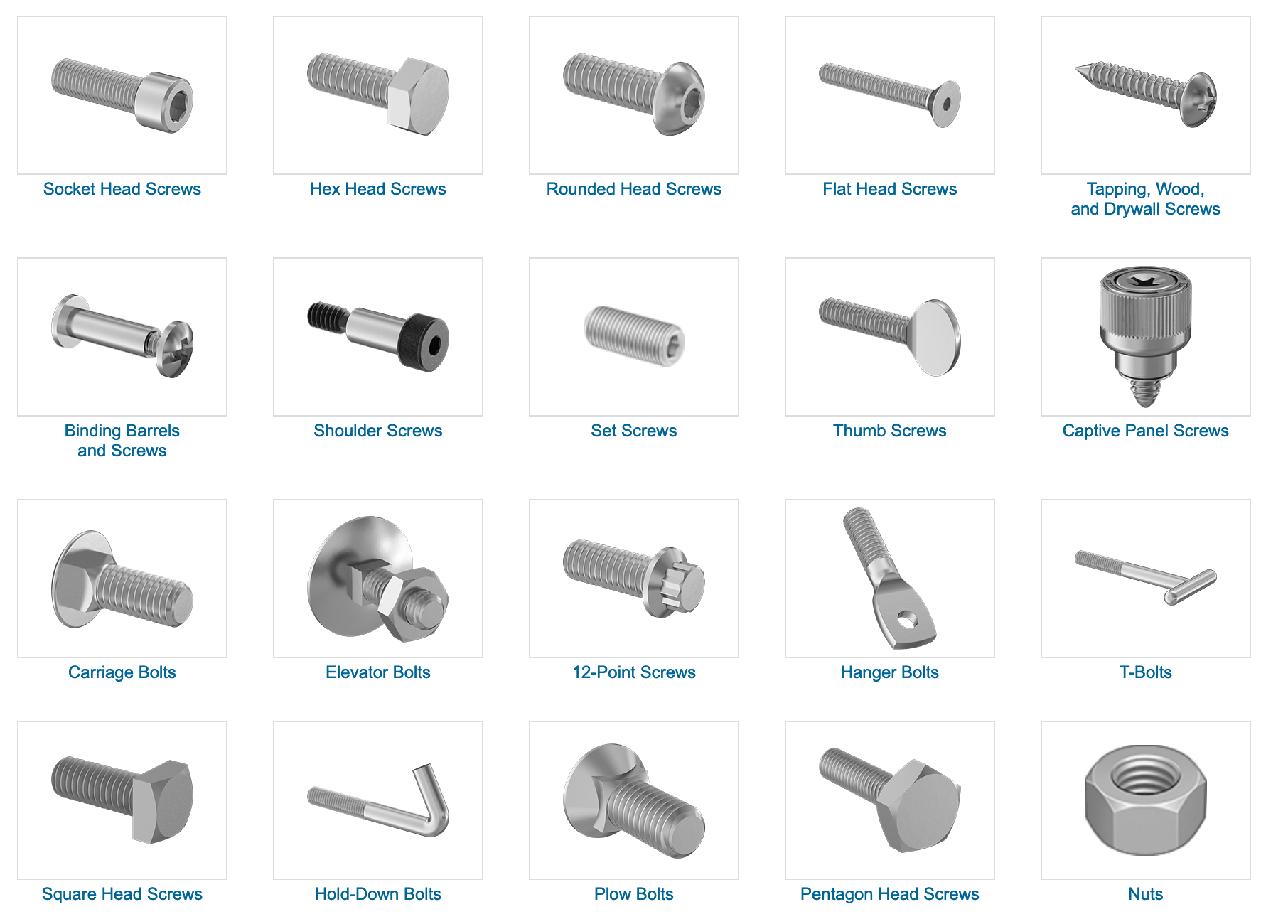
Common fasteners include screws, bolts, nuts, and nails. Screws hold parts with threads that dig into materials. Bolts work with nuts to clamp pieces tightly. Nails are hammered into wood for quick joining. Other types are rivets, washers, and clips.
Common Materials Used
Fasteners often use steel because it is strong and cheap. Stainless steel resists rust and works well outdoors. Aluminum is light and prevents corrosion. Brass and copper are good for decorative uses. Plastic fasteners offer flexibility and resist chemicals.
How Fasteners Work
Fasteners hold parts by pressure or threading. Screws and bolts use threads to grip materials tightly. Nails rely on friction and shape to stay in place. Some fasteners expand inside holes for a stronger hold. This keeps parts joined under stress or movement.
Credit: www.fusiondesigninc.com
Popular Mechanical Fasteners
Mechanical fasteners hold parts together in many machines and structures. They are simple devices but very important. Different types serve different purposes. Each type has unique features and uses.
Bolts And Screws
Bolts and screws join parts by threading. Bolts need nuts to hold parts tight. Screws can hold parts without nuts. They come in many sizes and shapes. They work well with wood, metal, and plastic.
Nuts And Washers
Nuts fasten onto bolts to secure parts firmly. Washers sit under nuts or bolt heads. They spread the load to avoid damage. Washers also stop nuts from loosening. Together, they make strong and stable joints.
Rivets And Pins
Rivets join parts permanently by deforming the tail. They are great for heavy-duty tasks. Pins allow parts to move or align. They come in different types like cotter pins and clevis pins. Pins and rivets offer reliable and simple fastening solutions.
Choosing The Right Fastener
Choosing the right mechanical fastener is key for any project. The right choice ensures strength and durability. It also prevents damage to parts and materials. Understanding the factors that affect fastener selection helps make better decisions. Focus on load, environment, and material to pick the best fastener.
Load And Strength Considerations
Fasteners must hold the parts firmly together. Check the weight and force the fastener must bear. Heavy loads need stronger fasteners like bolts or screws made from tough metals. Light loads can use smaller or softer fasteners. Always match fastener strength to the job’s demands.
Environmental Factors
Fasteners face different environments. Some work indoors, others outdoors or underwater. Moisture, heat, and chemicals can cause rust or wear. Choose fasteners made from corrosion-resistant materials for harsh conditions. Stainless steel and coated fasteners last longer in tough environments.
Material Compatibility
Fasteners must fit well with the materials they join. Metal fasteners suit metal parts. Plastic parts need special fasteners to avoid cracks. Avoid mixing metals that cause corrosion when touching. Match fastener material to the parts for a strong, lasting bond.
Credit: www.visionalloys.com
Installation Techniques
Installing mechanical fasteners correctly is crucial for strong, lasting connections. Different methods suit different fastener types and materials. Proper installation ensures safety and durability.
Understanding basic techniques helps avoid common problems. Tools and correct tightening play key roles in this process.
Hand Tools And Power Tools
Hand tools include screwdrivers, wrenches, and pliers. They give good control for small jobs or tight spaces. Power tools speed up work and handle tougher fasteners. Common power tools are electric drills and impact drivers. Choose tools based on fastener type and work conditions. Using the right tool prevents damage and saves time.
Torque And Tightening Methods
Tightening fasteners properly is key to secure joints. Torque is the twisting force applied to fasteners. Use torque wrenches to measure exact force. Over-tightening can strip threads or break fasteners. Under-tightening may cause loosening and failure. Follow manufacturer torque specs for best results. Controlled tightening ensures fasteners hold firm without damage.
Common Installation Mistakes
Skipping cleaning on parts can cause weak joints. Using wrong tools often damages fasteners or parts. Over-tightening is a frequent error that breaks threads. Under-tightening leads to loosening and unsafe connections. Not checking alignment results in uneven stress and failure. Avoid these mistakes to ensure strong, lasting fastener installations.
Maintenance And Inspection
Mechanical fasteners hold parts together in machines and structures. Proper maintenance and inspection keep them strong and safe. Regular checks catch problems early. This prevents failures and costly repairs. Knowing what to look for helps maintain performance and safety.
Signs Of Wear And Damage
Look for cracks, rust, or bending on fasteners. Loose or missing parts show wear. Threads may strip or become worn out. Corrosion weakens the metal over time. Any unusual movement or noise can signal damage.
Routine Checks
Inspect fasteners regularly during machine use or downtime. Tighten loose bolts and screws carefully. Clean dirt and debris around fasteners to avoid wear. Use proper tools to avoid damage during checks. Keep a maintenance log to track fastener condition.
Replacement Guidelines
Replace fasteners if they show signs of damage or wear. Do not reuse stripped or bent fasteners. Use the right size and type for replacements. Follow manufacturer instructions for torque and fitting. Replace fasteners in critical areas more often for safety.

Credit: www.theprocesspiping.com
Applications Across Industries
Mechanical fasteners hold parts together in many fields. They offer strong, reliable connections. Their use spans from small gadgets to large structures. Different industries rely on fasteners for safety and performance. Below are some key areas where they play a crucial role.
Automotive Uses
Cars need many fasteners to keep parts joined. Engines, doors, and seats use bolts and screws. Fasteners help withstand vibrations and heavy use. They ensure vehicle safety and durability. Without strong fasteners, cars would not hold together well.
Construction And Building
Buildings and bridges depend on mechanical fasteners for stability. Nails, bolts, and anchors join wood, steel, and concrete. Fasteners allow quick assembly and easy repairs. They help structures resist wind, weight, and weather. Reliable fasteners keep homes and offices safe.
Electronics And Appliances
Small fasteners secure parts inside gadgets and machines. Screws hold circuit boards and panels in place. Fasteners allow easy opening for maintenance or upgrades. They keep devices compact and lightweight. Strong fasteners prevent damage from drops or shakes.
Frequently Asked Questions
What Is A Mechanical Fastener Used For?
A mechanical fastener joins two or more objects securely. It ensures stability in structures and machinery. Fasteners are essential in construction, automotive, and manufacturing industries for reliable assembly.
How Do Mechanical Fasteners Work?
Mechanical fasteners create a strong bond by clamping parts together. They rely on friction, tension, or interlocking shapes to hold components firmly. This prevents movement and maintains structural integrity.
What Are Common Types Of Mechanical Fasteners?
Common mechanical fasteners include bolts, screws, nuts, washers, and rivets. Each type serves specific purposes based on strength, reusability, and application requirements. Choosing the right fastener is crucial for durability.
Why Choose Mechanical Fasteners Over Adhesives?
Mechanical fasteners provide stronger, more reliable joints than adhesives. They allow easy disassembly and maintenance without damaging parts. Fasteners also perform well under extreme temperatures and stress.
Conclusion
Mechanical fasteners hold parts firmly together. They come in many types like screws, nuts, and bolts. Each type serves a different purpose in construction and repair. Choosing the right fastener ensures safety and durability. These small tools make big projects possible.
Understanding their role helps in many DIY tasks. Keep fasteners in good condition for best results. They are simple but vital in everyday life.