Are you tired of loose papers slipping out of your folders or messy stacks that never stay organized? Learning how to use paper fasteners can be the simple solution you need.
These small tools hold your documents neatly together, making your work look professional and saving you time searching for lost pages. You’ll discover easy steps to use paper fasteners effectively and keep your papers secure. Stick with me, and you’ll never struggle with scattered documents again.
Choosing The Right Paper Fasteners
Choosing the right paper fasteners is key to organizing your documents well. Different fasteners serve different purposes. Picking the correct one helps keep papers neat and secure. It also makes your work easier and faster.
Types Of Paper Fasteners
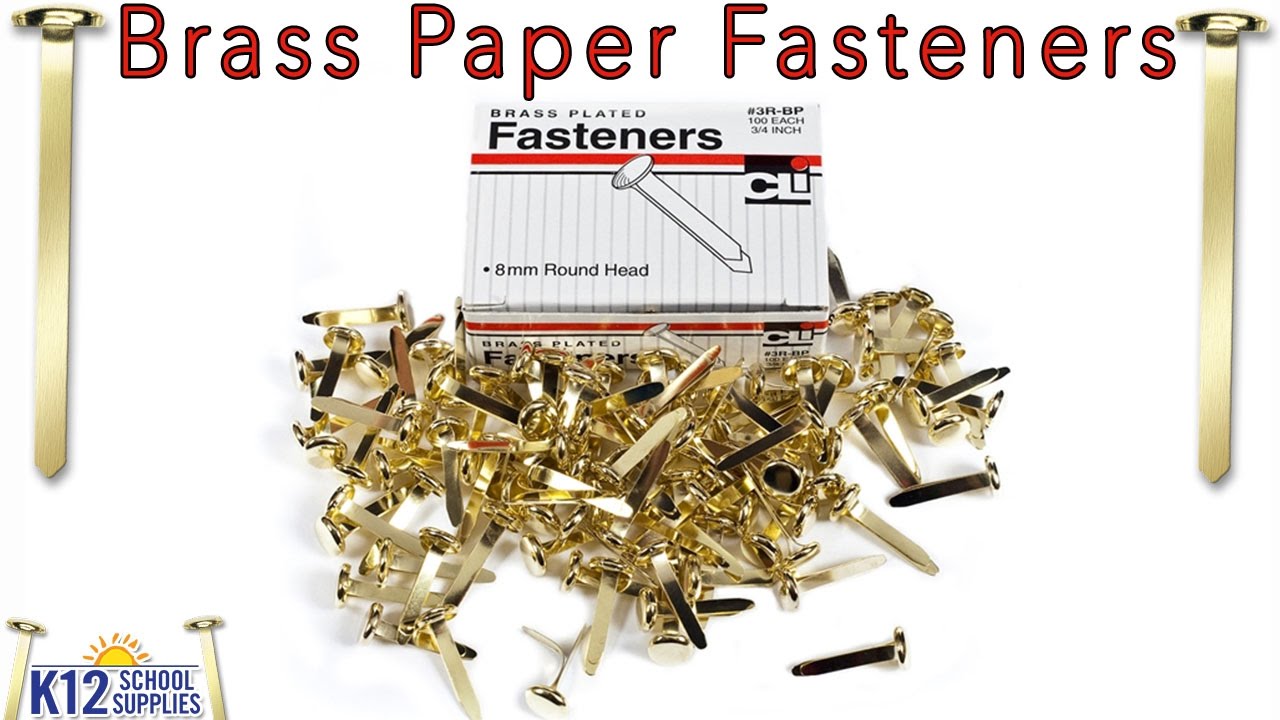
Paper fasteners come in many forms. The most common are brass fasteners, staples, and binder clips. Brass fasteners hold papers by punching holes and securing with prongs. Staples bind papers tightly by piercing through them. Binder clips clamp papers together without damaging them. Each type suits different needs and tasks.
Materials And Sizes
Fasteners are made from various materials like metal and plastic. Metal fasteners are strong and durable. Plastic fasteners offer flexibility and color options. Sizes vary from small to large, fitting different paper thicknesses. Choosing the right size ensures papers stay secure without tearing.
Best Fasteners For Different Projects
Small reports work well with brass fasteners. They keep pages aligned and easy to flip. Thick stacks need binder clips for strong hold. Staples suit quick, temporary binding of few sheets. For presentations, use colorful plastic fasteners to add style. Match fasteners to project type for best results.

Credit: www.youtube.com
Preparing Documents For Fastening
Preparing documents for fastening is a key step. It ensures papers stay neat and secure. Proper preparation saves time and avoids mistakes. Follow simple steps to get ready before adding paper fasteners.
Aligning Papers Correctly
Start by stacking all papers evenly. Check that edges match perfectly. Use a flat surface to keep papers steady. Hold the stack firmly to prevent slipping. Proper alignment makes the fastening stronger. It also gives a clean, professional look.
Creating Holes For Fasteners
Mark the spots for holes clearly. Use a pencil or light mark on the top sheet. Make sure marks line up on every page. Place holes near the edge but far enough to avoid tearing. Evenly spaced holes keep fasteners secure and papers intact.
Using Hole Punchers Effectively
Select a hole puncher that fits your paper size. Check its sharpness for clean cuts. Punch holes slowly and steadily. Press the puncher straight down to avoid angled holes. Clear paper scraps from the puncher after each use. This keeps holes neat and the puncher working well.
Step-by-step Fastening Process
Using paper fasteners is simple and helps keep papers neat. Follow these steps to fasten papers quickly and correctly. This guide makes the process clear and easy to follow.
Inserting The Fastener
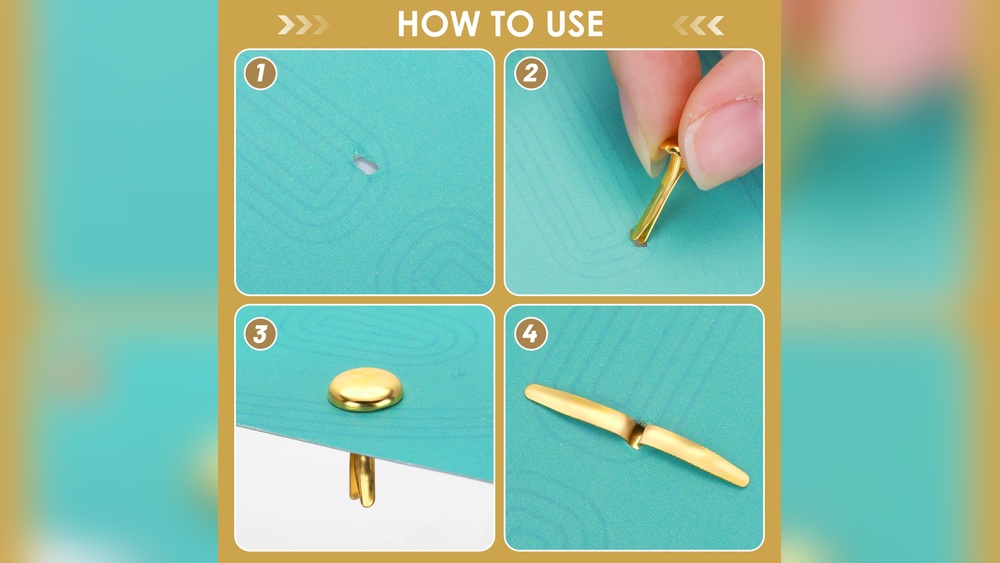
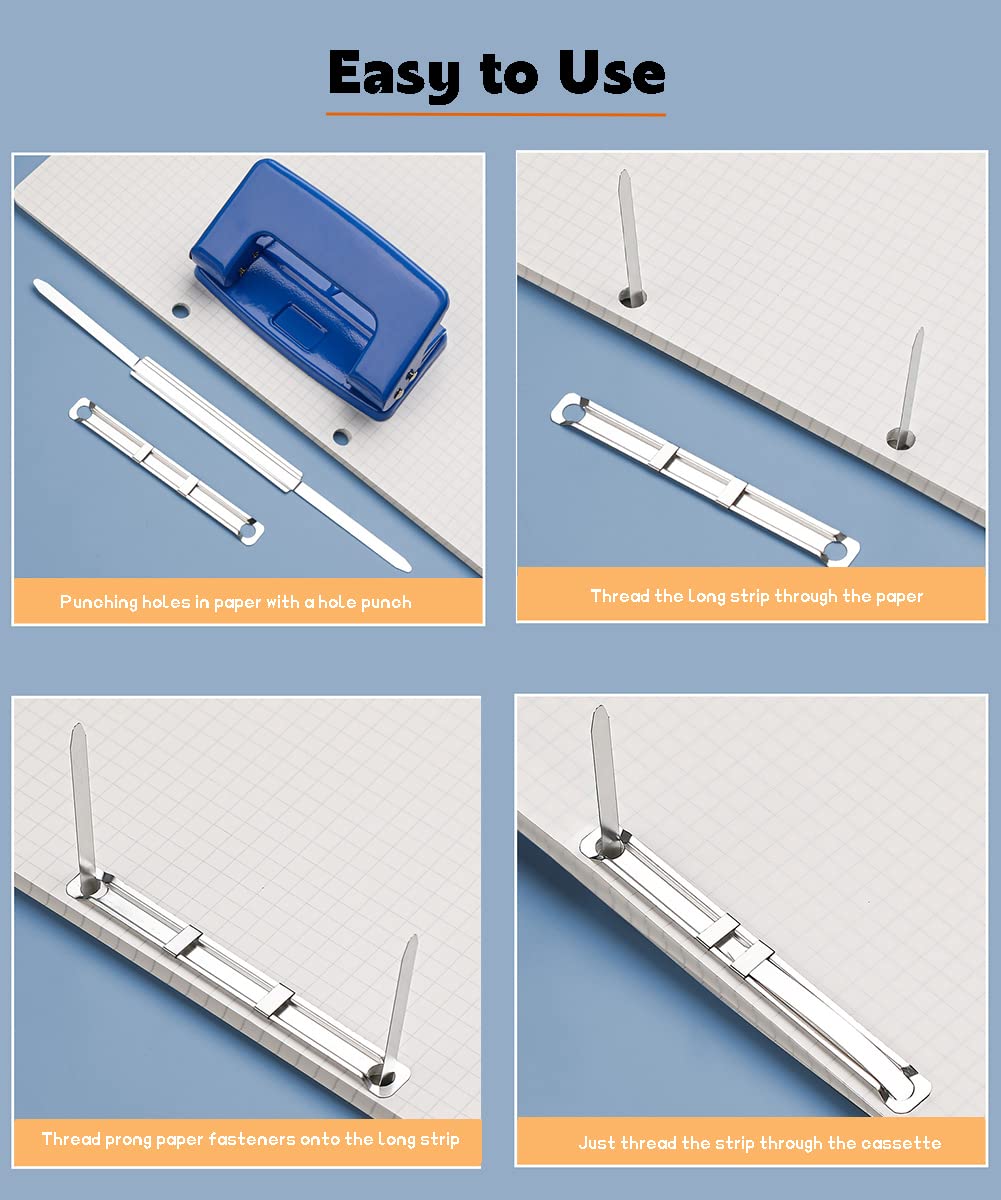
First, gather the papers you want to join. Punch holes in the papers using a hole puncher. Push the fastener’s prongs through the holes carefully. Make sure the prongs go through all the sheets evenly.
Securing The Prongs
Bend the prongs outward to hold the papers tight. Fold each prong flat against the paper stack. Press the prongs firmly so they do not move. This keeps the papers from slipping out.
Checking Stability
Hold the papers and shake them gently. Check if the papers stay together securely. If the papers move, adjust the prongs again. The fastener should keep all pages firmly in place.
Organizing Documents With Fasteners
Organizing documents with paper fasteners helps keep papers secure and easy to find. Fasteners hold sheets together without damaging them. They work well for reports, assignments, or any group of papers. Using fasteners keeps desks tidy and documents sorted. Proper use saves time and reduces paper clutter.
Labeling And Categorizing
Label each set of papers clearly. Use sticky notes or write on the top sheet. Add a date or subject for quick identification. Categorize documents by project, client, or topic. Labels help find papers fast and avoid confusion.
Combining Fasteners With Folders
Insert fastened papers inside folders for extra protection. Folders keep papers flat and clean. Use colored folders to separate different categories. Fasteners prevent papers from slipping out of folders. This method improves document storage and retrieval.
Maintaining Neatness
Align all papers before fastening to avoid wrinkles. Check that fasteners are tight but not tearing paper. Remove old or unnecessary papers regularly. Keeping fasteners and papers neat shows professionalism. A neat stack of papers is easier to handle and share.
Tips For Removing And Reusing Fasteners
Removing and reusing paper fasteners can save time and keep documents neat. Doing it the right way protects both the papers and the fasteners. Follow these simple tips to handle fasteners safely and keep them ready for reuse.
Safely Opening Fasteners
Press the metal tabs gently to open the fastener. Avoid pulling or bending hard. Use a small flat tool to lift tabs if needed. Open the fastener fully before removing papers. This prevents tearing or bending.
Avoiding Paper Damage
Remove papers slowly to stop ripping. Hold papers firmly near the fastener. Keep the hole intact by not forcing the fastener out. Use smooth, steady motions for best results. Check papers for any stuck bits before storing.
Cleaning And Storing Fasteners
Wipe fasteners with a soft cloth to remove dirt. Dry them completely to prevent rust. Store fasteners in a small box or pouch. Keep them in a dry place away from moisture. Organize fasteners by size for easy use later.
Credit: www.amazon.sa
Common Mistakes To Avoid
Using paper fasteners might seem simple. But small errors can cause big problems. Avoiding common mistakes saves time and keeps documents neat. Learn about common errors to keep your papers secure and tidy.
Overloading Fasteners
Putting too many sheets on one fastener strains it. Fasteners can bend or break under heavy loads. This damages papers and makes the fastener useless. Use multiple fasteners for thick stacks. Keep stacks light for better hold and neatness.
Misaligned Holes
Holes that do not line up cause trouble. Misaligned holes make it hard to insert fasteners. Papers may tear or fold unevenly. Use a hole punch guide for perfect alignment. Check holes before fastening to avoid damage.
Using Wrong Fastener Types
Different fasteners suit different papers and uses. Using the wrong type can loosen or damage papers. Choose brass fasteners for durability. Plastic fasteners work well for light documents. Match fastener size to paper thickness for best results.
Credit: www.youtube.com
Frequently Asked Questions
What Are Paper Fasteners Used For?
Paper fasteners secure multiple sheets of paper together. They are ideal for organizing documents without staples or clips. Fasteners allow easy addition or removal of pages, making them useful in reports, presentations, and file management.
How Do You Insert A Paper Fastener?
First, punch holes in your paper aligned with the fastener prongs. Insert the prongs through the holes, then spread them flat against the paper’s back. This holds the sheets securely and prevents them from slipping out.
Can Paper Fasteners Damage Documents?
Paper fasteners cause minimal damage by creating small holes. Unlike staples, they don’t tear or crease paper edges. Proper use ensures documents stay intact and easy to reorganize without permanent marks or damage.
What Materials Are Paper Fasteners Made From?
Paper fasteners are typically made from metal or plastic. Metal fasteners provide durability and a secure hold. Plastic fasteners offer flexibility and are less likely to rust or damage paper over time.
Conclusion
Paper fasteners help keep papers neat and organized. They are easy to use and save time. Just punch holes, insert the fastener, and bend the prongs. You can add or remove papers quickly without damage. Fasteners work well for reports, school projects, and office documents.
Using them keeps your papers safe and tidy. Try them to make your work simpler and cleaner. Small tools, big help.