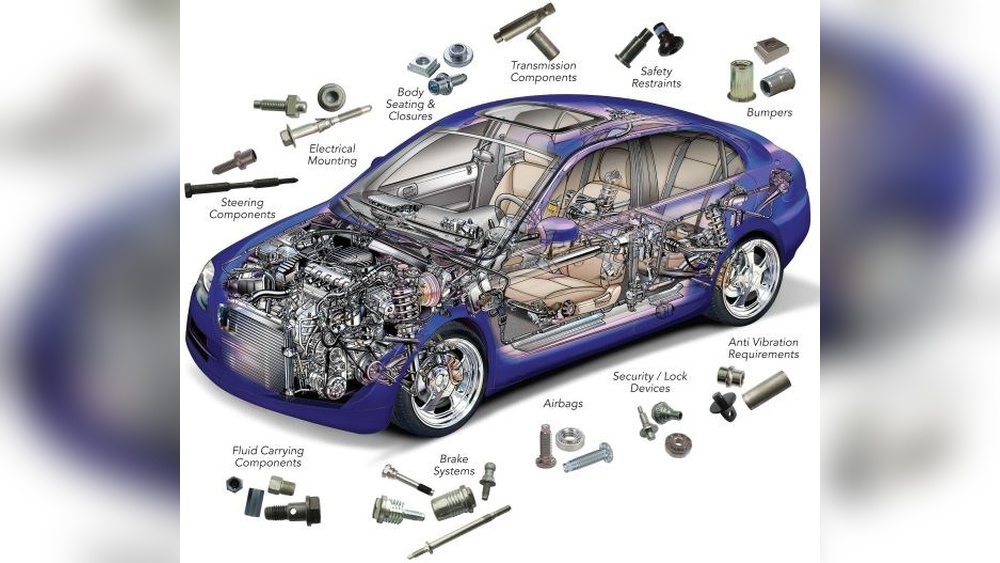
When you look closely at your car, have you ever wondered what holds all those parts together? The answer lies in something small but incredibly important: automotive fasteners.
These tiny pieces play a huge role in keeping your vehicle safe, strong, and running smoothly. If you want to understand how your car stays intact and why these fasteners matter to your ride’s performance, this article is for you.
Keep reading to discover what automotive fasteners are and why they deserve your attention.
Role Of Fasteners In Vehicles
Fasteners are small parts that hold vehicle components together. They connect different parts and keep them in place. Without fasteners, cars would not be stable or safe. Fasteners must be strong and reliable to handle vibrations and stress from driving.
Every vehicle has thousands of fasteners. They join the engine, body panels, seats, and many other parts. Fasteners help build a vehicle that works well and lasts long. Their role is crucial in the assembly and safety of vehicles.
Importance In Assembly
Fasteners make vehicle assembly possible and efficient. They allow parts to be attached quickly and securely. This helps car makers build vehicles faster and with less error. Fasteners also make it easier to repair and replace parts later. They provide flexibility during manufacturing and maintenance.
Impact On Safety And Performance
Fasteners affect how safe a vehicle is on the road. Poor fasteners can cause parts to loosen or fail. This can lead to accidents or breakdowns. Good fasteners keep the vehicle stable and parts aligned. They support the car’s structure and help it perform well under stress.
Credit: www.fictiv.com
Common Types Of Automotive Fasteners
Automotive fasteners are small parts that hold different vehicle components together. They keep everything secure and ensure the car works safely. There are many types of fasteners used in vehicles. Each type has a specific job and fits certain parts.
Bolts And Screws
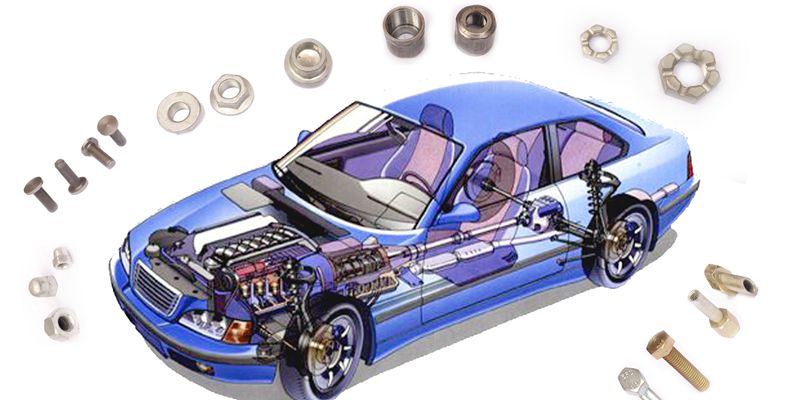
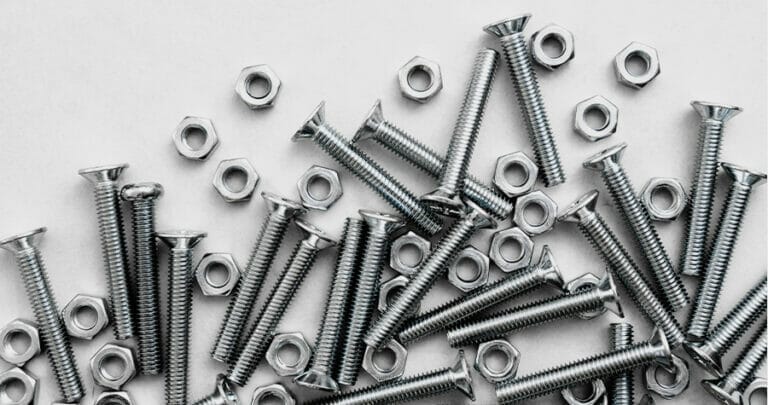
Bolts and screws are common fasteners in cars. They join metal parts firmly. Bolts usually need a nut to hold parts tight. Screws go directly into materials. Both come in various sizes and shapes. They are strong and easy to remove for repairs.
Nuts And Washers
Nuts work with bolts to lock parts in place. They twist onto bolt threads to stop loosening. Washers sit under nuts or bolt heads. They spread the load and protect surfaces. Washers also stop nuts from slipping. These parts help keep fastened joints steady.
Clips And Rivets
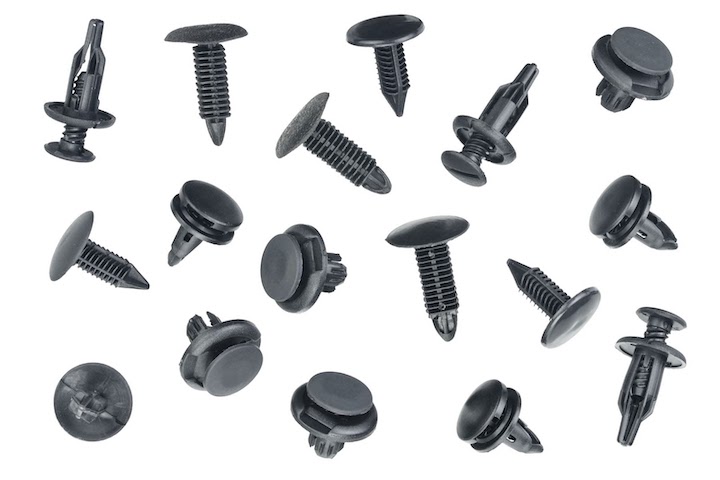
Clips and rivets hold parts without screws or bolts. Clips snap into place and are quick to use. Rivets join parts permanently and need special tools. Both types fasten plastic, metal, and trim pieces. They provide strong, long-lasting connections in vehicles.
Materials Used For Fasteners
Automotive fasteners hold parts together in vehicles. Their material affects strength, durability, and resistance to wear. Choosing the right material ensures safety and performance.
Steel Variants
Steel is the most common material for fasteners. It offers high strength and toughness. Carbon steel is used for general parts. Alloy steel provides better resistance to heat and stress. Stainless steel resists rust and corrosion well.
Aluminum And Alloys
Aluminum fasteners are lightweight and resist corrosion. They reduce the overall vehicle weight. Aluminum alloys improve strength while keeping weight low. These fasteners fit well in parts needing less stress.
Specialty Coatings
Coatings protect fasteners from rust and damage. Zinc plating is popular for corrosion resistance. Black oxide coating adds mild corrosion protection and appearance. Some fasteners get phosphate coatings to improve paint adhesion and durability.
Credit: autoprotoway.com
Choosing Fasteners For Different Components
Choosing the right fasteners for automotive parts is key to safety and performance. Different parts need different fasteners based on stress, heat, and vibration. Picking the correct fastener ensures the vehicle works well and lasts longer. The choices depend on the component’s function and environment.
Engine And Transmission
Engine and transmission parts face high heat and pressure. Fasteners here must resist heat and avoid loosening. Stainless steel or heat-treated bolts are common choices. They hold parts tightly and handle engine vibrations well. Using the wrong fastener can cause leaks or breakdowns.
Body And Interior
Body and interior fasteners focus on appearance and corrosion resistance. Plastic clips and coated screws prevent rust and damage. These fasteners should be light but strong. They keep panels, trim, and seats secure without noise. Easy installation and removal are also important here.
Suspension And Brakes
Suspension and brake fasteners face heavy loads and shocks. High-strength bolts and nuts are essential. These fasteners must not loosen during driving. Special locking fasteners help keep safety critical parts tight. Proper fasteners improve control and braking performance.
Installation Techniques And Tools
Installing automotive fasteners correctly is key to vehicle safety and performance. Using the right techniques and tools ensures fasteners hold parts firmly. This section explains important steps and tools for proper installation.
Torque Specifications
Torque specifications tell how tight a fastener should be. Too loose, and parts may come apart. Too tight, and fasteners can break or damage parts. Always follow the vehicle’s manual for exact torque values. Use a torque wrench to apply the right force. This tool measures and controls tightness during installation.
Common Tools Used
Several tools help install automotive fasteners properly. Torque wrenches are the most important. Socket sets fit different fastener sizes. Screwdrivers work for smaller screws. Pliers help hold or bend parts. Thread lockers keep fasteners from loosening. Each tool fits specific fastener types and jobs.
Avoiding Common Installation Errors
Errors can cause fasteners to fail. Cross-threading happens when fasteners are forced at an angle. This damages threads and weakens hold. Over-tightening breaks fasteners or strips threads. Under-tightening lets fasteners loosen over time. Clean threads before installation for a secure fit. Follow steps carefully to avoid these mistakes.
Maintenance And Inspection Tips
Regular maintenance and inspection of automotive fasteners keep vehicles safe and reliable. Fasteners hold many parts together, so checking them often prevents failures. Simple steps help spot problems early and extend fastener life.
Signs Of Wear And Damage
Look for cracks, rust, or bent fasteners. Loose bolts or nuts may cause noise or vibration. Stripped threads make fasteners hard to tighten. Missing fasteners weaken the structure and need quick attention.
Replacement Guidelines
Replace fasteners if damaged or worn out. Use the same type and size as original parts. Follow vehicle manual torque settings to avoid over-tightening. Dispose of old fasteners properly and never reuse single-use ones.
Preventing Corrosion
Keep fasteners clean and dry to stop rust. Apply anti-corrosion sprays or grease on metal parts. Check seals and covers to block water and dirt. Store spare fasteners in a dry place for longer life.
Innovations In Automotive Fasteners
Automotive fasteners hold vehicles together. They keep parts safe and steady. New ideas in fasteners make cars better and safer. These changes help with weight, strength, and the environment.
Innovations focus on making fasteners lighter, smarter, and greener. Each type plays a key role in modern vehicles. They improve how fasteners work and last.
Lightweight Materials
Using light materials cuts the car’s total weight. Aluminum and titanium replace heavy steel. This helps cars use less fuel and run cleaner. Lighter fasteners also reduce wear on parts.
Smart Fasteners
Smart fasteners have sensors built inside. They tell if parts are loose or broken. This helps fix problems before they get worse. It also makes cars safer on the road.
Eco-friendly Alternatives
New fasteners use materials that harm nature less. Biodegradable plastics and recycled metals are popular choices. These fasteners reduce waste and pollution. They help car makers meet green rules.
Credit: sendcutsend.com
Frequently Asked Questions
What Are Automotive Fasteners Used For?
Automotive fasteners secure parts in vehicles, ensuring structural integrity. They join components like panels, engines, and interiors tightly. Their role is crucial for safety and durability in automotive manufacturing and repairs.
What Materials Are Automotive Fasteners Made Of?
Automotive fasteners are typically made from steel, stainless steel, aluminum, and plastic. These materials provide strength, corrosion resistance, and lightweight properties tailored to specific vehicle needs.
How Do Automotive Fasteners Improve Vehicle Safety?
Fasteners keep vehicle parts firmly connected, preventing loose components. This reduces mechanical failures and accidents, enhancing overall vehicle safety and performance.
What Types Of Automotive Fasteners Exist?
Common types include bolts, screws, nuts, washers, clips, and rivets. Each type serves a unique function in assembling and maintaining vehicle parts effectively.
Conclusion
Automotive fasteners hold vehicle parts tightly together. They come in many types and sizes. Each fastener plays a key role in safety and function. Choosing the right fastener ensures durability and strength. Quality fasteners help vehicles run smoothly every day.
Understanding their purpose makes car maintenance easier. Small parts, big impact. Always check fasteners during repairs or upgrades. They keep your car safe and reliable.