When it comes to heavy machinery, choosing the right fastener isn’t just a small detail—it’s a critical decision that impacts safety, performance, and durability. You might think all bolts and screws are the same, but using the wrong one can lead to costly breakdowns or even dangerous accidents.
So, how do you know which fastener will hold up under pressure and keep your machines running smoothly? You’ll discover exactly what to look for and how to pick the best fastener for your heavy machinery needs. Keep reading to make sure your equipment stays strong and reliable.
Types Of Fasteners For Heavy Machinery
Choosing the right fastener is key in heavy machinery. Fasteners hold parts tight and keep machines working well. Different tasks need different fasteners. Each type offers strength and stability for machine parts. Understanding these types helps in picking the best fit for the job.
Below are common fasteners used in heavy machinery. They vary in shape, use, and strength.
Bolts And Screws
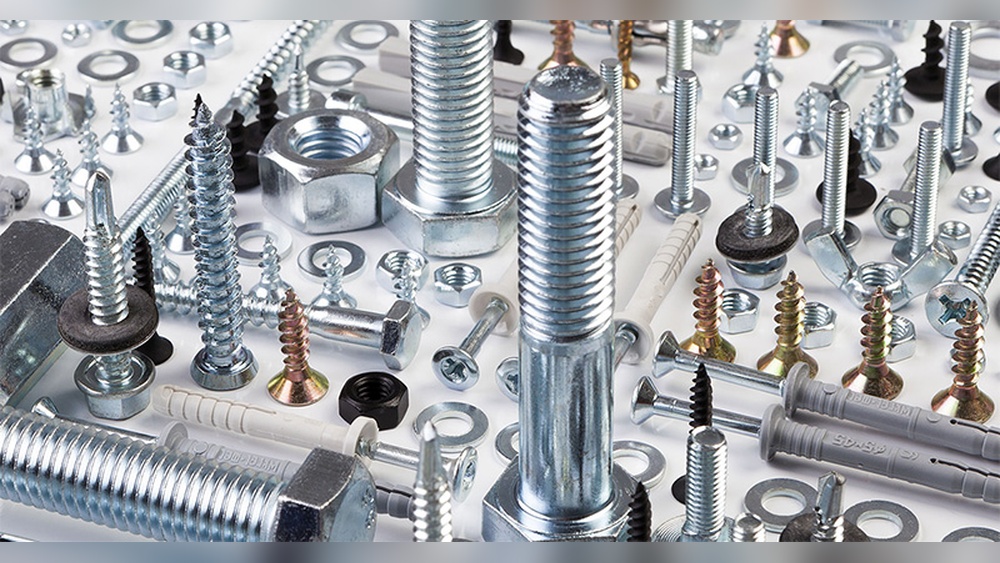
Bolts and screws are popular fasteners in heavy machinery. Bolts need nuts to hold parts together. Screws cut their own threads into the material. Both offer strong and tight connections. They come in many sizes and shapes. This makes them useful for many machine parts.
Nuts And Washers
Nuts work with bolts to lock parts in place. Washers sit under nuts or bolt heads. They spread the load and stop damage to surfaces. Washers also stop nuts from loosening. Both are important for secure, long-lasting fastenings.
Rivets And Pins
Rivets hold parts permanently. They work by deforming once inserted. This creates a strong, lasting bond. Pins are used to align parts or act as a pivot. They offer easy assembly and disassembly. Both provide stability in moving or fixed parts.
Specialty Fasteners
Specialty fasteners include clips, clamps, and anchors. These fasteners serve unique purposes in machines. They handle vibration, extreme pressure, or special shapes. Choosing the right specialty fastener improves machine safety and function.
Credit: mcswusa.com
Materials And Coatings
Choosing the right material and coating for fasteners in heavy machinery is critical. These components face high stress, wear, and exposure to harsh environments. The material must offer strength, durability, and resistance to rust or corrosion. Coatings protect the fasteners further and extend their lifespan. Understanding the options helps select the best fastener for each application.
Steel Variants
Steel is the most common material for heavy machinery fasteners. Carbon steel offers high strength and affordability. Alloy steel provides greater toughness and wear resistance. Heat treatment can improve hardness and durability. Steel fasteners are versatile but may rust without protection.
Stainless Steel
Stainless steel contains chromium, which prevents rust. It suits moist or corrosive environments well. Types 304 and 316 are popular choices. Stainless steel fasteners resist chemicals and heat. They cost more but last longer in tough conditions.
Alloys And Composites
Alloy fasteners mix metals for special properties. Titanium alloys offer excellent strength and low weight. Nickel alloys resist extreme heat and corrosion. Composite fasteners combine materials to reduce weight and boost strength. These types suit specific heavy machinery needs.
Protective Coatings
Coatings shield fasteners from rust and wear. Zinc plating is common and affordable. It stops corrosion on steel fasteners. Hot-dip galvanizing provides a thicker, longer-lasting layer. Other coatings include black oxide and phosphate for added protection. Coatings improve fastener life in harsh conditions.
Strength And Load Considerations
Choosing the right fastener for heavy machinery depends largely on strength and load needs. Fasteners must hold parts together firmly under high pressure and stress. Understanding key strength factors helps pick the best option. These factors include tensile strength, shear strength, and fatigue resistance. Each plays a vital role in machine safety and performance.
Tensile Strength
Tensile strength measures how much pulling force a fastener can handle before breaking. Heavy machinery often faces strong tension forces. Fasteners with high tensile strength resist stretching and snapping. Steel alloys and heat-treated materials usually offer the best tensile strength. Choosing fasteners with adequate tensile strength prevents sudden failures.
Shear Strength
Shear strength is the fastener’s ability to resist forces that try to cut or slide it apart. Machines generate sideways forces that test this strength. Fasteners with strong shear resistance keep parts from shifting or slipping. Bolts and pins designed for shear loads often have thicker cross-sections. Proper shear strength keeps machinery stable and safe during operation.
Fatigue Resistance
Fatigue resistance means fasteners can endure repeated loads without cracking. Heavy machinery parts move and vibrate constantly. Fasteners with good fatigue resistance last longer under these conditions. Materials like stainless steel and certain alloys resist fatigue well. Choosing fatigue-resistant fasteners reduces maintenance and downtime.
Credit: www.nappco.com
Corrosion Resistance Factors
Corrosion resistance is a key factor when choosing fasteners for heavy machinery. Fasteners must resist rust and damage caused by moisture and chemicals. This ensures a longer life for the equipment and reduces maintenance costs. Understanding the environment and applying the right protection methods help in selecting the best fastener.
Environmental Impact
Heavy machinery often works in harsh environments. Exposure to water, salt, and chemicals speeds up corrosion. Coastal areas with salty air cause metal to rust faster. Industrial sites may have acidic or alkaline substances that harm fasteners. Temperature changes can also affect corrosion rates. Choosing fasteners that suit these conditions is vital for durability.
Corrosion Prevention Techniques
Using coated or plated fasteners can slow down corrosion. Zinc plating and galvanizing are common methods. Stainless steel fasteners resist rust better than regular steel. Applying protective paints or sealants adds extra defense. Regular inspection and cleaning remove harmful substances. Combining these techniques improves fastener life in tough conditions.
Installation Techniques
Installing fasteners in heavy machinery requires careful attention. Proper techniques ensure safety and machine durability. Each step must follow precise guidelines. This section covers key installation methods for strong, lasting connections.
Torque Specifications
Tightening fasteners to the correct torque is crucial. Too loose can cause parts to move. Too tight can strip threads or break bolts. Use a calibrated torque wrench for accuracy. Always follow the manufacturer’s torque settings. This controls the clamping force and ensures stability.
Thread Locking Methods
Thread locking prevents fasteners from loosening under vibration. Use thread-locking adhesives for small fasteners. Mechanical methods like lock washers or nylon inserts work well too. Choose the method based on the machine’s environment. Proper locking improves safety and reduces maintenance.
Preloading And Tensioning
Preloading fasteners creates a tight joint before loads apply. This helps spread stress evenly across parts. Use tensioning tools to achieve correct preload. Preloading reduces fatigue and prevents joint failure. It is vital for parts under heavy or repeated loads.
Maintenance And Inspection
Maintenance and inspection of fasteners in heavy machinery are crucial for safe and efficient operation. Fasteners hold parts together and face constant stress. Regular care prevents breakdowns and costly repairs.
Checking fasteners often helps catch issues early. This keeps machines running smoothly and workers safe. Understanding signs of wear and knowing when to replace fasteners extends machine life.
Regular Checks
Inspect fasteners during every maintenance routine. Look for looseness, corrosion, or damage. Tighten bolts and screws as needed. Use proper tools to avoid over-tightening or stripping threads.
Check fasteners under high stress more often. Vibrations and heavy loads can loosen them quickly. Keep a maintenance log to track fastener condition and service dates.
Signs Of Wear
Fasteners show wear through rust, cracks, or stripped threads. Look for bent or stretched bolts. Missing or damaged washers also signal problems. These signs reduce fastener strength and reliability.
Loose fasteners cause noise or unusual machine movement. Check for leaks near fastener joints. Early detection of wear prevents bigger failures and downtime.
Replacement Guidelines
Replace fasteners showing any damage immediately. Use the correct size and grade for your machine. Avoid mixing materials, as this can cause corrosion. Follow manufacturer recommendations for replacement intervals.
Keep spare fasteners on hand for quick repairs. Dispose of old fasteners safely to avoid reuse. Proper replacement ensures machine safety and longevity.
Common Mistakes To Avoid
Choosing the right fastener for heavy machinery is crucial. Many mistakes happen during selection and installation. These errors can lead to machine damage, safety risks, and costly repairs. Avoiding common mistakes helps keep machines running smoothly and safely.
Overtightening
Applying too much force damages the fastener and the parts. Threads can strip or break, causing weak connections. Over-tight fasteners lose their grip over time. Use a torque wrench to apply the right pressure. Follow the recommended torque settings for each fastener.
Using Incorrect Fastener Types
Not all fasteners are the same. Using the wrong type can cause failure. For example, a low-strength bolt on heavy parts may snap. Fasteners must match the material and load requirements. Check the size, grade, and coating before use. Choosing the correct fastener ensures durability and safety.
Ignoring Manufacturer Recommendations
Manufacturers provide guidelines for fastener use. Ignoring these instructions risks improper installation. They specify torque, type, and placement details. Following recommendations prevents damage and maintains warranty. Always read and apply the manufacturer’s fastener guidelines carefully.

Credit: www.amazon.com
Case Studies In Heavy Machinery
Case studies show how fasteners perform in real heavy machinery. They reveal the best choices for different industries. Practical examples help understand fastener strength and durability.
Each sector faces unique challenges. Fasteners must hold parts firmly under stress. These examples highlight what works well.
Construction Equipment
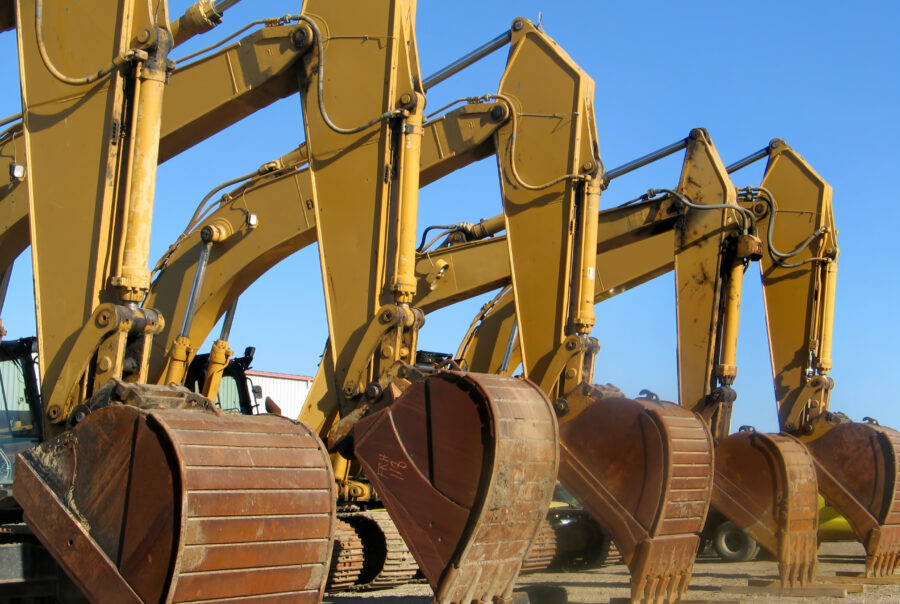
Construction machines need strong fasteners to handle vibrations and heavy loads. High-tensile bolts resist loosening on excavators and bulldozers. Corrosion-resistant coatings extend fastener life outdoors. Using grade 8 bolts improves safety and reliability.
Agricultural Machinery
Farming equipment works in dirt and moisture. Stainless steel fasteners prevent rust and breakage. Lock washers keep nuts tight on tractors and harvesters. Proper torque settings avoid damage during fieldwork. Fasteners must balance strength and flexibility.
Industrial Manufacturing
Machines in factories run continuously under high pressure. Heavy-duty fasteners withstand heat and vibration. Thread-locking compounds stop loosening in assembly lines. Steel alloy bolts provide consistent performance. Fasteners ensure smooth and safe production processes.
Frequently Asked Questions
What Types Of Fasteners Are Best For Heavy Machinery?
High-strength bolts and nuts are ideal for heavy machinery. They offer excellent load-bearing capacity and resist vibration well. Grade 8 or higher fasteners are commonly used for durability and safety.
How To Choose Fasteners For Heavy Machinery Applications?
Select fasteners based on load, vibration, and environmental conditions. Use corrosion-resistant materials like stainless steel for outdoor machinery. Ensure proper size and thread type for secure assembly.
Why Are High-tensile Fasteners Important In Heavy Machinery?
High-tensile fasteners provide superior strength and withstand extreme stresses. They prevent loosening under heavy loads and vibrations, ensuring machine safety and longevity.
Can Corrosion-resistant Fasteners Improve Heavy Machinery Lifespan?
Yes, corrosion-resistant fasteners reduce rust and wear. Using stainless steel or coated fasteners extends machinery life, especially in harsh or outdoor environments.
Conclusion
Choosing the right fastener keeps heavy machinery safe and strong. Quality and material matter most. Steel bolts suit high strength needs. Stainless steel resists rust and wear. Always match fasteners to machine parts and tasks. Proper fasteners reduce breakdowns and repairs.
Small details can save big costs later. Think safety first, then durability. The right choice helps machines last longer. Simple steps lead to better performance every day.
