Have you ever wondered why some bolts hold tight while others come loose? The secret often lies in something called fastener torque.
Understanding fastener torque can save you from costly repairs, safety hazards, and frustrating breakdowns. You’ll discover what fastener torque really means and why it matters for every project involving bolts, screws, or nuts. By the end, you’ll know how to get the perfect tightness every time – ensuring your work stays secure and strong.
Keep reading to unlock the key to reliable fastening!
Fastener Torque Basics
Fastener torque is a key concept in construction and mechanical work. It means the force used to tighten bolts and screws. Correct torque ensures parts stay secure and work well. Too little torque may cause loosening. Too much can damage threads or parts.
This section explains the basics of fastener torque. It covers what torque means, types of fasteners, and why torque matters.
Definition Of Torque
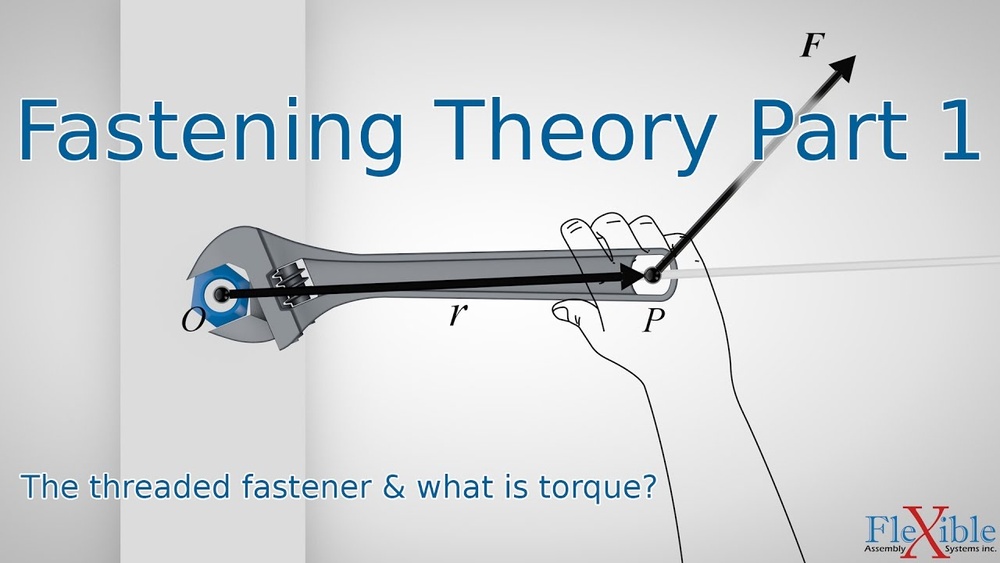
Torque is a twisting force. It turns an object around an axis. In fasteners, torque means how hard you twist a bolt or screw. It is measured in units like Newton-meters (Nm) or foot-pounds (ft-lb). Proper torque applies just enough force to hold parts tightly without damage.
Types Of Fasteners
Fasteners join parts together. Common types include bolts, screws, nuts, and washers. Each fastener needs the right torque to work well. Different fasteners have different shapes and thread sizes. This affects how much torque they need. Correct torque depends on the fastener type and material.
Role Of Torque In Fastening
Torque controls how tight a fastener is. Proper torque prevents parts from moving or coming loose. It also avoids breaking or stripping threads. Correct torque keeps structures safe and machines running smoothly. Using a torque wrench helps apply the right force every time.
Factors Affecting Torque
Torque is the force used to tighten fasteners. Several factors change the amount of torque needed. Understanding these helps ensure fasteners hold well and do not fail.
Material Properties
The type of material in the fastener and the parts it joins affects torque. Hard materials need more torque to tighten. Soft materials require less force. The strength and flexibility of materials also matter. Metals like steel handle more torque than plastics or aluminum.
Lubrication Impact
Lubrication changes how easily fasteners turn. Oiled or greased threads reduce friction. This lowers the torque needed for the same clamping force. Dry threads increase resistance and require more torque. Proper lubrication ensures consistent and accurate tightening.
Thread Conditions
The condition of the threads affects torque values. Clean, undamaged threads allow smooth tightening. Dirty, rusty, or worn threads create extra friction. This can lead to inaccurate torque or fastener failure. Inspect threads before applying torque for best results.
Environmental Influences
Temperature and humidity impact torque levels. Cold temperatures make materials stiffer and harder to tighten. High humidity can cause rust, increasing friction. Dust and dirt also affect thread movement. Consider the environment when setting torque values.
Torque Measurement Tools
Torque measurement tools help ensure fasteners are tightened correctly. Proper torque prevents damage and keeps parts secure. These tools measure the force applied to bolts and screws. Accurate torque ensures safety and performance in many applications.
Torque Wrenches
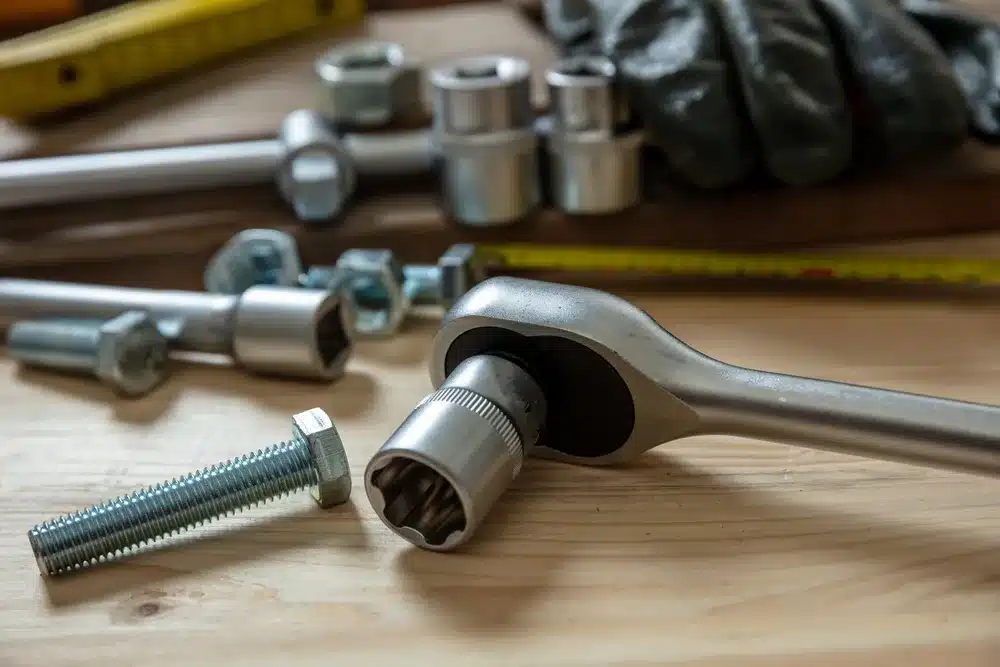
Torque wrenches are common tools for measuring torque. They apply a set force to fasteners. Some wrenches click or slip when the target torque is reached. These tools come in different sizes for various jobs. They are simple, reliable, and widely used.
Digital Torque Tools
Digital torque tools show torque readings on a screen. They provide precise measurements instantly. Some models store data for later review. These tools help reduce human errors during tightening. They are ideal for quality control and complex tasks.
Calibration Techniques
Calibration keeps torque tools accurate over time. It compares the tool’s reading to a known standard. Regular calibration prevents mistakes and tool wear. Many industries require calibration records for safety. Proper calibration extends tool life and trustworthiness.
Torque Specifications And Standards
Torque specifications and standards are key to fastening tasks. They ensure bolts and screws hold parts tightly without damage. Proper torque prevents loose connections and avoids over-tightening. These rules guide how much force to apply when fastening.
Following torque standards keeps machines safe and working well. It helps workers apply the right strength every time. This section covers the main sources of torque guidelines.
Industry Standards
Industry standards provide clear torque values for many fasteners. Groups like ISO, ANSI, and ASTM set these rules. They base torque specs on fastener size, type, and material. These standards help maintain quality across different products.
Using industry standards reduces risks of failure and accidents. They also ensure parts fit and perform as designed. Technicians trust these values for consistent results.
Manufacturer Guidelines
Manufacturers offer torque specs specific to their products. These guidelines consider unique designs and materials. They often appear in manuals or product labels. Following these specs protects warranties and ensures safety.
Ignoring manufacturer torque can cause damage or reduce product life. Always check these instructions before tightening fasteners.
Safety Margins
Safety margins add extra care to torque application. They set limits below the maximum strength of fasteners. This helps avoid stress and possible breakage.
Applying torque within safety margins keeps joints secure and reliable. It also allows room for material changes or wear over time. Safety margins support long-lasting and safe assemblies.
Techniques For Accurate Tightening
Accurate tightening of fasteners is key to strong, safe assemblies. Proper techniques help avoid damage and ensure parts stay secure. Using the right methods saves time and money.
Fastener torque must be applied carefully. The process includes clear steps and attention to detail. Avoiding common errors improves results. Sometimes, torque angle is used for better control.
Step-by-step Tightening Process
Start by selecting the correct tool and torque setting. Clean the fastener and threads to remove dirt. Place the fastener in position and hand-tighten it first.
Use a torque wrench to tighten the fastener. Apply torque slowly and steadily. Stop once the desired torque is reached. Check the fastener for proper tightness after tightening.
Common Mistakes To Avoid
Do not overtighten fasteners; this causes damage. Avoid using worn or wrong tools. Skipping cleaning leads to inaccurate torque readings. Not following the torque sequence can cause uneven pressure.
Failing to calibrate the torque wrench reduces accuracy. Tightening too fast can cause errors. Always double-check torque after the first pass.
Use Of Torque Angle
Torque angle measures how far a fastener turns after initial torque. It helps achieve precise clamping force. This method often follows a pre-torque step.
Use an angle gauge or a torque wrench with angle measurement. Apply the correct angle to finish tightening. This technique works well for critical fasteners.
Credit: wilsongarner.com
Effects Of Incorrect Torque
Applying the correct torque to fasteners is vital for safety and performance. Incorrect torque can cause many problems. These issues might not show up right away but can lead to failures over time. Understanding the effects helps prevent damage and ensures reliability.
Under-tightening Risks
Fasteners that are too loose can slip or come apart. This reduces the strength of the joint. Vibrations may cause parts to move or separate. Leaks can happen in sealed connections. Under-tightening often leads to safety hazards and costly repairs.
Over-tightening Consequences
Too much torque can stretch or break fasteners. It can also damage threads or the parts being joined. Over-tightening increases stress, causing cracks or warping. This weakens the entire assembly. It may also make future disassembly difficult or impossible.
Long-term Maintenance Issues
Incorrect torque affects how long equipment lasts. Loose fasteners need frequent checks and tightening. Over-tightened parts may fail unexpectedly, causing downtime. Both conditions increase maintenance time and costs. Proper torque helps keep machines safe and running longer.
Applications Of Fastener Torque
Fastener torque plays a crucial role in many industries. It ensures that bolts and screws hold parts together tightly. The right torque prevents damage and keeps structures safe. Different fields rely on specific torque levels for strength and reliability.
Automotive Industry
Fastener torque is key in car manufacturing and repair. It secures engine parts, wheels, and brakes. Proper torque prevents parts from loosening during driving. This improves vehicle safety and performance. Mechanics use torque tools to meet exact standards.
Aerospace Sector
In aerospace, fastener torque demands are very strict. Aircraft parts must withstand high pressure and vibration. Correct torque ensures flight safety and structural integrity. Engineers follow precise torque values for every fastener. This avoids costly repairs and accidents.
Construction Projects
Construction uses fastener torque to build strong structures. Steel beams, bridges, and machinery depend on tight connections. Using the right torque improves stability and durability. Workers apply torque tools to avoid weak joints. This helps the building last longer and stay safe.
Electronics Assembly
Fastener torque is important in electronics assembly. It holds small parts like circuit boards and screens firmly. Too much torque can damage delicate components. Too little can cause loose connections. Technicians control torque precisely to protect devices and ensure function.

Credit: www.mountztorque.com
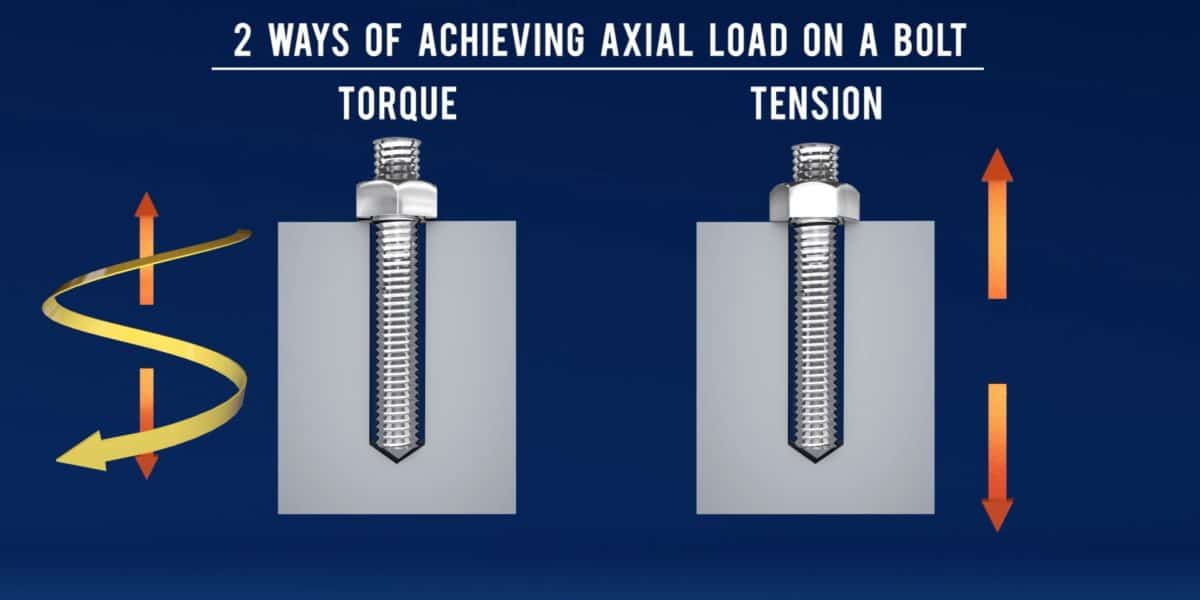
Credit: www.hextechnology.com
Frequently Asked Questions
What Is Fastener Torque And Why Is It Important?
Fastener torque is the twisting force applied to tighten a fastener. It ensures proper clamp load and prevents loosening. Correct torque improves joint strength, safety, and durability in assemblies.
How Is Fastener Torque Measured Accurately?
Fastener torque is measured using torque wrenches or torque sensors. These tools provide precise control of applied force, ensuring consistent and reliable fastening results in mechanical applications.
What Factors Affect The Correct Fastener Torque Value?
Material type, fastener size, thread condition, and lubrication affect torque values. Proper torque depends on these factors to avoid over-tightening or under-tightening, which can cause damage or failure.
Can Improper Fastener Torque Cause Mechanical Failures?
Yes, incorrect torque can lead to joint loosening, breakage, or fatigue failure. Proper torque application is critical to maintain structural integrity and avoid costly repairs or accidents.
Conclusion
Fastener torque controls how tight a bolt or screw is. Proper torque keeps parts safe and working well. Too much or too little torque can cause problems. Always use the right tools to measure torque. Understanding fastener torque helps avoid damage and accidents.
It ensures machines and structures stay strong. Simple steps can make a big difference in safety. Remember, correct torque means better performance and longer life.