Choosing the right size for your cabinet hardware might seem simple, but it can make a huge difference in how your cabinets look and feel. If your handles or knobs are too big or too small, they can throw off the entire style of your room.
You want hardware that fits perfectly, feels comfortable to use, and adds a touch of personality to your space. In this guide, you’ll learn exactly how to measure and pick the perfect size for your cabinet hardware—no guesswork, no frustration.
Keep reading, and you’ll discover easy tips that will help you transform your cabinets with confidence.

Credit: www.deancabinetry.com
Choosing The Right Hardware Size
Choosing the right hardware size is important for both function and style. The correct size makes your cabinets easy to use. It also looks balanced and neat. Picking the wrong size can make your cabinets hard to open or look awkward. This guide helps you find the best hardware size for your cabinets.
Measuring Your Cabinet Doors And Drawers
Start by measuring the width and height of your cabinet doors. Use a tape measure and write down the numbers. For drawers, measure the drawer front width and height. Measure the distance between screw holes on existing hardware if replacing. This is called the center-to-center measurement. Accurate measurements ensure the hardware fits perfectly.
Standard Hardware Sizes Explained
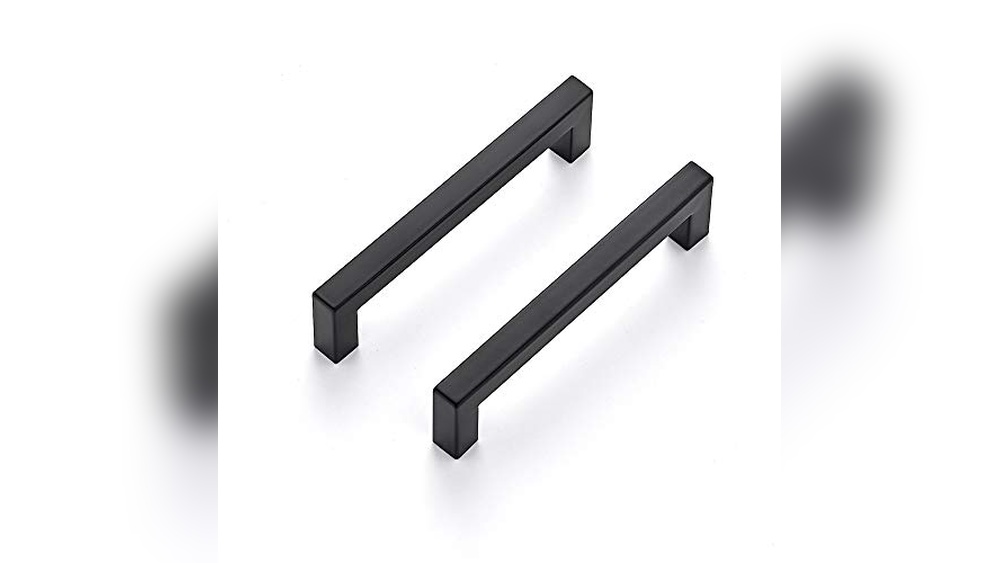
Cabinet hardware comes in common sizes. Pulls usually range from 3 to 12 inches in length. Knobs are mostly 1 to 2 inches wide. The center-to-center size on pulls is key. It is the distance between the screw holes. Choose a size that matches your cabinet’s scale. Larger cabinets need larger hardware. Small cabinets look better with smaller hardware.
Matching Hardware To Cabinet Style
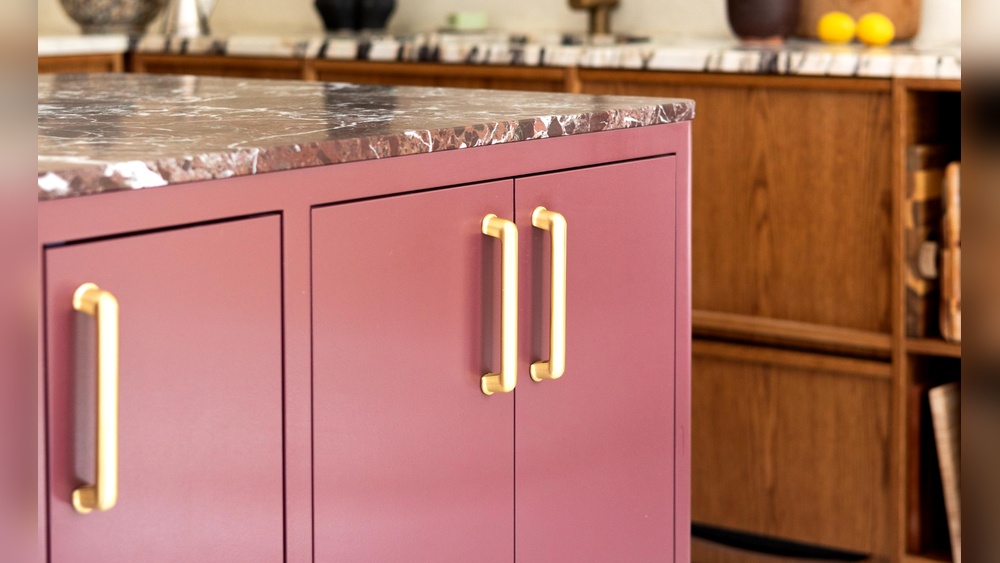
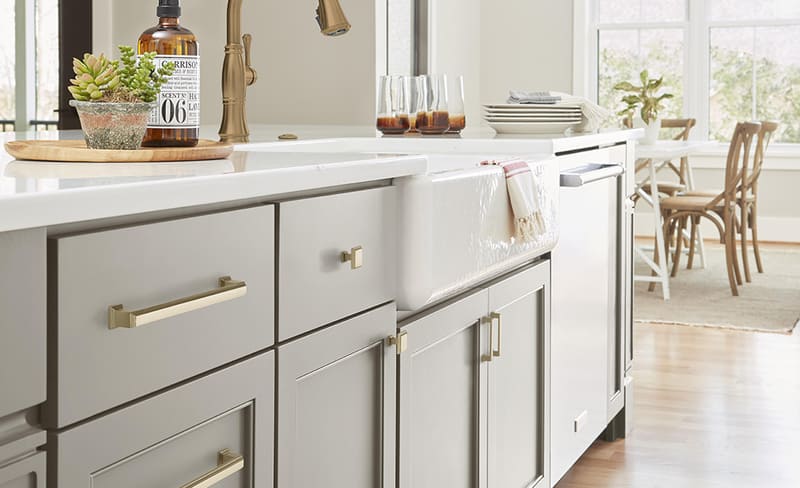
Hardware should match the style of your cabinets. Modern cabinets look good with sleek, simple pulls. Traditional cabinets pair well with ornate knobs or handles. Rustic styles fit well with chunky, textured hardware. Consider the cabinet color and material too. Hardware should complement, not clash. This creates a polished, cohesive look.
Credit: castacabinetry.com
Tools Needed For Accurate Measurement
Choosing the right size for your cabinet hardware depends on taking accurate measurements. The right tools make this job easy and precise. Without proper tools, measurements can be off, causing problems during installation. Using simple, reliable tools helps get the perfect fit every time.
Essential Measuring Tools
A tape measure is the most important tool for measuring cabinet hardware. It helps measure the distance between holes or the total length of handles. A ruler or a steel measuring tape can also work well for small parts. A caliper is useful for precise measurements of thickness and diameter. A pencil and paper help record measurements clearly. These tools ensure every dimension is exact before buying or installing hardware.
Tips For Precise Measurements
Measure twice to avoid mistakes. Always measure the center-to-center distance between screw holes. Use a flat surface to keep tools steady. Hold the tape measure or ruler tight to avoid slack. Write down each measurement immediately to prevent forgetting. Check measurements against the hardware’s specifications. Take your time and stay patient for the best results.
Common Cabinet Hardware Types
Choosing the right cabinet hardware affects both style and function. Different hardware types fit different cabinet designs and uses. Knowing the common types helps you pick the best size and shape.
Hardware must feel good to use and look right on your cabinets. Let’s explore the main types you will find in most kitchens and bathrooms.
Knobs Vs Pulls
Knobs are small and usually round or square. They attach with one screw. Knobs work well on drawers and smaller doors.
Pulls are longer and need two screws. They give a better grip for heavy doors or large drawers. Pulls come in many shapes like bars or handles.
Choosing knobs or pulls depends on cabinet size and user comfort. Pulls offer more space for fingers, but knobs add a simple touch.
Backplates And Escutcheons
Backplates are flat pieces behind knobs or pulls. They protect cabinet surfaces from wear and add style. Backplates come in different shapes and sizes.
Escutcheons cover keyholes but also serve as decorative plates. They match knobs or pulls to create a unified look.
These accessories help improve hardware fit and protect your cabinets. They add an extra layer of design and function.
Spacing And Placement Guidelines
Proper spacing and placement of cabinet hardware make a big difference. It helps your cabinets look balanced and neat. Correct hardware positioning also improves ease of use. Follow simple rules to place handles and knobs correctly.
Ideal Handle Height And Position
Place handles where your hand naturally rests. For upper cabinets, position handles near the bottom edge. For lower cabinets, place handles near the top edge. Keep handles about 2 to 3 inches from the cabinet edge. This makes opening and closing easy and comfortable.
Make sure handles sit at a consistent height across cabinets. Consistency creates a clean and organized look. Measure carefully before drilling holes to avoid mistakes.
Uniform Spacing For Drawers
Drawers need even spacing between hardware pieces. Measure the drawer width to place handles in the center. For double drawers, align handles vertically for balance. Use a ruler or tape measure to keep spacing uniform.
Equal spacing prevents a cluttered or uneven appearance. It also helps users find handles quickly. Take time to mark spots before attaching hardware. This small step ensures a professional finish.
Adjusting Hardware For Custom Cabinets
Adjusting hardware for custom cabinets needs care and precision. Custom cabinets often have unique shapes and sizes. Standard hardware may not fit perfectly. You must adapt the hardware to ensure it works well and looks good. This process keeps your cabinets functional and stylish.
Dealing With Unusual Sizes
Custom cabinets may have odd dimensions or thick doors. Standard knobs and pulls might be too small or too large. Measure the space carefully before choosing hardware. Look for pieces that match the size of your cabinet doors and drawers. Sometimes, you need special hardware made for your custom size. Small changes in size make a big difference in use and appearance.
Custom Drilling Techniques
Drilling holes for hardware on custom cabinets requires skill. Cabinet material thickness can vary, needing different drill bits. Mark exact spots for holes using a pencil and ruler. Use a drill guide to keep holes straight and even. Drill slowly to avoid damage or splintering. Proper drilling ensures your hardware fits securely and works smoothly.

Credit: www.dekkorinc.com
Tips For Matching Hardware Across Rooms
Choosing cabinet hardware that fits well across rooms helps create a smooth look. Matching hardware ties rooms together and improves your home’s style. Small details matter for a neat, balanced feel.
Here are tips to pick the right hardware for different rooms. This will keep your home’s design clear and connected.
Coordinating Styles And Finishes
Pick hardware styles that share similar shapes or details. For example, choose round knobs or straight handles for all rooms. This creates a gentle flow from one room to another.
Match finishes like brushed nickel, bronze, or chrome across rooms. Consistent finishes make your home look planned and tidy. Avoid mixing shiny and matte finishes in close spaces.
Maintaining Consistency
Keep hardware size similar in all rooms to avoid clashing looks. Use the same knob or pull size for kitchen and bathroom cabinets. Consistent sizes make spaces feel connected and balanced.
Repeat hardware patterns or shapes to build a rhythm. This helps your home feel calm and easy to live in. Small repeats in hardware can tie rooms neatly together.
Avoiding Common Hardware Sizing Mistakes
Choosing the right size for cabinet hardware can be tricky. Many people make common mistakes that affect both function and style. Avoiding these errors helps your cabinets look better and work well for years.
Overlooking Door Thickness
Door thickness is key to picking the right hardware. Handles or knobs that are too long can poke through thin doors. This causes damage and looks bad. Always measure your door thickness before buying hardware. Match screws and handles to the door’s depth. This ensures a secure fit and smooth use.
Ignoring Handle Proportions
Handle size should fit the cabinet door size. Small handles on large doors look odd and feel awkward. Large handles on small doors can be too heavy and overwhelming. Keep proportions balanced for a neat, polished look. Try to picture how the handle fits your cabinet’s style and size.
Frequently Asked Questions
What Is The Standard Size For Cabinet Hardware?
Standard cabinet hardware sizes range from 3 to 5 inches center-to-center. Choose sizes based on cabinet dimensions and design style for optimal look and function.
How To Measure Cabinet Hardware Correctly?
Measure the center-to-center distance between screw holes on your cabinet door or drawer. This ensures you buy hardware that fits perfectly without drilling new holes.
Does Cabinet Hardware Size Affect Usability?
Yes, larger hardware offers better grip and usability, especially on bigger cabinets. Smaller hardware suits compact spaces and delicate designs for balanced aesthetics.
Can I Mix Different Hardware Sizes In One Kitchen?
Mixing sizes is possible but should be done thoughtfully. Use larger pulls on drawers and smaller knobs on doors for functional and visual harmony.
Conclusion
Choosing the right size for your cabinet hardware makes a big difference. It helps your cabinets look balanced and feel comfortable to use. Small details like handle length and knob size matter a lot. Think about the style and size of your cabinets before buying.
Measure carefully to avoid mistakes. The right hardware adds charm and function to your space. Take your time and choose wisely. Your cabinets will look great and work better with the perfect hardware size. Simple steps lead to smart choices.