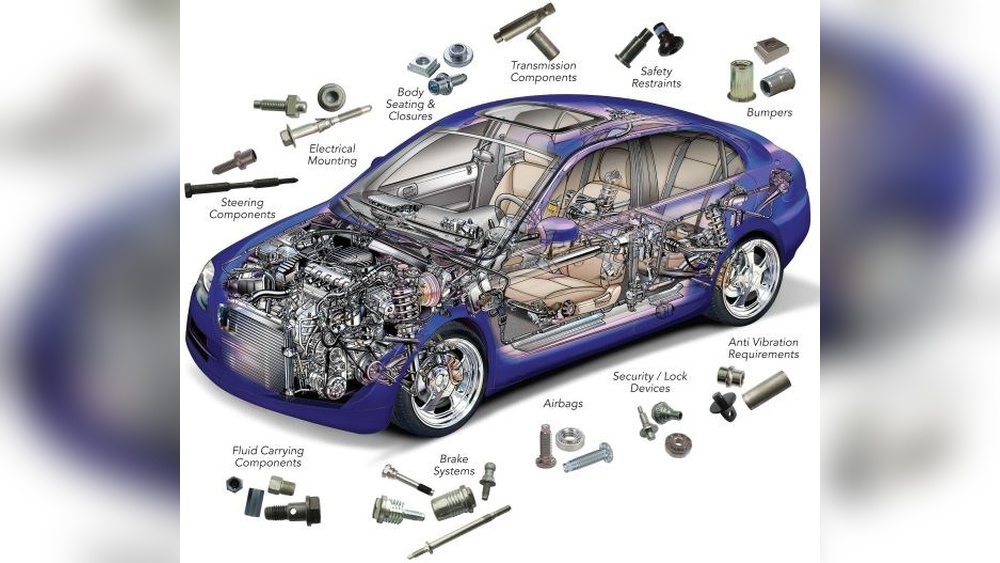
Have you ever wondered what keeps machines, buildings, and gadgets firmly held together? The secret lies in something small but incredibly important—fasteners.
If you’re curious about what a fastener in engineering really is and why it matters so much, you’re in the right place. Understanding fasteners will not only boost your knowledge but also help you appreciate the strength and stability behind everyday objects you use.
Keep reading, and you’ll discover how these tiny components play a massive role in the world around you.
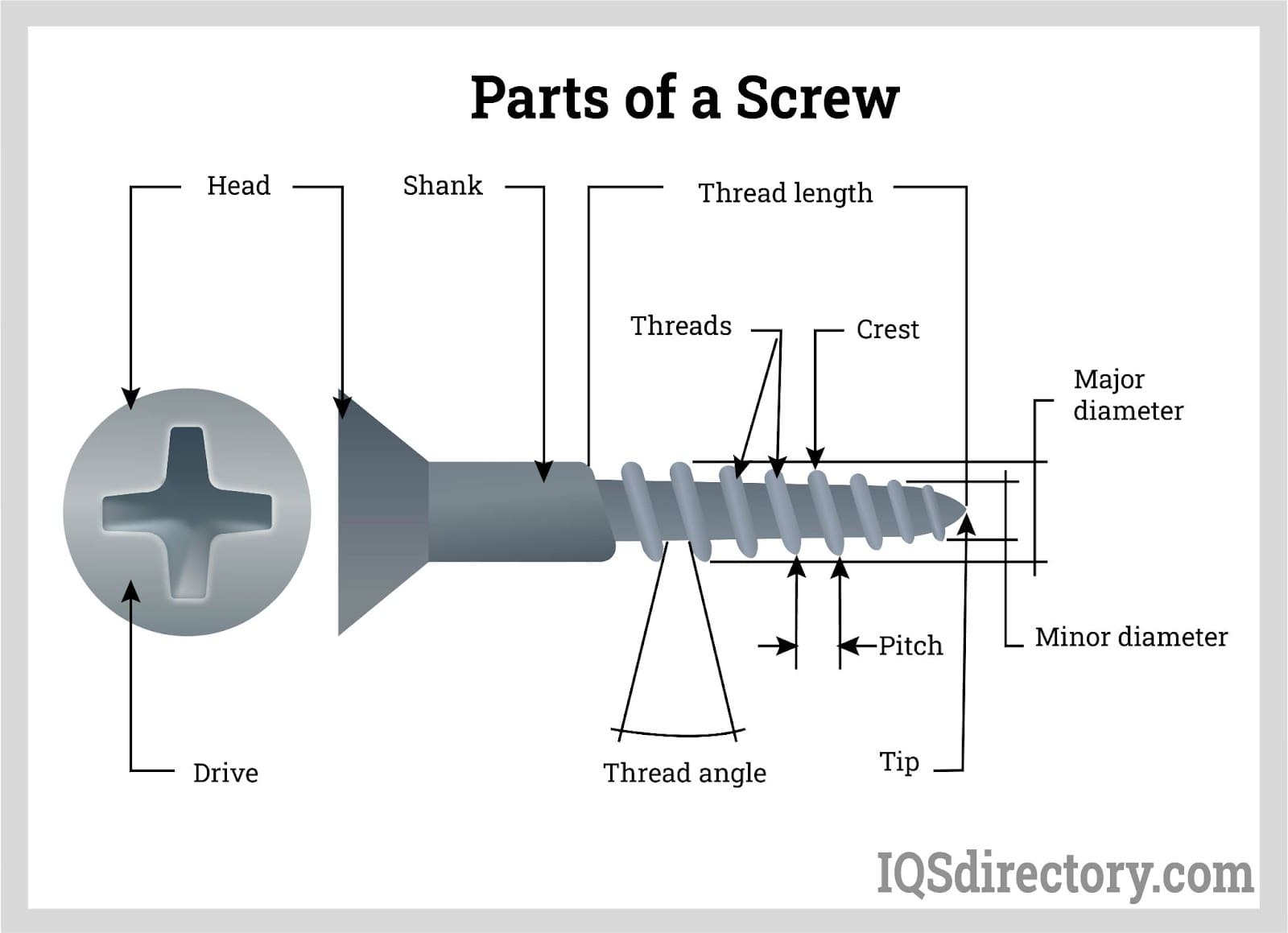
Credit: www.iqsdirectory.com
Fastener Basics
A fastener is a small but vital part in engineering. It holds objects together tightly. Without fasteners, machines and structures would fall apart. They come in many shapes and sizes. Each type serves a different purpose. Understanding fastener basics helps in choosing the right one for any job.
Types Of Fasteners
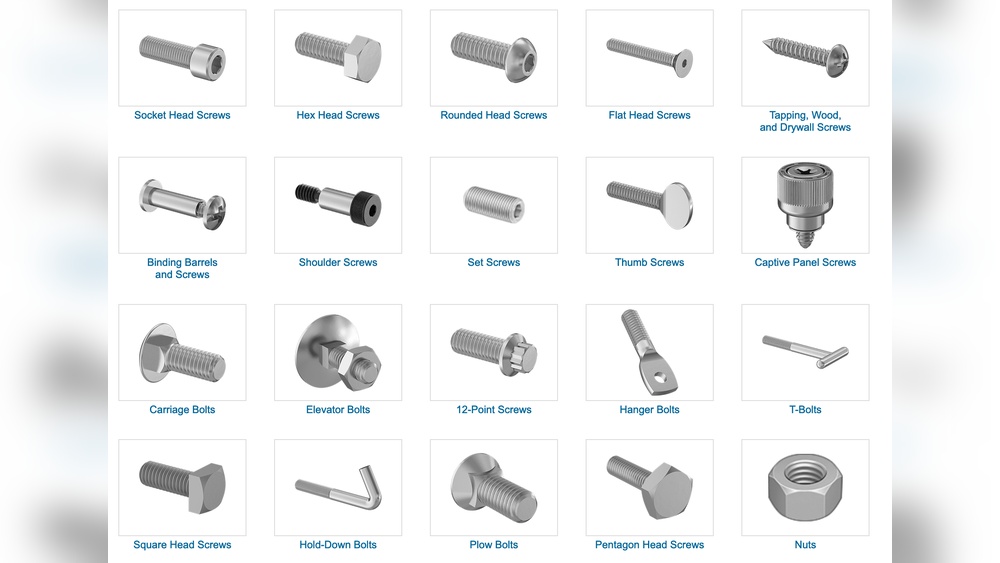
There are many types of fasteners. Bolts and screws are the most common. Nails and rivets also join materials. Clips and clamps hold parts without damage. Each type fits specific tasks and materials. Choosing the correct fastener ensures strong and safe connections.
Common Materials Used
Fasteners come in different materials. Steel is popular for strength and durability. Stainless steel resists rust and corrosion. Aluminum is light and good for soft materials. Plastic fasteners work where metal might cause problems. Material choice depends on use and environment.
How Fasteners Work
Fasteners hold parts by creating pressure. Screws use threads to pull pieces together. Bolts work with nuts to lock tightly. Nails rely on friction inside the material. Rivets expand to fill holes and lock parts. Proper fastening stops movement and prevents damage.
Popular Fastener Types
Fasteners hold parts together in engineering projects. They come in many types, each serving a special role. Knowing popular fastener types helps choose the right one for your task. Here are some common fasteners used every day.
Bolts And Screws
Bolts and screws join parts by threading into materials. Bolts need nuts to secure them tightly. Screws often go directly into wood or metal. Both provide strong, removable connections. They come in many sizes and shapes to fit different needs.
Nuts And Washers
Nuts fit on bolts to lock parts in place. They screw onto the bolt’s threads to hold pieces tight. Washers sit between the nut and material. They spread pressure and protect surfaces from damage. Both nuts and washers improve fastener strength and durability.
Rivets And Pins
Rivets fasten parts permanently. They work by deforming the end after insertion. Pins hold parts together but allow some movement. They are easy to insert and remove. Rivets and pins suit applications where bolts and screws don’t fit well.
Choosing The Right Fastener
Choosing the right fastener is key to successful engineering projects. The correct fastener ensures safety, strength, and durability. Many factors affect this choice. Understanding these factors helps select the best fastener for each job.
Load And Strength Considerations
Fasteners must handle the forces they face. Different jobs need different strengths. Tensile strength shows how much pulling force a fastener can take. Shear strength measures its ability to resist sliding forces. Choose a fastener with enough strength for the load.
Overloading a weak fastener causes failure. This can lead to accidents and damage. Always check the load requirements before deciding.
Environmental Factors
Fasteners work in many environments. Some face moisture, heat, or chemicals. Rust and corrosion can weaken fasteners over time. Stainless steel or coated fasteners resist rust well.
Consider temperature too. High heat can change fastener properties. Cold can make metals brittle. Match fastener material to the environment for longer life.
Application-specific Needs
Different projects need special fasteners. Electronics require small, precise fasteners. Heavy machinery needs large, strong ones. Some fasteners must be easy to remove. Others must stay fixed forever.
Think about vibration, movement, and assembly speed. Choose fasteners that fit the task and tools used. This saves time and prevents problems later.

Credit: www.engineeringexpress.com
Installation Techniques
Installation techniques for fasteners play a crucial role in engineering. Proper installation ensures strength and safety. It also extends the life of the joint. Understanding these techniques helps avoid failures and costly repairs.
Tools And Equipment
Choosing the right tools is essential. Common tools include screwdrivers, wrenches, and torque drivers. Power tools may speed up the job but require careful control. Specialized equipment like impact drivers may be needed for heavy-duty fasteners. Always use tools that fit the fastener size and type.
Proper Tightening Methods
Tightening fasteners correctly prevents damage and loosening. Use a torque wrench to apply the right force. Over-tightening can strip threads or break the fastener. Under-tightening may cause the joint to fail. Follow manufacturer guidelines for torque values. Tighten bolts in a cross pattern for even pressure.
Avoiding Common Mistakes
Skipping steps leads to weak joints. Avoid using worn or damaged tools. Never mix different fastener materials to prevent corrosion. Clean threads before installation to improve grip. Do not reuse single-use fasteners. Always check alignment before tightening to avoid stress.
Fastener Maintenance
Fastener maintenance is essential to keep machines and structures safe. Fasteners hold parts together. If they fail, it can cause serious problems. Regular care helps extend their life and avoid accidents. Simple checks can spot issues early. Proper cleaning stops damage from spreading. Knowing when to replace fasteners saves time and money.
Inspection Tips
Check fasteners regularly for signs of wear or damage. Look for cracks, bends, or rust. Tighten any loose fasteners carefully. Use the right tools to avoid stripping heads. Inspect threads for dirt or corrosion. Clean fasteners before checking to see issues clearly. Note any unusual movement or noise in the connected parts.
Preventing Corrosion
Keep fasteners dry and clean to stop rust. Apply protective coatings like paint or grease. Use stainless steel or coated fasteners in wet areas. Store spare fasteners in a dry place. Avoid mixing metals to reduce corrosion risk. Remove salt or chemicals quickly from fasteners. Regular cleaning prevents buildup that causes rust.
When To Replace Fasteners
Replace fasteners if they show cracks or deep rust. Bent or stripped fasteners cannot hold parts safely. Change fasteners after heavy impact or stress. Use new fasteners if tightening does not hold. Old fasteners lose strength over time. Replace fasteners during major repairs or upgrades. Always use the correct size and type of fastener.
Innovations In Fasteners
Fasteners have changed a lot over the years. New ideas and technologies improve how they work. These changes help engineers build stronger and safer products. Innovations in fasteners make them more useful and efficient in many fields.
Advanced Materials
New materials make fasteners stronger and lighter. Metals like titanium and alloys resist rust and wear. Some fasteners use plastics that handle heat well. These materials last longer and reduce maintenance.
Smart Fastening Solutions
Smart fasteners have sensors to check tightness and stress. They send data to computers for real-time monitoring. This helps prevent failures before they happen. Engineers can fix problems early and save time.
Sustainable Fasteners
Sustainability is key in modern fasteners. Recyclable materials reduce waste and pollution. Some fasteners are designed to be reused many times. This supports green building and eco-friendly projects.

Credit: en.wikipedia.org
Frequently Asked Questions
What Is A Fastener In Engineering?
A fastener is a hardware device used to join two or more objects securely. Common types include screws, bolts, and nuts. Fasteners provide mechanical strength and stability in structures and machines. They are essential for assembly and maintenance in engineering projects.
Why Are Fasteners Important In Engineering?
Fasteners ensure components stay connected under stress and load. They allow easy assembly and disassembly for repairs. Without fasteners, structures would lack stability and safety. They are critical for durability and performance in engineering designs.
What Are Common Types Of Fasteners Used?
The most common fasteners are screws, bolts, nuts, washers, and rivets. Each type serves specific functions depending on the application. Screws and bolts create strong joints, while washers distribute pressure evenly. Rivets provide permanent fastening in some structures.
How Do Engineers Select The Right Fastener?
Engineers consider material, load, environment, and assembly method when choosing fasteners. The selection depends on strength requirements, corrosion resistance, and ease of installation. Proper fastener choice enhances safety and longevity of the engineering product.
Conclusion
Fasteners play a key role in engineering projects. They hold parts firmly and ensure safety. Different types serve different needs and materials. Choosing the right fastener improves strength and durability. Understanding fasteners helps in making better designs. Small pieces, big impact.
Always consider fasteners early in your work. They keep structures steady and reliable. Simple, yet essential.