If you have a G tube in place, you might wonder how to safely remove the T-fasteners holding it. Removing these fasteners can feel tricky and even a little scary, but with the right steps, you can do it confidently and comfortably.
This guide will walk you through exactly what you need to know, so you can take control of your care without stress. Keep reading to learn how to remove your G tube T-fasteners safely and easily.

Credit: www.nm.org
What Are G Tube T-fasteners
G Tube T-Fasteners play an important role in securing feeding tubes. They keep the gastrostomy tube in place. This helps prevent the tube from moving or falling out.
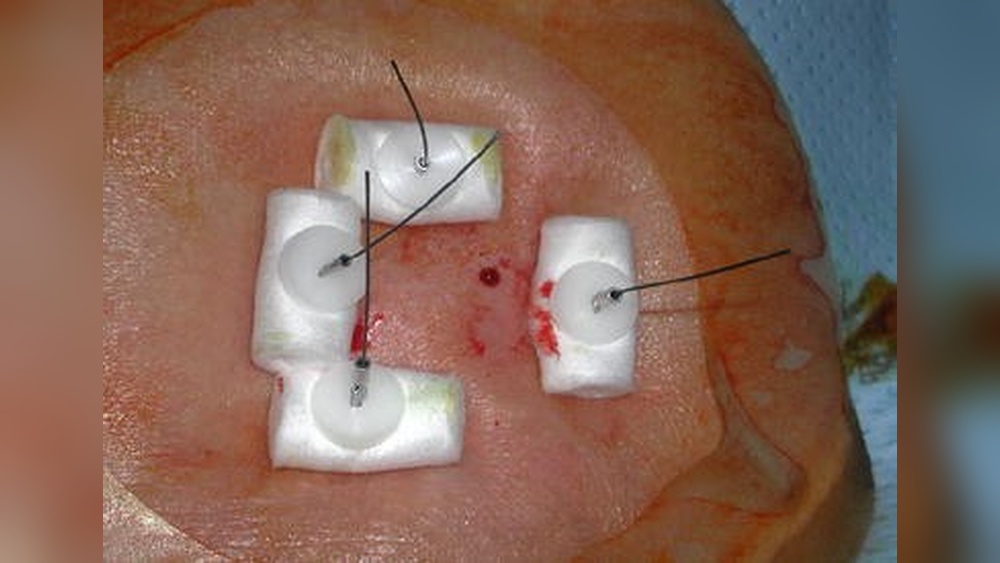
These fasteners are small devices shaped like the letter “T”. They attach inside the stomach wall. The external part stays outside the body for easy access.
What Are G Tube T-fasteners Made Of?
G Tube T-Fasteners are usually made from soft, flexible materials. Commonly, medical-grade nylon or silicone is used. These materials reduce discomfort and avoid skin irritation.
How Do G Tube T-fasteners Work?
The “T” shape anchors the fastener inside the stomach. It stops the tube from pulling out. The external end allows easy removal when needed.
Why Are G Tube T-fasteners Used?
They secure the feeding tube during healing after surgery. They help keep the tube stable. This lowers the risk of infection and leaks.
How Long Do G Tube T-fasteners Stay In?
T-Fasteners usually stay in place for 1 to 2 weeks. After healing, they can be safely removed. The body then holds the tube securely on its own.
When To Remove T-fasteners
Knowing when to remove G Tube T-Fasteners is important for safe care. These fasteners hold the feeding tube in place after surgery. Removing them too soon or too late can cause problems.
Doctors decide the best time to take out the T-Fasteners. This depends on how well the body is healing and the type of surgery performed.
Signs Healing Has Progressed Enough
The skin around the tube should look healthy and closed. No swelling, redness, or pain should be present. The area needs to be strong to avoid leaks or infections.
Typical Time Frame For Removal
T-Fasteners usually stay in for 7 to 14 days. This period helps the new tract form between the stomach and skin. Your doctor will check to confirm the right time.
Risks Of Early Removal
Removing fasteners too early can cause the tube to shift. It may lead to leakage of stomach fluids. This can cause infection or delay healing.
When To Contact A Doctor
Report pain, swelling, or unusual discharge at the site. If the fasteners loosen or fall out, get medical advice quickly. These signs mean the healing may not be complete.
Tools Needed For Removal
Removing G Tube T-fasteners requires specific tools to ensure safety and ease. Using the right tools helps avoid damage and reduces discomfort. Preparation is key for a smooth removal process.
Scalpel Or Small Scissors
A scalpel or small scissors cut the fastener threads cleanly. They must be sharp and sterile to prevent infection. Handle carefully to avoid injury.
Forceps Or Tweezers
Forceps or tweezers grip the fastener securely. They help pull out the fasteners gently without breaking them. Choose a pair with a good grip.
Gauze Pads
Gauze pads control bleeding and clean the area after removal. Use sterile gauze to maintain hygiene. Keep several pads ready for use.
Antiseptic Solution
Antiseptic cleans the skin before and after removing the fasteners. It lowers infection risk. Use a gentle, skin-safe antiseptic.
Gloves
Wear disposable gloves for hygiene and protection. Gloves protect both the patient and the person removing fasteners. Change gloves if they get contaminated.

Credit: journals.sagepub.com
Step-by-step Removal Process
Removing G Tube T-Fasteners requires care and patience. The process has clear steps to avoid pain or injury. Follow each step slowly. This helps ensure safety and comfort. Understanding the removal process reduces fear and confusion.
Prepare The Area
Clean the skin around the tube with warm water. Use mild soap to remove dirt and oils. Dry the area gently with a clean towel. Have sterile gloves ready to wear. Prepare all tools needed for removal. Sit in a well-lit, comfortable spot. Make sure the patient is calm and relaxed.
Loosen The Sutures
Use small scissors or a suture remover tool. Cut the sutures holding the T-fasteners carefully. Avoid pulling or tugging on the skin. Work slowly to prevent sudden movements. Remove all stitches around the T-fasteners. Keep the area clean during this step.
Gently Pull Out T-fasteners
Hold the base of the T-fastener firmly. Pull it out slowly and straight. Stop if there is pain or resistance. Use steady, gentle force to avoid damage. Place each removed fastener on a clean surface. Dispose of the fasteners safely after removal.
Check For Bleeding Or Discomfort
Look at the removal site closely. Check for bleeding, redness, or swelling. Apply gentle pressure with sterile gauze if bleeding occurs. Watch for signs of discomfort or pain. Contact a healthcare provider if issues persist. Keep the site clean and dry after removal.
Tips For Minimizing Pain
Removing G Tube T-fasteners can cause discomfort. Taking steps to reduce pain helps the process go smoothly. Simple tips can make a big difference. These tips focus on calming the area and easing tension.
Prepare The Skin Properly
Clean the skin around the T-fasteners with warm water. Avoid harsh soaps that can irritate the skin. Pat the area dry gently with a soft cloth. This helps reduce pain and lowers infection risk.
Use A Numbing Agent
Apply a topical numbing cream before removal. Let it sit for the time recommended on the package. This decreases pain and makes the process less stressful. Always follow the instructions carefully for safety.
Remove Slowly And Steadily
Pull the T-fasteners out slowly. Quick or jerky movements can increase pain. Steady removal helps the skin adjust and reduces discomfort. Take breaks if the pain becomes too strong.
Ask For Help
Have a trained caregiver assist you. They can provide support and reassurance. Their experience can make removal safer and less painful. Never try to remove T-fasteners alone if unsure.
Keep The Area Cool After Removal
Apply a cool compress to the area after removal. This helps reduce swelling and soothes pain. Use the compress for short periods to avoid skin damage. Repeat as needed to stay comfortable.

Credit: www.youtube.com
Signs Of Complications
Removing G Tube T-fasteners requires careful attention to signs of complications. Noticing these signs early helps prevent serious problems. Watch for changes in the skin, pain levels, and overall healing. Do not ignore any unusual symptoms during the removal process.
Redness And Swelling Around The Site
Redness and swelling can signal infection or irritation. The skin may look bright red or feel warm. Swelling can cause discomfort and tightness. These signs need prompt care to avoid worsening issues.
Unusual Pain Or Tenderness
Sharp or increasing pain is not normal. Mild discomfort is common, but strong pain means a problem. Tenderness beyond the usual spot shows irritation or injury. Pain that lasts or gets worse should be checked immediately.
Discharge Or Bleeding
Clear or cloudy fluid leaking from the site can mean infection. Blood stains or heavy bleeding are red flags. Watch for pus or foul smells. These symptoms require medical attention without delay.
Fever Or Feeling Unwell
Fever can indicate the body fights infection. Feeling weak or sick is another warning sign. These symptoms suggest that complications affect the whole body. Seek help to ensure safe recovery.
Aftercare Following Removal
After removing G Tube T-Fasteners, proper care is very important. The site must heal well to prevent infection and other problems. Follow clear steps to care for the area.
Cleaning The Site
Keep the area clean and dry. Use mild soap and water to wash gently once a day. Avoid rubbing hard or using strong chemicals. Pat the site dry with a clean towel.
Do not apply creams or ointments unless your doctor advises it. Clean hands before touching the site. This reduces infection risk.
Monitoring Healing
Check the site daily for redness, swelling, or discharge. A little scab or crust is normal. Watch for any changes in color or pain.
Healing usually takes a few days. The skin should close up and feel less tender. Keep the area uncovered unless advised otherwise.
When To Contact A Doctor
Contact your doctor if you see heavy redness or swelling. Pus or bad smell from the site needs medical attention. Also, call if pain increases or fever starts.
Any bleeding that does not stop after gentle pressure is a warning sign. Do not wait too long to seek help. Early care prevents bigger problems.
Frequently Asked Questions
What Are G Tube T-fasteners?
G Tube T-Fasteners secure a gastrostomy tube to the stomach wall. They prevent tube movement and reduce infection risk during healing.
When Should G Tube T-fasteners Be Removed?
T-Fasteners are typically removed 7-14 days after gastrostomy tube placement. Removal timing depends on healing progress and medical advice.
How To Safely Remove G Tube T-fasteners?
To remove T-Fasteners, gently pull each fastener out with sterile forceps. Clean the site afterward and monitor for infection signs.
Are There Risks In Removing G Tube T-fasteners?
Risks include minor bleeding or discomfort. Proper technique and hygiene minimize complications during T-Fastener removal.
Conclusion
Removing G Tube T-Fasteners takes care and patience. Follow the steps slowly and gently. Clean hands and tools help prevent infection. Watch for signs of discomfort or problems. Ask a healthcare provider if unsure or worried. Proper removal helps healing and comfort.
Stay calm and take breaks if needed. Your safety and health come first. This guide makes the process clear and simple.