Have you ever wondered what pin fasteners look like and how they work? If you’ve struggled to identify these tiny but important items, you’re not alone.
Pin fasteners come in various shapes and sizes, and knowing exactly what to look for can save you time and frustration. You’ll discover clear descriptions and images that make spotting pin fasteners easy. By the end, you’ll feel confident recognizing these handy tools whenever you need them.
Keep reading to unlock the simple secrets behind pin fasteners!
Credit: www.etsy.com
Common Pin Fastener Types
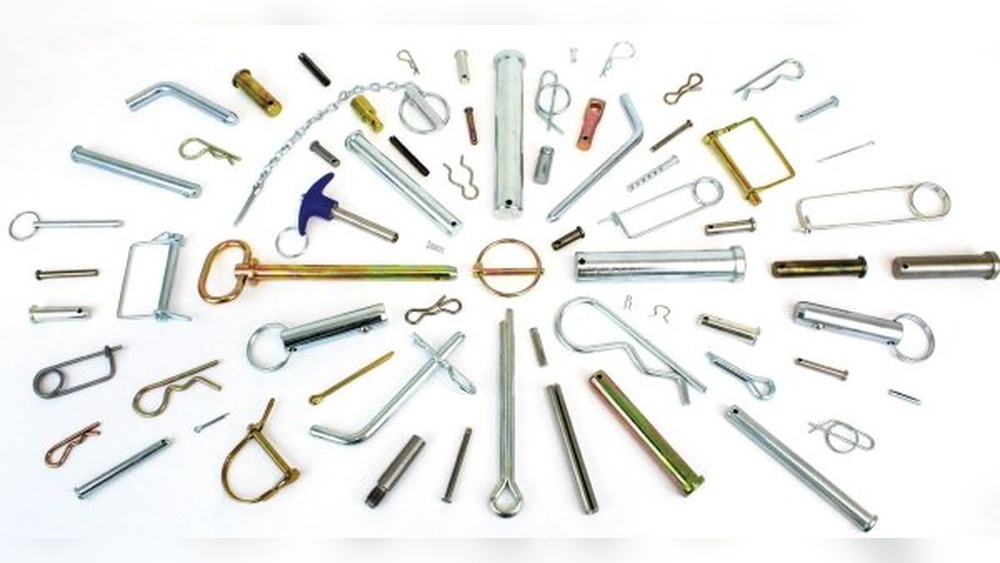
Pin fasteners come in many shapes and sizes. Each type serves a unique purpose and fits different needs. Understanding common pin fastener types helps in choosing the right one for your project.
These pins are simple but strong. They hold parts together securely. Below are some of the most common pin fasteners you will find.
Cotter Pins
Cotter pins are metal pins with two prongs. They bend apart to lock in place. They often secure bolts or nuts. Their simple design makes them easy to use and remove.
Split Pins
Split pins look like thin metal rods split into two legs. The legs spread out after insertion. This spreading keeps the pin from slipping out. They are common in machinery and automotive parts.
Hairpin Clips
Hairpin clips are shaped like a hairpin or a staple. They clip around a shaft or rod. Their springy design holds parts tightly. They are easy to install and remove without tools.
R-clip Pins
R-clip pins have a straight leg and a curved leg. The curved leg resembles the letter “R.” They snap into place on a shaft. These pins hold parts firmly but allow quick removal.
Safety Pins
Safety pins have a clasp and a sharp point. The clasp covers the point for safety. They are often used for fabric or light-duty fastening. Their design prevents accidental opening or injury.
Materials Used In Pin Fasteners
Pin fasteners come in many materials. Each material suits different needs. Choosing the right material ensures strength and durability. It also affects how the pin looks and performs. Below, we explore common materials used in pin fasteners.
Steel Pins
Steel pins are strong and affordable. They hold items tightly in place. These pins resist bending under pressure. Steel is a popular choice for everyday use. It offers good durability for many tasks.
Stainless Steel Variants
Stainless steel pins resist rust and corrosion. They last longer in wet or humid places. These pins keep their shine over time. Stainless steel is perfect for outdoor or marine use. It combines strength with good weather resistance.
Brass And Copper Pins
Brass and copper pins have a warm, golden look. They resist rust naturally. These pins often appear in decorative or vintage items. Brass and copper are softer than steel. They work well where appearance matters.
Plastic And Composite Options
Plastic pins are lightweight and rust-free. They come in many colors and shapes. Composite pins mix plastic with fibers for more strength. These pins suit light tasks or where metal is not allowed. Plastic options offer flexibility and safety in use.
Shape And Design Features
Pin fasteners come in various shapes and designs to suit different needs. Their form affects how well they hold materials together. Understanding these features helps you choose the right pin for your project. Below are key design aspects to consider.
Straight Vs Curved Pins
Straight pins have a simple, linear shape. They are easy to insert and remove. Curved pins bend slightly to fit around corners or curves. This shape adds extra grip and prevents slipping. Each type works best for specific tasks.
Headed Vs Headless Pins
Headed pins have a small top or head. This makes them easy to handle and prevents pins from slipping all the way through. Headless pins lack a head, allowing them to lie flat. They are useful for precise, flush fastening.
Coated And Plated Finishes
Pin fasteners often have coatings or plating. These finishes protect against rust and wear. Common options include zinc, nickel, and black oxide. Coatings also improve pin strength and durability for longer use.

Credit: www.essentracomponents.com
Size And Length Variations
Pin fasteners come in many sizes and lengths. These variations help them fit different materials and uses. Choosing the right size ensures a strong hold and proper function. Below, we explore common size and length options you can find.
Standard Sizes
Standard pin fasteners usually range from 1 inch to 4 inches long. This size fits most everyday tasks and materials. The length depends on what the fastener needs to hold. Standard sizes work well for general repairs and crafts.
Custom Lengths
Some projects need pin fasteners longer or shorter than standard sizes. Custom lengths are available to meet special needs. These fasteners ensure a perfect fit for unique materials. Custom sizes prevent damage and improve the joint’s strength.
Diameter Differences
Pin fasteners also vary in diameter or thickness. Smaller diameters suit delicate materials without causing cracks. Thicker pins provide extra support for heavy or thick objects. Choosing the right diameter keeps materials safe and secure.
Common Uses For Each Pin Type
Pin fasteners come in many types, each designed for specific tasks. Knowing their common uses helps choose the right pin for the job. Different pins suit various fields like industry, cars, home projects, and crafts. Each type offers unique benefits and fits certain needs perfectly.
Industrial Applications
Industrial work often uses heavy-duty pins. Clevis pins and cotter pins hold machine parts together. They secure moving parts safely and allow easy removal. Spring pins absorb shocks in heavy machines. This helps prevent damage and keeps machines running smoothly.
Automotive Uses
Cars use pins to hold components firmly in place. Hitch pins secure trailers to vehicles. Dowel pins align engine parts during assembly. Hairpin cotters keep wheels and axles from slipping. These pins help maintain safety and performance on the road.
Diy And Household Projects
DIY enthusiasts use pins for quick fixes and crafts. Safety pins attach fabric or hold small items temporarily. Upholstery pins help secure fabric tightly to furniture. These pins are easy to use and remove, making home tasks simpler and faster.
Crafts And Fashion
Fashion designers rely on decorative pins to hold designs. Brooch pins add style and secure clothing pieces. Hat pins keep hats in place during wear. These pins combine function with aesthetic appeal for creative projects.
Tips For Identifying Pin Fasteners
Identifying pin fasteners can be simple with the right approach. Recognizing their features helps in selecting the correct type for your project. Use clear methods to check their shape, size, and material.
Below are easy tips to spot pin fasteners quickly and accurately.
Visual Inspection Techniques
Start by looking closely at the pin fastener. Check its head shape, length, and tip style. Most pins have a small round or flat head. The body is usually straight and smooth. Notice any grooves or ridges along the pin shaft.
Compare the pin to pictures or samples if possible. A good light source helps see details better. Look for signs of wear or damage that might change the pin’s look.
Using Measurement Tools
Measure the pin fastener’s length and diameter with a ruler or caliper. Accurate size helps confirm the pin type. Note the thickness of the pin shaft and the size of the head. Pin fasteners often have standard sizes to fit specific uses.
Mark measurements carefully to avoid mistakes. Use tools that fit the pin size for best results. Repeat measurements for accuracy.
Checking Material Characteristics
Feel the pin fastener to guess its material. Most pins are made of steel, stainless steel, or brass. Steel pins are heavy and cold to touch. Brass pins have a yellowish color and feel lighter. Stainless steel pins resist rust and have a shiny surface.
Check for any coatings or finishes. Some pins have a zinc or nickel coating. This layer protects against corrosion and changes the pin’s look slightly.

Credit: www.ebay.com
Frequently Asked Questions
What Do Pin Fasteners Typically Look Like?
Pin fasteners usually resemble small metal pins with a sharp point. They often have a head or clasp for securing items together. Their design varies slightly depending on use but generally includes a slender body for easy insertion.
How Can I Identify Different Types Of Pin Fasteners?
Different pin fasteners vary by shape, size, and clasp mechanism. Common types include safety pins, cotter pins, and split pins. Each has unique features, like loops or bends, helping you identify them quickly.
Are Pin Fasteners Visible After Installation?
Most pin fasteners are partially visible after installation. The head or clasp usually remains exposed for easy removal or adjustment. However, some designs embed the pin fully, depending on the application.
What Materials Are Pin Fasteners Made From?
Pin fasteners are commonly made from steel, stainless steel, brass, or plastic. Metal pins offer durability and strength, while plastic pins are lightweight and corrosion-resistant, suitable for specific uses.
Conclusion
Pin fasteners come in many shapes and sizes. They usually have a sharp point and a head for holding. Some look like small clips, while others have a round or flat top. These fasteners help join materials tightly and securely.
Knowing what they look like makes choosing the right one easier. Next time you see a pin fastener, you will recognize it quickly. Simple tools, yet very useful in many jobs.