When you’re working on a project, the right fasteners can make all the difference. Whether you’re fixing something around the house or building from scratch, knowing how to use fasteners correctly saves you time and frustration.
You might think it’s simple, but using the wrong fastener or installing it the wrong way can lead to weak joints, damage, or even safety issues. This guide will show you exactly how to choose and use fasteners so your work stays strong and lasts longer.
Keep reading, and you’ll master the basics that professionals rely on every day.

Credit: www.amazon.com
Choosing The Right Fastener
Choosing the right fastener matters a lot for your project’s success. It affects strength, durability, and safety. Picking the wrong fastener can cause problems like loosening or damage. Knowing the types, materials, and how to match them is key. Let’s explore these points step by step.
Types Of Fasteners
Fasteners come in many shapes and sizes. Screws, nails, bolts, and rivets are common types. Each type serves a different purpose. Screws hold materials tightly with threads. Nails are quick to install but hold less. Bolts need nuts for strong connections. Rivets create permanent joints. Choose based on how strong and lasting you want the hold.
Materials And Coatings
Fasteners are made from steel, stainless steel, brass, and more. Steel is strong but can rust. Stainless steel resists rust and works outdoors. Brass looks nice and suits light jobs. Some fasteners have coatings like zinc or chrome. Coatings protect against rust and wear. Pick materials that suit your work environment and weather.
Matching Fasteners To Projects
Match fasteners to the material and task. Wood needs wood screws or nails. Metal parts often use bolts or machine screws. Drywall requires special drywall screws. Consider weight and stress on the joint. For outdoor work, use rust-resistant fasteners. Think about how long the fastener must last. Proper matching prevents failures and keeps work strong.

Credit: m.made-in-china.com
Preparing Surfaces For Fastening
Preparing surfaces for fastening is essential for a strong and lasting hold. Clean and smooth surfaces help fasteners grip better. Proper preparation prevents damage and ensures the joint stays secure over time.
Cleaning And Drying
Remove dirt, dust, oil, and rust from the surface. Use a brush or cloth for cleaning. Wipe the area with a dry cloth to remove moisture. Dry surfaces prevent slipping and improve fastener grip.
Pre-drilling And Countersinking
Pre-drill holes to guide fasteners and avoid splitting. Use a drill bit slightly smaller than the fastener. Countersink holes to make fastener heads flush with the surface. This gives a neat finish and reduces stress on the material.
Surface Treatments
Apply coatings like primers or rust inhibitors to protect the surface. Treatments increase durability and prevent corrosion. Some surfaces may need light sanding to improve adhesion. Proper surface treatment extends the life of the fastening.
Techniques For Strong Bonds
Creating strong bonds with fasteners is essential for safe and lasting connections. Proper techniques help prevent loosening and damage. Using the right methods ensures your project stays secure over time.
Proper Alignment And Positioning
Align parts carefully before fastening. Misalignment weakens the joint and causes stress. Position fasteners straight to avoid bending or stripping. Check each piece fits well to create even pressure.
Applying Correct Torque
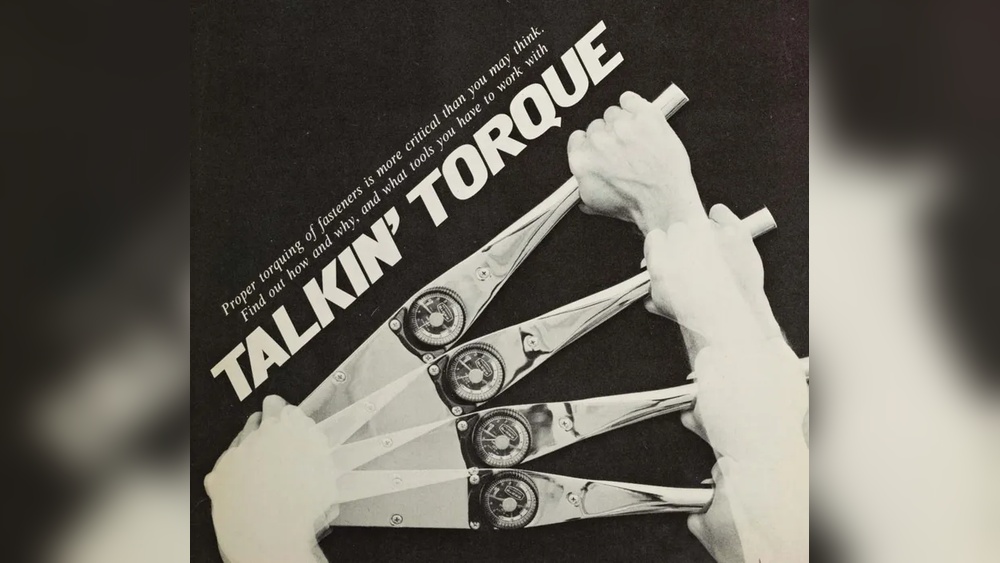
Use the right torque to tighten fasteners. Too little torque makes the bond loose. Too much torque can break or damage threads. Use a torque wrench for accuracy. Follow manufacturer guidelines for best results.
Using Washers And Locking Mechanisms
Washers protect surfaces and distribute load evenly. Locking mechanisms prevent fasteners from loosening. Choose lock nuts, lock washers, or thread lockers as needed. These tools add extra security to your connections.
Tools For Fastening
Fasteners hold things together. Choosing the right tool makes fastening easier and safer. Tools for fastening help apply screws, bolts, nails, and other fasteners. Using the correct tool saves time and effort.
Hand Tools Vs Power Tools
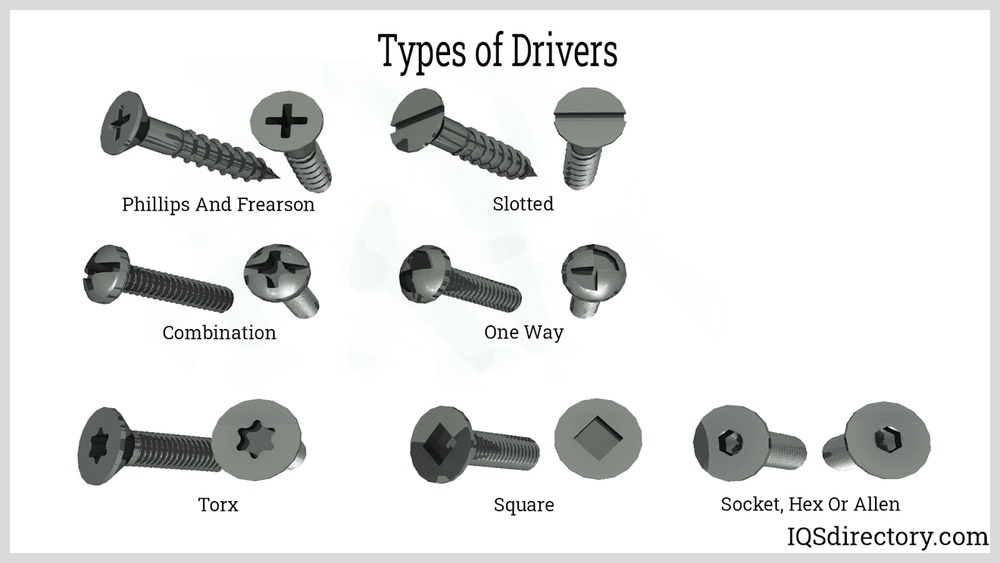
Hand tools include screwdrivers, wrenches, and hammers. They give control and work well for small jobs. Power tools like drills and impact drivers work faster. Power tools reduce physical effort and speed up work. Choose hand tools for precision and power tools for speed.
Specialized Fastening Tools
Specialized tools fit specific fasteners. Examples are rivet guns, torque wrenches, and nail guns. Rivet guns join metal pieces tightly. Torque wrenches tighten bolts to exact force. Nail guns speed up nailing large projects. These tools improve quality and safety.
Maintenance Of Tools
Keep tools clean and dry to avoid rust. Check moving parts and oil them regularly. Sharpen blades and replace worn parts. Store tools in a safe, dry place. Well-maintained tools last longer and work better.
Troubleshooting Common Issues
Troubleshooting common issues with fasteners helps keep your projects strong and safe. Problems like stripped threads, loose fasteners, and corrosion can cause failures. Knowing how to identify and fix these issues saves time and money. Here are simple solutions to handle these common fastener problems.
Stripped Threads
Stripped threads happen when the fastener or hole threads get damaged. This makes it hard to tighten or loosen the fastener. Use a thread repair kit or a larger fastener to fix stripped threads. Avoid over-tightening to prevent stripping in the future. Always match the fastener size to the hole.
Loose Fasteners
Fasteners can become loose from vibration or movement. This reduces the strength of the connection. Tighten loose fasteners with the right tool and torque. Use thread-locking compounds or washers to keep them secure. Check fasteners regularly, especially in machines or moving parts.
Corrosion And Wear
Corrosion weakens fasteners over time. Rust and wear cause fasteners to break or fail. Choose corrosion-resistant materials like stainless steel for outdoor use. Clean fasteners regularly and apply protective coatings. Replace corroded fasteners to maintain safety and strength.
Safety Tips When Using Fasteners
Using fasteners can be simple and quick. Safety is important. Fasteners like screws, nails, and bolts can cause injuries if handled carelessly. Follow these safety tips to protect yourself and others while working.
Protective Gear
Wear safety glasses to protect your eyes from flying debris. Gloves can protect your hands from sharp edges and pinches. Use ear protection if working with loud tools. Proper clothing helps avoid cuts and scrapes.
Handling Hazardous Materials
Some fasteners may have coatings or chemicals. Avoid touching your face after handling them. Store fasteners in a dry place to prevent rust. Dispose of damaged fasteners safely to avoid accidents.
Safe Tool Usage
Use the right tool for the fastener type and size. Keep tools in good condition and clean. Hold tools firmly and work on a stable surface. Avoid rushing to reduce mistakes and injuries.

Credit: allpointsfasteners.com
Frequently Asked Questions
What Are The Most Common Types Of Fasteners?
Common fasteners include screws, bolts, nuts, nails, and rivets. Each serves a unique purpose in joining materials securely.
How Do I Choose The Right Fastener Size?
Select fastener size based on material thickness and load requirements. Proper fit ensures strong, safe, and durable connections.
Can I Reuse Fasteners Safely?
Reusing fasteners depends on their condition. Inspect for damage, wear, or corrosion before reuse to maintain joint integrity.
What Tools Are Needed For Installing Fasteners?
Common tools include screwdrivers, wrenches, pliers, and drills. Using the right tools ensures efficient and secure fastener installation.
Conclusion
Using fasteners correctly makes your projects stronger and safer. Choose the right type for your material and task. Tighten fasteners just enough to hold parts firmly together. Check them often to avoid loosening over time. Simple steps lead to lasting results.
Practice helps you gain confidence and skill. Fasteners may seem small, but they play a big role. Keep learning and improving your techniques for better outcomes.