Have you ever tried to open a cabinet, only to struggle with hardware that feels rough or stiff because of old, hardened paint? It’s frustrating, and you might think you need to replace the entire piece.
But what if you could easily soften that paint and bring your cabinet hardware back to smooth, like-new condition? You’ll discover simple, effective ways to soften paint on your cabinet hardware—no special tools or expensive products required. Keep reading, and you’ll learn how to save time, money, and effort while restoring the look and feel of your cabinets.
Credit: www.11magnolialane.com
Causes Of Hardened Paint
Paint on cabinet hardware can harden over time, making it tough to remove or soften. Understanding why paint hardens helps in choosing the right method to soften it. Several factors cause paint to become stiff and brittle on metal or wood surfaces.
Common Paint Types On Hardware
Cabinet hardware often has oil-based or latex paint. Oil-based paint dries hard and can crack or chip with age. Latex paint stays flexible longer but can still harden if left too long. Enamel paint forms a very tough layer that resists softening. Knowing the paint type helps decide how to treat it.
Environmental Factors
Heat, cold, and humidity affect paint on hardware. High temperatures make paint dry faster but can cause it to become brittle. Cold weather slows drying but may lead to cracking as paint shrinks. Moisture causes paint to peel or bubble, which weakens its surface. Exposure to sunlight also fades and hardens paint over time.
Age And Wear
Old paint naturally becomes hard and less flexible. Years of use cause small scratches and chips that toughen paint edges. Repeated cleaning with harsh chemicals can strip oils and dry out paint layers. Hardware that sees a lot of handling wears paint down, making it more prone to hardening and cracking.
Safety Precautions
Softening paint on cabinet hardware involves using chemicals that can be harmful. Taking safety precautions protects your skin, eyes, and lungs. It also helps prevent accidents and health issues.
Follow these simple steps to stay safe during the process.
Protective Gear
Wear gloves to protect your hands from chemicals. Use safety goggles to shield your eyes. Long sleeves help keep your skin safe. A mask can stop you from breathing in fumes. Always choose gear that fits well and covers exposed skin.
Ventilation Tips
Work in a well-ventilated area to avoid harmful fumes. Open windows and doors for fresh air. Use fans to move air around the room. Avoid working in small, closed spaces. Good airflow lowers the risk of breathing problems.
Handling Chemicals Safely
Read the labels before using any paint softener. Follow the instructions carefully for safe use. Store chemicals away from children and pets. Never mix different chemicals together. Clean spills quickly and wash your hands after handling.
Tools And Materials Needed
Softening paint on cabinet hardware requires the right tools and materials. Having these items ready makes the process smoother. You will need both common household items and some specialized products. Choosing the right tools helps you work safely and efficiently. Here is a list of what you need before you start.
Household Items
Some common items you already have at home can help soften paint. White vinegar works well to break down paint layers. Baking soda can be mixed with water to create a gentle paste. Old toothbrushes help scrub away softened paint without damage. Soft cloths or rags are useful for wiping surfaces clean. Gloves protect your hands from chemicals. A plastic scraper or old credit card helps lift paint gently.
Specialized Products
Special products make paint softening easier and faster. Paint strippers designed for metal hardware work best. Look for non-toxic or low-VOC options for safety. Chemical paint removers come in gel or liquid form. They soak into paint and loosen it. Always use these in a well-ventilated area. Safety goggles and a mask protect you from fumes. Small brushes help apply these products precisely.
Choosing The Right Tools
Select tools that fit your hardware size and type. Soft brushes avoid scratching delicate finishes. Plastic scrapers reduce damage risk compared to metal ones. Use gloves to avoid skin irritation. Pick a container to soak small pieces if needed. Make sure cloths are lint-free to avoid residue. Good lighting helps you see paint removal progress clearly. The right tools save time and protect your cabinet hardware.

Credit: www.1905farmhouse.com
Softening Paint With Heat
Softening paint on cabinet hardware with heat is a simple and effective method. Heat makes the paint soft and easier to remove. This technique works well for small hardware pieces like knobs and handles. It saves time and effort compared to scraping dry paint.
Applying heat carefully helps to avoid damage to the hardware. Using the right tools and safety measures is very important. Below are methods to soften paint using heat safely and effectively.
Using A Hairdryer
A hairdryer is a gentle tool to soften paint on cabinet hardware. Hold it close to the painted area, about 2-3 inches away. Use a medium or high heat setting. Move the hairdryer slowly over the paint in small circles.
Heat the paint for about 1-2 minutes until it feels soft. Test the paint by gently scraping with a plastic scraper or old credit card. Repeat heating if the paint feels hard. This method works well for delicate hardware.
Heat Gun Techniques
A heat gun is stronger than a hairdryer and heats paint faster. Keep the heat gun 3-4 inches away from the hardware surface. Use a low or medium heat setting to avoid damage. Move the heat gun constantly to prevent overheating one spot.
Heat the paint for 30 seconds to 1 minute. Check if the paint softens enough to scrape easily. Use a plastic scraper to remove softened paint gently. Avoid holding the heat gun in one place for too long.
Safety Tips For Heat Application
Always wear heat-resistant gloves to protect your hands. Work in a well-ventilated area to avoid inhaling paint fumes. Keep a fire extinguisher nearby as a precaution. Do not use heat near flammable materials.
Turn off and unplug heat tools when not in use. Allow hardware to cool before handling. Avoid overheating the paint to prevent burns or damage. Follow these tips for safe and effective paint softening with heat.
Using Solvents And Chemicals
Using solvents and chemicals is an effective way to soften paint on cabinet hardware. These products break down the paint, making it easier to remove. Choosing the right solvent and applying it carefully can save time and effort. It also helps avoid damage to the hardware. This section explains how to use these products safely and effectively.
Types Of Paint Softeners
There are several types of paint softeners available. Paint strippers, chemical solvents, and remover gels work well on old paint. Some are water-based, while others contain stronger chemicals. Choose a product that suits the type of paint and hardware material. Always check the label for usage instructions and safety warnings.
Applying Solvents Correctly
Start by cleaning the hardware to remove dirt and grease. Apply the solvent with a brush or cloth in a thin, even layer. Let it sit for the time recommended on the product label. This allows the paint to soften properly. Use a plastic scraper or cloth to remove the softened paint gently. Repeat if necessary, but avoid over-soaking the hardware.
Avoiding Damage To Hardware
Test the solvent on a small hidden area first. Some chemicals can discolor or damage metal finishes. Wear gloves and work in a well-ventilated area for safety. Avoid using metal tools that can scratch the surface. Rinse the hardware with water and dry it thoroughly after paint removal. Proper care keeps your hardware looking good and ready to use.
Mechanical Methods To Remove Paint
Mechanical methods offer a hands-on way to soften and remove paint from cabinet hardware. These methods use physical force or tools to chip away paint without chemicals. They work well for small areas or when you want to avoid harsh solvents. Mechanical techniques require patience and care to protect the hardware’s surface. Choose the right tools and follow safe steps for the best results.
Scraping Techniques
Scraping is a common way to remove old paint. Use a plastic or metal scraper to lift paint gently. Hold the scraper at a low angle to avoid scratching the metal. Push the scraper carefully along the surface to peel off loose paint. For tight corners, use a small, flat blade or a putty knife. Work slowly to prevent dents or damage to the hardware.
Using Brushes And Abrasives
Brushes and abrasives help scrub paint from detailed areas. Wire brushes remove paint from crevices and grooves. Use a soft wire brush for delicate metals to avoid scratches. Sandpaper or sanding pads smooth rough spots after scraping. Start with fine grit sandpaper to protect the hardware’s finish. Use circular motions to even out the surface and remove stubborn paint bits.
Preventing Surface Damage
Protect the hardware by using gentle tools and light pressure. Avoid sharp blades or aggressive sanding that can leave marks. Test tools on a small area first to check for damage. Cover nearby surfaces to catch paint chips. Wear gloves to keep a good grip and avoid slipping. Take breaks to examine your progress and adjust your technique.
Natural And Diy Solutions
Natural and DIY solutions offer gentle ways to soften paint on cabinet hardware. These methods avoid harsh chemicals and are easy to use at home. They work well for small projects and save money. Using common household items, you can remove paint softly and safely.
Vinegar And Baking Soda
Vinegar and baking soda create a mild, natural paint softener. Soak hardware in white vinegar for about 30 minutes. Then sprinkle baking soda on the paint. The mixture will fizz and help lift the paint. Use a soft brush to scrub gently. Rinse with water and dry well.
Citrus-based Removers
Citrus-based removers use natural oils to break down paint. Lemon or orange peels work great. Rub the peels on the paint or soak hardware in citrus juice. Let it sit for 20 to 40 minutes. The natural acids soften the paint for easy removal. Wipe clean with a soft cloth.
Homemade Paint Softeners
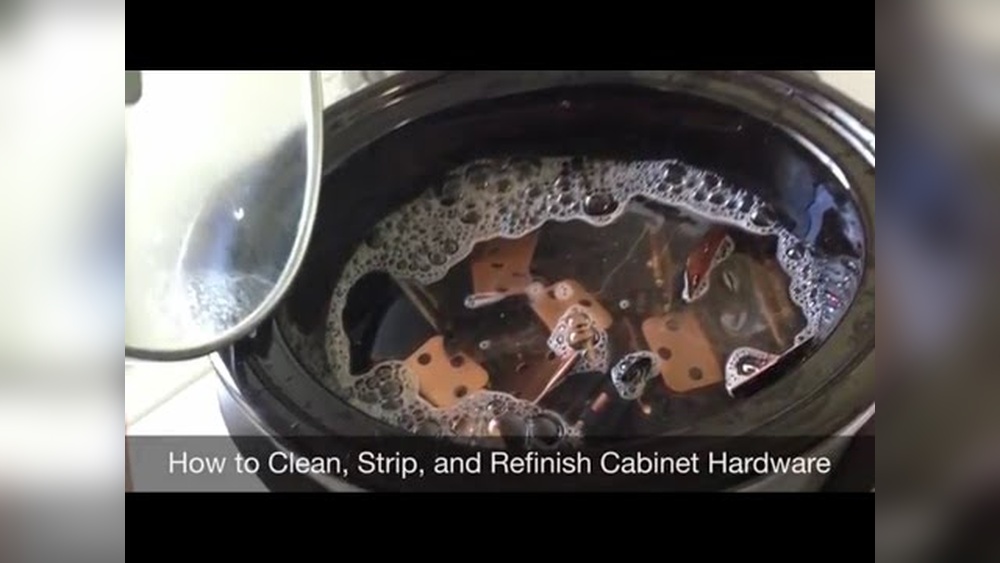
Make your own paint softener with simple ingredients. Mix equal parts hot water and dish soap. Add a splash of vinegar for extra power. Soak hardware for 15 to 30 minutes. The solution loosens the paint without damage. Gently scrape or brush off the softened paint. Rinse and dry thoroughly.
Credit: schoolhouse.com
Preventing Paint Hardening In Future
Preventing paint hardening on cabinet hardware saves time and effort. Soft, smooth paint looks better and lasts longer. Taking a few simple steps stops paint from drying too hard or cracking. These easy habits protect your hardware and keep it looking fresh.
Proper Painting Techniques
Use thin paint layers. Thick coats take longer to dry and harden too much. Allow each layer to dry fully before adding the next. Choose paint made for metal surfaces. Apply paint in a dust-free area. Avoid rushing the drying process. These steps help paint stay soft and flexible.
Storage And Maintenance
Store hardware in a cool, dry place. Heat and humidity speed up paint hardening. Wrap pieces in soft cloth to avoid scratches. Keep paint containers tightly closed. Store leftover paint away from sunlight and heat. Proper storage keeps paint in good condition longer.
Regular Cleaning Tips
Clean hardware gently with a soft cloth. Avoid harsh chemicals that damage paint. Use mild soap and water for dirt. Dry pieces completely after cleaning. Regular care removes grime without harming paint. This keeps paint soft and looking new.
Frequently Asked Questions
How Can I Soften Paint On Cabinet Hardware Easily?
Use a gentle paint remover or warm soapy water to soften paint. Avoid harsh chemicals that damage hardware. Soak small pieces for 10-15 minutes to loosen paint for easy removal.
What Household Items Soften Paint On Metal Hardware?
Vinegar and baking soda create a mild paint softener. Soak hardware in vinegar for 10 minutes, then scrub gently with baking soda paste to remove softened paint safely.
Is Heat Effective To Soften Paint On Cabinet Hardware?
Yes, using a heat gun or hairdryer softens paint quickly. Apply moderate heat evenly, then scrape off softened paint carefully to avoid damaging the hardware.
Can I Use Chemical Paint Removers On Cabinet Hardware?
Yes, but choose ones safe for metal surfaces. Follow manufacturer instructions, wear gloves, and work in a ventilated area. Test on a small spot first to prevent damage.
Conclusion
Softening paint on cabinet hardware takes patience and care. Use gentle methods to avoid damage. Test small areas before applying any product. Warm water and mild soap often work well. Avoid harsh chemicals that can harm the finish. Taking time leads to better results and longer-lasting hardware.
Keep tools and materials ready for easy cleanup. With simple steps, your cabinets will look fresh again. Easy to do and worth the effort. Try these tips to make your hardware shine.