Are you looking to refresh your cabinets without replacing them? Putting on old cabinet hardware can instantly bring charm and character back to your space.
But how do you do it the right way? Whether you found vintage knobs at a flea market or want to reuse hardware from another project, this guide will walk you through simple steps to get your cabinets looking great again.
Keep reading, and you’ll discover easy tips that save you time and frustration while making your cabinets shine.
Gather Necessary Tools
Start by collecting basic tools like a screwdriver, drill, and measuring tape. Having these ready makes installing old cabinet hardware easier and faster. Check that screws and brackets fit your cabinet before starting.
Types Of Hardware
Old cabinet hardware comes in many shapes and sizes. You might find knobs, pulls, or handles. Some are simple, while others have decorative designs. Knowing the type helps you choose the right tools. It also makes the installation easier and faster. Take a close look at the hardware before starting. Check for screws, bolts, or other fasteners. This step saves time and prevents mistakes.
Tools Checklist
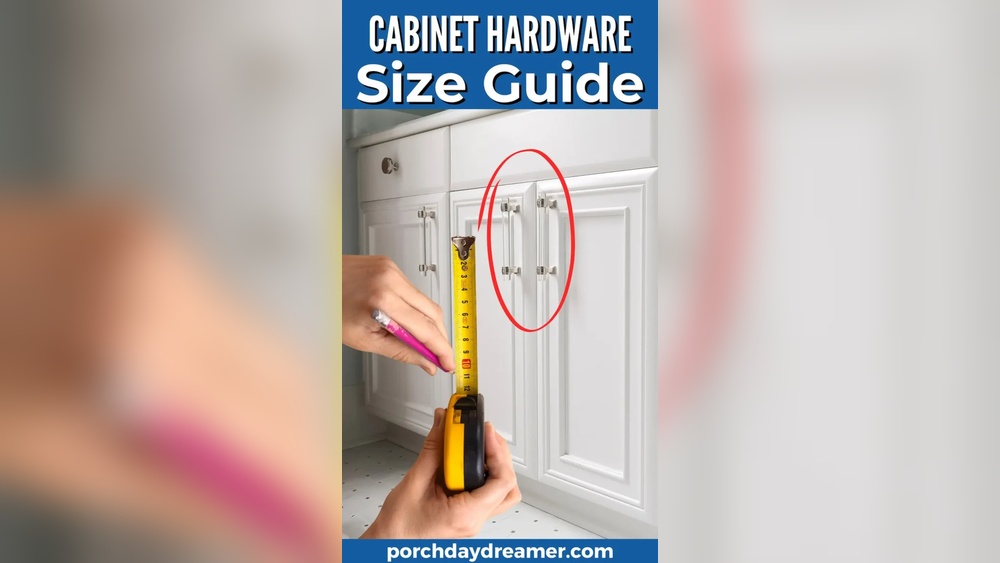
Gathering tools before you begin is crucial. A screwdriver set is a must-have, with both flathead and Phillips heads. A drill can speed up the work but is not always necessary. Measuring tape helps place hardware evenly on the cabinet doors. A pencil is useful for marking spots. You may also need pliers to hold or twist parts. Finally, keep a rag handy to clean old dirt and dust. Having all tools ready makes the job smooth and quick.

Credit: www.youtube.com
Remove Old Hardware
Removing old cabinet hardware is the first step in a kitchen update. It prepares the surface for new knobs and handles. This process needs care to avoid damage to cabinets.
Old hardware can be loose or tightly fixed. Sometimes paint covers the screws or the hardware itself. Proper removal saves time and keeps your cabinets intact.
Unscrewing Knobs And Handles
Start by opening the cabinet doors fully. Use a screwdriver that fits the screws well. Turn the screws counterclockwise to loosen them. Keep the screws safe if you plan to reuse them. If screws are tight, apply steady pressure. Avoid stripping the screw heads by using the right tool.
Handling Stuck Or Painted-over Hardware
Hardware covered with paint needs gentle work. Use a utility knife to cut around the edges. This breaks the paint seal and frees the hardware. For stuck screws, apply a little oil and wait five minutes. Use pliers to turn stubborn screws carefully. Patience prevents damage to the cabinet or hardware.
Clean Cabinet Surfaces
Cleaning cabinet surfaces is a key step before putting on old cabinet hardware. Dirt and grease can block screws and cause hardware to fit poorly. A clean surface ensures the hardware sticks well and looks good.
Taking time to clean also helps you find any damage or spots that need repair. This makes the cabinet last longer and hold hardware tightly.
Removing Dirt And Residue
Start by wiping the cabinet with a soft cloth to remove loose dust. Use warm, soapy water to clean sticky or greasy areas. Avoid harsh chemicals that can damage wood or paint.
For tough grime, use a gentle scrub brush or sponge. Rinse with clean water and dry the surface well. Make sure no soap or water stays on the cabinet.
Preparing For New Hardware
Check the cleaned surface for old nail holes or dents. Fill these with wood filler and smooth with sandpaper. This creates an even surface for the hardware.
Lightly sand the area where hardware will go. This helps screws hold better. Wipe away dust before attaching hardware. Now, your cabinet is ready for the old hardware to be put back on.
Credit: www.homedepot.com
Measure And Mark Placement
Measuring and marking the placement of old cabinet hardware is a key step. It helps ensure the hardware fits correctly. Precise measurement prevents mistakes and saves time. Marking the exact spots before drilling avoids misaligned handles or knobs.
Take your time to measure carefully. Small errors can cause uneven hardware. Use tools like rulers or tape measures for accuracy. Mark spots lightly with a pencil to guide installation.
Using A Template
A template makes measuring easier and more consistent. You can create one from cardboard or use a ready-made template. Place the template on the cabinet door or drawer front. Align it carefully to match the hardware size. Mark the hole positions through the template holes. This method speeds up the process and keeps holes uniform across cabinets.
Ensuring Alignment
Alignment keeps your cabinets looking neat and professional. Check that marks are level by using a small level tool. Compare marks on adjacent drawers or doors to keep hardware in line. Adjust marks if needed before drilling. Proper alignment improves the overall appearance and function of your cabinets.
Drill New Holes If Needed
Sometimes old cabinet hardware does not fit old holes. You may need to drill new holes to install it properly. Drilling new holes helps secure the hardware firmly. It also keeps your cabinet looking neat and clean. Be careful while drilling to avoid damage.
Choosing The Right Drill Bit
Select a drill bit that matches the screw size. Use a bit slightly smaller than the screw for a tight fit. Wood drill bits work best on cabinets. Avoid using metal bits as they can cause splintering. Sharp bits make cleaner holes and require less force.
Avoiding Damage
Mark the spot clearly before drilling. Use painter’s tape to protect the wood surface. Drill slowly to prevent cracking or splitting. Hold the drill straight to keep holes even. Test on scrap wood if unsure about the drill bit size. Stop drilling as soon as the hole is deep enough.
Attach The Old Hardware
Attaching old cabinet hardware brings charm back to your furniture. It also saves money and adds a personal touch. This process needs care and simple tools. Aligning the hardware correctly ensures a neat look and proper function. Follow these steps to secure your old knobs and pulls safely.
Screwing In Knobs And Pulls
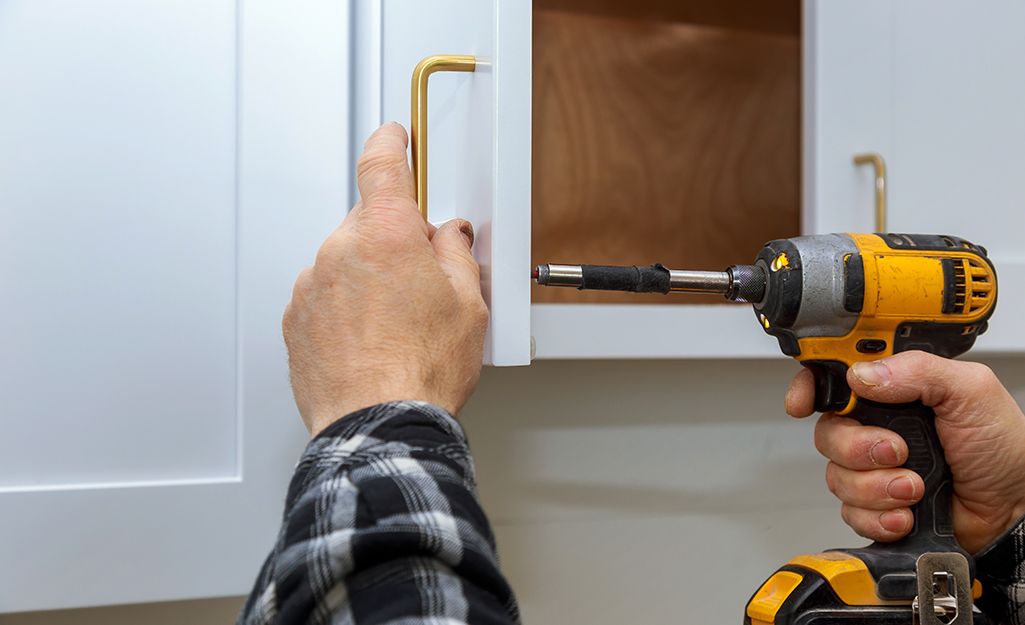
Start by placing the knob or pull over the hole. Hold it steady with one hand. Use a screwdriver to insert the screw from inside the cabinet. Turn the screw slowly to avoid stripping. Tighten until the hardware feels firm but not too tight. Loose screws can cause wobbling. Too tight can damage the wood or hardware.
Securing With Washers And Nuts
Use washers and nuts for extra security, especially on pulls. Slide a washer onto the screw before adding the nut. The washer protects the cabinet surface from scratches. Hand-tighten the nut onto the screw inside the cabinet. Use a wrench or pliers for a final snug fit. Avoid over-tightening to prevent damage. This method keeps your hardware steady for long use.
Check Hardware Stability
Checking hardware stability is a key step in putting on old cabinet hardware. It ensures the handles or knobs stay firmly in place. Loose hardware can cause damage and look unsteady. Properly stable hardware lasts longer and works better.
Tightening Screws
Start by tightening all screws with a screwdriver. Use the right size to avoid stripping the screw heads. Tight screws hold the hardware firmly against the cabinet surface. Tighten gently to prevent cracking old wood or paint. Check each screw for firmness by hand after tightening.
Adjusting Alignment
Look at the placement of each handle or knob. They should be straight and evenly spaced. Slightly loosen screws to move hardware into the correct position. Use a level or ruler for accuracy. Once aligned, retighten the screws carefully. Proper alignment improves the cabinet’s look and function.
Maintain Cabinet Hardware
Maintaining cabinet hardware keeps it looking good and working well for years. Old hardware can get dirty and rusty. Proper care helps preserve its charm and function. Regular cleaning and protection prevent damage and wear.
Cleaning Tips
Use a soft cloth to wipe dust and dirt gently. For tougher grime, mix mild soap with warm water. Dip the cloth, wring it out, then clean the hardware. Avoid harsh chemicals that can damage the finish. Dry each piece fully after cleaning to stop water spots. Polish metal parts with a gentle polish to restore shine.
Preventing Rust And Wear
Keep hardware dry to avoid rust formation. Wipe off water or spills quickly. Apply a thin layer of clear wax or oil to metal surfaces. This adds a protective barrier against moisture. Tighten loose screws to prevent wobbling and wear. Check hardware regularly and replace damaged parts early.
Credit: www.homedepot.com
Frequently Asked Questions
How Do You Remove Old Cabinet Hardware Safely?
To remove old cabinet hardware, first unscrew the fasteners using a screwdriver. Gently pry off any stuck pieces to avoid damage. Clean the surface before installing new or old hardware. This preserves cabinet integrity and ensures a smooth installation process.
Can Old Cabinet Hardware Be Reused Effectively?
Yes, old cabinet hardware can be reused if in good condition. Clean and polish it before reinstalling to restore its appearance. Ensure screws fit properly for secure attachment. Reusing hardware saves money and maintains vintage charm in cabinetry.
What Tools Are Needed To Install Old Cabinet Hardware?
You’ll need a screwdriver, drill, measuring tape, and possibly a level. These tools help remove old hardware, align new pieces, and secure them properly. Using the right tools ensures a neat, durable installation of old cabinet hardware.
How Do You Align Old Cabinet Hardware Correctly?
Measure and mark screw holes precisely with a pencil or template. Use a level to keep hardware straight. Aligning hardware correctly prevents uneven wear and improves cabinet aesthetics. Take your time to ensure perfect placement before drilling.
Conclusion
Old cabinet hardware brings charm and character to any room. Installing it carefully keeps its vintage look intact. Take your time to align screws and handles properly. Clean the hardware before putting it back on. This small effort makes a big difference in appearance.
Enjoy the unique style that old hardware adds. It’s a simple way to refresh your cabinets. Try it yourself and see the change.