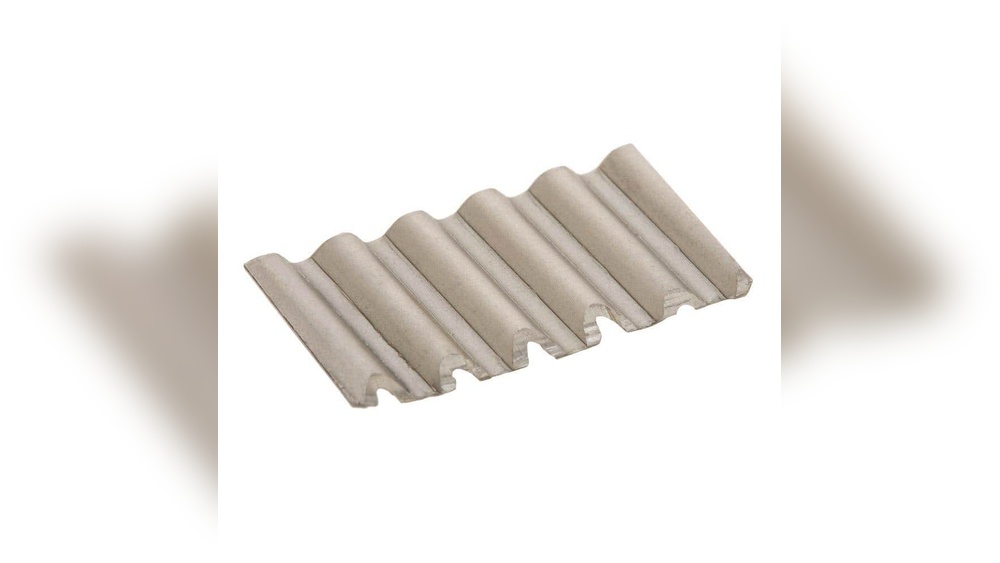
If you’ve ever struggled with loose or unstable wood joints, corrugated fasteners might be the simple solution you’re missing. These small, metal connectors can make your projects stronger and more durable—without complicated tools or expensive materials.
Imagine finishing your next DIY task faster and with confidence that everything will hold tight. You’ll discover exactly how to use corrugated fasteners step-by-step, so your work stays secure and lasts longer. Keep reading to unlock these easy tips and transform your woodworking experience.

Credit: www.onwardhardware.com
Types Of Corrugated Fasteners
Corrugated fasteners come in different types to suit various needs. Each type offers unique benefits for fastening tasks. Understanding these types helps you pick the right fastener for your project.
Metal Corrugated Fasteners
Metal corrugated fasteners are strong and durable. They work well for heavy-duty jobs. These fasteners resist weather and rust, making them ideal for outdoor use. Common metals include steel and aluminum. Metal fasteners provide a firm grip on materials like wood and metal sheets.
Plastic Variants
Plastic corrugated fasteners are lightweight and flexible. They resist corrosion and are often cheaper than metal types. These fasteners suit light to medium fastening tasks. Plastic variants come in various colors and sizes. They are useful in environments where metal might cause damage or rust.
Choosing The Right Material
Select fasteners based on the job’s strength and environment needs. Metal suits tough, outdoor conditions or heavy materials. Plastic fits indoor or light-duty projects. Consider weather, weight, and cost before choosing. The right material ensures a secure and lasting hold.
Tools Needed For Installation
Installing corrugated fasteners requires the right tools. Proper tools make the job easier and safer. This section covers the basic tools you need.
Basic Hand Tools
Start with simple hand tools. A hammer is essential for driving nails or fasteners. A tape measure helps ensure accurate placement. Use a pencil to mark spots. A utility knife is useful for cutting any packaging or trimming materials. Basic screwdrivers might be needed for certain fasteners.
Power Tools For Efficiency
Power tools speed up the installation process. A cordless drill with screwdriver bits makes fastening quicker. Nail guns designed for corrugated fasteners save time and reduce hand fatigue. An impact driver can help with tougher materials. Make sure to choose tools compatible with your fasteners.
Safety Equipment
Safety is crucial during installation. Wear safety glasses to protect your eyes from debris. Gloves shield your hands from sharp edges and splinters. Ear protection is important when using loud power tools. Consider a dust mask if working in dusty conditions. Always follow safety instructions for each tool.
Preparing Surfaces For Fastening
Preparing surfaces for fastening is a crucial step when working with corrugated fasteners. Proper preparation ensures a strong hold and long-lasting results. It helps avoid problems like slipping or weak bonds. Follow these steps carefully to get the best outcome.
Cleaning And Drying
Start by removing dust, dirt, and grease from the surfaces. Use a clean cloth or brush for this task. Dirt can stop the fasteners from gripping well. After cleaning, dry the surfaces fully. Moisture can weaken the fastening strength. Dry surfaces allow fasteners to hold tight and last longer.
Aligning Materials
Place the materials in their exact positions before fastening. Check that edges match and surfaces are even. Proper alignment prevents gaps and misfits. Hold materials steady using clamps or weights if needed. Correct alignment makes fastening easier and more reliable.
Marking Fastener Positions
Mark where each fastener will go on the surfaces. Use a pencil or a marker for clear, visible marks. Space the marks evenly for balanced pressure. Marking saves time and avoids mistakes during fastening. It ensures fasteners are placed in the best spots for strength.
Step-by-step Fastener Application
Applying corrugated fasteners correctly ensures a strong, lasting connection. Follow simple steps to place and secure them well. This guide breaks down the process clearly. Each part is important for a secure joint.
Positioning The Fastener
Place the fastener flat against the joint surface. Align it with the corrugation for better grip. Ensure it covers the materials fully for even support.
Securing With Proper Pressure
Press the fastener firmly into place. Use enough force to embed it without bending. The fastener should hold tight but stay straight.
Checking Joint Stability
Test the joint by gently moving the materials. The fastener should keep everything firmly together. Adjust if there is any looseness or gaps.
Common Mistakes To Avoid
Using corrugated fasteners correctly is key for strong and lasting joints. Many users make simple mistakes that weaken the connection or cause damage. Avoiding these errors saves time and materials.
Focus on common pitfalls to improve your results. Learn what to watch out for and how to prevent problems before they start.
Over-tightening Fasteners
Tightening fasteners too much can damage the materials. It may crush the corrugated sheets or strip the threads. This leads to weak joints that fail easily.
Use just enough force to hold parts firmly. Stop as soon as resistance increases. Check the manufacturer’s guidelines for torque limits.
Ignoring Material Compatibility
Different materials need matching fasteners. Using the wrong type causes corrosion or poor grip. For example, metal fasteners on treated wood might rust fast.
Choose fasteners designed for the materials you join. This prevents damage and extends the life of your work.
Skipping Surface Preparation
Dirty or rough surfaces reduce fastener grip. Dust, oil, or rust stop the fastener from holding tightly. This leads to loose or unstable joints.
Clean and smooth surfaces before fastening. Remove debris and dry the area well. Good preparation ensures stronger, safer connections.

Credit: www.astor.co.za
Maintaining Strong Joints
Maintaining strong joints is key to getting the best from corrugated fasteners. These fasteners hold materials tightly, but over time, they can weaken. Keeping joints strong means checking them often and fixing small problems early. This helps avoid bigger damage and keeps structures safe.
Regular Inspections
Check joints regularly for signs of wear or damage. Look for loose fasteners or cracks around the joint area. Use a flashlight to see hidden spots clearly. Early spotting helps fix issues before they grow. Make a schedule to inspect joints every few months.
Handling Environmental Factors
Weather can affect fasteners and joints. Moisture causes rust, while heat may weaken materials. Protect joints from water by sealing gaps. Use rust-resistant fasteners in humid areas. Cover joints during heavy rain or snow to keep them dry.
Repairing Loose Fasteners
Loose fasteners reduce joint strength. Tighten screws or nails with the right tools. Replace any fasteners that are damaged or missing. Use new fasteners made for corrugated materials. Secure joints firmly to restore full strength.
Applications Of Corrugated Fasteners
Corrugated fasteners have many uses in different projects. Their unique design makes joining wood pieces easier and stronger. They fit well in tasks that need quick and secure attachment. These fasteners save time and effort in building and crafting.
They are popular in woodworking, furniture making, and many DIY crafts. Their simple use and strong hold make them useful for both beginners and experts.
Woodworking Projects
Corrugated fasteners help join wood pieces without nails or screws. They work well in framing and paneling tasks. Woodworkers use them to connect thin boards or plywood sheets. These fasteners keep joints tight and stable over time. They also reduce the chance of wood splitting during assembly.
Furniture Assembly
Many furniture makers rely on corrugated fasteners for quick assembly. They attach parts like table tops, legs, and shelves fast. The fasteners blend into the wood, keeping furniture looking neat. They offer strong joints that hold under daily use. This makes furniture durable without visible hardware.
Craft And Diy Uses
Craft lovers use corrugated fasteners in many creative ways. They join wood pieces in frames, boxes, and decorations. These fasteners make building models or small projects easier. DIY users appreciate their strength and simple installation. They help finish projects quickly with a professional look.

Credit: www.reddit.com
Frequently Asked Questions
What Are Corrugated Fasteners Used For?
Corrugated fasteners join wood pieces securely in furniture or construction. They provide strong, hidden connections without screws or nails, enhancing structural integrity and aesthetics.
How Do I Install Corrugated Fasteners Correctly?
Align the fastener with wood edges, then hammer it flat. Ensure the corrugated teeth grip tightly for a secure bond without splitting the wood.
Can Corrugated Fasteners Replace Screws Or Nails?
Yes, they can replace screws or nails in many wood joints. They offer a cleaner look and strong hold, ideal for furniture and cabinet assembly.
What Tools Are Needed For Corrugated Fasteners?
You only need a hammer or mallet. No special tools are required, making installation simple and quick for DIYers and professionals alike.
Conclusion
Corrugated fasteners hold materials tightly and last a long time. Use the right size for the best fit and strength. Always place them carefully to avoid damage. They work well in wood, metal, and plastic projects. Practice makes using them easier and faster.
Trust these simple tools to keep your work secure. Keep safety in mind while handling fasteners. Try these tips to make your projects stronger and neater. Simple steps lead to great results every time.