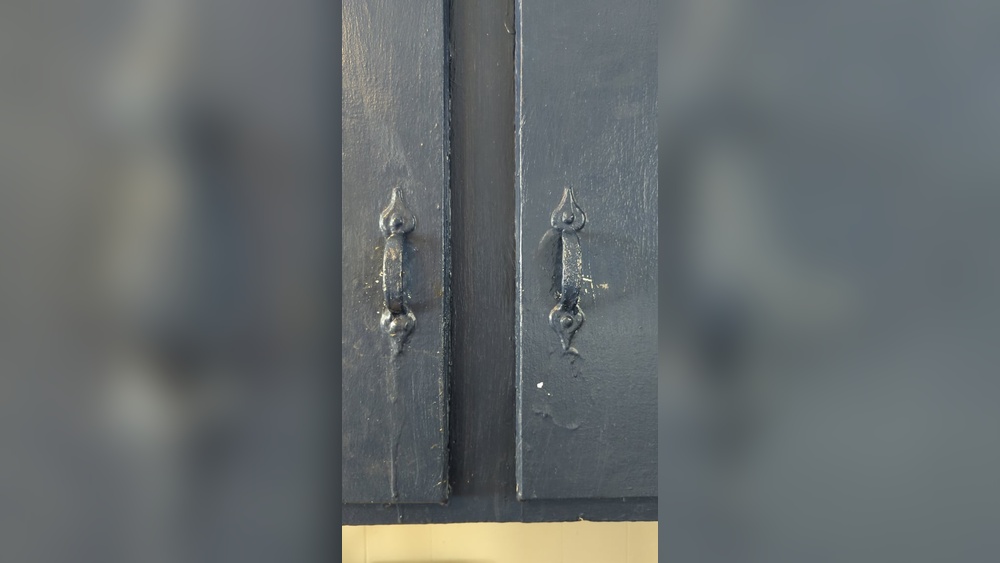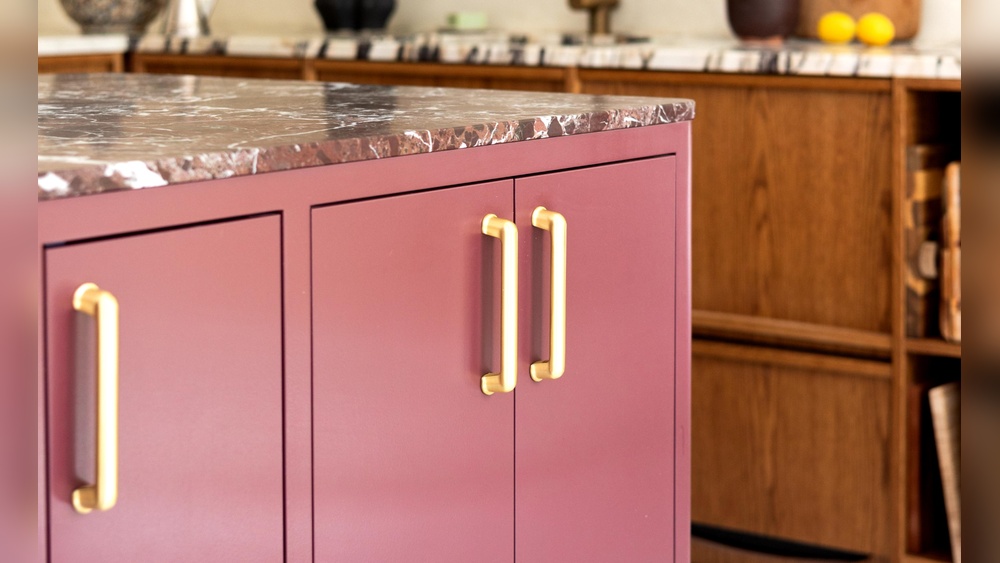
Choosing the right cabinet hardware can completely change the look and feel of your space. But with so many options out there, how do you know what’s truly quality?
You want pieces that not only look great but also last for years without causing frustration. This guide will help you pick hardware that fits your style, stands up to daily use, and makes your cabinets shine. Keep reading to discover simple tips that make a big difference in your home’s design and function.

Credit: topscabinet.net
Types Of Cabinet Hardware
Choosing the right cabinet hardware shapes the look and feel of any room. Different hardware types serve unique purposes and styles. Understanding these types helps pick the best fit for your cabinets. The main categories include knobs, pulls, hinges, and specialty options. Each brings its own charm and function to your space.
Knobs Vs Pulls
Knobs are small and round or square. They work well for smaller drawers or cabinets. Pulls are longer handles that you grip with your whole hand. They suit larger drawers and doors better. Knobs offer a classic look, while pulls give a modern touch. Both come in many designs and finishes.
Hinges And Their Styles
Hinges allow doors to open and close smoothly. There are several styles to choose from. Concealed hinges hide inside the cabinet for a clean look. Decorative hinges stay visible and add style. Soft-close hinges prevent doors from slamming shut. The right hinge improves both function and design.
Specialty Hardware Options
Specialty hardware includes unique pieces for specific needs. Examples are edge pulls, cup pulls, and finger pulls. These add subtle details that enhance your cabinets’ style. They can also improve ease of use in tight spaces. Specialty hardware offers creative ways to customize your cabinets.
Materials And Finishes
Choosing the right materials and finishes for cabinet hardware affects both style and function. The material impacts strength and how long the hardware lasts. Finishes influence the look and how easy it is to clean. Understanding these basics helps you pick the best hardware for your cabinets.
Common Hardware Materials
Metal is the most popular material for cabinet hardware. It offers strength and a classic look. Brass stands out for its warm, golden tone. Stainless steel resists rust and fits modern kitchens well. Zinc alloy is affordable and can mimic other metals. Wood hardware adds a natural touch but may wear faster. Ceramic handles bring color and unique styles but need gentle care.
Popular Finishes And Trends
Matte black finish is very popular for a sleek, modern look. Brushed nickel offers a soft shine without too much glare. Oil-rubbed bronze gives a vintage, rustic feel. Polished chrome shines brightly and suits contemporary kitchens. Satin brass is gaining attention for a warm, subtle glow. These finishes fit different kitchen styles and personal tastes.
Durability Considerations
Metal finishes like stainless steel and brushed nickel resist scratches and stains well. Matte finishes hide fingerprints better than shiny ones. Ceramic can chip or crack if handled roughly. Wood may swell or crack with moisture changes. Choosing durable materials saves money and effort over time. Think about daily use and cleaning ease before deciding.
Measuring For Hardware
Measuring for cabinet hardware is a key step. It ensures the handles and knobs fit perfectly. Correct measurements help avoid mistakes and extra costs. Take your time to measure carefully. Use a ruler or tape measure for accuracy. Write down all measurements before buying hardware.
Determining Size And Scale
Choose hardware size based on cabinet size. Large cabinets need bigger handles or knobs. Small cabinets look better with smaller hardware. Match the hardware size with cabinet doors and drawers. Check hardware length, width, and projection from the surface. Keep hardware proportionate to cabinet design for a balanced look.
Spacing And Placement Tips
Measure the distance between screw holes first. This helps find hardware with the right hole spacing. Mark hole positions on the cabinet with a pencil. Place handles or knobs where they are easy to reach. Keep spacing consistent across all cabinets for a uniform look. Use a level to ensure straight and even placement.
Matching Hardware With Style
Choosing the right cabinet hardware can change the look of your kitchen or bathroom. Matching hardware with your style brings harmony and charm to your space. Small details like handles and knobs create a big impact. Focus on style to find hardware that fits your taste and room design.
Traditional Vs Modern Looks
Traditional hardware often features curves and classic shapes. It suits wood cabinets and warm colors well. Brass, bronze, and antique finishes add a vintage feel. Modern hardware is sleek and simple. Straight lines and minimal designs work best for modern spaces. Chrome, stainless steel, and matte black finishes fit modern cabinets perfectly.
Coordinating With Cabinet Colors
Light cabinets pair well with soft, subtle hardware colors. Silver or brushed nickel works nicely with white or cream cabinets. Dark cabinets look great with bold, contrasting hardware. Gold or black hardware can make dark wood stand out. Match hardware tone with cabinet color for a balanced look.
Blending With Room Decor
Hardware should match the overall room style. Rustic rooms benefit from natural, aged finishes. Sleek and shiny hardware suits contemporary decor. Think about the style of appliances, lighting, and furniture. Choose hardware that fits well and complements the entire space.
Functionality And Comfort
Choosing cabinet hardware is not just about looks. Functionality and comfort play a big role. Hardware should work smoothly and feel good in your hand. This makes daily use easier and more pleasant.
Ease Of Use
Good cabinet hardware opens and closes without effort. It should fit your hand size and strength. Smooth edges help prevent discomfort or injury. Avoid hardware that sticks or requires too much force. Simple designs often provide the best ease of use. Consider how often you will use the cabinets. Frequent use means you need hardware that feels natural and quick to operate.
Ergonomic Design Factors
Ergonomic hardware supports your hand’s natural movement. Look for handles with a shape that fits well in your palm. Rounded edges reduce pressure points and improve comfort. Hardware that is too small or thin may cause strain. Larger, well-shaped handles offer better grip and control. Think about the height and placement of the hardware. Proper placement reduces awkward bending or reaching. Ergonomic designs help prevent hand fatigue and discomfort over time.
Budget And Quality Balance
Choosing cabinet hardware means balancing budget and quality. Spending too little might mean replacing soon. Spending too much can strain your budget without clear benefits. Finding the middle ground helps you get good looks and lasting use.
Finding Affordable Options
Affordable cabinet hardware can look great and work well. Look for sales or discounts at local stores or online shops. Materials like zinc or stainless steel often cost less but still hold up. Simple designs usually cost less than fancy ones. Compare prices and reviews to find the best deal. Small changes in style can save money without losing quality.
Investing In Longevity
Spending a bit more on durable hardware pays off over time. Solid brass or stainless steel lasts longer and resists rust or wear. Strong hardware means fewer repairs and replacements. Choose hardware with good finishes that protect from scratches and corrosion. Quality pieces feel heavier and look more polished. Think of it as a long-term saving, not just a cost.
Installation Tips
Installing cabinet hardware correctly makes a big difference in your kitchen’s look and function. Taking time to follow clear steps helps avoid mistakes. This section guides you through essential installation tips for a smooth process.
Tools Needed
Gather the right tools before starting your installation. You will need a drill, screwdriver, measuring tape, pencil, and a level. A template or jig helps keep holes aligned. A ruler or square ensures precise measurements. Having all tools ready saves time and effort.
Step-by-step Guide
Start by marking the spot for each handle or knob. Use a pencil and measuring tape for accuracy. Double-check your marks with a level to keep everything straight.
Next, drill pilot holes carefully. Use a drill bit slightly smaller than your screws. This prevents wood splitting and ensures a tight fit.
Place the hardware on the door or drawer. Insert screws from the inside and tighten with a screwdriver. Avoid overtightening to protect the cabinet surface.
Finish by checking each piece for secure fitting and alignment. Adjust if needed to keep all handles and knobs even. Proper installation gives your cabinets a polished, professional look.

Credit: www.amazon.com
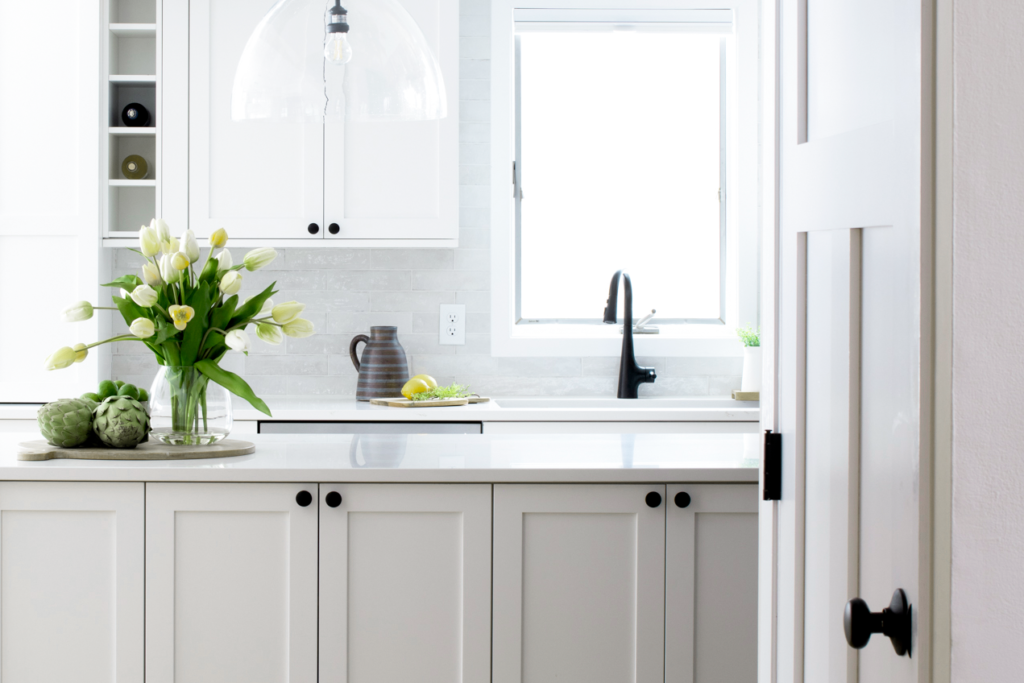
Credit: www.juicedsound.com
Frequently Asked Questions
What Materials Make The Best Cabinet Hardware?
Quality cabinet hardware is often made from solid brass, stainless steel, or zinc alloy. These materials ensure durability, resistance to rust, and a polished look. Choosing sturdy materials guarantees your hardware will last and maintain its appearance over time.
How To Match Cabinet Hardware With Kitchen Style?
Select hardware that complements your kitchen’s design theme. For modern kitchens, sleek and minimal handles work best. Traditional kitchens pair well with ornate or vintage-style knobs. Matching style enhances the overall aesthetic and creates a cohesive look.
What Size Hardware Is Ideal For Cabinets?
The size depends on cabinet size and door style. Generally, smaller cabinets suit knobs, while larger doors work better with pulls. Measure your cabinet doors and drawers to choose hardware that fits comfortably and offers easy grip.
How Important Is The Finish Of Cabinet Hardware?
The finish affects both appearance and durability. Popular finishes include brushed nickel, oil-rubbed bronze, and chrome. Choose a finish that resists tarnishing and matches other fixtures in your space for a unified look.
Conclusion
Choosing quality cabinet hardware improves both style and function. Focus on durability, design, and finish for the best match. Test how hardware feels and fits your cabinets. Small details make a big difference in your space. Take time to pick pieces that last and look good.
Your cabinets deserve hardware that supports daily use. This choice adds value and comfort to your home. Simple steps lead to a beautiful, practical kitchen or bathroom. Trust your eye and enjoy the process.