Are you struggling to remove hardware from your cabinet that just won’t budge? You’re not alone.
Stuck screws, rust, and tight fittings can turn a simple task into a frustrating challenge. But don’t worry—this guide will help you loosen and remove that stubborn hardware without causing damage. By the time you finish reading, you’ll have easy, effective techniques to get the job done right.
Keep reading to learn how to tackle this common problem with confidence and ease.
Identify The Stuck Hardware
Identifying the stuck hardware on your cabinet is the first step to fixing the problem. You need to know what type of hardware you are dealing with. This helps you decide the right way to remove it without causing damage. Careful observation can save time and effort.
Start by examining the hardware closely. Look for any signs that might explain why it is stuck. Understanding the cause makes the process smoother and safer.
Check For Visible Damage
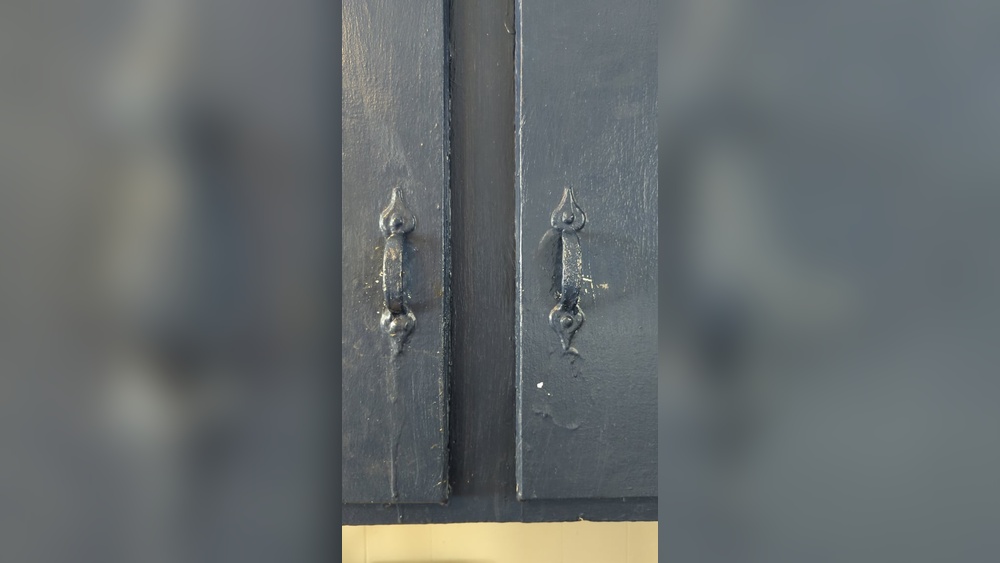
Look for cracks, rust, or bent parts on the hardware. Damaged hardware often sticks because it is warped or broken. Notice any loose screws or missing pieces. These clues tell you what tools you might need. Damage may also mean you need to replace the hardware after removal.
Determine The Type Of Hardware
Identify whether the hardware is a knob, handle, or hinge. Different types require different removal methods. For example, knobs usually have screws, while handles might use bolts. Hinges can be tricky and may need special tools. Knowing the type helps you prepare the right approach.
Assess The Cause Of Sticking
Check if dirt, paint, or rust is causing the hardware to stick. Sometimes, old paint can glue parts together. Rust can seize screws or bolts in place. Dirt and grime also create resistance. Identifying the cause helps you choose the best cleaning or loosening method.

Credit: www.reddit.com
Gather Necessary Tools
Removing hardware stuck on a cabinet needs the right tools. Gathering these tools first saves time and effort. It helps you work safely and smoothly.
Basic Hand Tools
Start with simple hand tools. A screwdriver set with different heads is a must. Use a flathead or Phillips screwdriver depending on screws. A pair of pliers can grip and twist stubborn parts. A small hammer helps tap hardware gently loose. Keep a utility knife nearby to cut any paint or sealant.
Lubricants And Cleaners
Lubricants ease stuck screws and bolts. Spray a light oil or WD-40 on tight spots. Let it sit for a few minutes to work. Cleaners remove dirt and grime that hold hardware tight. Use a mild cleaner or rubbing alcohol to wipe surfaces before and after.
Safety Equipment
Protect your hands with sturdy gloves to avoid cuts. Wear safety glasses to shield eyes from dust and debris. Use a mask if you expect dust or fumes. Keep a first aid kit nearby for minor injuries. Safety ensures the task stays trouble-free.
Apply Lubrication Techniques
Applying lubrication is a key step to remove stuck hardware from a cabinet. It helps loosen parts that have rust or dirt buildup. Proper lubrication makes hardware easier to move and remove.
Using the right lubricant and letting it work can save time and effort. Follow simple steps to apply lubrication effectively and check if the hardware moves freely.
Choose The Right Lubricant
Select a lubricant made for metal parts. WD-40 and silicone spray are common choices. Avoid thick grease as it may attract dust and dirt. A light oil or spray lubricant works best for stuck screws or handles.
Apply And Let It Soak
Spray or apply the lubricant directly on the stuck hardware. Cover all moving parts and any visible rusted areas. Let the lubricant soak for 10 to 15 minutes. This time allows it to penetrate and break down rust or grime.
Test Movement After Lubrication
After soaking, gently try to move the hardware. Use a screwdriver or your hand to test. If it still feels stuck, apply more lubricant and wait a few minutes. Avoid forcing it hard to prevent damage. Repeat until the hardware moves smoothly.
Credit: www.jsbhomesolutions.com
Use Gentle Force Methods
Removing stuck hardware from a cabinet needs care. Using gentle force methods helps avoid damage. These methods loosen the hardware without ruining the cabinet surface or the hardware itself. Patience and the right technique work best. Here are some simple ways to apply gentle force effectively.
Tapping With A Rubber Mallet
A rubber mallet delivers soft taps to the stuck hardware. It loosens any dirt or rust holding it tight. Hold the mallet firmly and tap lightly around the edges. Avoid heavy hits to prevent dents or cracks. Small, steady taps gradually release the grip.
Wiggling And Rocking The Hardware
Wiggling the hardware back and forth breaks the hold. Move it gently side to side or up and down. The motion loosens any sticky parts inside. Keep the pressure light and controlled. This action helps free the hardware without pulling too hard.
Avoiding Excessive Pressure
Too much pressure can damage the cabinet or hardware. Avoid pulling or twisting hard. Excessive force may strip screws or crack wood. Gentle methods protect your cabinet’s finish and keep hardware reusable. Slow, careful movements work best for stuck parts.
Try Heat Or Cold Treatments
Removing stuck hardware from a cabinet can be tricky. Heat or cold treatments help loosen tight screws, nails, or handles. These methods make metal expand or contract, easing removal. Use simple tools like a hair dryer or ice packs for this task.
Using A Hair Dryer Or Heat Gun
A hair dryer or heat gun warms the metal parts gently. Heat causes metal to expand slightly. This expansion can break the rust or glue holding the hardware. Hold the dryer close but do not overheat. Move it around for even heat. After heating for a few minutes, try to remove the hardware slowly.
Applying Ice Packs
Cold makes metal shrink a little. Wrap an ice pack or a bag of frozen vegetables around the stuck hardware. Leave it for 5 to 10 minutes. The metal contracts and may loosen its grip. After cooling, try twisting or pulling the hardware carefully. This method works well for nuts and bolts.
Safety Precautions
Use heat and cold methods carefully. Avoid direct contact with hot tools to prevent burns. Do not heat plastic parts too much. Cold packs can cause frostbite if held too long on skin. Always wear gloves and eye protection. Keep children and pets away during the process.
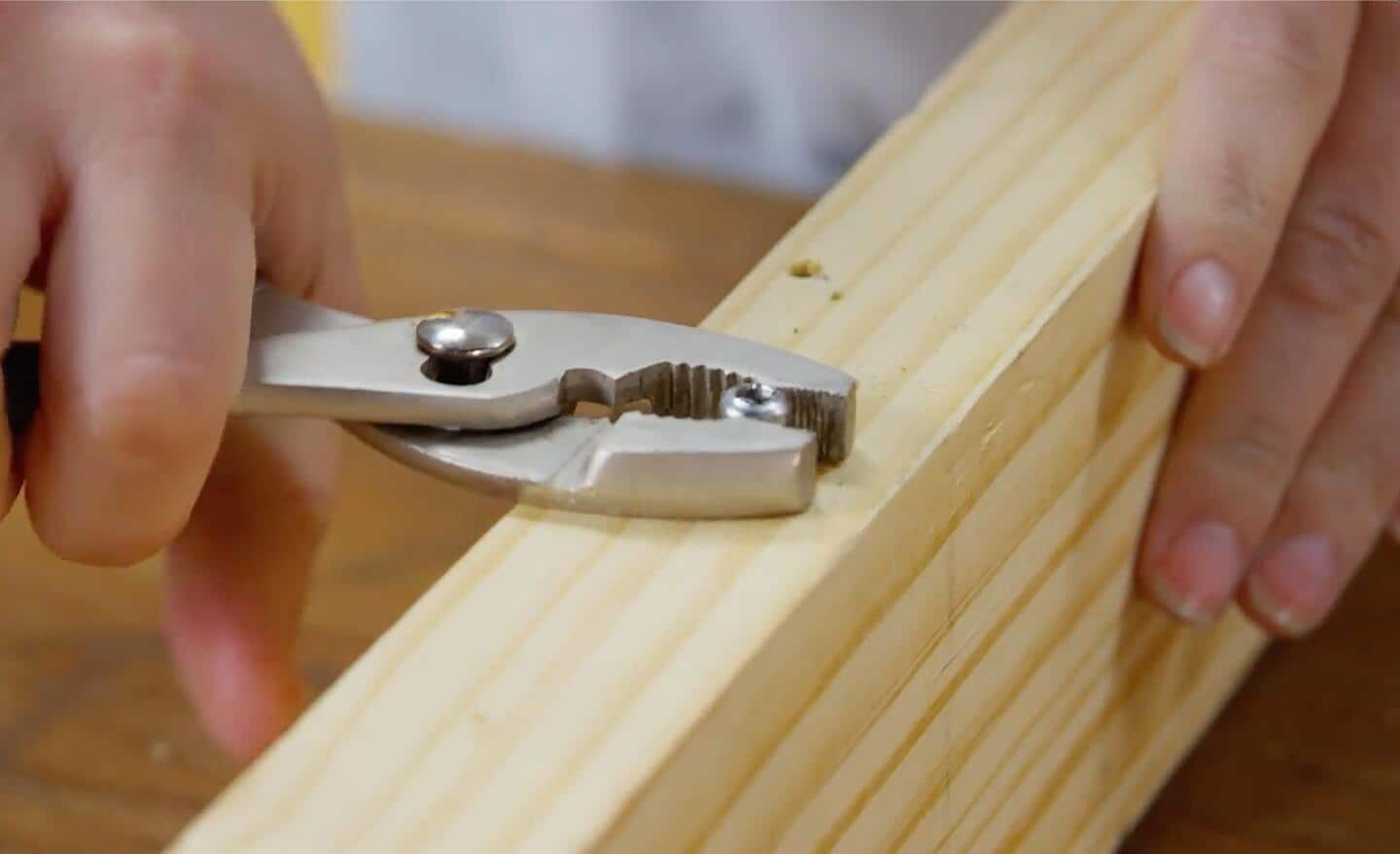
Credit: www.homedepot.com
Remove Obstructions
Removing hardware from a cabinet can be tough if something blocks the process. Often, hidden obstructions cause the hardware to stick. Removing these obstacles makes the job easier. This section explains how to clear rust, clean dirt, and check for hidden fasteners. Follow these steps to free stuck hardware safely and quickly.
Clear Rust And Corrosion
Rust builds up over time on metal hardware. It makes screws and handles hard to move. Use a rust remover or a little vinegar to soften the rust. Apply it with a cloth or small brush. Let it sit for a few minutes. Then, try to loosen the hardware gently. Repeat if needed until the rust clears.
Clean Debris And Dirt
Dirt and dust can jam hardware parts. Use a soft brush or cloth to wipe away debris. Check corners and crevices carefully. A small vacuum can help remove fine dust. Clean surfaces allow tools to grip better. This step prevents damage while loosening stuck pieces.
Inspect Hidden Fasteners
Some cabinets have hidden screws or clips. These fasteners keep hardware tight and hidden. Look behind or under the hardware for extra screws. Use a flashlight to see small or dark areas. Removing these fasteners frees the hardware without force. This saves the cabinet from scratches or breaks.
Disassemble Surrounding Parts
Removing hardware stuck on a cabinet often requires taking apart nearby parts first. This step makes it easier to reach and handle the stuck piece. Careful disassembly helps avoid damage to the cabinet or hardware. It also creates space to work more freely and safely.
Removing Adjacent Hardware
Start by identifying hardware close to the stuck piece. Use a screwdriver to loosen screws on knobs, handles, or hinges nearby. Keep screws and small parts in a container to avoid losing them. Removing nearby hardware clears the area and reduces tension on the stuck item.
Accessing Hard-to-reach Areas
Some hardware hides in tight spaces behind shelves or panels. Use a flashlight to see better. A flexible screwdriver or small pry tool helps reach these spots. Gently work around the stuck hardware to loosen it without breaking the cabinet surface.
Reassembling After Removal
After removing the stuck hardware, clean the area and check for damage. Replace or repair any worn parts before putting everything back. Align hardware correctly and tighten screws firmly but not too tight. Test the hardware to ensure smooth operation before finishing.
When To Seek Professional Help
Removing stuck hardware from a cabinet can be tricky. Sometimes, the problem goes beyond simple DIY fixes. Knowing when to seek professional help saves time and prevents damage. Professionals have the right tools and skills for tough jobs. They can handle issues safely and efficiently.
Signs Of Structural Damage
Look for cracks or splits near the hardware. Loose or wobbly cabinet parts show deeper problems. Warped wood or bent frames indicate structural damage. If the cabinet feels unstable, stop trying to remove the hardware. Professionals can assess and repair these issues properly.
Complex Hardware Systems
Some cabinets have complicated hardware with hidden screws or clips. Antique or custom fittings need special care. Removing these without damage requires experience and knowledge. Professionals know how to handle complex systems without breaking them. This protects both the hardware and the cabinet.
Avoiding Further Damage
Using too much force can damage the cabinet surface. Stripped screws or broken parts make repairs harder. Stuck hardware might be rusted or glued in place. Professionals use safe methods to avoid worsening the problem. Calling an expert prevents costly mistakes and preserves your cabinet’s look.
Preventing Hardware From Getting Stuck
Preventing hardware from getting stuck on cabinets saves time and effort. Proper care and smart choices keep your cabinet hardware working smoothly. Avoid frustration with simple habits and good practices.
Regular Maintenance Tips
Check cabinet hardware often for dirt and rust. Clean screws and handles with a soft cloth. Use a small brush to remove dust from tight spaces. Lubricate hinges and knobs with a light oil. Avoid using too much force when opening cabinets.
Proper Installation Practices
Install hardware carefully to avoid future problems. Use the correct screw size and type for your cabinet. Tighten screws firmly but do not over-tighten them. Align handles and knobs straight to prevent stress. Test hardware after installation to ensure smooth movement.
Using Quality Hardware
Choose sturdy and well-made hardware for your cabinets. Cheap materials can wear out or break quickly. Look for corrosion-resistant finishes for long-lasting use. Quality hardware fits better and moves more freely. Investing in good hardware reduces repairs later.
Frequently Asked Questions
How To Safely Loosen Stuck Cabinet Hardware?
Use penetrating oil on screws and let it sit for 10 minutes. Then, gently wiggle with a screwdriver to loosen without damaging the cabinet.
What Tools Are Best For Removing Stuck Cabinet Hardware?
A screwdriver, penetrating oil, and rubber grip pads work best. These help loosen screws while protecting the cabinet surface.
How To Prevent Cabinet Hardware From Getting Stuck Again?
Apply lubricant on screws before installation. Tighten hardware properly and clean regularly to avoid rust and buildup.
Can Heat Help Remove Stuck Hardware From Cabinets?
Yes, applying gentle heat with a hairdryer can expand metal parts. This may loosen screws, making removal easier.
Conclusion
Removing stuck hardware from a cabinet can be simple with the right steps. Take your time and work carefully to avoid damage. Use tools gently and apply steady pressure. Sometimes, a little patience makes all the difference. Remember, small fixes often solve big problems.
Keep these tips handy for future repairs. You can tackle stuck hardware with confidence and ease.