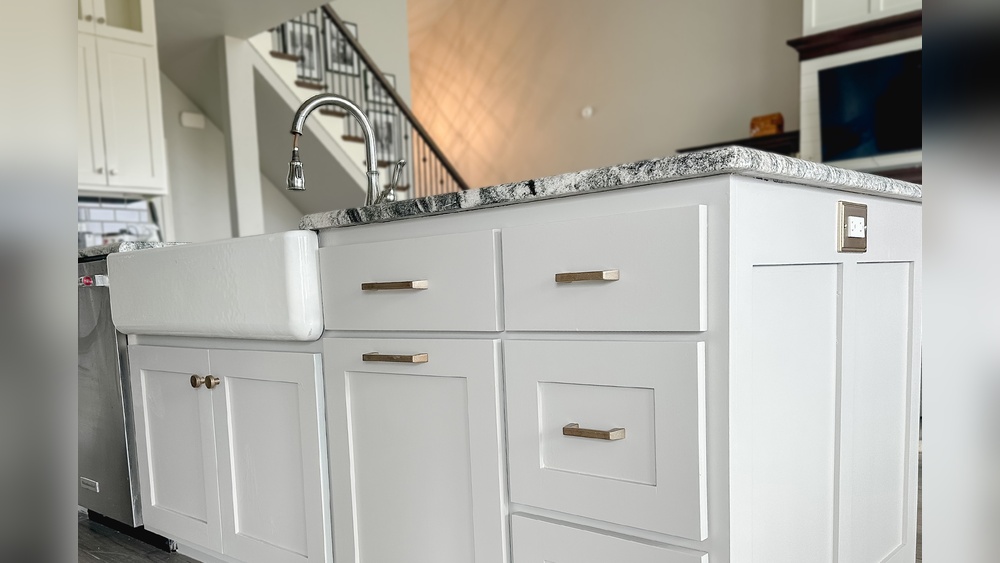
If your cabinet hardware has lost its shine or looks grimy, you don’t have to replace it just yet. You can bring back that gleam with a simple cleaning trick using ammonia.
Ammonia is a powerful cleaner that cuts through grease and stubborn stains faster than many other products. But to get the best results and keep your hardware safe, you need to know exactly how to use it. You’ll discover easy steps to clean your cabinet hardware with ammonia effectively and safely.
Ready to make your cabinets look like new again? Keep reading to learn the simple secrets!

Credit: www.youtube.com
Why Choose Ammonia For Cabinet Hardware
There are several alternative cleaning options for cabinet hardware. These alternatives can suit different needs and preferences. Some are safer and more natural, while others offer strong cleaning power. Choosing the right method depends on the type of hardware and your comfort with the cleaning agents.
Using Vinegar Safely
Vinegar is a mild acid that cleans gently and effectively. It removes soap scum and hard water stains well. Vinegar is safe for most surfaces but avoid using it on natural stone. Use it in a well-ventilated area to keep the air fresh. Dilute vinegar with water to reduce its acidity. Soak a cloth in the solution and wipe the hardware. Rinse with water and dry thoroughly to prevent damage.
Commercial Cleaners
Commercial cleaners are designed for specific types of hardware. Many contain ingredients that break down grease and grime fast. Choose a cleaner labeled safe for metal or cabinet hardware. Read the instructions carefully before use. Test the cleaner on a small hidden area first. Use gloves to protect your skin from harsh chemicals. Rinse hardware well after cleaning to remove residue.
Natural Cleaning Solutions
Natural options include baking soda and lemon juice. Baking soda acts as a gentle scrub that removes dirt. Make a paste with water and apply it to the hardware. Lemon juice breaks down buildup and adds shine. Use a soft cloth to rub lemon juice on the surface. Both are safe for most finishes and eco-friendly. Rinse and dry the hardware fully after cleaning.

Credit: business.walmart.com
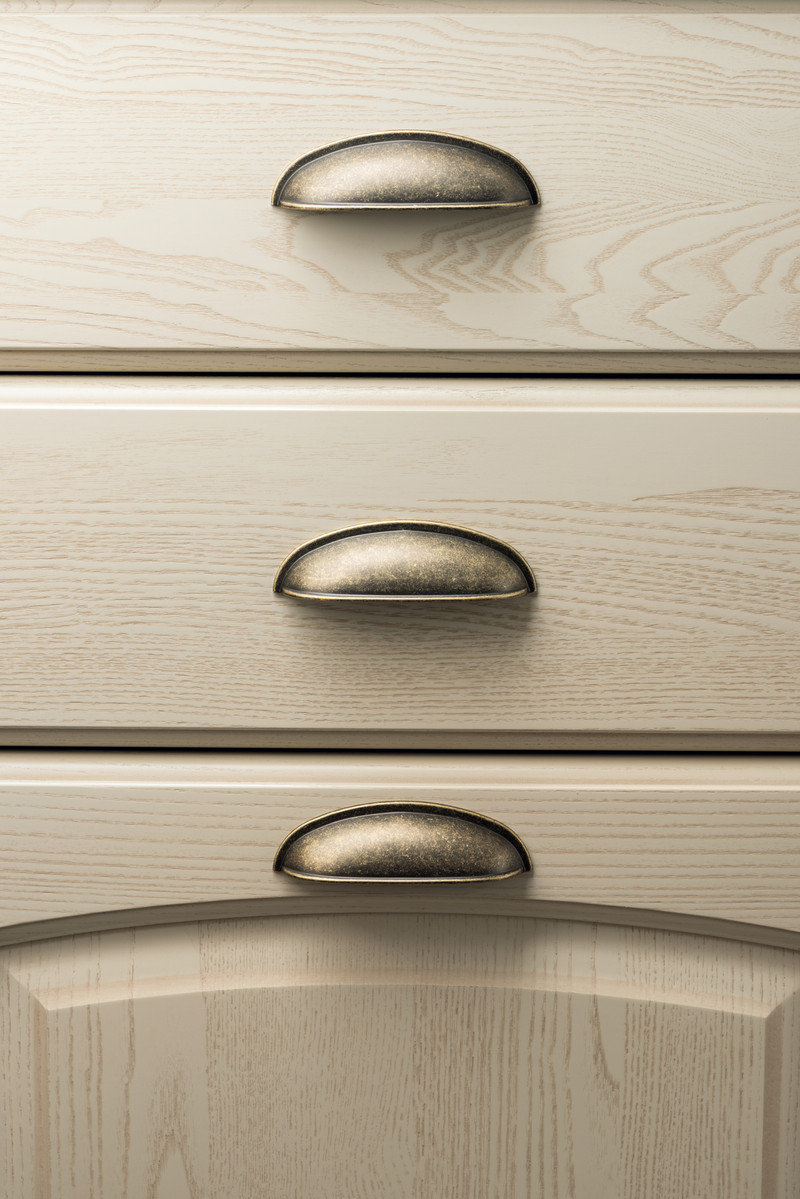
Credit: www.scavolini.com
Frequently Asked Questions
Is It Better To Clean With Vinegar Or Ammonia?
Ammonia cleans tough grease and stains but requires ventilation and care. Vinegar works well for general cleaning, is safer, and eco-friendly. Avoid mixing ammonia with bleach due to toxic gases. Choose based on cleaning strength and safety needs.
How Do You Clean Cabinet Hardware?
Clean cabinet hardware by wiping with a soft cloth and warm, soapy water. For tough grime, use diluted ammonia in a well-ventilated area. Avoid harsh chemicals on delicate finishes. Dry thoroughly to prevent rust and maintain shine. Repeat regularly for best results.
Will Ammonia Damage Brass?
Ammonia can damage brass by causing discoloration or corrosion if used improperly. Always dilute ammonia and rinse brass thoroughly after cleaning.
What Surfaces Should Not Be Cleaned With Ammonia?
Avoid cleaning wood, laminate, and finished surfaces with ammonia. It can damage natural stone and delicate finishes. Use ammonia only on non-porous, sturdy surfaces to prevent discoloration or surface harm.
Conclusion
Cleaning cabinet hardware with ammonia restores its shine quickly. Always work in a well-ventilated area to avoid fumes. Use gloves to protect your skin during cleaning. Avoid mixing ammonia with other cleaners to stay safe. This method removes tough grease and dirt effectively.
Regular cleaning keeps your hardware looking fresh and new. Simple steps can save time and effort. Try this easy way to refresh your cabinets today.