Have you ever struggled to remove a stubborn screw fastener that just won’t budge? You’re not alone.
Whether it’s a loose cabinet hinge, a tricky piece of furniture, or a small repair project, getting that screw out can be frustrating and time-consuming. But what if you could learn simple, effective techniques to make the process quick and hassle-free?
You’ll discover easy-to-follow tips and tricks that anyone can use to remove screw fasteners without damage or stress. Keep reading, and you’ll be ready to tackle your next project with confidence.
Types Of Screw Fasteners
Screw fasteners come in many types. Each type has a different head shape. Knowing these types helps you remove screws correctly. Using the right tool saves time and avoids damage.
Common Screw Heads
Most screws have common heads. The Phillips head has a cross shape. It fits a Phillips screwdriver. The flathead has a single slot. It works with a flat screwdriver. The Torx head looks like a star. It needs a Torx driver. Each head requires a matching tool. Using the wrong tool can strip the screw.
Specialty Screws
Some screws are made for specific jobs. Security screws have unique shapes. They prevent easy removal. Examples are spanner and tri-wing heads. These need special drivers. Hex screws have a hexagonal hole. They fit hex keys or Allen wrenches. Knowing these screws helps in removal. Use the exact driver to avoid damage.

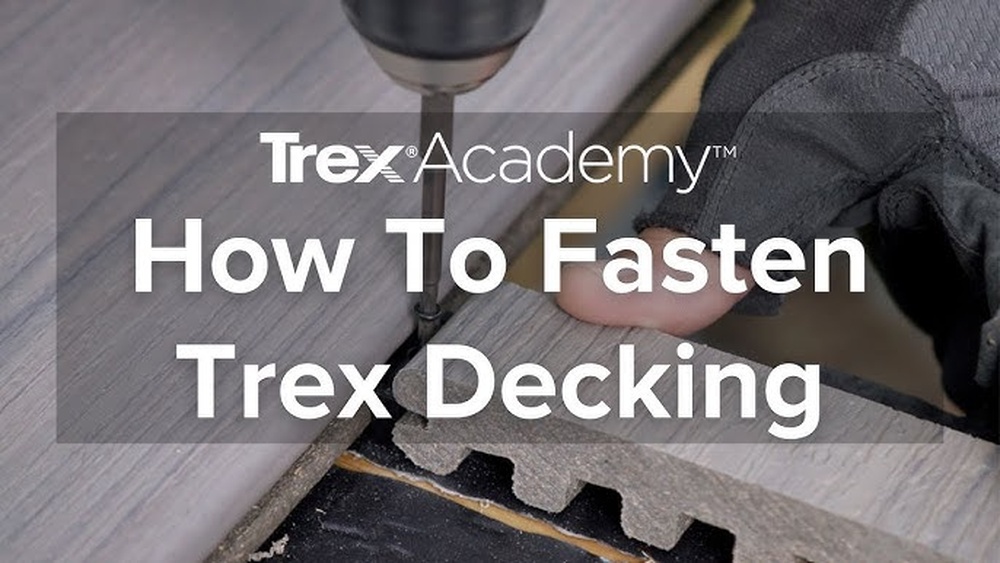
Credit: www.youtube.com
Tools Needed For Removal
Removing a screw fastener can be easy or hard. The right tools make the task faster and safer. Some jobs need simple tools. Others require power or special tools. Knowing what to use helps avoid damage and frustration.
Basic Hand Tools
Start with basic hand tools. A screwdriver is the most common tool. Choose the right type: flathead or Phillips. Use pliers to grip screws that are hard to turn. A wrench helps with bolts and nuts. These tools work well for most screws.
Power Tools
Power tools save time and effort. An electric screwdriver or drill can remove screws quickly. Use a drill with the correct bit size. This prevents stripping the screw head. Power tools are best for many screws or tough materials.
Specialized Extractors
Sometimes screws get stuck or broken. Specialized extractors remove damaged screws safely. These tools grip broken screws firmly. They work by turning screws out without extra damage. Keep an extractor kit handy for tough situations.
Preparing For Removal
Preparing for screw fastener removal is a key step to make the process smooth and safe. Taking time to get ready helps avoid damage to materials and tools. It also protects you from possible injuries.
Start by understanding the type of screw and its condition. This knowledge guides the choice of tools and methods. Proper preparation sets the stage for easy and successful removal.
Safety Precautions
Wear safety glasses to protect your eyes from debris. Use gloves to shield your hands from sharp edges. Make sure your workspace is well-lit and clean. Keep tools organized and within reach. Avoid loose clothing that can catch in tools. Take breaks if you feel tired to stay focused. Safety first prevents accidents and saves time.
Cleaning And Inspecting Screws
Remove dirt and rust from screw heads using a wire brush. Check for stripped or damaged heads that need special tools. Look for any signs of corrosion around screws. Clean screws help tools grip better and reduce slipping. Inspect the surrounding area for cracks or damage. Proper cleaning and inspection make removal easier and safer.

Credit: www.youtube.com
Techniques For Easy Removal
Removing screw fasteners can be tricky without the right methods. Using effective techniques makes the process smooth and saves time. Here are some simple ways to remove screws easily and safely.
Using The Right Screwdriver
Choose a screwdriver that fits the screw head perfectly. A loose fit can strip the screw and cause damage. Match the screwdriver type to the screw, like Phillips or flathead. Apply steady pressure and turn slowly. This prevents slipping and keeps the screw intact.
Applying Lubricants
Lubricants help loosen stuck screws. Apply a small amount of oil or WD-40 to the screw threads. Let it sit for 10-15 minutes. This reduces friction and makes turning easier. Use a cloth to wipe any extra lubricant before removing the screw.
Tapping And Heating Methods
Tapping the screw gently can break rust or debris bonds. Use a small hammer and tap the screwdriver handle lightly. Heating the screw with a heat gun or soldering iron expands metal. This loosens rust and helps the screw turn freely. Be careful not to overheat or damage surrounding materials.
Handling Stripped Or Damaged Screws
Stripped or damaged screws can stop any project fast. The head of the screw gets worn out or broken. This makes it hard to grip the screw with a screwdriver. Using the right method helps remove these screws without damage.
Using Rubber Bands Or Tape
Place a wide rubber band over the screw head. Press the screwdriver into the band. The rubber fills gaps and adds grip. This can help turn the screw out easily.
Sticky tape works too. Wrap it tightly on the screw head. Push the screwdriver down through the tape. This improves grip and prevents slipping.
Drilling And Extraction Tools
Use a drill bit smaller than the screw head. Drill slowly into the center of the screw. This loosens the screw and breaks the grip.
Extraction tools are made for stuck screws. They bite into the damaged head. Turn them counterclockwise to pull the screw out.
Alternative Removal Methods
Try tapping the screwdriver with a hammer. This can break rust or glue holding the screw.
Use pliers if the screw head sticks out. Grip the screw firmly and twist it out.
Heating the screw can expand the metal. This helps break the bond with the surface.
Preventing Future Removal Issues
Preventing problems with screw fastener removal saves time and effort. Taking simple steps during installation and maintenance keeps screws easy to remove later. This section covers key tips to avoid future issues.
Proper Screw Installation
Choose the right screw size for your project. Use a screwdriver that fits the screw head perfectly. Avoid overtightening screws to prevent stripping the head. Apply a small amount of lubricant like wax or soap to the screw threads. This helps screws turn smoothly and prevents rust build-up. Drive screws straight, not at an angle. Proper installation makes removal easier and protects materials.
Regular Maintenance Tips
Check screws regularly for signs of rust or corrosion. Clean screw heads with a brush to remove dirt. Apply a light coating of oil or lubricant to prevent rust. Tighten loose screws to stop damage from movement. Replace damaged screws promptly to avoid removal problems. Regular care keeps screws in good condition and easy to remove.

Credit: diy.stackexchange.com
Frequently Asked Questions
How Do I Safely Remove A Stuck Screw Fastener?
Use a screwdriver with the correct size and type. Apply firm, steady pressure while turning counterclockwise. For stubborn screws, try a penetrating oil or rubber band for extra grip.
What Tools Are Best For Removing Screw Fasteners?
Common tools include flathead, Phillips screwdrivers, and screw extractors. Choose the tool matching the screw head type for efficient removal.
Can I Remove Screw Fasteners Without Damaging The Surface?
Yes, use the right screwdriver and avoid excessive force. Place a cloth or tape under the screw to protect the surface.
How To Remove Stripped Screw Fasteners Effectively?
Use a rubber band between the screwdriver and screw head for grip. Alternatively, use a screw extractor kit designed for stripped screws.
Conclusion
Removing screw fasteners is easier with the right tools and steps. Start by choosing the correct screwdriver or bit. Turn the screw slowly and steadily to avoid damage. If the screw is stuck, try applying some lubricant or tapping it gently.
Patience helps prevent frustration and keeps your project safe. Practice these simple tips to remove screws smoothly every time. Keep your workspace organized and stay calm. You will get better with each try. Simple steps make a big difference in any repair task.