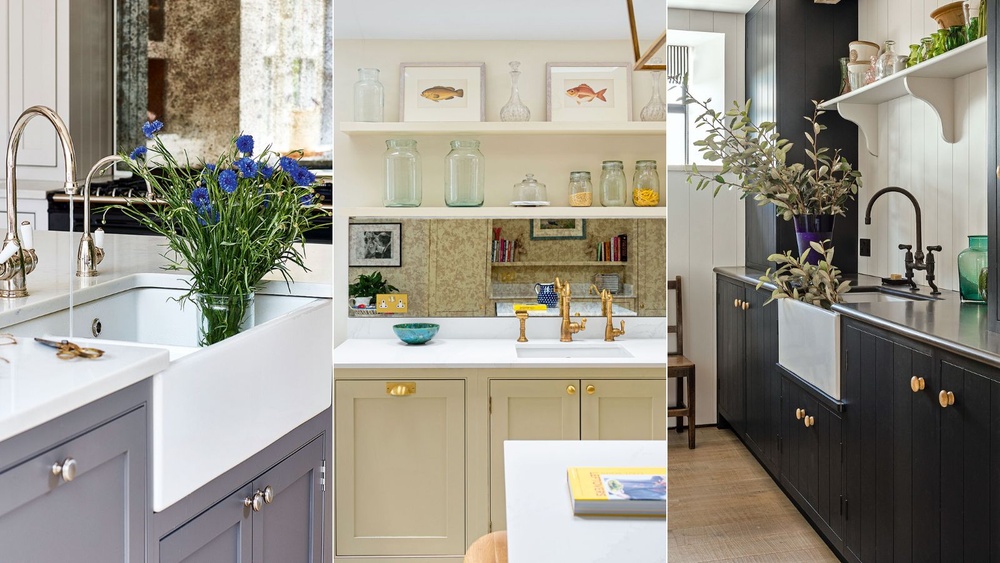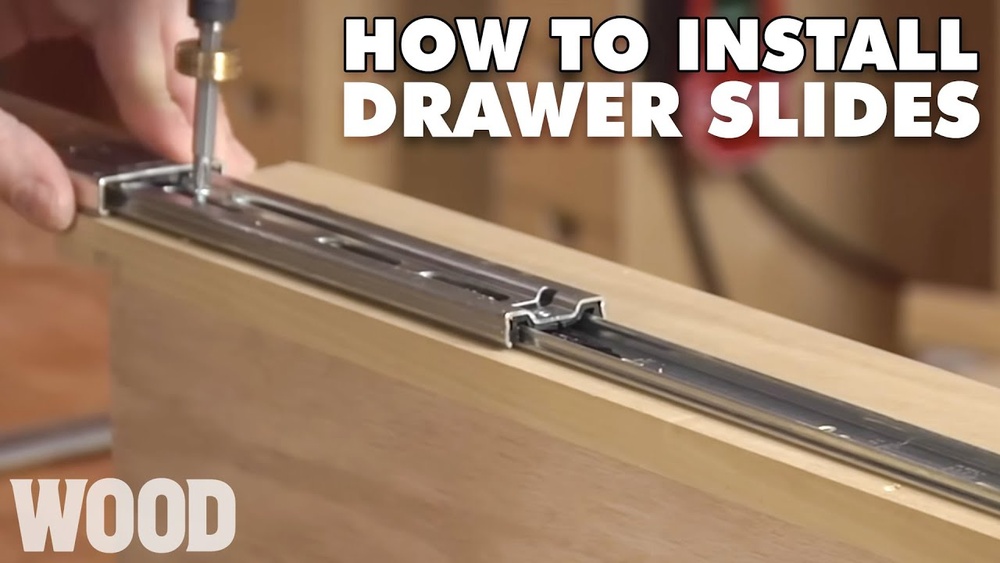
Are you ready to give your cabinets a fresh new look? Choosing the right hardware can transform your space, but measuring for new cabinet hardware can feel tricky.
If you get it wrong, those beautiful handles or knobs might not fit properly, leaving you frustrated and stuck. Don’t worry—this guide will walk you through the simple steps to measure your cabinets accurately. By the end, you’ll feel confident making the perfect choice and upgrading your kitchen or bathroom with ease.
Let’s get started and make sure your new hardware fits like a glove!
Tools Needed
Measuring for new cabinet hardware requires the right tools. These tools help get exact sizes. Accurate measurements avoid mistakes and ensure the hardware fits perfectly. Using simple tools makes the job easier and faster.
Measuring Tape
A measuring tape is the most common tool. It helps measure the distance between screw holes. Use a metal tape for better accuracy. Keep the tape straight for exact results.
Caliper
A caliper measures small distances with high precision. It is perfect for measuring hole diameter and hardware thickness. Digital calipers show easy-to-read measurements. This tool is useful for detailed work.
Pencil And Paper
Note down measurements clearly on paper. Use a pencil to mark points on cabinets. This helps avoid forgetting sizes. Write legibly to prevent confusion later.
Template Or Jig
A template or jig guides hardware placement. It ensures even spacing and alignment. You can buy a template or make one from cardboard. This tool saves time and improves accuracy.
Identify Hardware Types
Choosing new cabinet hardware starts with knowing the types available. Different hardware fits different needs and styles. Understanding these types helps you measure correctly and pick the right fit.
Hardware varies in shape, size, and how it mounts. Knowing these details avoids mistakes and saves time. It also makes your cabinets look great and work well.
Knobs Vs. Pulls
Knobs are small and round or square. They use one screw to attach to the door or drawer. Pulls are longer and need two screws. You hold pulls to open cabinets. Knobs are simpler to install and measure. Pulls offer more grip and style choices.
Handle Styles
Handles come in many shapes and designs. Some are straight bars, others curve or twist. Styles can be modern, classic, or rustic. Pick a style that fits your room’s look. The shape affects how you measure the length and screw spacing.
Mounting Options
Hardware mounts in different ways. Most use screws through the cabinet door. Some knobs and pulls have hidden screws. Others show screws on the front. Check how your cabinet hardware mounts. This changes the size and placement you need to measure.
Measure Existing Hardware
Measuring existing cabinet hardware is the first step to finding the right replacements. It ensures new handles or knobs fit perfectly without extra holes or repairs. Take your time and use a ruler or tape measure for accuracy.
Determine Hole Spacing
Hole spacing is the distance between the screw holes on your current hardware. Measure from the center of one hole to the center of the other. This measurement is crucial to match new hardware with existing holes.
Measure Overall Length
Overall length is the total size of the handle or pull. Measure from one end to the other, including the hardware’s base. This helps you choose a size that looks balanced on your cabinet doors or drawers.
Check Mounting Depth
Mounting depth is how far the screw goes into the cabinet door. Check the thickness of the hardware and the length of the screws. This ensures screws hold the hardware firmly without damaging the cabinet.
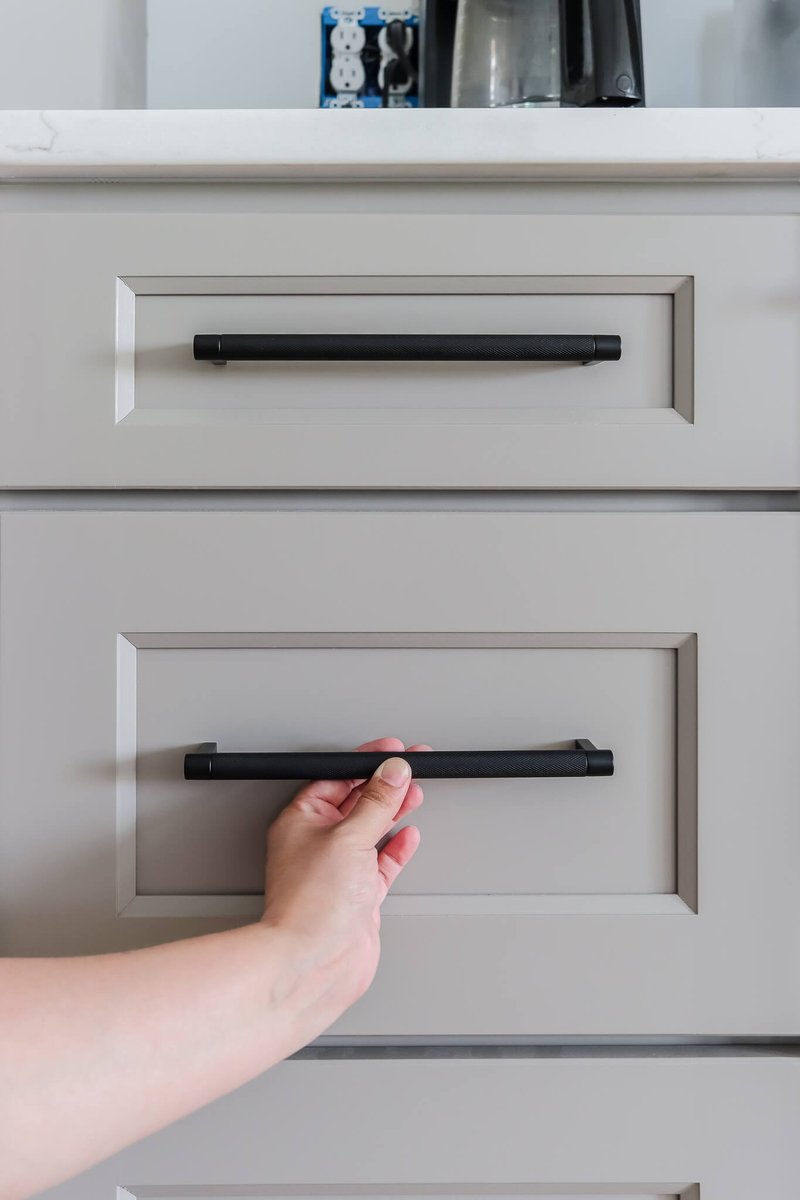
Credit: www.emtek.com
Measure Cabinet Doors And Drawers
Measuring cabinet doors and drawers is key for choosing the right hardware. Proper measurements ensure handles and knobs fit well and look balanced. This step helps avoid mistakes and saves time during installation.
Width And Height
Start by measuring the width and height of each door and drawer front. Use a tape measure and note the size in inches. Measure at the widest points. Accurate width and height help find hardware that fits the space perfectly.
Center Placement
Find the center point of the door or drawer for handle placement. Divide the width by two to locate the middle. Mark this spot lightly with a pencil. Centered hardware looks neat and feels comfortable to use.
Edge Clearance
Leave enough space between the edge of the door or drawer and the hardware. Measure at least one to two inches from the edge. This clearance prevents handles from hitting adjacent doors or drawers. It also gives a clean, balanced look.
Use Templates For Accuracy
Using templates ensures precise placement of new cabinet hardware. It reduces mistakes and saves time. Templates guide you to drill holes in the right spots. This keeps your cabinets looking neat and professional.
Creating A Template
Start with a piece of cardboard or thin wood. Measure the distance between holes on your new hardware. Mark these points on the template carefully. Cut the template to match the size of your cabinet door or drawer front. This helps you hold the template steady during marking.
Using Store-bought Jigs
Store-bought jigs come ready with common hole patterns. They are made from durable plastic or metal. These jigs fit on cabinet doors easily and stay in place. Use them to speed up the marking and drilling process. They provide consistent results every time.
Marking Drill Points
Place the template or jig firmly on the cabinet surface. Use a pencil to mark each hole through the template. Check marks twice before drilling. Use a small nail or awl to make starter holes. This prevents the drill from slipping and ruining the cabinet.
Credit: www.handlesandmore.ca
Double Check Measurements
Double checking your measurements is a key step before buying new cabinet hardware. It helps avoid mistakes and ensures a perfect fit. Taking time to review all dimensions saves you from costly errors and extra work later.
Measure twice, cut once. This old saying fits perfectly here. Precise measurements keep your project smooth and stress-free. Small errors can cause big problems with cabinet handles and knobs. Careful checking gives you confidence that your new hardware will look great and fit well.
Cross-referencing Dimensions
Start by comparing your measurements with the hardware specifications. Match the hole spacing and length of the handles carefully. Use a tape measure or ruler to confirm each number twice. Check both width and height measurements to avoid surprises. Cross-referencing stops you from buying hardware that won’t fit your cabinets.
Verifying Symmetry
Symmetry matters for a neat and balanced cabinet look. Measure the distance from edges to hardware holes on all doors and drawers. Make sure they match on opposite sides and levels. Symmetrical hardware placement creates harmony in your kitchen or bathroom. Double check these measurements to keep everything aligned and even.
Adjusting For New Hardware
New hardware may need adjustments to fit old holes. Check if the hole size and spacing match your new handles or knobs. Sometimes you need to fill old holes or drill new ones. Measure carefully before any drilling or filling. Adjustments require patience but lead to a clean, professional finish.
Common Measurement Mistakes
Measuring for new cabinet hardware can be tricky. Many people make simple mistakes that cause problems later. These errors can lead to holes that don’t line up or handles that don’t fit well. Understanding common measurement mistakes helps you avoid wasted time and money.
Careful measuring ensures your new hardware fits perfectly. Pay attention to details and take your time. Here are some common mistakes to watch out for.
Ignoring Existing Hole Patterns
Many cabinets already have holes from old hardware. Ignoring these hole patterns can cause trouble. New hardware may not fit over old holes. This leaves visible marks and weak spots on your cabinets.
Measure the distance between existing holes first. Choose hardware that matches or plan to fill extra holes carefully.
Misreading Tape Or Ruler
Reading measurements wrong is common. Sometimes the tape measure slips or the ruler is off. Small errors add up and ruin your fit.
Measure twice to be sure. Use a clear ruler or tape with large numbers. Keep the tape straight and flat for best accuracy.
Not Accounting For Hardware Style
Different hardware styles have different sizes and shapes. Some handles need more space for fingers. Knobs might stick out more or less.
Measure not just the hole distance but also the size of the hardware. This ensures it looks good and feels comfortable to use.
Tips For Different Cabinet Materials
Measuring for new cabinet hardware changes slightly based on the cabinet material. Each material has unique features that affect how you measure and install hardware. Knowing these tips helps get accurate measurements and a smooth installation.
Wood Cabinets
Wood cabinets are soft and easy to work with. Use a ruler or tape measure to find the exact hole distance. Measure twice to avoid mistakes. Mark holes lightly with a pencil before drilling. Wood holds screws well, so standard hardware fits easily.
Laminate Surfaces
Laminate surfaces need careful measuring to avoid damage. Use a ruler to measure hole spacing precisely. Avoid pressing hard with pencils to prevent marks. Drill slowly and use a small drill bit first. This prevents cracks or chips around the holes.
Metal Cabinets
Metal cabinets require special tools for measuring and drilling. Use a tape measure to check hole distances. Mark holes clearly with a fine-tip marker. Use a drill bit made for metal to prevent damage. Drill carefully to keep the metal smooth and clean.

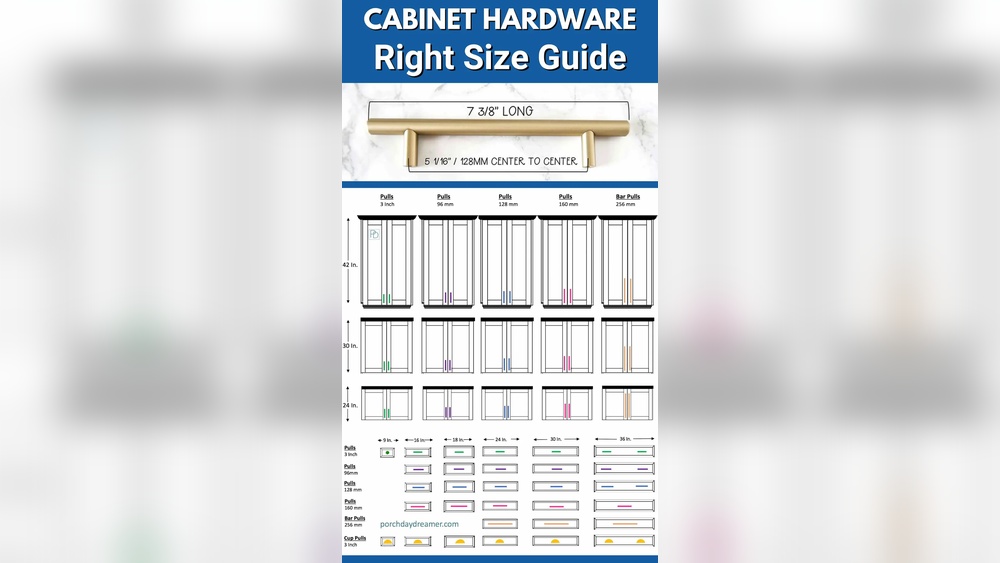
Credit: porchdaydreamer.com
Frequently Asked Questions
How Do I Measure Cabinet Hardware Correctly?
Measure the distance between screw holes, called the center-to-center. Use a ruler or tape measure for accuracy. Always double-check measurements before purchasing new hardware to ensure a perfect fit.
What Tools Do I Need To Measure Cabinet Hardware?
You need a tape measure or ruler and a pencil. These tools help you measure hole spacing and mark placement accurately. Having a level can also ensure hardware alignment during installation.
Why Is Measuring Center-to-center Important For Hardware?
Center-to-center measurement ensures new hardware matches existing hole spacing. This avoids drilling new holes or filling old ones. It guarantees a smooth installation and maintains your cabinet’s appearance.
Can I Reuse Old Hardware Measurements For New Ones?
Yes, if new hardware matches the old hole spacing exactly. Always verify measurements to prevent mistakes. Different styles or sizes may require new measurements for the best fit.
Conclusion
Measuring cabinet hardware is simple with the right steps. Use a ruler or tape measure for accuracy. Check the distance between screw holes carefully. Write down all measurements before buying hardware. This helps avoid mistakes and ensures a good fit.
Take your time and double-check numbers. Proper measurement makes your cabinet look neat and professional. Enjoy your updated space with confidence.