Are you struggling with a stubborn drive fastener that just won’t budge? Removing drive fasteners can be tricky if you don’t know the right steps.
But don’t worry—this guide will show you simple, effective methods to get the job done quickly and safely. Whether you’re fixing your car or working on a DIY project, learning how to remove drive fasteners the right way will save you time and frustration.
Keep reading to discover easy tips and tricks that anyone can follow!

Credit: www.reddit.com
Types Of Drive Fasteners
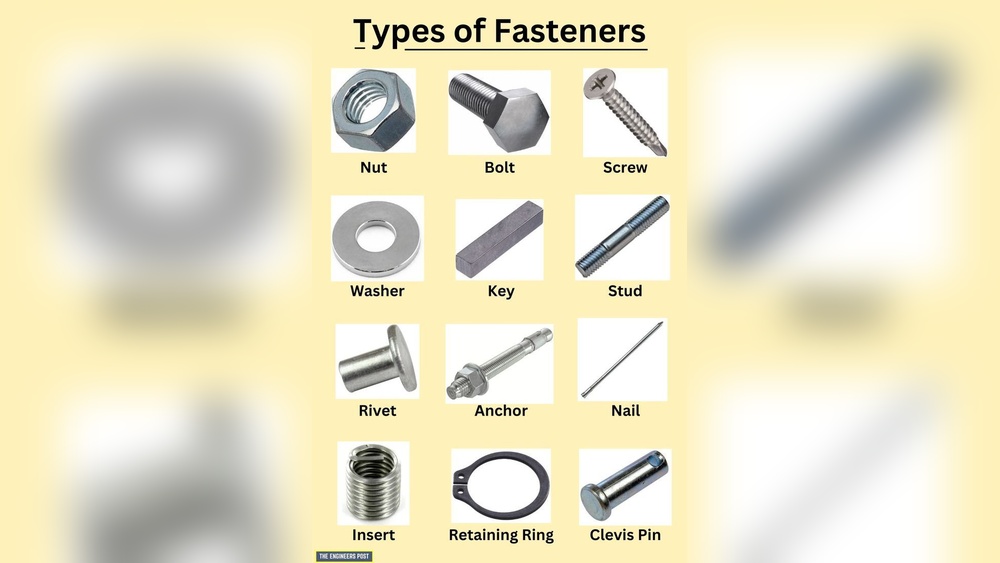
Drive fasteners hold parts together in many projects. They come in different shapes and sizes. Each type needs a certain tool to remove it safely. Knowing the types helps you choose the right method to remove them.
Common Drive Fasteners
Common fasteners include screws, bolts, and nails. Screws often have a slotted or Phillips head. Bolts usually need a wrench or socket to remove. Nails are pulled out with a claw hammer or pry bar. These fasteners are easy to find and remove with basic tools.
Specialized Fasteners
Specialized fasteners are less common but important. Torx, hex, and security screws fall in this group. Torx screws have a star-shaped head. Hex screws have a six-sided shape. Security screws have unique heads to prevent tampering. These need special drivers or bits to remove. Using the wrong tool can damage the fastener or the material.

Credit: www.reddit.com
Tools Needed For Removal
Removing a drive fastener needs the right tools. Using proper tools makes the job easier and safer. This section lists the tools you need for removal. It covers basic hand tools, power tools, and safety equipment.
Basic Hand Tools
Start with simple hand tools. A flathead screwdriver helps pry out fasteners gently. A Phillips screwdriver fits many screw types. Needle-nose pliers grab and pull out small parts. A trim removal tool prevents damage to surfaces. These tools are common and useful for many tasks.
Power Tools
Power tools speed up fastener removal. A cordless drill with screwdriver bits works well. It saves time and reduces effort. An impact driver handles stubborn or rusted fasteners. Use a rotary tool with a cutting wheel for tough cases. Power tools must be handled carefully.
Safety Equipment
Safety is very important during removal. Wear safety glasses to protect your eyes. Gloves shield your hands from cuts and scrapes. Use ear protection if power tools make loud noise. Keep a clean workspace to avoid accidents. Safety gear helps prevent injuries.
Preparation Before Removal
Before removing a drive fastener, preparation is key. Taking time to prepare helps avoid damage and saves effort. Proper preparation makes the task smoother and safer. Follow these steps to get ready for removal.
Clearing The Work Area
Start by cleaning the area around the fastener. Remove dirt, dust, and debris that can block your tools. A clear space gives better access and helps prevent accidents. Keep the area well-lit to see details clearly.
Inspecting The Fastener
Look closely at the fastener. Check its type, size, and condition. Notice if it is rusty, stuck, or damaged. This helps choose the best method and tool for removal. Knowing the fastener’s state reduces the risk of breakage.
Choosing The Right Tool
Select a tool that fits the fastener perfectly. Using the correct tool prevents slipping and stripping the fastener head. Common tools include screwdrivers, pliers, and socket wrenches. Match the tool size to the fastener for best results.

Credit: helpcenter.ameriwoodhome.com
Step-by-step Removal Process
Removing a drive fastener can seem tricky. Following a clear step-by-step process makes it easier. Each step ensures safety and helps avoid damage. This guide breaks down the removal into simple parts. Learn to loosen, remove, and handle tough fasteners with ease.
Loosening The Fastener
Start by selecting the right tool. Use a screwdriver or wrench that fits the fastener. Turn the fastener slowly to avoid stripping it. Apply steady pressure while turning counterclockwise. If it feels stuck, try tapping the tool gently. This can help break the initial tightness.
Removing Stuck Fasteners
Stuck fasteners need extra care. Spray a small amount of penetrating oil around the fastener. Let it sit for 5 to 10 minutes. Use a wrench to try loosening again. Use a rubber mallet to tap the wrench lightly. This helps to loosen rust or dirt holding it tight.
Handling Stripped Or Damaged Fasteners
Stripped fasteners lose their grip. Use pliers to grab the fastener head firmly. Turn the pliers slowly to remove the fastener. If pliers don’t work, use a fastener extractor tool. Drill a small hole in the fastener first. This tool grips damaged fasteners for easy removal.
Tips For Quick And Safe Removal
Removing a drive fastener quickly and safely needs the right approach. Using proper tools and methods saves time and prevents damage. Follow these tips to make the process smooth and safe.
Applying Lubricants
Lubricants help loosen stuck fasteners. Spray a small amount on the fastener and wait for a few minutes. This softens rust and dirt. It makes turning the fastener easier. Use penetrating oil or WD-40 for best results.
Using Proper Techniques
Use the correct screwdriver or socket size. This prevents slipping and stripping the fastener. Turn slowly and steadily to avoid damage. Apply steady pressure. Use tools with good grip for better control.
Avoiding Common Mistakes
Do not force the fastener too hard. Forcing can strip or break it. Avoid using wrong tools that don’t fit. Skip using excessive force without lubricant. Clean the fastener before starting. These steps reduce risks and save effort.
After Removal Care
After removing a drive fastener, taking proper care is essential. This step ensures the area stays clean and the parts remain in good shape. It also helps you decide if the fasteners can be reused or need replacement. Proper after removal care extends the life of your vehicle parts and prevents future problems.
Cleaning The Area
Remove any dirt or debris from the fastener hole or surrounding surface. Use a soft brush or cloth to wipe the area gently. Avoid using harsh chemicals that can damage the material. Keeping the area clean prevents rust and makes reinstalling easier.
Inspecting For Damage
Check the removed fastener for cracks, bends, or wear. Look closely at the hole or surface for any signs of damage. Damaged fasteners or holes can cause loose fittings later. Replace any parts that show signs of wear or damage to keep everything secure.
Storing Or Replacing Fasteners
If the fastener is still in good condition, store it in a safe place. Use a labeled container to avoid losing small parts. If damaged, replace the fastener with the correct size and type. Using the right fastener ensures proper fit and safety.
Frequently Asked Questions
What Tools Do I Need To Remove A Drive Fastener?
You need a flathead screwdriver or a trim removal tool. A pair of pliers can help with stubborn fasteners. Always use tools that fit the fastener size to avoid damage during removal.
How Can I Safely Remove A Plastic Drive Fastener?
Gently pry under the fastener head with a flathead screwdriver. Avoid using excessive force to prevent breaking the fastener. Work slowly around the edges until it loosens and can be pulled out.
Can I Reuse Drive Fasteners After Removal?
Yes, you can reuse drive fasteners if they are undamaged. Inspect for cracks or deformation before reinstallation. If damaged, replace with the same size and type for secure fitting.
What Common Mistakes Should I Avoid When Removing Fasteners?
Avoid using excessive force that can break the fastener or damage panels. Don’t use incorrect tools that don’t fit the fastener head. Work patiently to prevent unnecessary damage or costly repairs.
Conclusion
Removing a drive fastener is simple with the right steps. Use the correct tools and apply gentle force. Avoid rushing to prevent damage to parts. Take your time and work carefully. Practice makes the process easier and faster. Now, you can remove drive fasteners safely and confidently.
Keep these tips in mind for your next project.