Are you planning to upgrade your kitchen cabinets but unsure how to measure the hardware correctly? Getting the right measurements for cabinet handles and knobs is easier than you think, yet it’s a step many overlook.
Imagine buying new hardware that doesn’t fit or looks awkward—frustrating, right? You’ll learn simple and clear ways to measure your kitchen cabinet hardware perfectly. By the end, you’ll feel confident choosing the right size that matches your style and makes your kitchen look stunning.
Keep reading to avoid costly mistakes and make your kitchen makeover smooth and satisfying.
Types Of Kitchen Cabinet Hardware
Kitchen cabinet hardware comes in many forms. These pieces help you open and close cabinets easily. They also add style and character to your kitchen space.
Choosing the right hardware depends on your needs and kitchen design. Each type has its own function and look. Understanding the main types helps you pick the best fit.
Knobs Vs Pulls
Knobs are small and round or square pieces. They attach to the cabinet door with one screw. Knobs are simple and easy to install. They work well on both drawers and doors.
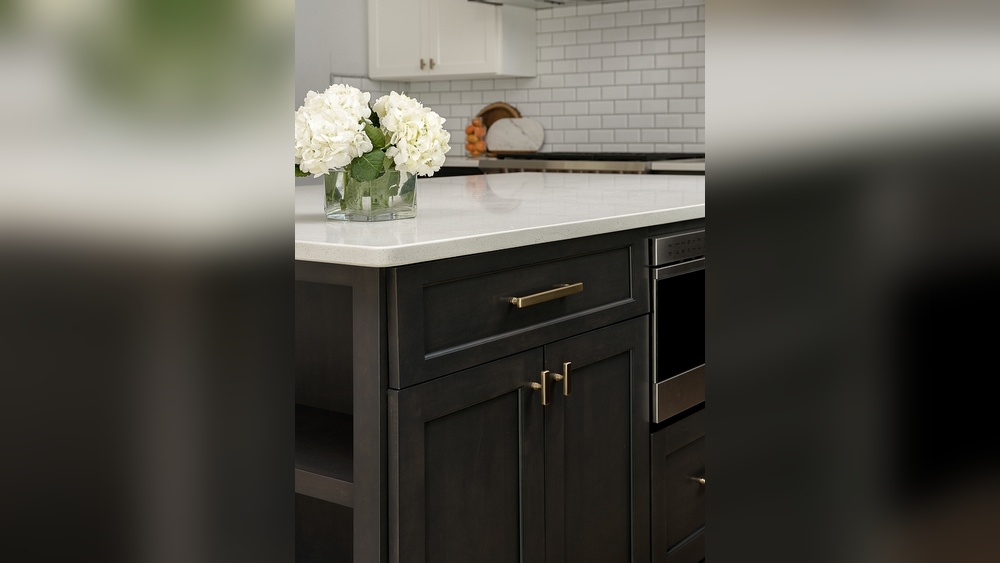
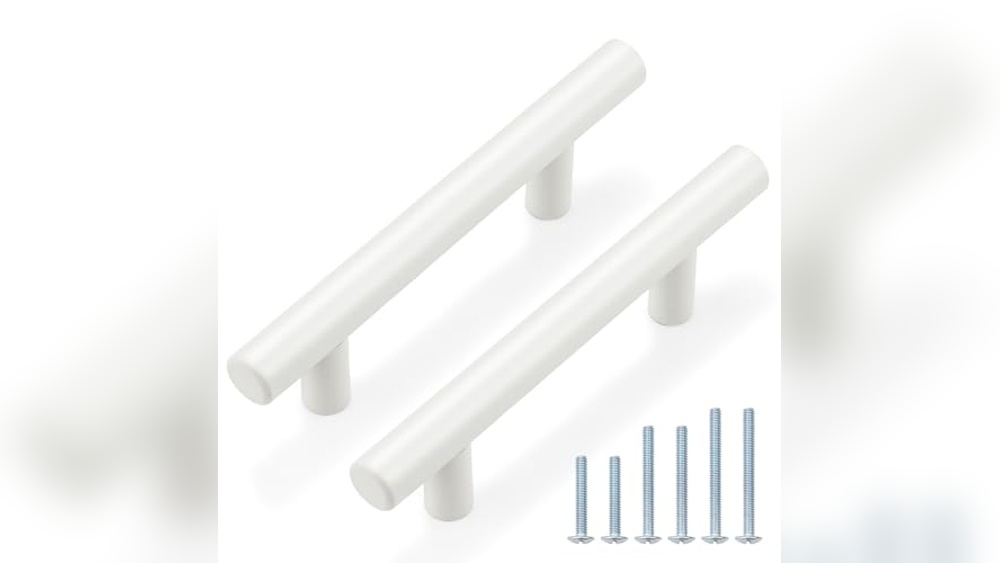
Pulls are longer handles. They usually need two screws for attachment. Pulls give a modern look and better grip. They are popular for larger drawers and doors.
Choosing between knobs and pulls depends on style and comfort. Knobs suit traditional kitchens. Pulls fit modern or farmhouse styles.
Hinges And Their Variations
Hinges allow cabinet doors to swing open and close. Different types fit different cabinet styles. Some hinges are visible, while others stay hidden.
Overlay hinges sit on the cabinet frame and are visible. Concealed hinges hide inside the cabinet for a clean look. Soft-close hinges prevent doors from slamming shut.
Choosing the right hinge affects door movement and durability. Make sure hinges match your cabinet doors and usage.
Slides And Drawer Systems
Slides guide drawers when opening and closing. They come in side-mount, under-mount, and center-mount types. Side-mount slides are strong and easy to install.
Under-mount slides hide beneath the drawer for a neat look. Center-mount slides support small drawers only. Soft-close slides stop drawers from slamming.
Good slides make drawers glide smoothly and last longer. Pick slides based on drawer size and weight.
Standard Hardware Sizes
Standard hardware sizes help you choose the right knobs, pulls, and hinges for kitchen cabinets. These sizes fit most cabinets and make installation easier. Knowing these measurements saves time and ensures a neat look. Below are the common sizes for each type of hardware.
Common Knob Dimensions
Knobs usually measure between 1 inch and 1.5 inches in diameter. This size fits well on most cabinet doors and drawers. Smaller knobs work well for delicate cabinets. Larger knobs offer a bold look and better grip. Round knobs are the most popular, but square and oval shapes also follow standard sizes.
Popular Pull Lengths
Pull handles come in various lengths, with 3 inches and 5 inches being the most common. The length refers to the distance between the screw holes. Longer pulls, like 7 or 8 inches, fit wider drawers and doors. Choose a pull size that matches your cabinet size for balance. Pulls come in straight or curved styles, keeping the same hole spacing.
Hinge Size Options
Hinges for kitchen cabinets often come in 2-inch or 3-inch sizes. These sizes suit most cabinet doors. European-style hinges are adjustable and fit many door thicknesses. Surface-mounted hinges are usually smaller and easier to install. Pick hinges that align with your cabinet type and door weight for smooth operation.
Measuring For Cabinet Knobs And Pulls
Measuring for cabinet knobs and pulls is key to a smooth installation. Proper measurement ensures the hardware fits well and looks balanced on your kitchen cabinets. It helps avoid mistakes that can damage the cabinet or cause uneven placement. Take your time and measure carefully. This way, your kitchen hardware will be both functional and attractive.
Measuring Center-to-center Distance
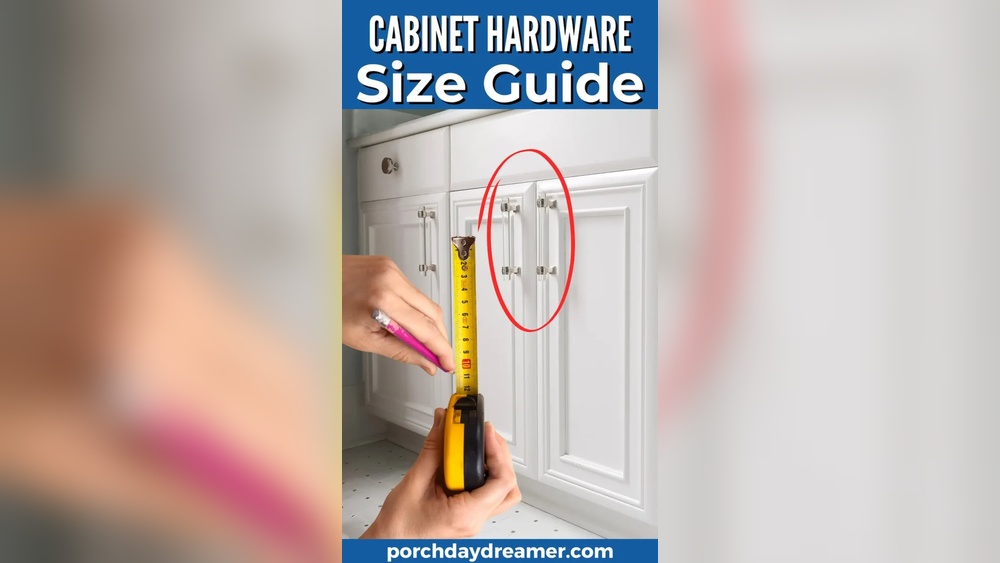
The center-to-center distance is the space between the screw holes on a pull. This measurement is crucial for matching hardware to your cabinet doors or drawers. Use a ruler or tape measure to find the exact distance between the holes. Write down this number to find pulls that fit perfectly. Standard sizes include 3, 4, 5, and 6 inches.
Determining Overall Length
The overall length is the total length of the knob or pull. This size affects the look and feel of your cabinet hardware. Measure the hardware from one end to the other, not just the screw holes. Choose a length that suits the size of your cabinet door or drawer. Larger cabinets often need longer pulls for better grip and style.
Height And Projection Considerations
Height and projection measure how far the hardware sticks out from the cabinet surface. This affects comfort and space around the cabinet. Measure the distance from the base of the hardware to the tip. Consider how much room you have between cabinets or appliances. Hardware with too much projection might get in the way or catch on clothing.
Credit: www.handlesandmore.ca
Measuring Hinges And Drawer Slides
Measuring hinges and drawer slides is key for installing kitchen cabinet hardware correctly. Accurate measurements ensure smooth door and drawer movement. They also help avoid damage and improve cabinet lifespan. Understanding the main measurements helps you pick the right hardware for your cabinets.
Hinge Overlay And Inset Measurements
Hinge overlay is the part of the door that covers the cabinet frame. Measure the overlay by checking how much the door covers the cabinet side. Inset means the door sits inside the cabinet frame. Measure the inset by the gap between the door and frame edges. These measurements help find hinges that fit your cabinet style.
Slide Length And Weight Capacity
Slide length is the distance the drawer slide covers inside the cabinet. Measure from the front to the back of the drawer space. Weight capacity shows how much load the slides can carry. Check the maximum weight your drawers will hold. Pick slides with enough length and strength for your needs.
Mounting Plate Dimensions
Mounting plates connect hinges to the cabinet frame. Measure the plate’s height, width, and hole spacing. These dimensions must match the cabinet and hinge type. Correct mounting plate size keeps hinges stable and doors aligned. Always measure carefully before buying mounting plates.
Tools Needed For Accurate Measurement
Accurate measurement is key when choosing hardware for kitchen cabinets. Using the right tools helps you get precise results. This avoids mistakes and saves time and money. Different tools serve different purposes in the measuring process.
Tape Measures And Rulers
Tape measures are flexible and can measure long distances. They are perfect for cabinet doors and drawer fronts. Rulers work well for smaller, straight edges. Both tools are easy to use and widely available. Use a tape measure for curves and a ruler for flat surfaces.
Calipers And Gauges
Calipers measure thickness and depth with great accuracy. They are ideal for small hardware parts like knobs and pulls. Gauges help check the spacing between holes. These tools give precise measurements in millimeters or inches. They are essential for fitting hardware perfectly.
Templates And Measuring Guides
Templates show exact hole placement for knobs and handles. They reduce guessing and ensure uniformity. Measuring guides help mark holes quickly and evenly. Both tools speed up the installation process. Templates and guides are especially useful for multiple cabinets.

Credit: www.dekkorinc.com
Tips For Choosing The Right Hardware Size
Choosing the right hardware size for kitchen cabinets is important. It affects both the look and function of your kitchen. The right size makes cabinets easy to open and adds style. The wrong size can make doors hard to use or look odd. Here are some tips to help pick the right hardware size.
Matching Cabinet Style And Hardware
Hardware should fit the cabinet style. Small cabinets suit smaller knobs or pulls. Large cabinets need bigger hardware to look balanced. Modern cabinets often use sleek, simple handles. Traditional cabinets look good with detailed, classic hardware. Match the hardware size to the cabinet design for a neat look.
Ergonomics And Usability
Hardware must be easy to use. Handles and knobs should be comfortable to grab. Choose sizes that fit your hand well. Large pulls work better for heavy drawers. Small knobs suit light doors. Test hardware to ensure it opens cabinets without trouble.
Balancing Aesthetics And Function
Hardware should look good and work well. Avoid hardware too big or too small for cabinets. Large hardware can overpower small cabinets. Small hardware may get lost on big doors. Find a size that feels right and looks nice. Balance style with practical use for best results.
Common Measurement Mistakes To Avoid
Measuring hardware for kitchen cabinets can be tricky. Small mistakes can lead to doors or drawers that do not fit well. This section covers common errors people make during measurement. Avoiding these will save time and money.
Ignoring Door Thickness
Door thickness affects the size of the hardware needed. Many forget to measure this first. If hardware is too long or short, it won’t fit properly. Always check the door thickness before choosing handles or knobs.
Overlooking Cabinet Face Frame
Some cabinets have a face frame around the door. This frame changes where screws can go. Ignoring it can cause hardware to be placed incorrectly. Measure the frame width to find the right spot for hardware.
Misreading Center-to-center Distances
Center-to-center distance is the space between screw holes on hardware. Misreading this measurement leads to holes that do not line up. Use a ruler or tape measure carefully. Double-check this distance before drilling.

Credit: ccom.cat
Custom Hardware Measurement Considerations
Custom hardware measurement for kitchen cabinets needs careful thought. Every cabinet is different. Each design and material affects the hardware size and fit. Accurate measurements avoid mistakes and wasted money. This section covers key points for custom hardware measurement.
Unique Cabinet Designs
Custom cabinets often have shapes that standard hardware does not fit. Curves, angles, or extra details change where screws go. Measure carefully the distance between holes. Check the depth and width of the cabinet face. Note any unusual curves or edges that hardware must clear.
Special Material Constraints
Some cabinets use materials like glass, metal, or thick wood. These materials need specific screws or anchors. Measure the thickness exactly to pick the right hardware length. Soft materials may need wider bases to spread pressure. Hard surfaces might require pre-drilling holes for screws.
Custom Mounting Solutions
Custom cabinets may need unique mounting methods. Some hardware mounts on the side instead of the front. Others require special plates or brackets. Measure all surfaces where hardware will attach. Check the space behind the cabinet for bolts or fasteners. Note any obstacles that affect mounting options.
Frequently Asked Questions
What Is The Standard Measurement For Kitchen Cabinet Hardware?
The standard measurement for kitchen cabinet hardware is the center-to-center distance between screw holes. Most common sizes are 3, 3. 5, 4, 5, and 6 inches, depending on the style and design of the hardware piece.
How Do You Measure Cabinet Hardware Accurately?
Measure the distance between the centers of the mounting holes with a ruler or tape. This center-to-center measurement ensures you get the right replacement or matching hardware for your cabinets.
Why Is Center-to-center Measurement Important For Cabinet Hardware?
Center-to-center measurement ensures hardware fits existing holes. It prevents drilling new holes, maintaining cabinet integrity and aesthetics while saving time and effort during installation or replacement.
Can Cabinet Hardware Sizes Vary By Cabinet Type?
Yes, sizes can vary based on cabinet door style and manufacturer. Always measure your specific cabinet hardware before purchasing to ensure compatibility and a perfect fit.
Conclusion
Choosing the right hardware measurement helps cabinets look neat and work well. Always measure carefully before buying knobs or pulls. Small mistakes can cause big problems later. Use simple tools like a ruler or tape measure. Remember, even small details matter in kitchen design.
Taking time to measure saves effort and money. Good hardware fits perfectly and feels comfortable to use. Keep these tips in mind for better results every time.