When it comes to upgrading your kitchen or bathroom, small details can make a big difference. One of those details is cabinet hardware.
But where do you put cabinet hardware to get the best look and the most functionality? You might think it’s just about drilling holes wherever you like, but the right placement can change the entire feel of your space. You’ll discover simple tips and tricks to position your cabinet knobs and pulls like a pro.
By the end, you’ll know exactly where to place your hardware to make your cabinets look stylish and work perfectly for you. Keep reading—you’re about to transform your cabinets with ease!
Choosing Hardware Types
Choosing the right hardware type is important for cabinet function and style. Hardware affects how easy it is to open doors and drawers. It also changes the look of your kitchen or bathroom. Think about what fits your needs and design.
Knobs Vs Pulls
Knobs are small and round. They work well on cabinet doors. Pulls are longer and easier to grab. They suit drawers or larger doors. Choose knobs for a simple, classic feel. Pulls offer more grip and a modern touch.
Material And Finish Options
Hardware comes in many materials like metal, wood, or plastic. Metal is strong and lasts long. Finishes vary from shiny chrome to matte black. Pick a finish that matches other room details. Consider durability and how it will wear over time.
Matching Hardware To Cabinet Style
Match hardware style to your cabinet design. Traditional cabinets suit ornate or vintage knobs. Modern cabinets look good with sleek, simple pulls. Rustic cabinets pair well with aged or bronze hardware. The right match makes cabinets look complete and neat.
Credit: www.kraftmaid.com
Standard Placement Guidelines
Standard placement guidelines help you install cabinet hardware correctly. Proper placement makes cabinets easy to use and look good. This guide covers height, distance, and exact spots for handles and knobs.
Height And Distance Measurements
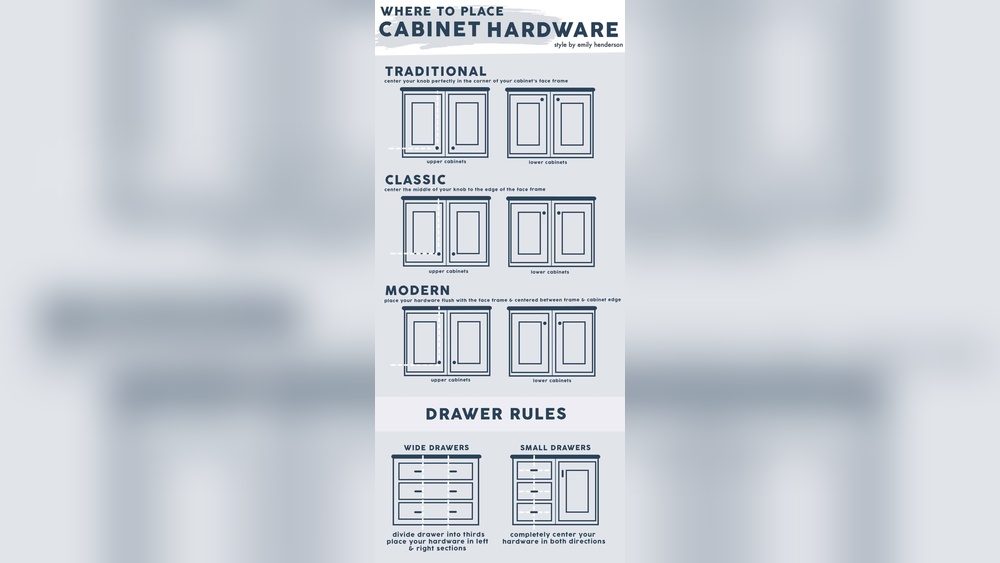
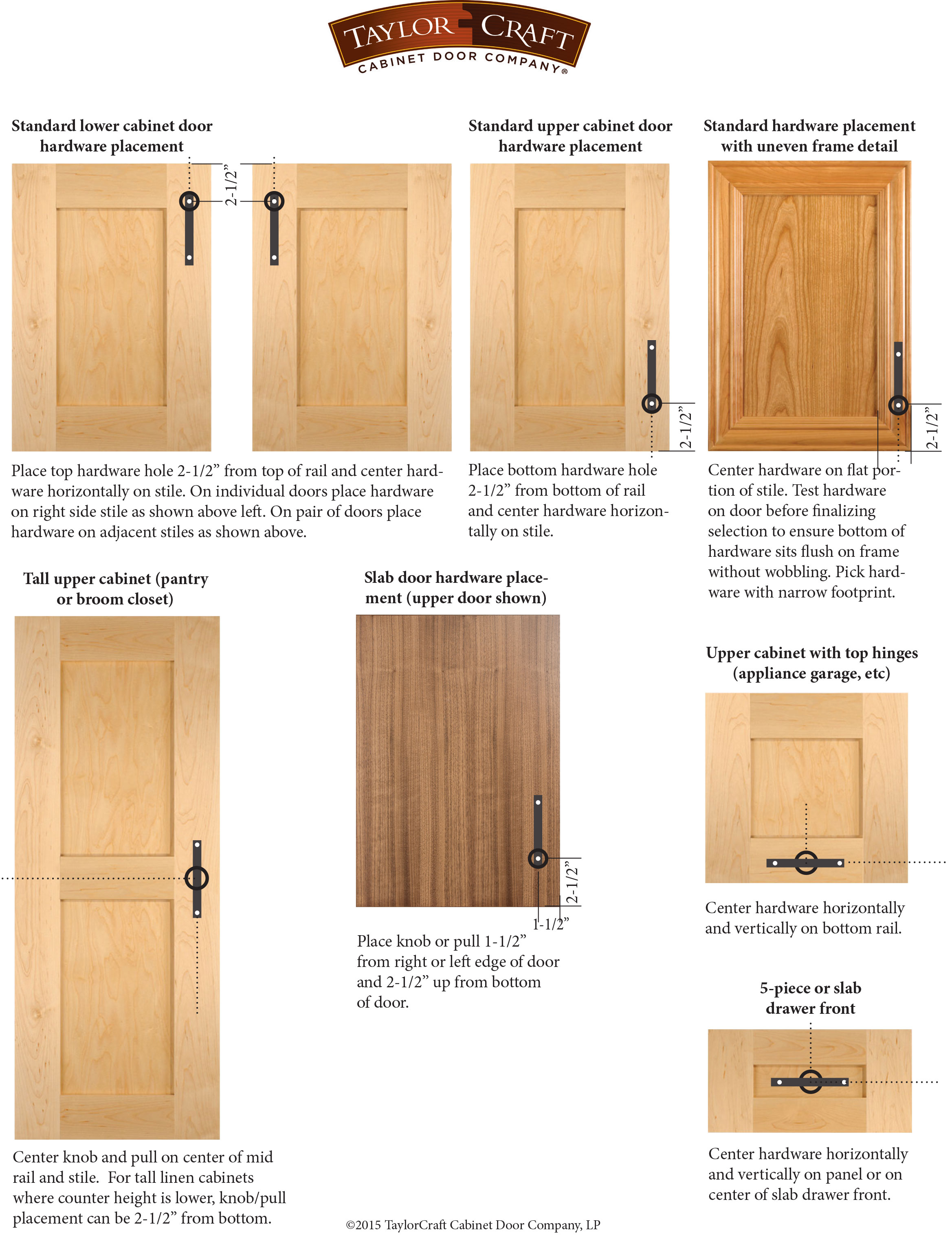
Measure hardware height from the cabinet bottom or top edge. For upper cabinets, place handles 2 to 3 inches from the bottom edge. For lower cabinets, place handles 2 to 3 inches from the top edge.
Keep the distance consistent across all cabinets. This creates a clean, balanced look. Use a ruler or tape to measure each spot carefully. Align hardware so it feels natural to the hand.
Placement On Drawers
Place drawer pulls centered horizontally on the drawer front. Center them vertically as well, for a balanced look. The pull should be easy to reach and pull open.
For small drawers, place knobs in the middle. Large drawers work better with handles centered. Avoid placing hardware too close to the edges.
Placement On Doors
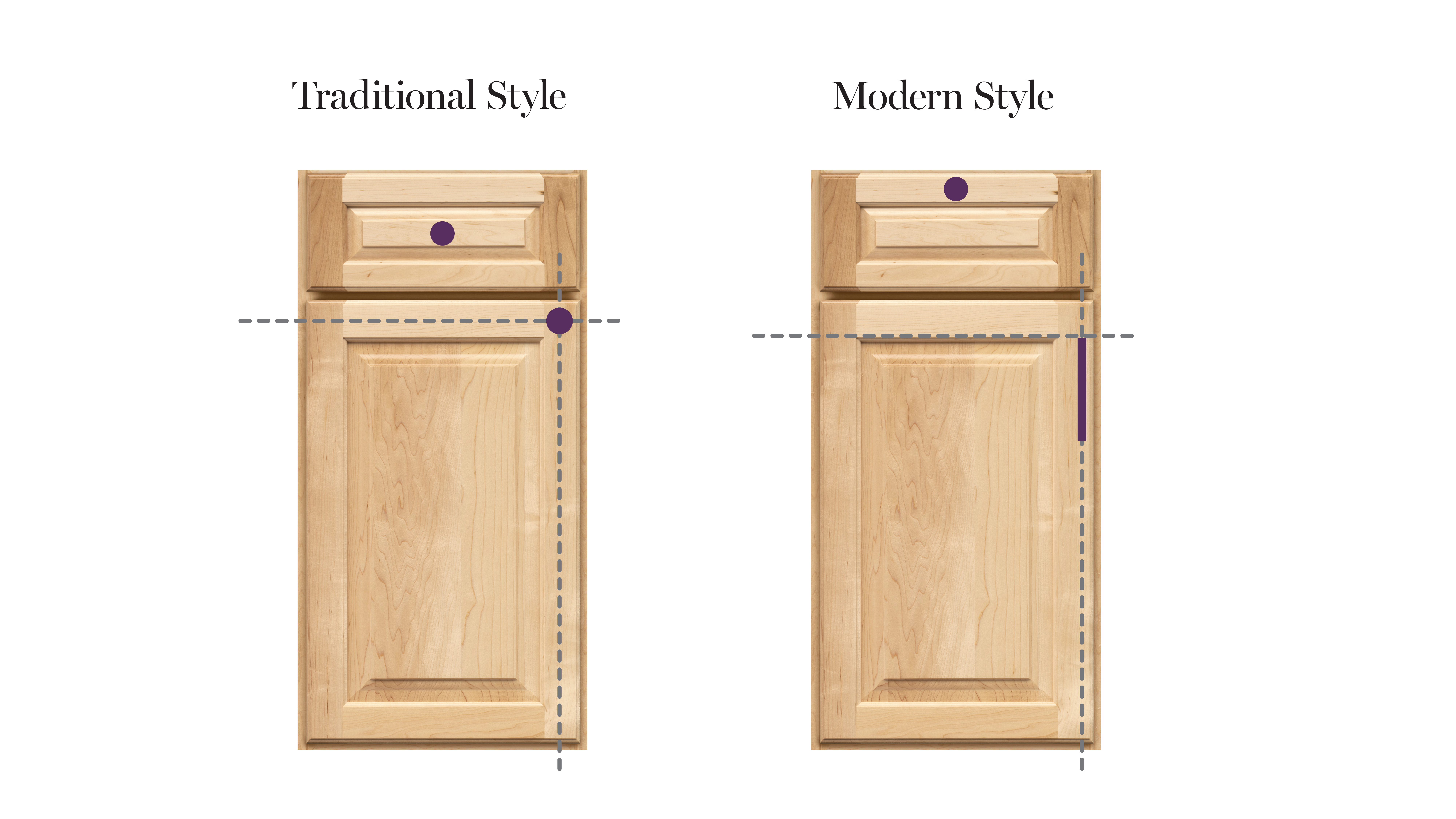
Install cabinet door hardware near the door corner opposite the hinges. For left-hinged doors, place hardware on the top right corner. For right-hinged doors, place hardware on the top left corner.
Keep the hardware 2 to 3 inches from the door edge. This placement makes opening doors easy and natural. It also keeps the look uniform across all doors.
Placement For Different Cabinet Styles
Cabinet hardware placement changes with cabinet style. Each style has unique features. Hardware should highlight these features. Proper placement improves both look and function.
Framed Cabinets
Framed cabinets have a face frame around the door. Place knobs or pulls on the frame edge. For doors, position hardware near the outer corner. For drawers, center hardware on the drawer front. This placement keeps hardware easy to reach and looks balanced.
Inset Cabinets
Inset cabinets fit doors inside the frame. Hardware goes on the door edge or center. Small knobs work well here. Place pulls near the door or drawer edge. This avoids blocking the frame and keeps a clean look.
Flat-panel Cabinets
Flat-panel cabinets have a smooth door surface. Hardware can be placed anywhere on the door or drawer. Centered knobs and pulls look good. For a modern style, place pulls vertically near edges. For a classic look, position hardware horizontally near the top or bottom.
Ergonomic Considerations
Ergonomic considerations play a key role in deciding where to place cabinet hardware. Proper placement ensures comfort and ease of use every day. It helps prevent strain on hands and wrists. Thoughtful hardware positioning improves the overall kitchen or bathroom experience. It allows quick access to cabinet contents without awkward movements.
Comfort And Accessibility
Cabinet hardware should feel natural to reach and use. Place handles where fingers can grip easily. Avoid positions that require bending or stretching. Position hardware at a height that suits most users. Consider the size and shape of the handles for comfort. Smooth edges and a good grip reduce hand fatigue.
Placement For Left- And Right-handed Users
Think about who uses the cabinets most. Place handles to favor dominant hands. Right-handed users usually prefer handles on the left side of doors. Left-handed users prefer the opposite. For shared spaces, place handles in the center or use dual handles. This way, everyone can open cabinets with ease and comfort.
Creative Placement Ideas
Creative placement ideas for cabinet hardware can change the look of any kitchen or bathroom. Small changes create a big impact. Experimenting with hardware placement brings new style and personality.
Try different designs to find what fits your space. Unique placements make cabinets stand out. These ideas help you think beyond the usual spots.
Asymmetrical Designs
Asymmetrical hardware adds interest and a modern feel. Place knobs or pulls off-center on cabinet doors. This breaks the usual balance and draws the eye.
Try different heights for handles on drawers. Mix vertical and horizontal placements. This creates a lively, artistic look without clutter.
Mixing Hardware Styles
Use different styles of hardware on the same cabinet set. Pair round knobs with sleek bar pulls. Contrast adds texture and depth to your space.
Match finishes but change shapes. Or mix metals like brass and black for a bold look. This approach keeps things fresh and unique.
Using Multiple Hardware Pieces
Use more than one piece of hardware per cabinet door. Two knobs or a knob plus a pull can add charm. This works well on large doors or pantry cabinets.
Place hardware vertically or horizontally close together. It creates a balanced, functional design. Multiple pieces make opening cabinets easier too.
Credit: taylorcraftdoor.com
Tools And Techniques For Installation
Installing cabinet hardware requires the right tools and careful steps. Proper installation makes your cabinets look neat and work well. Using good techniques avoids damage and keeps hardware aligned. This section explains key tools and simple methods for a smooth installation process.
Measuring And Marking
Start by measuring the cabinet doors or drawers carefully. Use a tape measure or ruler for accuracy. Mark the spots where the screws will go with a pencil. Double-check all measurements before drilling. Marking evenly helps the hardware look balanced and professional.
Drilling Tips
Choose a drill bit that matches the screw size. Drill slowly to avoid splitting the wood. Use a small piece of tape on the drill bit to stop at the right depth. Keep the drill straight to make clean holes. Drill pilot holes first to make screwing easier and prevent cracking.
Avoiding Common Mistakes
Do not rush the process. Avoid measuring only once; always check twice. Use the right drill bit size to prevent loose screws. Do not overtighten screws to avoid damaging the hardware or cabinet. Take time and work carefully for the best results.

Credit: smart.dhgate.com
Frequently Asked Questions
Where Should Cabinet Hardware Be Placed On Doors?
Cabinet hardware is usually placed 2. 5 to 3 inches from the door edge. Position it near the top for upper cabinets and near the bottom for lower cabinets. This placement ensures easy grip and a balanced look.
How High Should Cabinet Pulls Be Installed?
Install cabinet pulls centered vertically on drawers or 2. 5 to 3 inches from the bottom on cabinet doors. Consistent height creates a uniform and polished appearance across all cabinetry.
Can Hardware Placement Affect Cabinet Functionality?
Yes, improper hardware placement can hinder cabinet usability. Correct placement ensures smooth opening and closing. It also prevents damage and improves ergonomic comfort during use.
Is There A Standard Distance For Cabinet Knob Placement?
Standard knob placement is 2. 5 inches from the edge of the cabinet door or drawer front. This distance offers a natural grip and aesthetically pleasing look.
Conclusion
Choosing the right spot for cabinet hardware shapes your kitchen’s look. Handles and knobs should match cabinet style and size. Place them where they feel natural to reach and use. This small detail can change how your cabinets look and work.
Remember, simple choices often bring the best results. Take your time, measure well, and enjoy the new feel. Cabinet hardware adds both function and style to your space. It makes your kitchen easier and nicer to use every day.