Have you ever wondered what exactly makes a bolt different from other hardware pieces? You might think of bolts as just simple metal sticks, but there’s more to them than meets the eye.
Understanding whether a bolt is a fastener—and why that matters—can save you time, money, and frustration in your projects. Keep reading, and you’ll discover the surprising truth about bolts and how knowing this can make your work stronger and more reliable.
Credit: en.wikipedia.org
What Makes A Bolt A Fastener
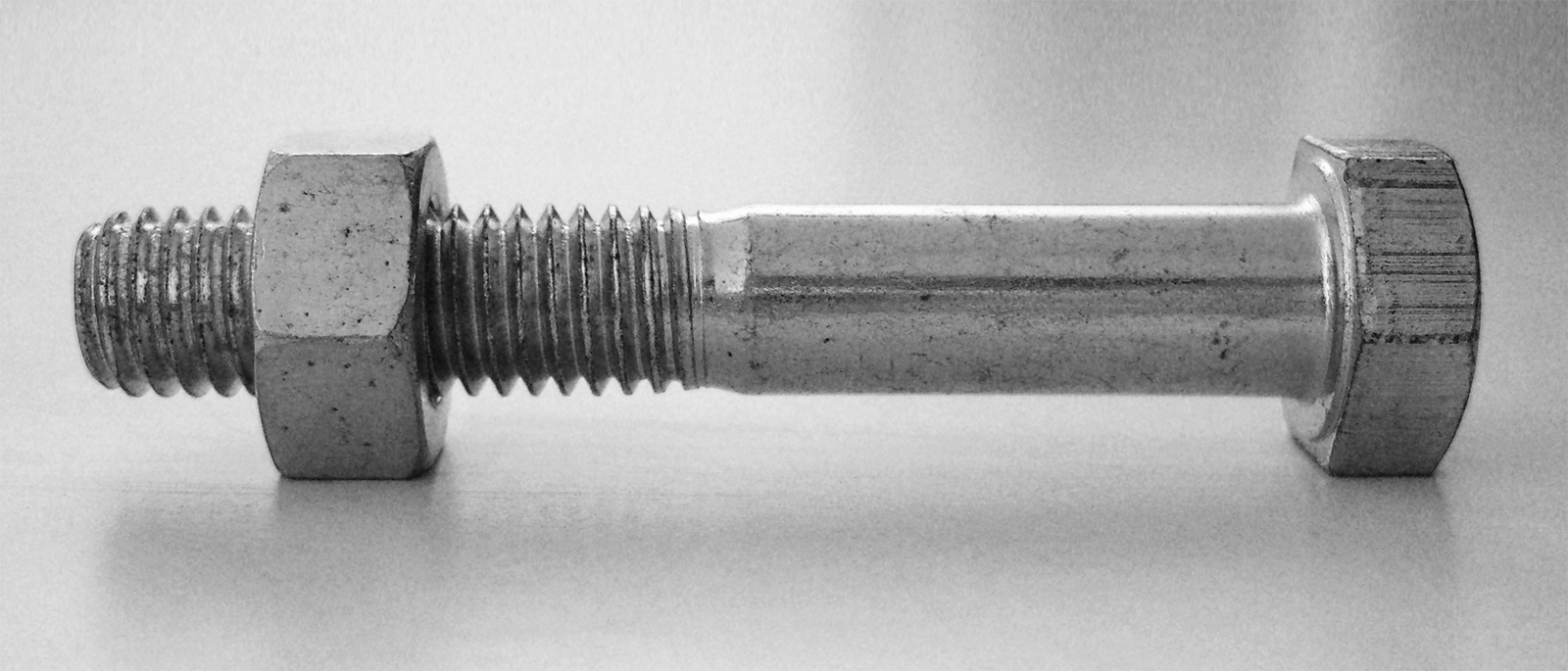
A bolt is a type of fastener used in many construction and repair tasks. It holds objects together by creating a strong bond. The main role of a bolt is to join parts tightly and securely. This makes it an essential tool in fastening applications. Understanding what makes a bolt a fastener helps to see why it is widely used.
Key Features Of Bolts
Bolts have a threaded shaft and a head. The threads allow them to screw into nuts or tapped holes. This creates a tight fit between parts. The head provides a surface for a wrench or tool to turn the bolt. Bolts come in many sizes and materials to fit different needs. They are strong and can handle heavy loads. This strength is key in holding objects firmly.
Bolt Vs Other Fasteners
Bolt differs from nails and screws in design and use. Nails are smooth and hammered in, not threaded. Screws have threads but are often used alone without nuts. Bolts usually need a nut or a threaded hole to fasten parts. This allows bolts to be removed and reused easily. Bolts provide more strength and security than many other fasteners. They are ideal for heavy-duty and structural work.

Credit: www.tjlituo.com
Types Of Bolts And Their Uses
Bolts are essential fasteners used in many projects. They hold parts tightly together. Different types of bolts serve different purposes. Knowing these types helps you pick the right one for your work.
Each bolt has unique features. Some bolts are strong, others resist rust. Some fit into tight spaces. Understanding these traits improves your project’s strength and safety.
Common Bolt Varieties
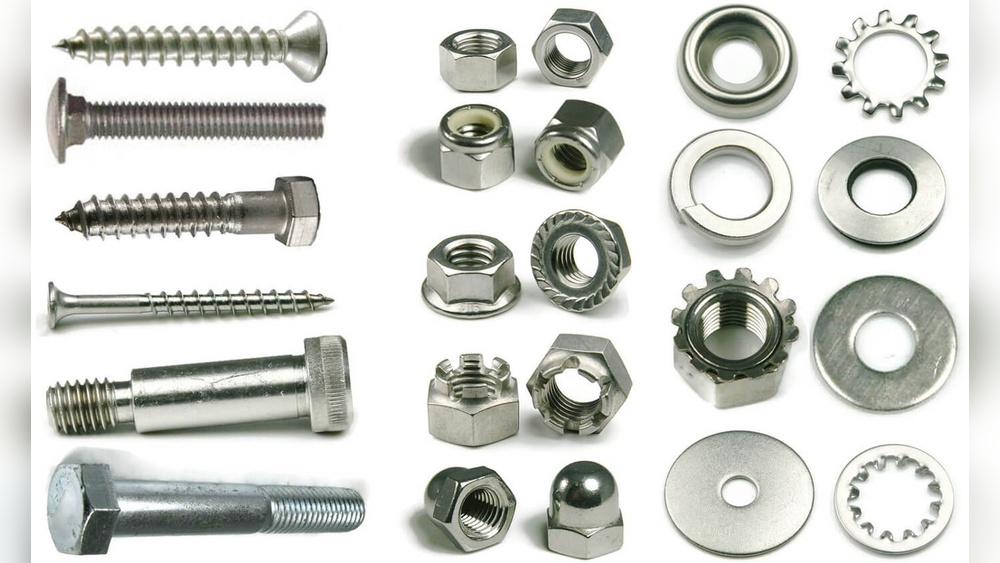
Hex bolts are very common. They have six sides and fit with a wrench. Carriage bolts have a smooth, rounded head. They are good for wood. Lag bolts are large and strong. They work well for heavy tasks. Machine bolts have uniform threads. They are used with nuts in machines. Eye bolts have a looped head. They help attach cables or ropes.
Choosing The Right Bolt
Match the bolt type to your material. Wood needs bolts with coarse threads. Metal works best with fine threads. Check the bolt’s length and diameter. Too short or thin bolts can fail. Consider the environment too. Use stainless steel bolts for outdoor work. Avoid rust and corrosion problems. Tighten bolts with correct tools. This keeps the parts secure and safe.
How Bolts Work In Assemblies
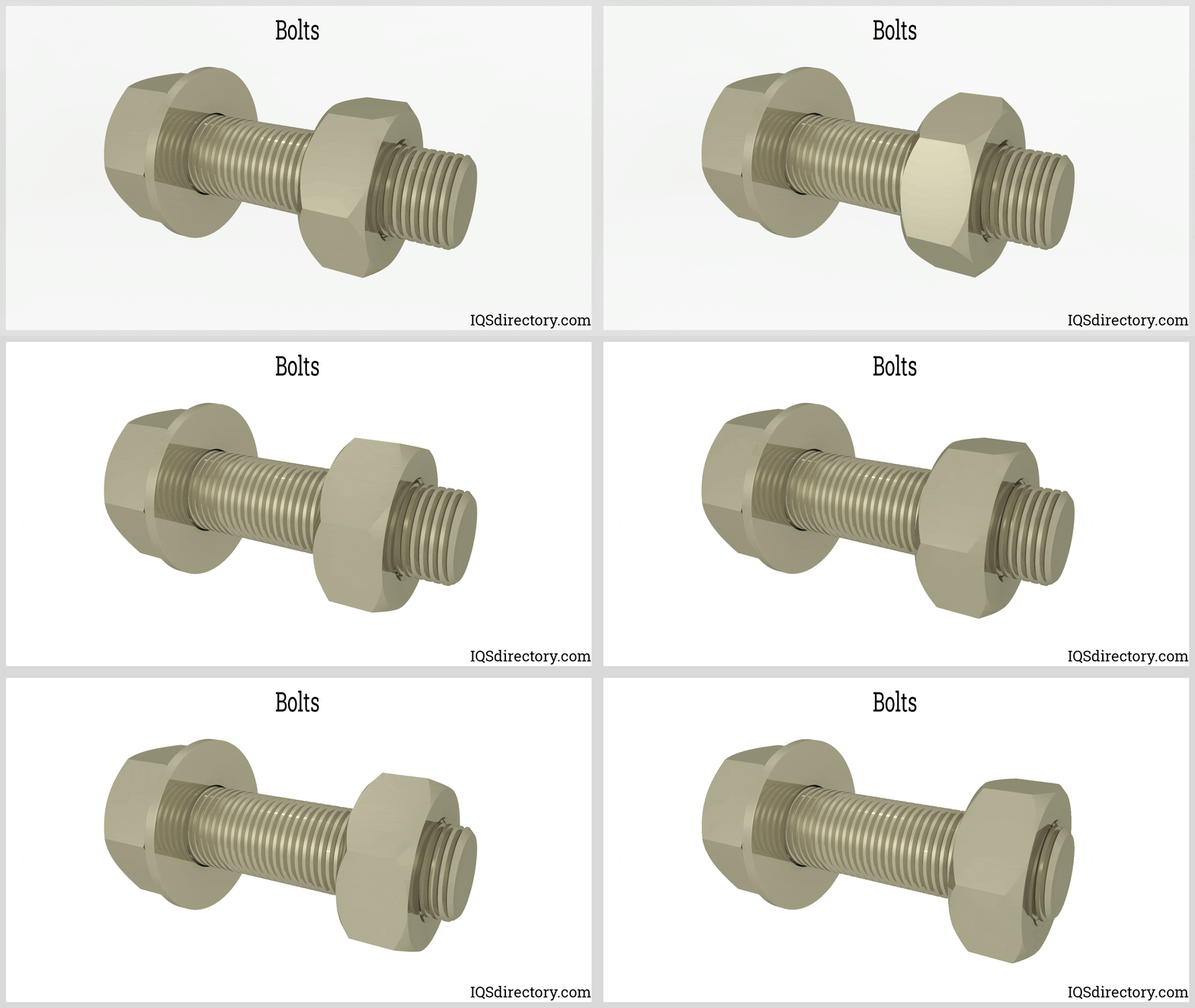
Bolts are essential parts in many assemblies. They join two or more pieces tightly. Understanding how bolts work helps to see their role in holding things together. Bolts rely on threads, nuts, and washers to create strong connections. Each part has a specific job in the assembly process.
Thread Engagement And Strength
Threads are the spiral grooves on bolts and nuts. They fit together to hold parts firmly. Proper thread engagement means the bolt’s threads match the nut’s threads well. This fit spreads the load evenly. It stops the bolt from loosening or breaking. The length of thread engagement affects the bolt’s strength. Longer engagement usually means a stronger hold. This is important in heavy or vibrating assemblies.
Role Of Nuts And Washers
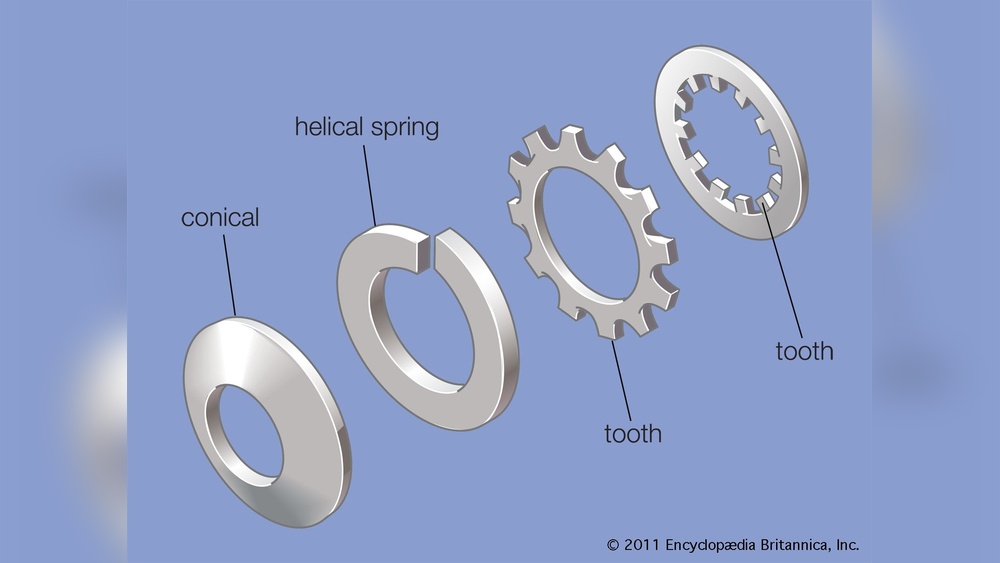
Nuts tighten the bolt in place. They push against the parts being joined. Washers sit between the nut and the surface. They protect surfaces from damage. Washers also spread the pressure from the nut. This prevents dents or cracks. Both nuts and washers help keep the bolt from loosening over time. They improve the overall stability of the assembly.
Credit: www.iqsdirectory.com
Materials And Coatings For Bolts
Bolts must be strong and durable for many uses. The materials and coatings used affect their strength and life. Choosing the right type helps bolts work well in different conditions. This section explains common materials and coatings for bolts.
Common Bolt Materials
Steel is the most common bolt material. It is strong and affordable. Stainless steel bolts resist rust and wear. Brass bolts offer good corrosion resistance and electrical conductivity. Aluminum bolts are light and resist rust but are less strong. Each material suits different needs and environments.
Corrosion Resistance Options
Bolts need protection from rust in wet or salty places. Zinc plating is a popular coating that protects steel bolts. Hot-dip galvanizing adds a thick zinc layer for tough use. Black oxide gives mild corrosion resistance and a dark finish. Some bolts have special coatings for high heat or chemicals. Coatings help bolts last longer and keep their strength.
Benefits Of Using Bolts As Fasteners
Bolts serve as one of the most common fasteners in many industries. Their design offers secure connections that hold parts firmly together. Choosing bolts brings many benefits that help in building strong and lasting structures. They provide dependable performance in various applications and environments.
Strength And Reliability
Bolts provide excellent strength to joints and assemblies. They hold materials tightly, reducing the chance of movement or loosening. This strength makes bolts ideal for heavy-duty uses. Their reliability ensures safety and durability in construction and machinery. Bolts made from quality materials resist wear and damage.
Ease Of Maintenance
Bolts allow easy disassembly and reassembly of parts. This feature helps in quick repairs and inspections. Maintenance workers find bolts simple to handle with common tools. Bolts can be tightened or replaced without special equipment. This ease saves time and lowers repair costs in the long run.
Common Misconceptions About Bolts
Bolts are common fasteners used in many projects. Yet, many people confuse bolts with other fasteners. This causes mistakes in choosing the right tool for the job. Understanding common myths about bolts helps avoid these errors. It also improves your work quality and safety.
Bolt Vs Screw Confusion
People often mix up bolts and screws. Both hold parts together. But bolts need a nut to fasten. Screws cut their own thread in the material. Bolts usually have a flat tip, screws have a pointed tip. Using a bolt like a screw can cause damage. It may not hold parts tightly. Knowing this difference saves time and trouble.
When Bolts Aren’t The Best Choice
Bolts are strong but not always the best option. They need space for nuts on the other side. Sometimes, parts are too thin for bolts. Screws or rivets work better in those cases. Bolts are also heavier and cost more than screws. Using bolts in tight or light projects may not be smart. Choose the right fastener for your specific need.
Frequently Asked Questions
What Is A Bolt In Fastener Terminology?
A bolt is a type of fastener used to join materials together. It has a threaded shaft and requires a nut for secure fastening. Bolts provide strong, removable connections in construction and machinery.
How Does A Bolt Differ From A Screw?
Bolts need a nut for fastening, while screws usually thread directly into materials. Bolts provide higher strength and are used for heavy-duty applications. Screws are often used for lighter, more permanent attachments.
Are All Bolts Considered Fasteners?
Yes, all bolts are classified as fasteners. They secure parts by creating strong mechanical joints. Bolts are essential components in many industries, including automotive, construction, and manufacturing.
Can Bolts Be Reused After Removal?
Generally, bolts can be reused if they are undamaged. Inspect bolts for wear or deformation before reuse. Using damaged bolts can compromise joint strength and safety.
Conclusion
A bolt is definitely a type of fastener. It holds parts together tightly and securely. Bolts work with nuts to create strong joints. They come in many sizes and shapes for different uses. Understanding bolts helps in choosing the right fastener for any project.
Simple tools can install bolts easily. Knowing this makes fixing and building easier for everyone. Fasteners, including bolts, keep things safe and steady. So, yes, a bolt is a fastener you can trust.