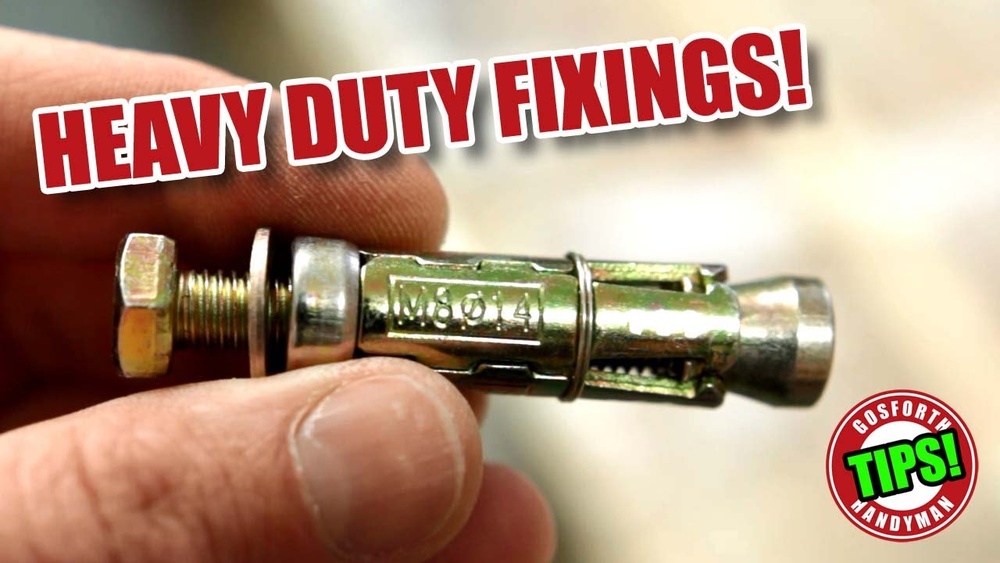
Are you struggling with those stubborn T fasteners and wondering how to remove them without causing damage? You’re not alone.
Removing T fasteners can be tricky if you don’t know the right steps. But don’t worry—this guide will show you simple, effective methods to get the job done quickly and safely. By the end, you’ll have the confidence to handle T fasteners like a pro.
Keep reading to discover the easiest way to remove T fasteners from your project!

Credit: www.nm.org
Tools Needed
Removing T fasteners requires the right tools for a smooth process. Using proper tools saves time and prevents damage to surfaces. This section covers essential tools needed to remove T fasteners safely and easily.
Common Tools For Removal
Basic tools often work well for most T fastener removals. A flathead screwdriver helps pry the fastener gently. Needle-nose pliers grip and pull out the fastener securely. Sometimes, a hammer is useful to tap the screwdriver under the fastener. These tools are usually available in most toolkits.
Specialized Equipment
Special tools make removing T fasteners easier, especially for tough jobs. A trim removal tool is designed to slide under fasteners without causing damage. Fastener removal pliers have a shape made for gripping and pulling fasteners. These tools reduce effort and protect materials around the fastener. They are ideal for automotive or furniture work.
Safety Tips
Removing T fasteners involves risks. Following safety tips protects you from injury. Simple steps make the process safer and easier. Always prepare well before starting the task.
Protective Gear
Wear gloves to protect your hands from sharp edges. Safety glasses shield your eyes from flying debris. Use a dust mask to avoid breathing dust or particles. Wear sturdy shoes to guard your feet from falling objects.
Work Area Preparation
Clear the area of clutter to avoid tripping. Ensure good lighting to see fasteners clearly. Keep tools organized and within reach. Secure the workpiece so it does not move during removal. Keep children and pets away from the work zone.
Identifying T Fasteners
Identifying T fasteners is the first step in removing them safely and efficiently. These fasteners hold materials firmly in place. They have a unique shape that makes them easy to spot once you know what to look for.
Knowing the type, material, and size of a T fastener helps choose the right tools. This knowledge makes the removal process faster and prevents damage to the materials.
Types Of T Fasteners
T fasteners come in different styles. The most common types include T-nuts, T-bolts, and T-clips. T-nuts have a flat base with prongs that dig into the material. T-bolts have a T-shaped head and fit into slots. T-clips hold panels together using a T-shaped design. Each type requires a different removal method.
Material And Size Considerations
T fasteners are made from metal, plastic, or composite materials. Metal fasteners are strong and harder to remove. Plastic ones are lighter and easier to handle. The size of the T fastener also matters. Larger fasteners need bigger tools and more force. Smaller ones require delicate handling to avoid breaking.
Step-by-step Removal
Removing T fasteners can seem tricky. A clear step-by-step method helps complete the job safely and quickly. Follow these steps to remove T fasteners without damage. Each step focuses on simple actions that anyone can do. Take your time and work carefully.
Loosening The Fastener
Start by loosening the fastener gently. Use a flathead screwdriver or a similar tool. Place the tool under the edge of the fastener head. Twist slowly to lift it slightly. Avoid forcing it to prevent damage. Work around the fastener if needed. Loosening makes the next step easier.
Extracting The T Fastener
After loosening, pull the fastener straight out. Use pliers for a better grip. Hold the fastener firmly and pull with steady force. Avoid twisting as it may break the fastener. Pulling straight prevents damage to the surface. Check if the fastener moves freely. If yes, keep pulling until it comes out.
Handling Stubborn Fasteners
Some fasteners may not budge easily. Spray a small amount of lubricant around the fastener. Let it sit for a few minutes. Use pliers or a pry tool carefully. Tap the tool lightly with a hammer if needed. Repeat loosening and pulling steps. Take breaks to avoid fatigue. Patience helps remove stubborn fasteners safely.
Troubleshooting Common Issues
Removing T fasteners can be tricky. Some issues often arise during the process. Knowing common problems helps you avoid mistakes. The right approach saves time and effort. Here are two key troubles and how to handle them.
Dealing With Rusted Fasteners
Rust makes fasteners hard to remove. It sticks parts tightly together. Use a rust remover or penetrating oil. Apply it and wait 10 to 15 minutes. This softens the rust and loosens the fastener. Tap gently with a hammer to break rust bonds. Use proper tools to avoid slipping. Repeat the process if needed. Patience is crucial when dealing with rust.
Avoiding Damage To Surrounding Material
Fasteners sit close to wood or metal surfaces. Using force can harm these materials. Protect the area with painter’s tape or cardboard. Use the right tool size for the fastener. Apply steady, controlled pressure when turning or pulling. Avoid prying with sharp or wide tools. Check your angle often to prevent scratches. Work slowly to keep surrounding material safe.

Credit: www.youtube.com
Maintenance After Removal
Removing T fasteners is only the first step. Proper maintenance after removal is key. It helps keep the area safe and ready for new fasteners. This process prevents damage and ensures everything fits well. Follow these steps carefully to maintain the surface and avoid future problems.
Cleaning The Area
Clear away any dirt, dust, or debris from the spot. Use a soft brush or cloth to wipe the area gently. Avoid harsh chemicals that might damage the surface. Clean well to see any holes or damage left behind. This makes it easier to fix or replace the fasteners.
Preparing For Replacement
Check the area for any cracks or loose parts. Fill holes or cracks with suitable filler material. Let the filler dry completely before moving on. Smooth the surface to ensure new fasteners sit properly. Measure carefully to align the new fasteners perfectly. Proper preparation ensures a strong and lasting hold.
Credit: patientinfolibrary.royalmarsden.nhs.uk
Frequently Asked Questions
What Tools Are Needed To Remove T Fasteners?
To remove T fasteners, you typically need a flathead screwdriver or a trim removal tool. These tools help pry the fastener gently without damage. Using the right tool ensures easy removal and prevents injury or damage to surrounding materials.
How Do I Safely Remove T Fasteners?
To safely remove T fasteners, insert a flathead screwdriver under the fastener head. Gently pry upward while supporting the surrounding area. Avoid using excessive force to prevent breaking the fastener or damaging the surface.
Can T Fasteners Be Reused After Removal?
Yes, T fasteners can often be reused if removed carefully. Avoid bending or breaking the fastener during removal. Inspect the fastener for damage before reinstallation to ensure secure fastening.
What Common Mistakes Should I Avoid When Removing T Fasteners?
Avoid using excessive force or incorrect tools. Do not pry too aggressively, as this can break the fastener or damage the surface. Using proper tools and gentle pressure ensures a smooth removal process.
Conclusion
Removing T fasteners can be simple with the right steps. Use proper tools and take your time. Avoid forcing the fasteners to prevent damage. Clean the area after removal for best results. Practice makes the task easier and faster. Keep safety in mind during the whole process.
With patience, you can handle T fasteners confidently. Try these tips next time you work on your project.