Are you tired of searching for the perfect cabinet hardware that fits your style and budget? What if you could create your own unique handles and knobs right at home?
Making your own cabinet hardware is easier than you think, and it lets you add a personal touch to your space. In this guide, you’ll discover simple steps and tips to craft stunning hardware that stands out. Ready to transform your cabinets and impress everyone who sees them?
Keep reading, and let’s make your vision a reality.
Choosing The Right Materials
Choosing the right materials is key to making cabinet hardware that lasts. The material affects the look, strength, and durability of your hardware. It also changes how easy it is to work with and finish. Picking the best material helps your hardware fit your style and function well in your space.
Types Of Hardware Materials
Metal is the most common choice for cabinet hardware. It is strong and can have many finishes like chrome, brass, or nickel. Metals like brass and stainless steel resist rust and wear well over time.
Wood gives a warm, classic look. It is easy to shape but can wear down faster than metal. Use hardwoods like oak or maple for longer life.
Plastic is light and cheap. It works for temporary or decorative hardware but may not last long under heavy use.
Ceramic and glass add style and color. They are fragile and best for decorative knobs.
Tools You’ll Need
Gather these tools before starting your hardware project. A drill helps make holes for screws. Use drill bits that match your screw size.
A screwdriver or power driver is needed to attach hardware parts. Sandpaper smooths rough edges on wood or metal.
Files shape metal and remove sharp bits. Pliers hold small pieces steady while working.
A measuring tape and pencil help mark precise locations. Safety gear like gloves and goggles protects you during work.
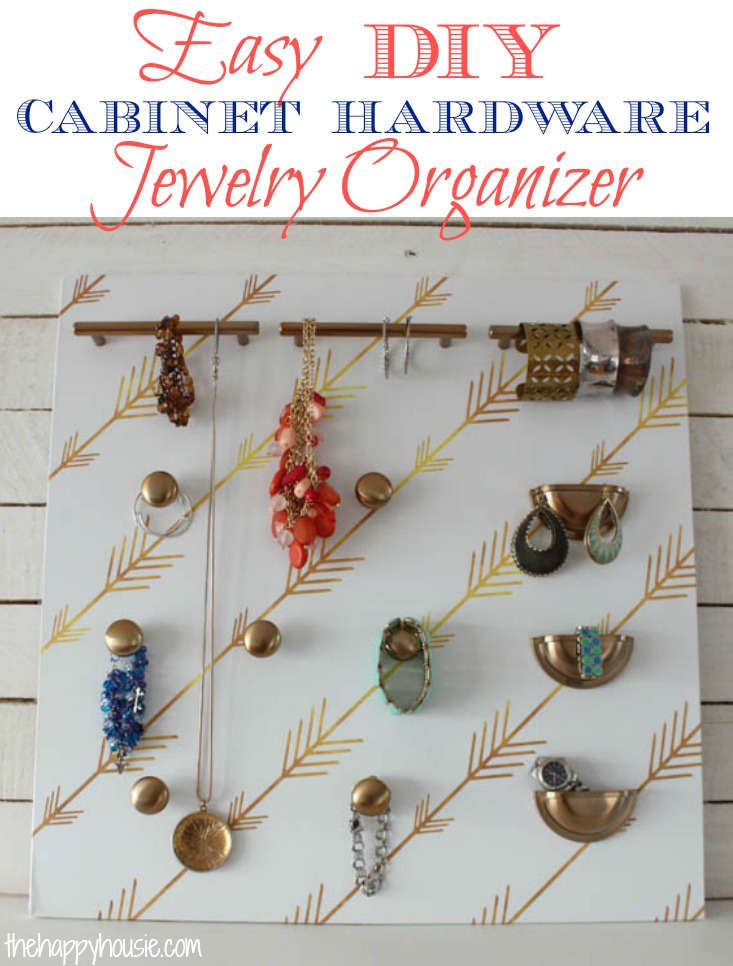
Credit: www.thehappyhousie.com
Design Ideas For Custom Hardware
Designing custom cabinet hardware offers a chance to add personality and style to any space. It allows creativity to shine through small but impactful details. Custom hardware can transform plain cabinets into eye-catching features.
Many design ideas fit different tastes and styles. From simple to bold, hardware can match the room’s theme perfectly. Crafting your own hardware means choosing shapes, colors, and elements that fit your vision.
Simple Shapes And Styles
Simple shapes like circles, squares, and rectangles work well for custom hardware. These forms are easy to make and look clean. Minimalist styles suit modern and classic kitchens alike.
Basic designs also blend well with other décor. They keep the focus on the cabinet’s finish while still adding flair. Simple hardware often feels timeless and elegant.
Incorporating Unique Elements
Adding unique elements makes hardware truly special. Think about using natural materials like wood or stone. These textures bring warmth and contrast to metal or painted cabinets.
Try small details like engraved patterns or mixed metals. These touches add depth and character. Custom knobs with personal symbols or shapes make the space feel yours.
Step-by-step Hardware Creation
Creating your own cabinet hardware is a rewarding project. It lets you customize handles or knobs to fit your style and needs. Follow these simple steps to make hardware that looks great and works well.
Measuring And Cutting
Start by measuring the size needed for your hardware. Use a ruler or tape measure for accuracy. Mark the material clearly before cutting. Choose wood, metal, or plastic based on your design.
Cut the pieces carefully using a saw or cutter. Take your time to ensure clean edges. Precise cuts make the hardware fit better and look neat.
Sanding And Finishing
After cutting, smooth the edges with sandpaper. Sanding removes rough spots and splinters. Start with coarse sandpaper and finish with fine grit for a smooth surface.
Apply paint, stain, or varnish to protect and decorate the hardware. Let each layer dry fully before adding the next. Finishing touches improve durability and appearance.

Credit: www.ksrenovationgroup.com
Painting And Decorating Tips
Painting and decorating cabinet hardware can change the look of your furniture. It makes old hardware look new and stylish. Small details can make a big difference. This section offers simple tips to paint and decorate cabinet hardware easily and beautifully.
Choosing The Perfect Finish
Select a finish that matches your room style. Matte finishes give a soft, modern look. Glossy finishes create a shiny, bright effect. Satin finishes fall between matte and glossy, offering a smooth shine. Consider durability; some finishes resist scratches better.
Use spray paint for even coverage. Clean hardware before painting to remove dirt and oil. Apply thin coats to avoid drips. Let each coat dry fully before adding the next one. Use primer for better paint adhesion.
Adding Decorative Details
Decorative details add charm and personality to hardware. Use stencils or tape to create patterns. Try stripes, dots, or geometric shapes for a fun look. Small gems or beads can add sparkle. Glue them carefully and let dry completely.
Try distressing paint for a vintage feel. Lightly sand edges after painting to show the metal underneath. Use a clear sealant to protect your work. Simple decorations can make your cabinet hardware unique and eye-catching.
Installing Your Diy Hardware
Installing your DIY cabinet hardware is a key step to complete your project. Proper installation makes your cabinets look neat and work well. It also keeps the hardware strong and durable. Follow simple steps to place and secure your new handles or knobs with care.
Proper Placement Techniques
Start by measuring the exact spot for your hardware. Use a ruler or tape measure for accuracy. Mark the spot lightly with a pencil. Keep all hardware at the same height on each door or drawer. This gives a clean, professional look. Check the spacing between handles for balance. Take your time to ensure each mark is correct.
Securing Hardware Safely
Use the right screws for your cabinet material. Avoid screws that are too long or short. Drill small pilot holes before inserting screws. This prevents the wood from splitting. Tighten screws evenly but do not over-tighten. Over-tightening can damage the hardware or cabinet. Double-check each handle or knob for a firm fit. Your hardware should not wiggle or feel loose.
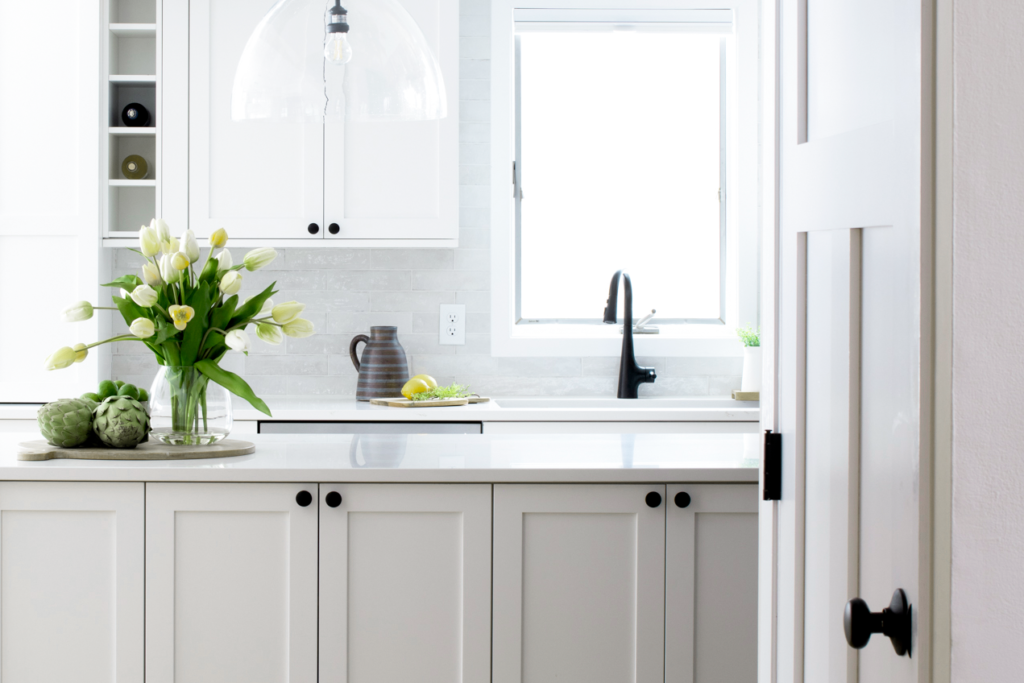
Credit: decorcabinets.com
Maintenance And Care
Maintaining your cabinet hardware keeps it looking fresh and working well. Good care helps avoid damage and extends the life of your pieces. Regular attention makes your cabinets more attractive and easier to use.
Cleaning Your Hardware
Use a soft cloth to wipe dirt and dust from your hardware. Avoid harsh chemicals that can damage finishes or cause discoloration. Warm water mixed with mild soap works well for most metals.
Dry the hardware thoroughly after cleaning to prevent rust or water spots. For stubborn grime, a soft toothbrush can reach tight spaces. Clean regularly to keep your hardware shiny and smooth.
Repairing Minor Damages
Scratches and small dents can happen over time. Light scratches can be buffed gently with a fine polishing cloth. For deeper marks, use a metal polish suited for your hardware type.
Loose screws should be tightened carefully to avoid stripping. Replace any broken parts promptly to keep the hardware functional. Small repairs stop problems from getting worse and save money in the long run.
Frequently Asked Questions
What Tools Are Needed To Make Cabinet Hardware?
To make cabinet hardware, you need basic tools like a drill, screwdriver, measuring tape, sandpaper, and metal or wood for the hardware. Optional tools include a saw, files, and paint for finishing. These tools help create functional and attractive cabinet handles or knobs.
How Do I Choose The Right Material For Cabinet Hardware?
Choose materials based on durability, style, and budget. Common options include metal, wood, and plastic. Metal offers strength and a modern look, while wood adds warmth. Consider the cabinet’s design and use environment when selecting the best material.
Can I Customize Cabinet Hardware Designs At Home?
Yes, you can customize designs by shaping, painting, or adding textures. Use simple materials like wood or metal and basic tools. Personalizing hardware allows unique styles that match your decor and improve cabinet functionality.
How Long Does It Take To Make Cabinet Hardware?
Making basic cabinet hardware usually takes 1 to 3 hours, depending on design complexity. More intricate designs or finishing steps may extend the time. Planning and preparation help speed up the process and ensure quality results.
Conclusion
Making your own cabinet hardware is easier than you think. It saves money and lets you add a personal touch. With basic tools and materials, you can create unique handles or knobs. Take your time and follow simple steps carefully.
Enjoy the satisfaction of using something made by you. Try different styles to match your cabinets perfectly. Start small and build your skills over time. Handmade hardware brings charm and character to any room. Why buy when you can create?
Give it a go and see the difference yourself.


