Are you ready to upgrade your cabinets but worried about installing the hardware yourself? Installing your own cabinet hardware might seem simple, but it often comes with unexpected problems that can turn your project into a headache.
From misaligned handles to stripped screws, these issues can slow you down and cost you extra time and money. But don’t worry—understanding these common problems before you start can save you frustration and help you get the perfect finish you want.
Keep reading to discover what challenges you might face and how to avoid them, so your cabinet upgrade goes smoothly from start to finish.
Choosing The Wrong Hardware
Choosing the wrong cabinet hardware can cause many problems. It affects the look and function of your cabinets. Hardware includes handles, knobs, and hinges. Picking the right ones is important for a polished finish. Poor choices can make your cabinets look off or even damage them.
Mismatched Styles And Finishes
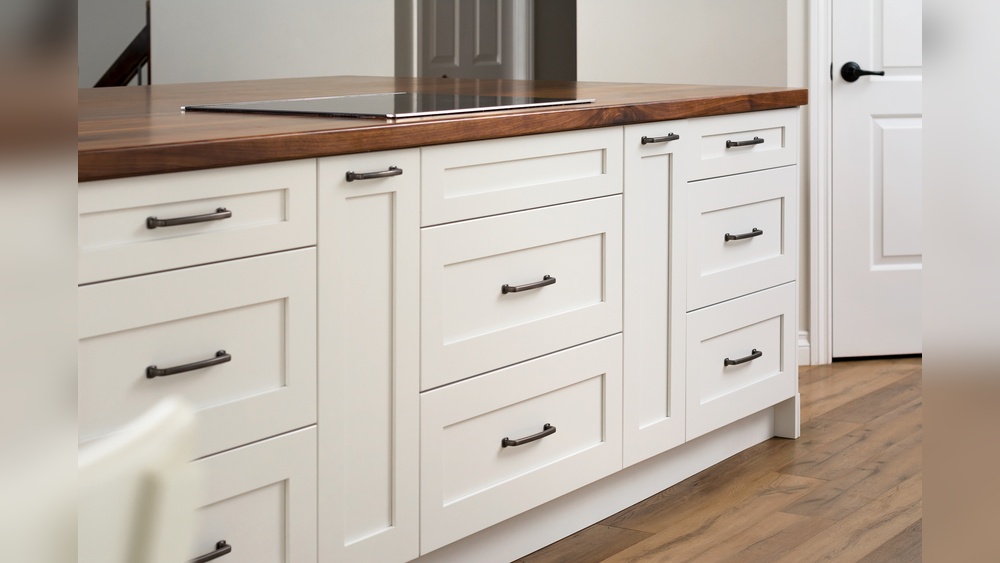
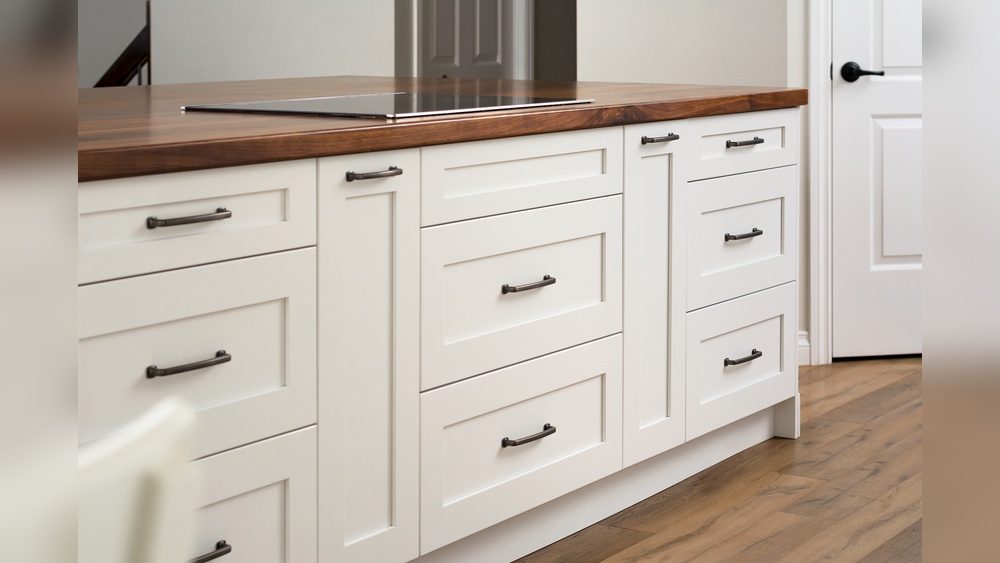
Mixing different styles confuses the eye. Modern knobs with old-fashioned handles can clash. It makes the room feel unplanned and messy. Finishes also matter. Chrome next to bronze looks uneven. Consistent style and finish create harmony in your space.
Ignoring Cabinet Material Compatibility
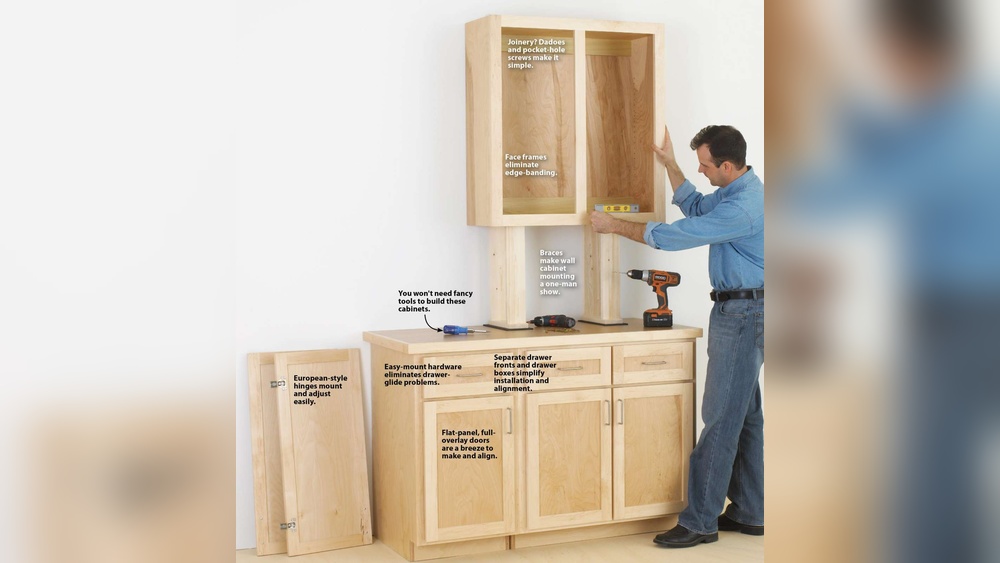
Not all hardware fits every cabinet type. Wood, metal, and laminate need different hardware. Wrong choices can cause damage or loose fittings. Heavy hardware on thin doors may cause sagging. Select hardware that suits your cabinet material for long-lasting use.

Credit: www.youtube.com
Inaccurate Measurements
Inaccurate measurements cause many problems when installing cabinet hardware. Even a small mistake can make holes look uneven or misaligned. This leads to frustration and extra work. Proper measuring helps ensure hardware fits correctly and looks good.
Skipping Proper Marking Techniques
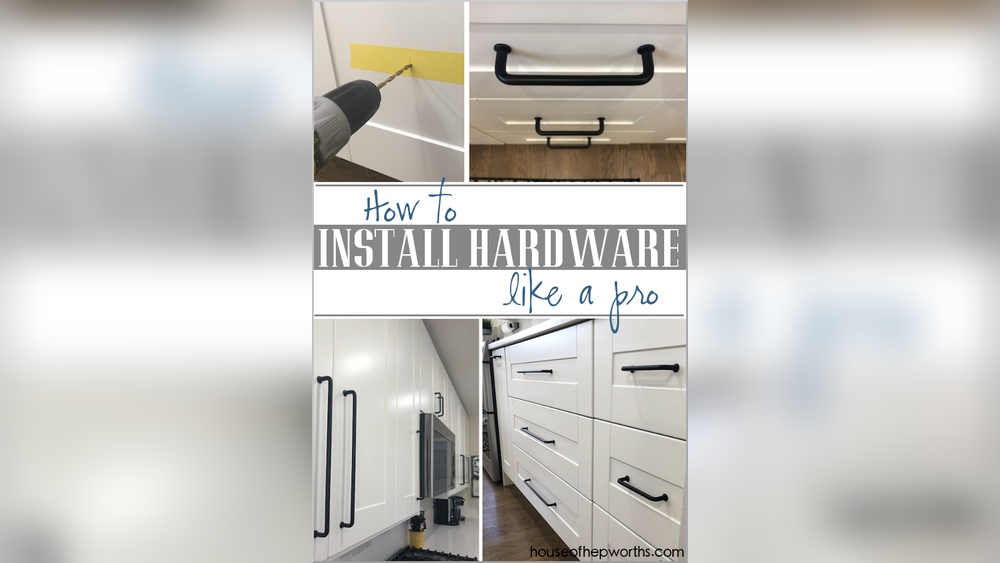
Many people start drilling without marking the spot carefully. This causes holes to be off-center or crooked. Use a pencil and ruler to mark exact points. Marking helps guide your drill and avoids mistakes. Take time to mark each hole precisely before drilling.
Neglecting To Double-check Dimensions
Not checking measurements twice leads to errors. Measure once, then measure again to confirm. This simple step catches any mistakes early. Double-checking saves money and prevents damage to cabinets. Always verify dimensions before making holes or attaching hardware.
Poor Tool Selection
Poor tool selection can cause many problems when installing cabinet hardware. Using the wrong tools can damage your cabinets and make the job harder. Choosing the right tools helps you work faster and get better results. Below are two common mistakes with tools that many people make.
Using Incorrect Drill Bits
Drill bits come in many sizes and types. Using the wrong drill bit can create holes that are too big or too small. This makes it hard to fit screws properly. It can also crack or split the cabinet wood. Choose drill bits that match the screw size and type. This keeps your holes clean and precise.
Relying On Improper Screwdrivers
Using the wrong screwdriver can strip screw heads or slip out. This wastes time and damages hardware. Make sure to use screwdrivers that fit the screws exactly. A good fit helps you apply the right pressure and keeps screws tight. Avoid using tools that are worn out or not designed for cabinet screws.

Credit: www.woodworkingshop.com
Improper Installation Techniques
Improper installation techniques can cause many problems with your cabinet hardware. Small mistakes can lead to loose handles, scratched surfaces, or uneven placement. These issues not only affect the look but also the function of your cabinets. Paying attention to the details can save time and avoid frustration.
Overtightening Or Loosening Screws
Screws that are too tight can damage the hardware or the cabinet surface. They may cause cracks or strip the screw holes. Loose screws make handles wobbly and unstable. Both issues reduce the lifespan of the hardware. Using the right pressure is key. Tighten screws just enough to hold the hardware firmly.
Misaligning Handles And Knobs
Handles and knobs that are not aligned look awkward and unprofessional. Uneven placement can make doors hard to open or close. Misalignment often happens due to poor measuring or rushing the job. Use a template or measuring tool for accuracy. Careful placement ensures a neat and smooth finish.
Ignoring Hardware Weight Limits
Ignoring hardware weight limits causes many cabinet problems. Hardware is meant to hold a certain weight. Exceeding this limit leads to damage and failure. Cabinets can become unsafe and look worn out. Understanding the weight limits is key to lasting cabinets.
Choosing Inadequate Support For Heavy Cabinets
Heavy cabinets need strong hardware. Using weak screws or brackets causes quick wear. The hardware may bend or break. This makes cabinets unstable and unsafe. Always pick hardware designed for heavy loads. Check the packaging for weight ratings. This simple step protects your cabinets and walls.
Overloading Cabinet Doors
Cabinet doors have weight limits too. Adding too many items or heavy objects strains hinges and handles. Doors may sag or fail to close properly. This leads to constant repairs and extra costs. Keep door loads within the recommended weight. Spread out heavy items inside to reduce stress on doors.

Credit: www.amazon.com
Skipping Pilot Holes
Skipping pilot holes during cabinet hardware installation is a common mistake. It might seem faster, but it causes problems. Pilot holes guide screws into the wood smoothly. Without them, the wood can crack or screws can go in wrong. This section explains why skipping pilot holes can harm your project.
Risk Of Wood Splitting
Screwing directly into wood can make it split. Wood fibers push apart as the screw enters. This breaks the wood around the screw. Splitting weakens the cabinet’s surface. It leaves visible cracks that ruin the look. Pilot holes create a path for screws to avoid this damage.
Difficulty In Screw Placement
Without pilot holes, screws can slip or tilt. This makes the screw go in crooked. Crooked screws do not hold hardware firmly. They can loosen over time and cause hardware to fall off. Drilling pilot holes ensures screws go straight and fit tightly.
Failing To Plan For Door Swing
Failing to plan for door swing is a common mistake when installing cabinet hardware. It affects how cabinet doors open and close. Poor planning can cause doors to hit each other or block access. This problem leads to frustration and damages the cabinets over time. Proper door swing planning ensures smooth operation and a neat look.
Handles Interfering With Adjacent Cabinets
Handles that stick out too far can hit the next cabinet door. This stops doors from opening fully. It can scratch or dent the cabinets. Choosing the wrong handle size or placement causes this issue. Always check how handles line up with nearby doors before installing.
Limited Access Due To Poor Placement
Poor handle placement can make opening doors hard. Handles placed too close to the edge may be difficult to grip. Sometimes, handles block the door swing area. This limits the space to open the door wide. Planning handle location helps avoid tight spaces and improves access.
Frequently Asked Questions
What Are Common Issues When Installing Cabinet Hardware?
Common issues include misaligned holes, wrong hardware size, and difficulty with tools. These problems cause uneven placement and poor functionality.
How To Avoid Drilling Errors In Cabinet Hardware Installation?
Measure twice before drilling. Use a template or jig for accuracy. Mark holes clearly to prevent mistakes.
Why Does My Cabinet Hardware Feel Loose After Installation?
Loose hardware often results from stripped screws or oversized holes. Tighten screws or use larger anchors for a secure fit.
Can Wrong Hardware Type Damage Cabinets?
Yes, using incorrect hardware can scratch surfaces or cause structural damage. Always choose hardware designed for your cabinet material.
Conclusion
Installing your own cabinet hardware can bring some challenges. Mistakes like wrong measurements or weak screws cause delays. Tools and patience matter a lot in this task. Taking time to plan helps avoid common problems. Learning from small errors makes the process smoother.
A careful approach leads to better results and satisfaction. Keep it simple and steady for a successful installation.