When it comes to choosing cabinet hardware, you might find yourself stuck between brass and zinc options. Both look great, but which one is truly the right fit for your home?
Understanding the difference between brass and zinc cabinet hardware can save you time, money, and frustration. You’ll discover how these materials compare in durability, style, and cost—helping you make a confident choice that matches your needs and taste. Keep reading to find out exactly what sets brass and zinc apart, so your cabinets not only look stunning but last for years to come.
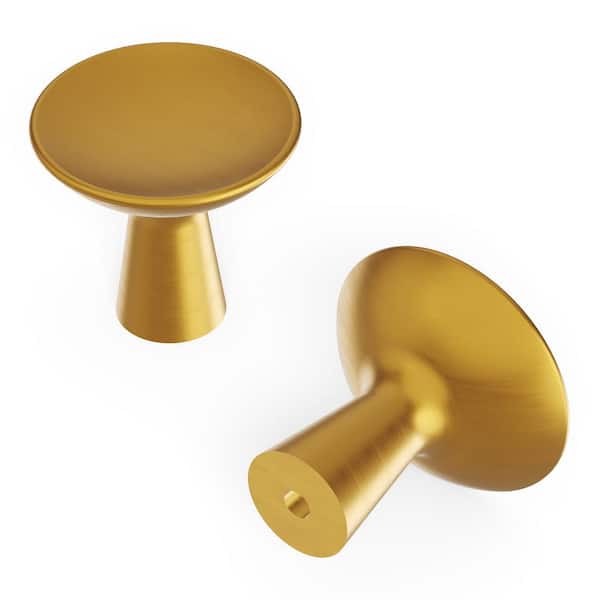
Credit: www.homedepot.com
Material Composition
The material composition of cabinet hardware affects its strength, look, and durability. Brass and zinc are common materials used in handles, knobs, and pulls. Each has a unique makeup that impacts performance and style.
Knowing what goes into these metals helps you choose the right hardware for your cabinets. This section explains the basic components of brass and zinc alloys.
Brass Alloy Components
Brass is mainly made of copper and zinc. Copper usually makes up about 60% to 70% of the alloy. Zinc forms the remaining 30% to 40%. This mix gives brass its bright gold color.
Small amounts of other metals like lead or tin may be added. These improve the metal’s workability and resistance to corrosion. Brass is strong, easy to shape, and resists rust well.
Zinc Alloy Components
Zinc alloys contain mostly zinc with smaller parts of other metals. Aluminum, magnesium, and copper are common additives. These metals make zinc stronger and harder.
Zinc alloys usually have a silver-gray color. They offer good resistance to wear and tear. Zinc is less expensive than brass but can still look stylish and last long.
Durability And Strength
Durability and strength are key factors in choosing cabinet hardware. These qualities affect how long the hardware lasts and how well it handles daily use. Brass and zinc offer different levels of durability and strength. Understanding these differences helps you pick the best material for your cabinets.
Resistance To Wear And Tear
Brass is a strong metal that resists scratches and dents well. It holds its shape even after heavy use. Zinc is softer than brass and may show signs of wear faster. It can bend or chip with rough handling. Brass suits areas with frequent use because it stays intact longer.
Corrosion And Rust Factors
Brass does not rust and is highly resistant to corrosion. It performs well in humid or wet environments. Zinc can corrode over time if exposed to moisture. Zinc hardware often has coatings to protect it from rust. Brass offers better long-term protection against corrosion than zinc.
Appearance And Finish Options
Cabinet hardware greatly impacts the look of your furniture. Brass and zinc offer distinct appearance and finish options. These differences can shape the style and feel of your room. Understanding these options helps in choosing the right material for your cabinets.
Color And Shine Variations
Brass hardware usually shines with a warm, golden color. It adds a classic and rich touch to cabinets. The metal can be polished to a bright shine or left matte for a softer look. Zinc hardware tends to have a cooler, silver-gray tone. It often comes with a smooth, polished finish or a brushed texture. Both materials can be coated in various colors. These coatings protect the metal and change its appearance. Zinc often features more color options due to easy coating.
Aging And Patina Effects
Brass develops a natural patina over time. This patina adds character and a vintage charm to the hardware. It changes the surface color to a darker, antique look. Some people prefer this aged effect for a rustic style. Zinc hardware resists corrosion and keeps its original look longer. It does not develop patina like brass. Zinc’s finish may wear off but rarely changes color naturally. This makes zinc ideal for modern and clean designs.
Cost Comparison
Cost plays a big role in choosing cabinet hardware. Brass and zinc offer different price points. Understanding these helps you pick the best option for your budget.
Price Differences
Brass hardware usually costs more than zinc. Brass is a natural metal with a rich look. This makes it pricier in production. Zinc is a metal alloy, cheaper to make. It offers a budget-friendly choice for many.
The price gap can vary by style and finish. Custom or handcrafted brass pieces raise the cost. Zinc hardware often comes in mass-produced designs. This keeps prices lower for zinc options.
Value For Money
Brass lasts longer and resists corrosion well. This means less replacement over time. Its classic appearance adds lasting beauty to cabinets. Zinc, while cheaper, may wear faster. It can show scratches and dents more easily.
Choosing zinc might save money initially. But brass can provide better long-term value. It suits those wanting durable and elegant hardware. Zinc fits projects with tight budgets or frequent updates.
Maintenance Needs
Maintaining cabinet hardware keeps it looking fresh and working well. Brass and zinc need different care to stay in good shape. Knowing how to clean each helps protect their finish and extends their life.
Cleaning Tips For Brass
Brass can tarnish over time and lose its shine. Use a soft cloth to wipe dust regularly. For deeper cleaning, mix warm water with mild soap. Gently rub the brass with a soft cloth dipped in the mix. Avoid harsh chemicals, as they can damage the surface. Dry the hardware fully to prevent water spots. Polishing brass occasionally brings back its bright look. Use a polish made for brass only.
Cleaning Tips For Zinc
Zinc hardware resists rust but can dull with dirt. Clean with a soft cloth and warm soapy water. Avoid scrubbing hard to stop scratches. Rinse with clean water and dry well after washing. Do not use strong acids or abrasive cleaners. These can harm zinc’s protective coating. For tough stains, use a gentle cleaner made for metal. Regular cleaning keeps zinc hardware looking neat and new.

Credit: www.amazon.com
Environmental Impact
The environmental impact of cabinet hardware is an important factor for many buyers. Choosing materials that are kind to the planet helps reduce waste and pollution. Both brass and zinc have unique effects on the environment. Understanding their sustainability can guide smarter choices for eco-friendly homes.
Sustainability Of Brass
Brass is made mainly from copper and zinc. Copper mining can harm ecosystems and use a lot of energy. Still, brass is very durable and lasts a long time. It can be recycled many times without losing quality. This recycling lowers the need for new mining and saves resources.
Brass products often have a long life span. This means less frequent replacement and less waste. Using brass in cabinet hardware can reduce the need to buy new items often. Its high recyclability makes brass a better choice for the environment.
Sustainability Of Zinc
Zinc is a natural metal found in the earth’s crust. Mining zinc has environmental effects like habitat disruption. Zinc production uses less energy than some other metals. It is also fully recyclable and often reused in new products.
Zinc cabinet hardware is strong and resists corrosion. This means zinc items last longer and need less replacement. Choosing zinc helps lower waste and reduces pressure on mining new metals. Its good recyclability makes zinc a solid eco-friendly option.
Best Uses In Cabinet Hardware
Choosing the right material for cabinet hardware affects both style and durability. Brass and zinc each have unique strengths. Knowing their best uses helps pick the perfect option for your cabinets.
When To Choose Brass
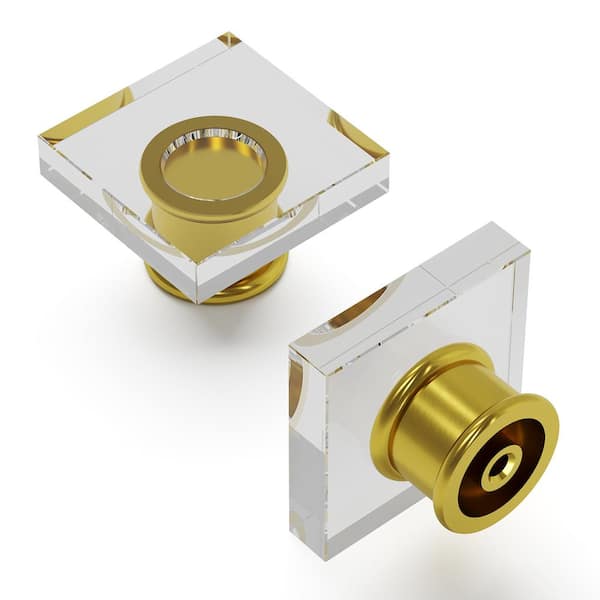
Brass works well in traditional and classic kitchen designs. It adds warmth with its golden color. Brass hardware ages beautifully, developing a natural patina over time. It suits high-end cabinets and spaces where elegance matters. Brass handles and knobs are strong and resist corrosion. Use brass for statement pieces that catch the eye. It pairs nicely with wood and dark finishes. Choose brass for a timeless, rich look.
When To Choose Zinc
Zinc fits modern and casual cabinet styles. It offers a smooth surface that can mimic other metals. Zinc hardware is lightweight but sturdy enough for daily use. It resists rust and tarnish, making it good for humid areas. Zinc comes in many finishes, including matte and brushed looks. Use zinc for budget-friendly projects without sacrificing quality. It works well in kitchens, bathrooms, and laundry rooms. Zinc provides a clean, simple style that blends with many decors.
Credit: www.homedepot.com
Frequently Asked Questions
What Are The Main Differences Between Brass And Zinc Hardware?
Brass hardware is made from copper and zinc alloy, offering durability and a classic look. Zinc hardware is lighter, cost-effective, and corrosion-resistant, ideal for budget-friendly options with versatile finishes.
Which Material Is More Durable For Cabinet Hardware?
Brass is generally more durable due to its solid metal composition. Zinc is strong but can be prone to wear over time, especially with heavy use.
How Do Brass And Zinc Hardware Compare In Appearance?
Brass has a warm, golden tone that ages beautifully. Zinc provides a cooler, silver-gray finish and can be easily coated for various colors.
Is Brass Or Zinc Better For Rust Resistance?
Zinc hardware is highly resistant to rust and corrosion. Brass resists corrosion well but can tarnish, requiring occasional polishing to maintain its shine.
Conclusion
Brass and zinc cabinet hardware each offer unique benefits. Brass lasts longer and resists rust well. Zinc is lighter and usually costs less. Both materials come in many styles and finishes. Choose based on your budget and design needs. Quality and appearance matter most for your cabinets.
Knowing their differences helps you decide wisely. Your cabinets will look great either way. Simple choices lead to better home upgrades.