Have you ever wondered why copper fastening is becoming a popular choice in construction and crafts? If you’re curious about what copper fastening means and how it can benefit your projects, you’re in the right place.
Understanding this simple yet powerful technique can change the way you work with materials, making your results stronger and longer-lasting. Keep reading to discover how copper fastening can make a difference for you and why it might be the perfect solution for your next build or repair.
Copper Fastening Basics
Copper fastening is a simple yet important topic in construction and crafts. It involves using copper parts to join or hold materials together. This method is known for its strength and resistance to rust. Understanding copper fastening helps in choosing the right fastener for your project. It also shows why copper is a smart choice for many applications.
Below, we explore the basics of copper fastening. Learn what it is, the types available, and how these fasteners work.
What Is Copper Fastening
Copper fastening means using copper-made pieces to connect materials. These pieces are called fasteners. They hold things like wood, metal, or fabric firmly. Copper is chosen because it does not rust easily. This makes copper fasteners last long, even outside or in wet places.
Types Of Copper Fasteners
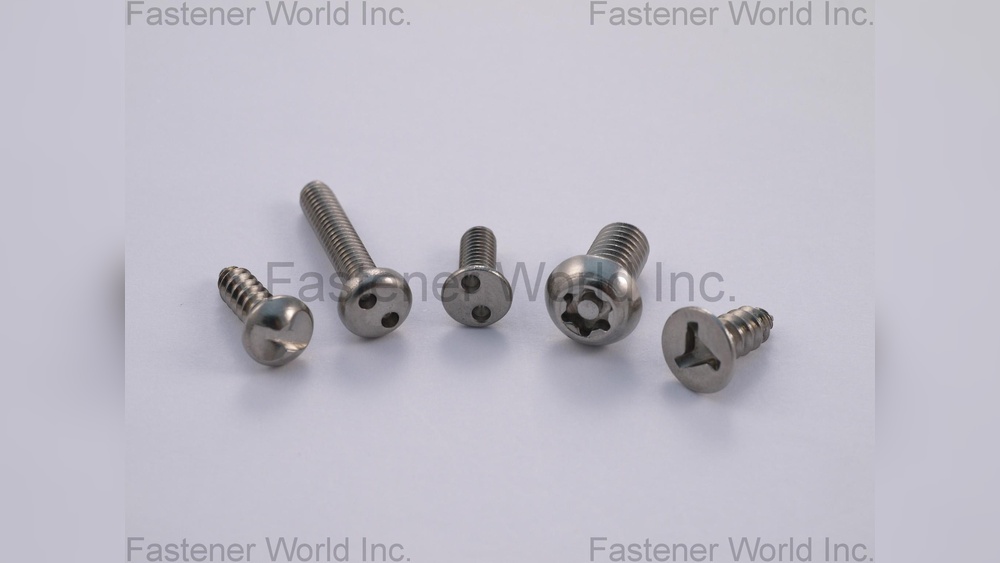
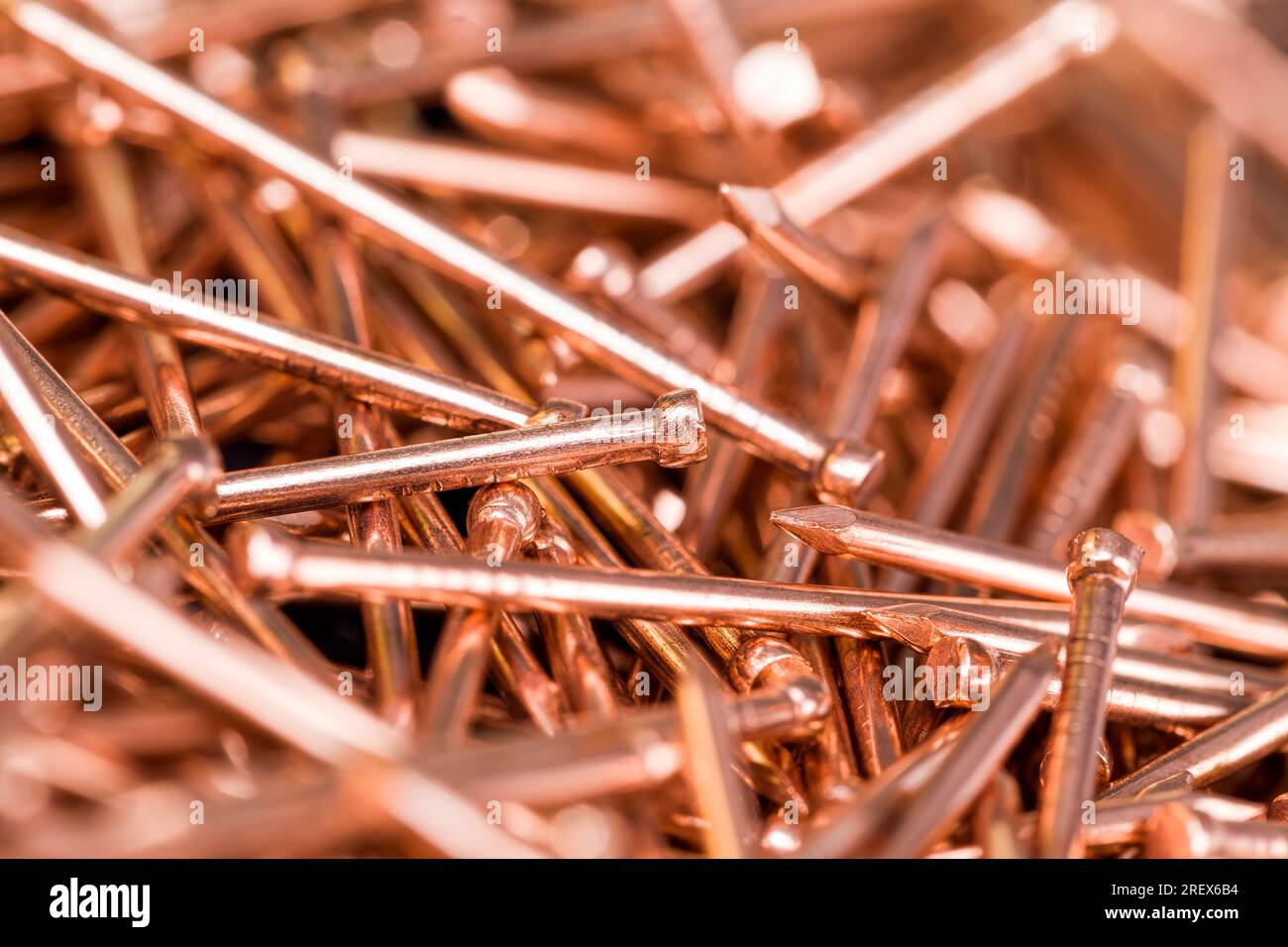
There are several types of copper fasteners. Common ones include nails, screws, and rivets. Copper nails are used in roofing and wood projects. Copper screws offer a tight grip and are easy to remove. Rivets are strong and used where welding is not possible. Each type serves a different purpose in fastening.
How Copper Fasteners Work
Copper fasteners work by holding materials tightly together. When hammered or twisted in, they press the materials. This pressure keeps parts from moving or coming apart. Copper’s softness helps it bend slightly without breaking. This makes copper fasteners flexible and durable. They also resist corrosion, keeping the joint strong over time.
Key Benefits Of Copper Fastening
Copper fastening offers many important benefits for construction and craft projects. Its unique properties make it a preferred choice for many professionals and hobbyists alike. Using copper fasteners can improve the strength and lifespan of your work. It also brings a touch of elegance and functionality that other materials may lack.
Durability And Strength
Copper fasteners are strong and last a long time. They can handle heavy loads without breaking. This makes them ideal for structures that need to stay secure. Copper also resists bending and warping. This durability helps keep joints tight and safe over years.
Corrosion Resistance
Copper does not rust like iron or steel. It naturally resists corrosion from water and air. This means copper fasteners stay solid even in wet or salty environments. Using copper reduces the need for repairs and replacements. It keeps your projects stable and safe.
Electrical Conductivity
Copper is a great conductor of electricity. Copper fasteners can carry electrical current safely. This makes them useful in electrical and electronic applications. They help maintain good connections and prevent power loss. Copper fasteners improve the safety and efficiency of electrical systems.
Aesthetic Appeal
Copper fasteners add a warm, rich look to any project. Their natural reddish color changes over time to a beautiful green patina. This aging process adds character and charm. Copper fasteners make your work stand out with a classic, elegant style. They blend well with wood, stone, and metal.
Common Uses Of Copper Fasteners
Copper fasteners are widely used in many fields because of their strength and resistance to corrosion. They join materials securely while lasting long under tough conditions. Their unique properties make them ideal for different industries and tasks.
These fasteners often appear in places where durability and reliability matter most. They hold structures together and help electrical systems work safely. Their resistance to rust also makes them perfect for wet or salty environments.
Construction And Architecture
Copper fasteners are popular in building projects. They connect wood, metal, and other materials firmly. Their resistance to weather and rust keeps buildings strong. They also add an aesthetic touch with their natural color. Builders use copper fasteners in roofing, siding, and decorative elements.
Electrical Applications
Copper fasteners conduct electricity well. They secure wires and components in electrical systems. Their conductivity reduces energy loss and heat buildup. These fasteners ensure safe and stable connections. They are common in electrical panels, lighting, and wiring assemblies.
Marine Industry
Copper fasteners resist corrosion from saltwater. They hold parts of boats and ships tightly. Their durability helps prevent damage in harsh sea conditions. Marine equipment relies on copper fasteners for long-lasting performance. They are used in hulls, decks, and underwater fittings.
Automotive And Machinery
Copper fasteners provide strength and heat resistance in vehicles. They join engine parts and machinery components securely. Their ability to handle vibration prevents loosening over time. These fasteners support safe and efficient machine operation. They are found in engines, brakes, and electrical systems.

Credit: www.amazon.com
Choosing The Right Copper Fastener
Choosing the right copper fastener is important for a strong and lasting hold. Copper fasteners come in various sizes, shapes, and finishes. Picking the right one depends on your project needs. The right fastener ensures durability and prevents damage to materials.
Factors To Consider
Think about the material you are joining. Copper fasteners work well with wood and metal. Check the size and length needed for a secure fit. Consider the environment, such as moisture or salt exposure. Copper resists rust, but some conditions need special finishes. Also, look at the load the fastener will carry. Stronger loads need thicker or longer fasteners.
Comparing With Other Fasteners
Copper fasteners resist corrosion better than steel or iron. They are softer, which means less damage to delicate materials. Copper also conducts electricity and heat, useful in some projects. Steel fasteners are stronger but may rust. Aluminum fasteners are light but less durable. Choose copper for long-lasting, rust-free connections.
Maintenance Tips
Keep copper fasteners clean to avoid buildup. Use a soft brush to remove dirt and debris. Check fasteners regularly for signs of wear or looseness. Tighten or replace fasteners if needed. Avoid harsh chemicals that can damage the copper. Proper care extends the life of your fasteners and your project.
Future Trends In Copper Fastening
The future of copper fastening holds many exciting developments. Copper fasteners have long been prized for their durability and resistance to corrosion. New trends aim to improve their performance and environmental impact. Advances in technology and materials science drive these changes. This section explores key future trends shaping copper fastening.
Innovations In Copper Fasteners
Manufacturers develop stronger and lighter copper fasteners. Alloy improvements enhance copper’s natural properties. Coatings and treatments help resist wear and rust. Smart fasteners with sensors may monitor structure health. These innovations increase safety and reduce maintenance costs. Precision manufacturing leads to better fitting and easier installation.
Sustainability And Recycling
Copper is fully recyclable without losing quality. Recycling reduces the need for mining and saves energy. More companies now use recycled copper in fastener production. Sustainable sourcing ensures minimal environmental damage. Designs focus on easy disassembly for recycling after use. These steps help reduce waste and protect resources.
Credit: www.alamy.com

Credit: www.youtube.com
Frequently Asked Questions
What Is Copper Fastening In Construction?
Copper fastening refers to using copper nails, screws, or clips to join materials. It offers durability and corrosion resistance in roofing and woodworking.
Why Choose Copper Fasteners Over Other Metals?
Copper fasteners resist rust and corrosion, increasing longevity. They also blend well with copper roofing and provide strong, reliable joints.
Where Is Copper Fastening Commonly Used?
Copper fastening is popular in roofing, especially with copper shingles. It’s also used in marine and outdoor woodworking applications due to its weather resistance.
How Does Copper Fastening Improve Durability?
Copper fasteners resist corrosion and weather damage better than steel. This enhances the lifespan of structures, especially in harsh environments.
Conclusion
Copper fastening means joining materials using copper fasteners. Copper resists rust and lasts a long time. It suits many projects, especially in moist areas. Copper fasteners hold parts tightly and look good. Choosing copper helps protect your work from damage.
Simple, strong, and reliable. Now, you know why copper fastening matters. Use it to build things that last and stay strong.