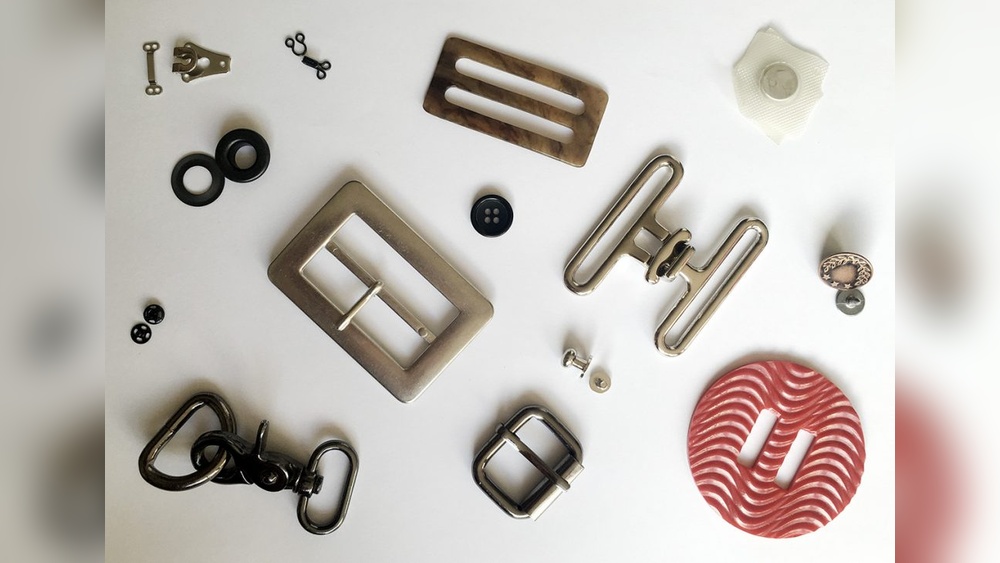
Have you ever wondered what keeps your furniture, gadgets, or machines firmly together? The answer lies in fasteners—those small but powerful components that hold everything in place.
Understanding what fasteners are and the different types available can make a big difference, whether you’re fixing something at home or working on a big project. You’ll discover the essential types of fasteners and how each one plays a unique role in making your work stronger and more reliable.
Ready to unlock the secrets behind these tiny yet mighty tools? Keep reading to find out!
Basics Of Fasteners
Fasteners are small but crucial parts in many projects and products. They join two or more objects together securely. Understanding the basics helps in choosing the right fastener for any task.
Fasteners come in various forms and materials. Each type serves a specific purpose, ensuring safety and durability in construction and manufacturing.
Definition And Purpose
Fasteners are devices that hold parts tightly together. They prevent movement and separation of joined materials. Common fasteners include screws, bolts, nuts, and nails. Their main purpose is to create a strong connection that can be easily assembled or disassembled.
Common Materials Used
Fasteners are made from different materials based on strength and use. Steel is the most common material, known for its durability. Stainless steel resists rust, ideal for outdoor use. Aluminum is lightweight and corrosion-resistant but less strong. Brass offers good corrosion resistance and an attractive finish. Plastic fasteners suit lightweight and non-metallic applications.
Types Of Fasteners
Fasteners join two or more objects securely. They hold parts together in construction, machinery, and everyday items. Different types of fasteners serve different purposes. Each type offers unique benefits for strength, ease, or flexibility.
Bolts And Screws
Bolts are strong fasteners with a head and threaded shaft. They need nuts to secure parts. Screws are similar but often thread directly into material. Both provide firm, removable joints. Common in metal and woodwork.
Nuts And Washers
Nuts are small, hexagonal pieces that fit bolts. They tighten to hold parts firmly. Washers sit between the nut and surface. They spread pressure and protect surfaces. Nuts and washers work together for stable joints.
Rivets And Pins
Rivets join materials permanently. Installed by deforming one end to lock parts. Pins are removable fasteners that allow rotation or movement. Used in machinery and furniture for flexible connections.
Clips And Clamps
Clips hold parts quickly without tools. They snap or slide into place. Clamps apply pressure to secure objects temporarily. Used in woodworking, plumbing, and automotive repairs.
Choosing The Right Fastener
Choosing the right fastener is important for any project. The right fastener holds parts together safely and lasts long. It also makes the work easier and more efficient.
Many types of fasteners exist. Each serves different purposes and materials. Picking the right one depends on several factors. Understanding these factors helps avoid mistakes and saves time.
Factors To Consider
First, think about the material you want to join. Wood, metal, and plastic need different fasteners. Next, consider the load or weight the fastener must hold. Some fasteners are stronger and support heavy loads. Also, check the environment. Outdoor use requires rust-resistant fasteners. Indoor work may not need special coatings. Finally, the size and length of the fastener matter. It should fit the parts well without causing damage.
Application-specific Options
Some projects need special fasteners. For example, electronics use tiny screws to avoid damage. Construction often needs bolts for strong joints. Automotive parts require fasteners that resist vibration. Choosing fasteners made for the specific job improves performance. It also prevents failures and saves money in the long run.
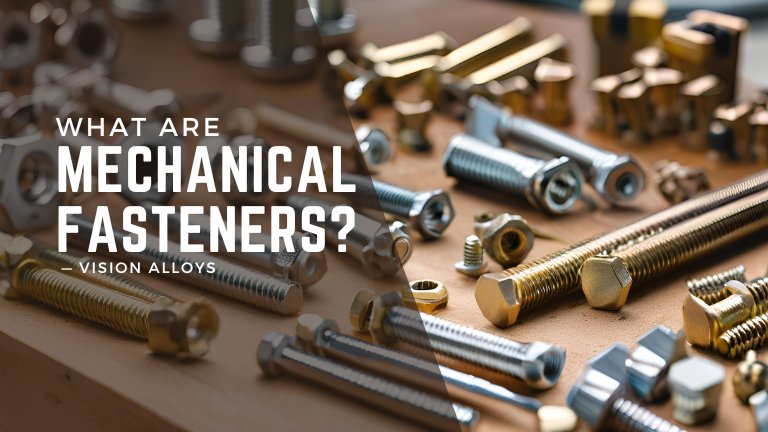
Credit: www.visionalloys.com
Fastener Sizes And Standards
Fastener sizes and standards ensure the right fit and strength for every job. Choosing the correct size is crucial for safety and durability. Standards help manufacturers and users understand exact dimensions and quality. This section explains the measurement systems and industry standards used worldwide.
Measurement Systems
Fasteners use two main measurement systems: metric and imperial. Metric sizes are measured in millimeters for diameter and length. Imperial sizes use inches and fractions for measurement. Thread pitch is also important; it measures the distance between threads. Metric thread pitch is in millimeters, while imperial uses threads per inch. Correct measurement systems prevent mismatch and failure in fastener applications.
Industry Standards
Industry standards define fastener sizes, shapes, and strength. Organizations like ISO, ANSI, and DIN set these rules. ISO standards are common worldwide and use metric sizes. ANSI standards mostly apply in the United States and use imperial sizes. DIN standards are common in Europe and cover both metric and imperial. Standards ensure fasteners meet safety and performance requirements.
Installation Techniques
Installing fasteners correctly is key to strong and safe connections. Different fasteners need specific techniques to work well. Using the right method saves time and prevents damage.
Tools Required
Basic tools include screwdrivers, wrenches, and pliers. Power drills help with screws and bolts. Sometimes, a hammer is needed for nails and pins. Measuring tools ensure precise placement. Using the correct tool makes installation easier and safer.
Best Practices
Clean the surfaces before starting. Align parts carefully to avoid gaps. Tighten fasteners firmly but not too tight. Over-tightening can strip threads or break parts. Check each connection after installation. Replace damaged fasteners immediately for safety. These steps help create strong, lasting joints.

Credit: grabcad.com
Maintenance And Inspection
Fasteners hold parts together tightly in machines and structures. Regular maintenance and inspection keep them working well. This helps avoid accidents and costly repairs. Checking fasteners often can catch problems early. It also extends the life of equipment.
Signs Of Wear
Look for rust or corrosion on fasteners. Loose or missing fasteners show wear. Cracks or bends in fasteners mean damage. Worn threads make fasteners hard to tighten. Discoloration can indicate heat damage. Any unusual changes mean the fastener needs attention.
Replacement Tips
Replace fasteners that show damage or wear. Use the same size and type for replacements. Clean the area before installing new fasteners. Tighten fasteners to the recommended torque. Avoid over-tightening to prevent damage. Check replacements regularly to ensure safety.

Credit: screwexpert.com
Frequently Asked Questions
What Are Fasteners And Their Main Purpose?
Fasteners are hardware devices that join two or more objects securely. They provide mechanical strength and ease of assembly or disassembly. Common fasteners include screws, bolts, nuts, and washers. They are essential in construction, manufacturing, and everyday applications to hold parts together reliably.
What Are The Common Types Of Fasteners?
Common fasteners include screws, bolts, nuts, washers, rivets, and pins. Each type serves specific purposes based on load, material, and assembly needs. For example, screws are used for wood, while bolts are preferred for metal connections. Washers help distribute load and prevent damage.
How Do Screws Differ From Bolts?
Screws typically have a tapered shaft and are threaded along the entire length. They are driven into materials directly. Bolts have a uniform diameter and need a nut to secure them. Bolts are mainly used for clamping components together tightly with nuts.
What Materials Are Fasteners Made From?
Fasteners are commonly made from steel, stainless steel, brass, aluminum, and plastic. Steel offers strength and durability, while stainless steel resists corrosion. Brass is used for decorative or electrical applications. Plastic fasteners are lightweight and non-conductive.
Conclusion
Fasteners hold things together in many ways. There are many types, like screws, bolts, and nails. Each type works best for certain jobs. Choosing the right fastener makes your project strong and safe. Knowing these basics helps with repairs or building.
Fasteners are small but very important parts. Use them well to keep everything tight and steady.