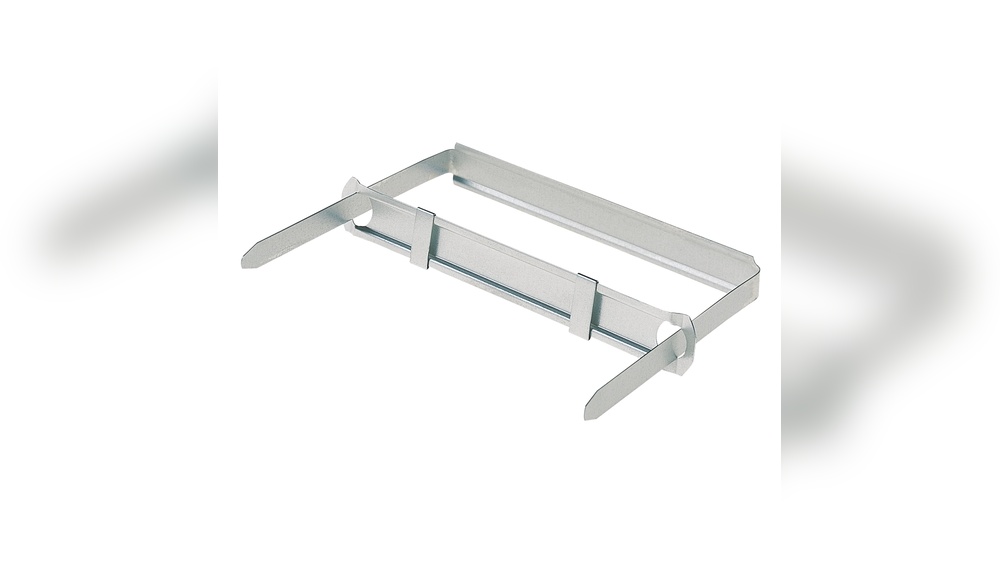
Have you ever needed a simple way to keep papers, photos, or documents neatly together without bulky clips or staples? That’s where a prong fastener comes in.
It’s a small, clever tool that helps you organize your work quickly and efficiently. If you want to learn how this little device can make your life easier, keep reading—you’re about to discover a straightforward solution you didn’t know you needed.
Prong Fastener Basics
Prong fasteners are small but strong tools used to hold papers or materials together. They offer a simple way to keep documents organized. These fasteners are easy to use and come in different types. Knowing the basics helps in choosing the right one for your needs.
They work by piercing through papers and folding their prongs to secure the stack. Prong fasteners are common in offices and schools. Their design saves time and avoids damage to documents.
Types Of Prong Fasteners
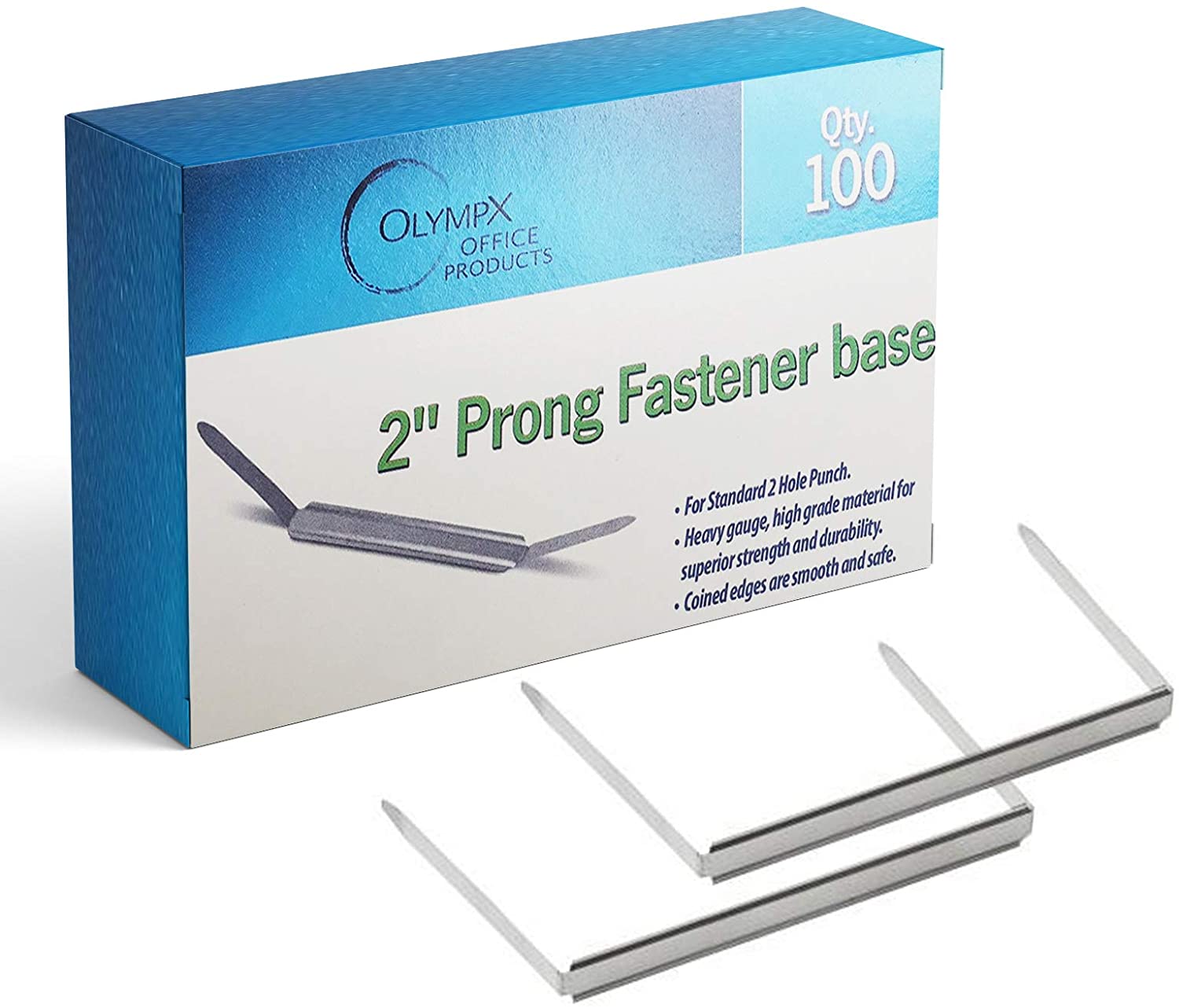
There are several types of prong fasteners. The most common is the two-prong fastener. It has two metal prongs that bend to hold papers. Another type is the four-prong fastener, which offers extra strength. Some fasteners come with a plastic cover for safety. Each type fits different thicknesses and uses.
Common Materials Used
Prong fasteners are usually made from metal or plastic. Metal prongs are strong and last longer. Steel is the most popular metal for these fasteners. Plastic parts help protect papers and improve grip. Some fasteners use a mix of metal and plastic for better durability. The choice of material affects how well the fastener works.
How Prong Fasteners Work
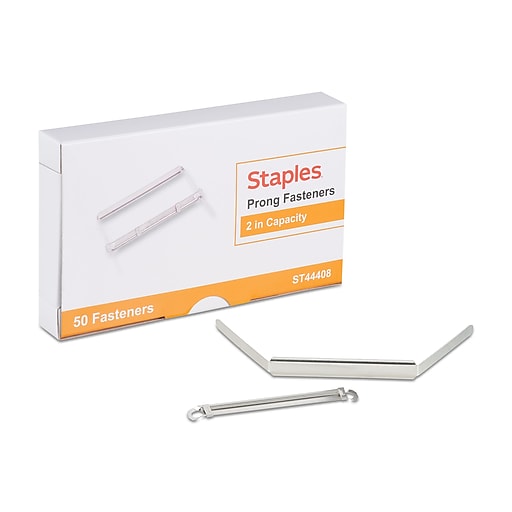
Prong fasteners work by piercing holes in papers. The prongs go through these holes. Then, the prongs are bent flat to hold the papers tight. This bending stops the papers from slipping out. The fastener keeps documents neat without punching too many holes. It is quick to use and easy to remove if needed.
Credit: www.staples.com
Applications Of Prong Fasteners
Prong fasteners are simple tools that join papers and other materials securely. Their design allows easy opening and closing, making them useful in many areas. These fasteners help organize and hold items neatly without damage.
Office And Document Binding
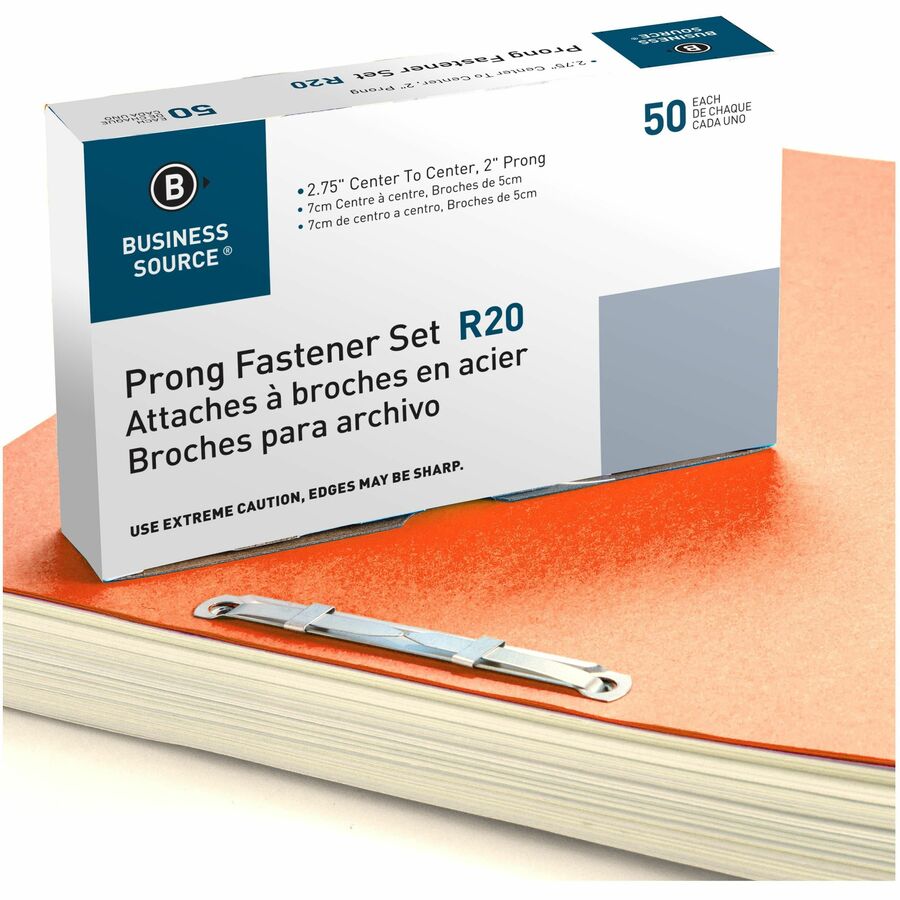
Prong fasteners are common in offices to bind papers. They keep reports, contracts, and files together. These fasteners allow adding or removing pages quickly. They work well for thick stacks of paper. Many offices use them for easy document management.
Crafts And Diy Projects
Crafters use prong fasteners to connect parts of their projects. They hold paper, fabric, or thin materials firmly. These fasteners are great for scrapbooking and handmade books. They add a neat, professional look to crafts. Their reusability makes them a favorite for DIY work.
Industrial Uses
Industries use prong fasteners to secure labels and tags on products. They help organize inventory and shipments. Factories use them for binding manuals and instructions. Their strength and ease of use suit busy work environments. Prong fasteners save time and reduce waste in production.
Advantages Of Prong Fasteners
Prong fasteners offer several advantages that make them a popular choice. They secure papers and materials firmly without damage. Their design fits many binding needs, making them very useful. Below are some key benefits of using prong fasteners.
Durability And Strength
Prong fasteners hold papers tightly together. They resist bending and breaking easily. The metal prongs provide strong support for thick stacks. They keep documents safe and well-organized over time.
Ease Of Use
Prong fasteners are simple to attach and remove. No special tools are necessary. You can open and close them quickly. This saves time and reduces hassle in daily tasks.
Cost-effectiveness
Prong fasteners are affordable for offices and schools. They last long, so you buy less often. Their low price and durability make them budget-friendly. They help manage paperwork without extra costs.
Choosing The Right Prong Fastener
Choosing the right prong fastener matters for a strong, neat hold. These fasteners come in various types and sizes. Picking the right one makes your project easier and more durable. Consider size, material, and quantity to get the best fit.
Size And Length Considerations
Prong fasteners come in different sizes and lengths. Choose a size that fits the paper or material thickness. Too short means weak hold; too long may poke through. Measure your stack before picking a fastener. Size affects how secure your documents stay.
Material Compatibility
Prong fasteners are made from metal or plastic. Match the fastener material with your document type. Metal works well for heavy papers and long-term use. Plastic suits light papers and short-term projects. Material choice affects durability and appearance.
Quantity And Bulk Options
Consider how many fasteners you need. Buying in bulk saves money for large projects. Small packs fit occasional use or small jobs. Bulk options are useful for offices and schools. Think about your project size before purchasing.
Installation Tips
Installing a prong fastener correctly ensures your documents stay secure. Follow simple steps and use the right tools. This guide helps you install prong fasteners with ease.
Tools Needed
Gather these tools before starting:
- Prong fastener set
- Hole punch or paper drill
- Scissors or paper cutter
- Flat surface for working
- Ruler or measuring tape
Step-by-step Binding Process
First, measure and mark holes on your papers.
Use a hole punch to create clean holes.
Insert the prongs through the holes carefully.
Place the metal plate on the prongs’ ends.
Bend the prongs outward to secure all sheets.
Press down firmly to make sure it holds.
Troubleshooting Common Issues
Prongs not holding? Check if holes are aligned.
Too many papers? Use longer prongs for thicker stacks.
Prongs bending incorrectly? Apply even pressure when folding.
Fastener slipping? Ensure the metal plate fits tightly.
Paper tearing? Use sharp hole punch and avoid overloading.
Credit: ringbinderdepot.com
Maintenance And Removal
Prong fasteners need care to work well and last long. Proper maintenance keeps them strong and safe. Removing prong fasteners correctly avoids damage to papers and the fastener itself.
Understanding how to handle these fasteners helps save time and resources. Follow simple steps for safe removal and good storage.
Safe Removal Techniques
Lift the prongs gently to avoid tearing papers. Use a flat tool like a screwdriver to bend prongs back carefully. Pull the fastener out slowly, keeping the papers steady. Avoid forcing the fastener, as it may break or bend.
Reusability Factors
Check prongs for bends or cracks before reuse. Straighten any bent prongs with pliers to keep their grip strong. Replace fasteners with damaged prongs to prevent paper loss. Clean fasteners to remove dust and debris for smooth use.
Storage Recommendations
Store prong fasteners in a dry, cool place to prevent rust. Keep them in a container to avoid bending or losing pieces. Organize fasteners by size for easy access. Avoid stacking heavy items on top to keep them flat and usable.
Credit: shop.fsioffice.com
Frequently Asked Questions
What Is A Prong Fastener Used For?
A prong fastener securely binds papers or materials together. It is commonly used in offices and craft projects for easy organization and durability.
How Does A Prong Fastener Work?
Prong fasteners work by inserting metal prongs through punched holes. The prongs are then bent outward to hold papers tightly in place.
What Materials Are Prong Fasteners Made Of?
Prong fasteners are typically made from durable metal, such as steel or stainless steel. This ensures strength and long-lasting performance for binding documents.
Can Prong Fasteners Be Reused?
Yes, prong fasteners can be reused multiple times. You can unbend the prongs to remove papers and bend them back to fasten new ones.
Conclusion
Prong fasteners hold papers and materials firmly together. They work by piercing and folding metal prongs. These fasteners are easy to use and reuse. Schools, offices, and businesses often rely on them. Knowing their purpose helps in choosing the right tool.
They keep documents neat and organized. Simple, strong, and reliable—prong fasteners do their job well. Understanding these fasteners saves time and effort in handling papers. A small tool with big benefits for everyday tasks.

