Choosing the right screw size for your cabinet hardware can be tricky, but it’s one of the most important steps to get your project just right. If you use screws that are too long or too short, your handles and knobs might not stay secure, or worse, you could damage your cabinets.
You might be wondering, “What size screw do I really need? ” This guide will help you find the perfect fit quickly and easily, saving you time, frustration, and extra trips to the hardware store. Keep reading to make sure your cabinet hardware looks great and stays firmly in place.

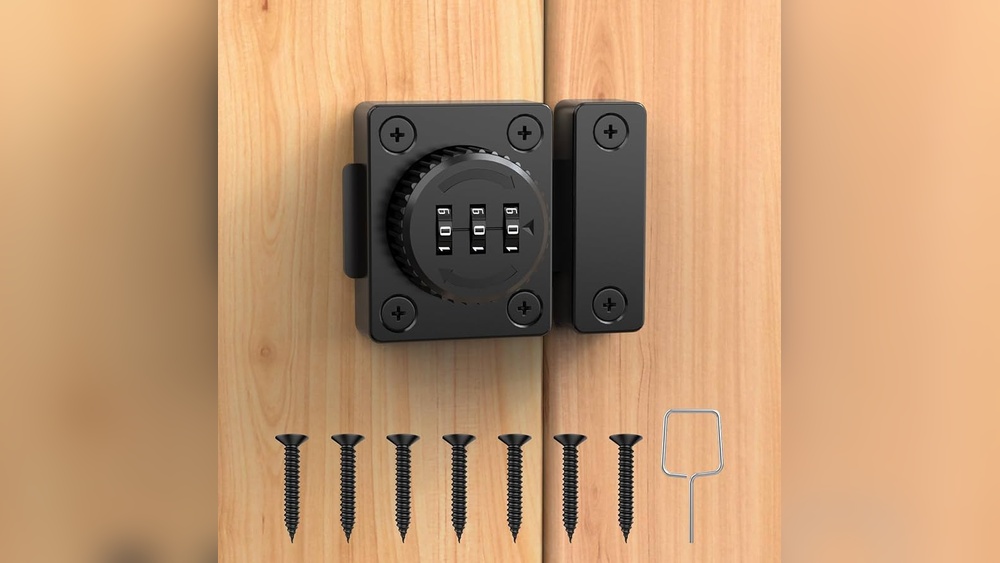
Credit: www.amazon.com
Choosing The Right Screw Size
Choosing the right screw size for cabinet hardware is important for a secure fit. The wrong size can cause damage or loose handles. Knowing the correct size helps make your installation smooth and strong.
Common Screw Sizes For Cabinets
Most cabinet hardware uses screws between 3/4 inch and 1 1/4 inch long. The most common sizes are 8-32 screws with lengths of 3/4 inch, 1 inch, and 1 1/4 inch. These sizes fit most drawer pulls and knobs.
Shorter screws work well for thin cabinet doors. Longer screws suit thicker doors or when attaching through glass or metal inserts.
Factors Influencing Screw Length
Screw length depends on cabinet door thickness and hardware type. Measure door thickness before selecting screw length. The screw should pass through the hardware and the door without sticking out.
Consider the mounting style. Some hardware needs longer screws to reach the back of the door. Avoid screws that are too long to prevent damage behind the cabinet.
Screw Diameter And Thread Type
Diameter affects how tight the screw holds. Most cabinet hardware uses 8 diameter screws. This size fits well in pre-drilled holes.
Thread type matters for wood or metal surfaces. Wood screws have coarse threads for better grip in wood. Machine screws have fine threads and need nuts or threaded inserts.

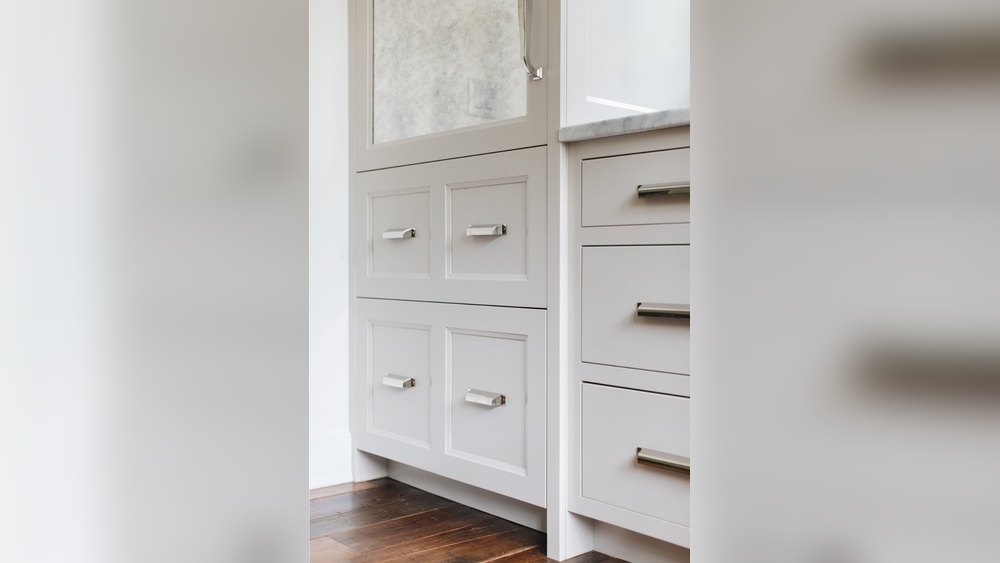
Credit: www.emoderndecor.com
Measuring For The Perfect Fit
Measuring for the perfect fit is key to choosing the right screw size for cabinet hardware. Accurate measurements ensure your hardware stays secure and looks neat. This process involves checking the cabinet door thickness, the hardware thickness, and then calculating the correct screw length.
Measuring Cabinet Door Thickness
Start by measuring the thickness of your cabinet door. Use a ruler or tape measure for this task. Measure from the outer surface to the inner edge. Note the measurement in millimeters or inches. This number helps decide how long your screws need to be.
Determining Hardware Thickness
Next, measure the thickness of the cabinet hardware. This includes knobs, pulls, or handles. Place the ruler on the thickest part of the hardware. Record the measurement carefully. This thickness adds to the total length your screw must cover.
Calculating Screw Length
Add the cabinet door thickness to the hardware thickness. Then add a few extra millimeters for a secure hold. This sum is your ideal screw length. Choose screws slightly longer than this number. Avoid screws that are too short or too long to prevent damage.
Types Of Screws For Cabinet Hardware
Choosing the right screw type for cabinet hardware is important. Different screws fit different materials and hardware styles. Knowing the types of screws helps you pick the best one for your project.
Wood Screws
Wood screws have a sharp tip and coarse threads. They are designed to grip wood firmly. These screws work well with wooden cabinets and drawer fronts. They provide strong hold without splitting the wood.
Machine Screws
Machine screws have fine threads and a blunt tip. They fit into pre-threaded holes or nuts. These screws are common for metal cabinet hardware. They offer a tight and secure fit for handles and knobs.
Sheet Metal Screws
Sheet metal screws have sharp threads along the entire length. They can cut into thin metal or plastic. Use these screws for metal cabinet parts or hardware attached to metal surfaces. They hold tightly without needing a nut.
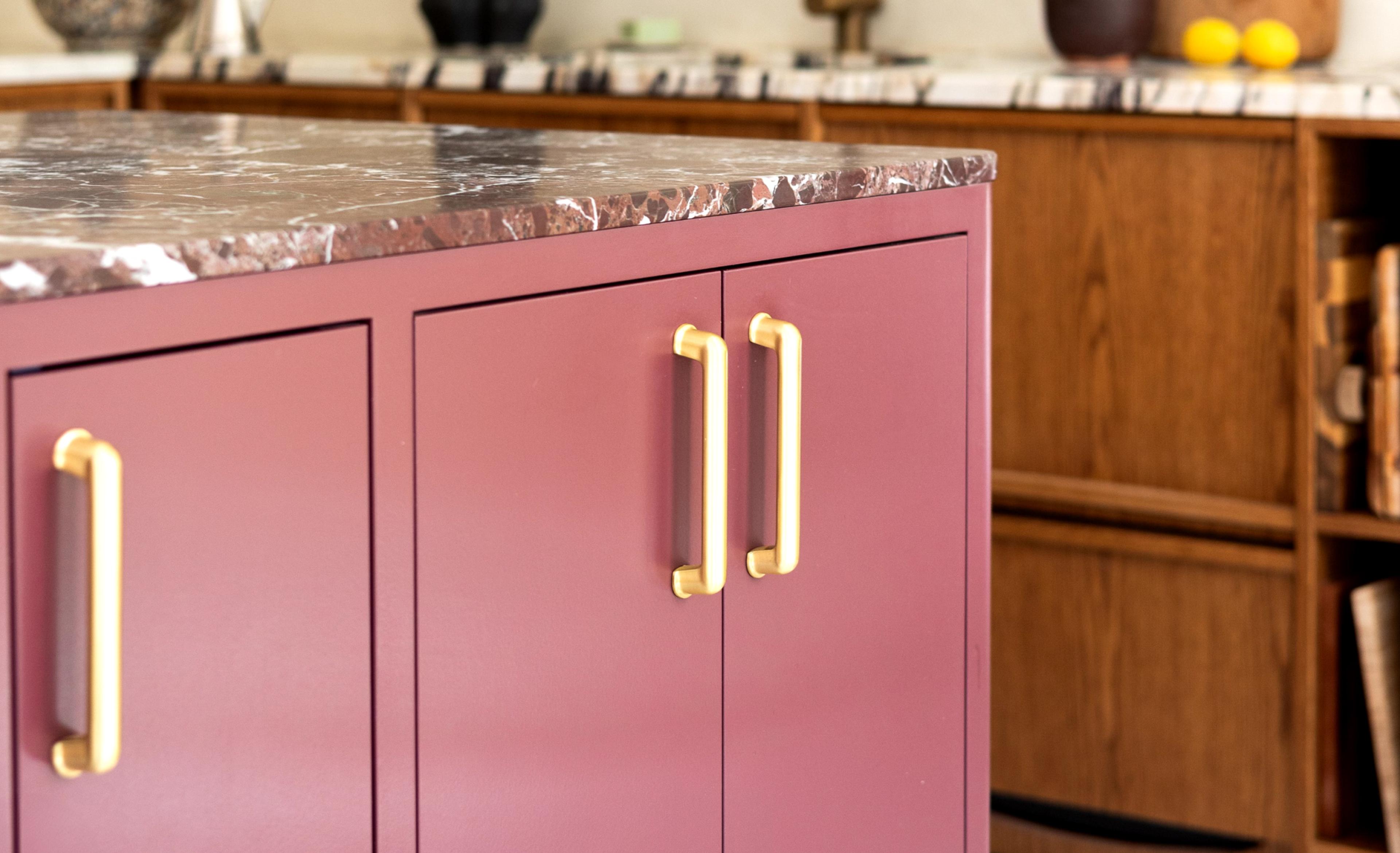
Credit: schoolhouse.com
Materials And Finishes
Choosing the right materials and finishes for cabinet hardware screws is important. These factors affect the look and the life of your cabinets. Screws must resist rust and match the hardware’s finish. This keeps your cabinets strong and nice to see.
Corrosion-resistant Options
Screws made from stainless steel resist rust well. They work great in kitchens and bathrooms. Brass screws also resist corrosion and add a warm tone. Zinc-plated screws provide a basic rust barrier. Choose corrosion-resistant screws to keep hardware safe from moisture.
Matching Screw Finish With Hardware
Picking screws that match the hardware finish looks neat and clean. For example, use black screws with black handles. Chrome screws blend well with shiny silver pulls. Matching finishes keep your cabinets looking smooth and stylish. Avoid mixing finishes to prevent a mismatched look.
Durability Considerations
Durable screws hold cabinet hardware firmly over time. Hardened steel screws are strong and hard to strip. Soft metal screws may bend or break easily. Choose screws with good strength for heavy handles or knobs. Long-lasting screws reduce the need for repairs and replacements.
Installation Tips
Installing cabinet hardware needs care and the right tools. Proper steps make your work last longer and look neat. Follow these simple tips to avoid common mistakes and ensure a solid fit.
Pre-drilling Holes
Always drill small pilot holes before screwing hardware. This prevents wood from splitting. Choose a drill bit slightly smaller than the screw’s diameter. Mark the screw spots carefully to keep hardware aligned. Pre-drilling also makes screwing easier and faster.
Avoiding Over-tightening
Stop tightening screws once the hardware feels secure. Over-tightening can strip the screw hole or damage the cabinet surface. Use a screwdriver with good control. Tighten screws evenly to keep hardware flat and stable. A snug fit is better than forcing screws too hard.
Using Washers And Anchors
Use washers if the screw head is bigger than the hardware hole. Washers protect the finish and distribute pressure. For hollow or weak cabinet doors, use anchors. Anchors hold screws firmly and prevent loosening. Select anchors that fit your screw size for best results.
Troubleshooting Common Issues
Cabinet hardware installation can have a few common problems. These problems often relate to screw size and fit. Fixing these issues makes your cabinets look better and last longer. Understanding the right screw size helps avoid many headaches. Below are solutions to some frequent challenges.
Screw Too Short Or Too Long
Screws that are too short won’t hold the hardware firmly. The handle may wiggle or fall off easily. Choose screws that reach the wood behind the cabinet surface.
Too long screws can poke through the other side. This can cause damage or look untidy. Measure the thickness of your cabinet door or drawer before buying screws. Match the screw length closely to this measurement.
Stripped Screw Heads
Stripped heads happen when the screwdriver slips or the screw is low quality. It becomes hard to tighten or remove the screw. Use a screwdriver that fits the screw head perfectly. Turn slowly and with steady pressure.
If a screw is already stripped, try a rubber band for extra grip. Place it between the screwdriver and the screw head. This often helps turn the screw without slipping.
Loose Hardware Fixes
Loose hardware makes cabinets feel cheap and unstable. Tighten screws carefully, but avoid over-tightening. Over-tightening can strip the holes or break the hardware.
If screws won’t tighten, fill the hole with a wooden toothpick or matchstick. Break it off inside and then screw in again. This fills the space and holds the screw tightly.
Frequently Asked Questions
What Size Screw Is Best For Cabinet Hardware?
The most common screw size for cabinet hardware is 8. Length varies between 1 inch to 1. 5 inches. Choose length based on cabinet thickness.
How To Choose Screw Length For Cabinet Knobs?
Select screw length that matches your cabinet door thickness. For thinner doors, use 1-inch screws. Thicker doors may require 1. 5-inch screws.
Can I Use Different Screw Sizes For Cabinet Handles?
Yes, screw sizes can vary based on handle type and door thickness. Always measure before purchasing screws to ensure proper fit.
Why Is Screw Size Important For Cabinet Hardware?
Correct screw size ensures hardware fits securely without damaging cabinets. Using wrong size can cause loose hardware or damage wood surfaces.
Conclusion
Choosing the right screw size makes cabinet hardware secure and lasting. Most cabinets work well with 1-inch to 1. 5-inch screws. Always check your hardware’s thickness before picking screws. Too long or too short screws can cause problems. Taking time to measure helps avoid damage and loose fittings.
Simple steps save you from future repairs. Proper screws keep your cabinets looking good and working well. Remember, small details matter in every project.