When you pick up a hand tool or a fastener, do you ever wonder what those numbers and letters really mean? Understanding the designations that identify their size can save you time, avoid mistakes, and make your projects smoother.
Whether you’re fixing something at home or working on a big build, knowing exactly what size you need is a game-changer. You’ll discover the simple ways to read and use these size codes like a pro. Ready to take your skills to the next level?
Keep reading—you’ll never look at tools and fasteners the same way again.

Credit: webstore.ansi.org
Hand Tool Size Basics
Understanding the size of hand tools and fasteners is important for any project. Size designations help you pick the right tool or fastener for the job. Knowing these basics saves time and avoids mistakes. This guide explains the key points about hand tool sizes.
Measuring Hand Tools
Hand tools are measured by their length, width, or opening size. For example, wrenches show the size of the opening that fits a bolt. Tape measures list length in feet, inches, or centimeters. Accurate measurement ensures tools fit well and work correctly.
Common Size Units
Tools use two main size units: metric and imperial. Metric units include millimeters and centimeters. Imperial units use inches and feet. Fasteners like screws and bolts also follow these size units. Knowing both systems helps when working with different tools.
Metric Vs Imperial Tools
Metric tools use the metric system, common worldwide. Imperial tools follow the inch-based system, mainly used in the US. Some tools have markings for both systems. Mixing metric and imperial tools can cause damage or poor fit. Choose tools based on the size system you need.
Fastener Size Types
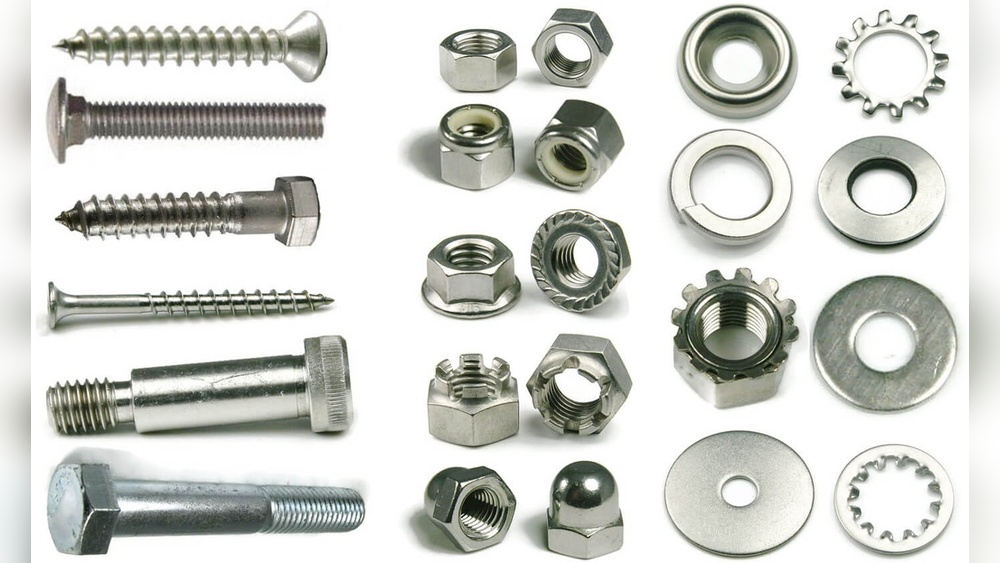
Fastener size types help identify the exact measurements of screws, bolts, nuts, and washers. These sizes ensure compatibility and strength for different projects. Knowing these types prevents mistakes and saves time during assembly or repairs.
Screw Size Standards
Screw sizes follow specific standards to describe their diameter and length. The most common are the Unified Thread Standard (UTS) and the Metric system. UTS uses numbers like 6 or 8 for small screws. Metric screws use millimeters, such as M3 or M6. Length is measured from the head to the tip.
Bolt And Nut Dimensions
Bolt sizes include diameter, thread pitch, and length. Diameter is the thickness of the bolt’s shaft. Thread pitch measures the distance between threads. Nuts match the bolt size and thread pitch exactly. Both use either UTS or Metric standards for sizing. Proper fit ensures strong, safe connections.
Washer Sizing
Washers come in different sizes based on inner diameter, outer diameter, and thickness. The inner diameter must fit the bolt or screw shaft. Outer diameter provides surface area to distribute pressure. Thickness affects strength and flexibility. Washers are sized to match fastener dimensions for stability.
Markings And Labels
Markings and labels on hand tools and fasteners provide important size information. They help users select the right tool or fastener for any job. Understanding these markings saves time and prevents mistakes.
Decoding Tool Markings
Tools often have numbers or letters stamped on them. These show the tool size or type. For example, a wrench might have “10mm” marked, which means it fits 10 millimeter bolts. Some tools use standard sizes like inches or metric units. Clear markings make it easier to find the exact tool needed.
Fastener Head Codes
Fasteners like bolts and screws have codes on their heads. These codes tell the size, grade, and material. Numbers often represent the diameter or thread size. Letters can indicate strength or type, such as stainless steel or carbon steel. These codes ensure the correct fastener is used for strength and fit.
Manufacturer Size Indicators
Manufacturers add their own size labels to tools and fasteners. These can be logos, part numbers, or size charts. They help identify the product and its specifications. Size indicators from trusted brands often match industry standards. This consistency makes selecting and replacing tools simple and reliable.
Size Charts And Tables
Size charts and tables help identify the correct dimensions of hand tools and fasteners. They provide clear information about measurements in one place. This makes choosing the right tool or fastener easier and more accurate.
These charts often show conversions between metric and imperial sizes. They also list the diameter, length, and other key details. Knowing these sizes is important for proper fitting and safe use.
Tool Size Conversion Charts
Tool size conversion charts compare metric and imperial units. They help users switch between millimeters and inches quickly. For example, a wrench size of 10 mm equals about 3/8 inch. Such charts prevent confusion during tool selection.
These charts often include sizes for sockets, wrenches, and screwdrivers. They ensure you pick the correct size for each task. Having a conversion chart saves time and reduces mistakes.
Fastener Diameter And Length
Fasteners come in many diameters and lengths. Size charts list these dimensions for bolts, screws, and nails. Diameter is the thickness of the fastener’s body. Length measures how deep it goes into material.
Using the right diameter and length ensures strong, secure connections. Size tables help match fasteners to the job requirements. They also show thread pitch, which affects how fasteners fit.
Torque Specifications By Size
Torque charts show the recommended force to tighten fasteners. The correct torque depends on the fastener size and type. Too much force can damage the fastener or material. Too little force can cause loose joints.
These charts list torque values for different diameters and thread types. Following torque specs improves safety and durability. Always check torque charts before tightening fasteners.
Specialized Size Systems
Specialized size systems help identify hand tools and fasteners clearly. Each system fits specific tools or parts. These systems ensure the right size matches the right job. Understanding them avoids mistakes and saves time. Let’s explore three key systems used in the trade.
Fractional Sizes
Fractional sizes use fractions of an inch to show tool sizes. Common in the U.S., they measure wrenches and sockets. For example, a 1/2-inch wrench fits a 1/2-inch bolt. This system is simple and easy for many tasks. It helps quickly find the correct tool size.
Gauge Numbering
Gauge numbering rates metal thickness and wire diameter. Smaller numbers mean thicker material. Larger numbers mean thinner material. This system is common for nails, wires, and sheet metals. It simplifies communication about thickness without exact measurements. Professionals rely on gauge numbers for quick decisions.
Thread Pitch And Count
Thread pitch shows the distance between threads on a bolt or screw. Thread count is the number of threads per inch. These measurements ensure fasteners fit properly in nuts or holes. Correct pitch and count prevent loose or tight fits. This system is key for strong, secure connections in assembly.

Credit: www.theengineeringchoice.com
Selecting Tools And Fasteners
Selecting the right tools and fasteners is key for a successful project. Choosing the correct sizes ensures safety and efficiency. Understanding size designations helps avoid common mistakes. This guide covers how to match tool sizes with fasteners and why size matters.
Matching Tool Size To Fastener
Tools must fit fasteners perfectly. A wrench too large or small can slip. This causes damage or injury. Measure fastener size before picking a tool. Use size charts to find the exact match. Proper fit increases control and reduces wear.
Size Impact On Performance
Correct sizes improve work quality. Fasteners that fit tools tighten securely. Loose fits strip the fastener head. This makes removal hard later. Right tool size saves time and effort. It also protects both tool and fastener.
Avoiding Size Mismatches
Check sizes twice before starting work. Using the wrong size wastes materials. It can break tools or fasteners. Keep a set of size gauges handy. Label tools with their sizes clearly. This prevents confusion and costly errors.
Industry Standards
Industry standards set the rules for sizing hand tools and fasteners. These rules make sure tools fit correctly and work safely. They help manufacturers and users understand sizes easily. Standards also keep quality consistent across different brands and countries.
Ansi And Iso Guidelines
ANSI is an American group that creates rules for tools and fasteners. Their guidelines cover sizes, shapes, and measurements. ISO is an international group with similar goals. It works to unify standards worldwide. Both groups help avoid confusion in tool and fastener sizes.
Sae And Din Specifications
SAE standards come from the Society of Automotive Engineers. These are common in the United States for fasteners and tools. DIN standards originate in Germany and are widely used in Europe. Both SAE and DIN define sizes and threads. They ensure parts fit and work as expected.
Regional Sizing Differences
Different regions use different sizing systems. The U.S. often uses inches and SAE sizes. Europe and many other countries use metric sizes and DIN standards. These differences can cause confusion. Knowing local standards helps pick the right tools and fasteners every time.

Credit: www.theengineeringchoice.com
Frequently Asked Questions
What Designations Indicate Hand Tool Sizes?
Hand tool sizes are often marked by length, width, or diameter. Common designations include inches, millimeters, or gauge numbers. These help users select the right tool for specific tasks, ensuring compatibility and efficiency.
How Are Fastener Sizes Designated?
Fastener sizes are typically shown by diameter, length, and thread pitch. They use measurements like inches or millimeters and thread standards such as UNC or Metric. This ensures proper fit and strength in assemblies.
What Does Gauge Number Mean In Tools?
Gauge numbers represent thickness or diameter in tools and fasteners. Lower gauge means thicker material, while higher gauge means thinner. This system helps in quickly identifying sizes without measuring tools.
Why Are Metric And Imperial Sizes Important?
Metric and imperial sizes are two common measurement systems. Knowing both ensures compatibility with global tools and fasteners. It also prevents mismatches in projects involving international standards.
Conclusion
Understanding hand tool and fastener sizes helps you choose the right items. Size designations show measurements clearly and avoid confusion. Knowing these terms saves time and prevents mistakes during work. Always check size labels before buying or using tools. This ensures safety and better results.
Keep learning size codes to improve your skills gradually. Size knowledge makes your projects easier and more efficient. Simple but important details make a big difference.