Are you working on a construction project and wondering how to keep your walls and roofs strong and secure? Understanding a sheathing fastening schedule is key to making sure your building stays safe and durable.
This simple guide will help you grasp exactly what a sheathing fastening schedule is, why it matters for your project, and how to use it effectively. Keep reading to discover how this important tool can save you time, money, and stress while ensuring your structure stands the test of time.
Sheathing Fastening Basics
Sheathing fastening is a key part of building walls and roofs. It keeps panels in place and helps make structures strong. Knowing the basics of sheathing fastening helps builders do the job right. It also ensures safety and durability in construction projects.
Purpose Of Sheathing Fastening
Sheathing fastening holds panels like plywood or OSB to the building frame. It stops the panels from moving or lifting during strong winds. This fastening adds strength to walls and roofs. It also helps keep the building weather-tight. Proper fastening prevents damage and extends building life.
Common Materials Used
Nails and screws are the most common materials for sheathing fastening. Nails are often easier to install and work well for many projects. Screws offer stronger holding power and resist pulling out. Both come in different sizes and coatings to prevent rust. Choosing the right fastener depends on the sheathing type and building needs.
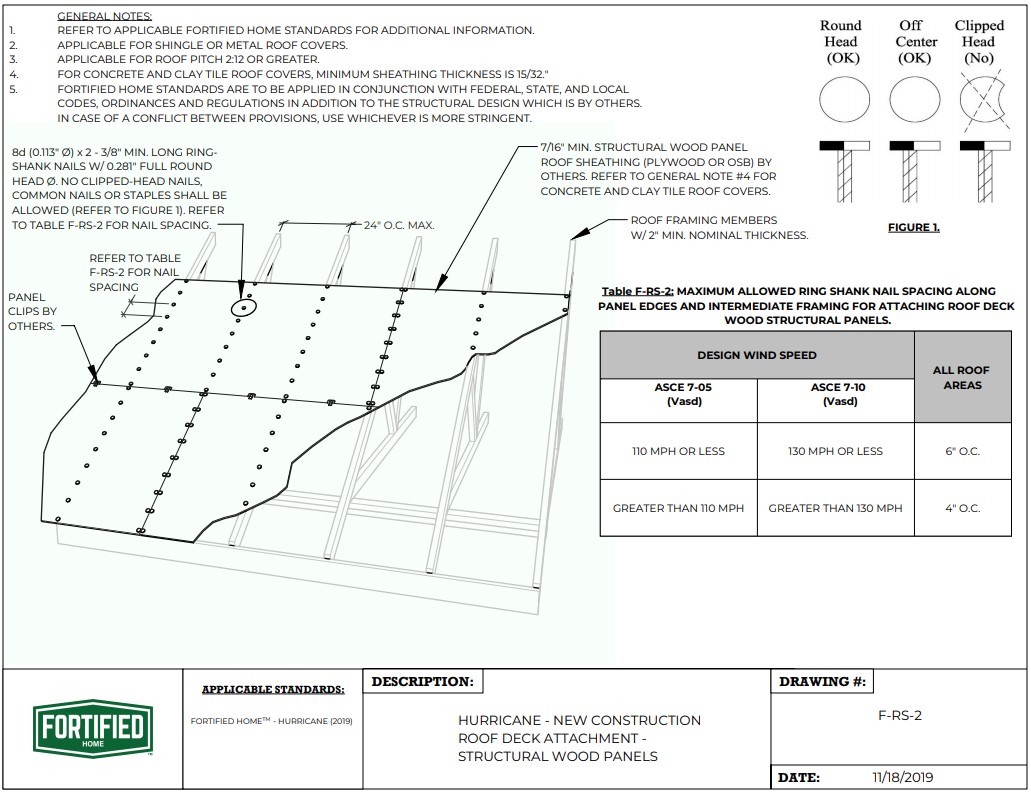
Credit: basc.pnnl.gov
Types Of Fasteners
Fasteners hold sheathing materials firmly in place. Choosing the right fastener type affects the strength and durability of your project. This section explains common fastener options and their features.
Nails Vs. Screws
Nails are quick to install and cost less. They work well with wood and plywood sheathing. Nails bend slightly, which helps absorb shocks.
Screws offer stronger holding power. They resist pulling out better than nails. Screws are slower to install but create a tighter grip.
Use nails for speed and flexibility. Choose screws for strength and security.
Fastener Sizes And Lengths
Fasteners come in different lengths and diameters. The size depends on sheathing thickness and framing type.
Longer fasteners penetrate deeper for better hold. Thicker fasteners provide more strength but may split wood.
Select fasteners that fully secure sheathing without damaging materials.
Coatings And Corrosion Resistance
Fasteners often have coatings to resist rust and corrosion. Galvanized nails and screws last longer outdoors.
Stainless steel fasteners resist moisture and chemicals best. They cost more but protect your structure well.
Choose coated fasteners for exterior or humid environments to prevent rust.
Fastening Patterns
Fastening patterns show how to place nails or screws on sheathing panels. These patterns keep the panels strong and stable. Following the right pattern helps walls resist wind and other forces.
Each part of the panel needs a special fastening method. The edges, field, and corners all require different care. Using the correct pattern prevents damage and keeps structures safe.
Edge Fastening
Edges need more fasteners than the middle of the panel. Nails or screws must be close together along the edges. This stops the edges from lifting or bending under pressure.
Usually, fasteners are placed every 6 inches on the edges. This tight spacing strengthens the panel’s boundary. It also helps the wall hold strong against wind.
Field Fastening
The field is the large middle area of the panel. Fasteners here can be spaced wider than on edges. Usually, nails or screws are placed every 12 inches in the field.
This spacing keeps the panel secure but uses fewer fasteners. It saves time and materials during construction. The field fastening supports the panel’s flat surface well.
Corner Fastening Techniques
Corners are critical points that need extra support. Fasteners must be very close to each other here. This prevents cracks and splits at the corners.
Common practice is to place nails or screws every 3 to 4 inches at corners. This method keeps corners tight and strong. Proper corner fastening improves the overall durability of the panel.
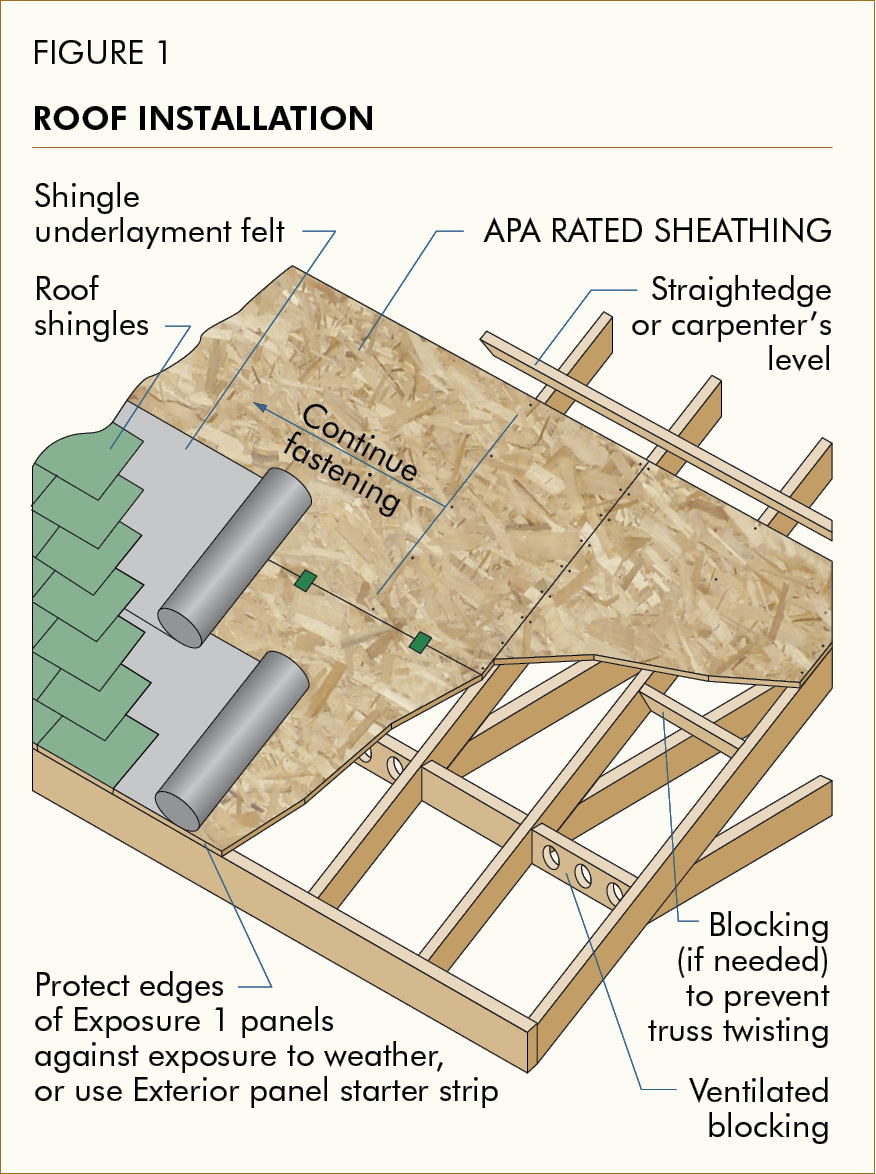
Credit: www.apawood.org
Building Code Requirements
Building code requirements guide how sheathing fasteners must be installed. These rules ensure safety and strength in construction. They help prevent problems like wind damage and structural failure. Following these codes protects buildings and the people inside.
Minimum Fastener Spacing
Building codes set rules for the space between fasteners. Proper spacing keeps sheathing secure and stable. Too far apart fasteners can cause panels to loosen. Codes specify distances along edges and in field areas. These distances depend on the type of building and materials used.
Sheathing Thickness Considerations
Codes also consider the thickness of the sheathing material. Thicker panels may need fewer fasteners or larger nails. Thin panels require more frequent fasteners to stay attached. The schedule often lists fastener size and type based on thickness. This ensures the sheathing holds up under pressure.
Local Vs. National Standards
Building codes can differ between local and national levels. National codes provide general guidelines for many regions. Local codes may add stricter rules based on weather and risks. Builders must follow the rules for their specific area. Checking both codes ensures compliance and safety.
Creating A Fastening Schedule
Creating a sheathing fastening schedule is an important step in any construction project. It guides workers on how to attach sheathing to the frame correctly. A clear schedule helps avoid mistakes and keeps the building strong and safe.
Assessing Project Needs
Start by studying the building plans carefully. Look at the type of structure and materials used. Check local building codes for fastening requirements. Consider weather conditions that may affect fastener choice. Identify areas with higher stress or load. This helps decide the number and placement of fasteners.
Selecting Appropriate Fasteners
Choose fasteners that match the sheathing material and framing. Nails or screws must be strong and rust-resistant. The length of fasteners should be enough to hold securely. Use fasteners that meet building codes and standards. Select fasteners that are easy to install on site. This ensures durability and safety of the structure.
Documenting The Schedule
Write down all fastening details in a clear format. Include fastener type, size, and spacing instructions. Use simple tables or charts for quick reference. Note any special installation techniques or tools needed. Share the schedule with all team members before starting work. A well-documented schedule reduces errors and speeds up construction.

Credit: www.researchgate.net
Installation Tips
Installing a sheathing fastening schedule correctly improves building strength and safety. Following smart tips helps avoid common errors and ensures the job is done right. Proper tools, careful work, and checking quality are key steps during installation.
Tools For Fastening
Use the right tools for fasteners. A power drill with adjustable torque is best. It keeps screws tight without damaging the sheathing. A nail gun works well for nails and speeds up the process. Safety gear like gloves and goggles protects during work.
Common Mistakes To Avoid
Do not space fasteners too far apart. This weakens the structure. Avoid over-driving screws, which can damage the material. Do not miss fastening near edges or seams. Check the fastening schedule carefully before starting. Skipping steps leads to costly repairs later.
Quality Control Measures
Inspect fasteners regularly during installation. Make sure screws or nails are flush with the surface. Check for any loose or missing fasteners. Use a checklist to confirm all areas meet the fastening schedule. Keep records of inspections for future reference.
Benefits Of A Proper Schedule
A proper sheathing fastening schedule guides how to attach panels correctly. It ensures every nail or screw is in the right place. This plan helps builders follow a clear method. The result is stronger walls and safer buildings. Below are the main benefits of a proper fastening schedule.
Structural Integrity
A good fastening schedule keeps the structure solid. It prevents panels from moving or loosening over time. This stability helps the building withstand forces like wind and weight. Proper fastening reduces risks of cracks and damage. It supports the overall strength of walls and roofs.
Weather Resistance
Correct fastening stops water and air leaks. Tight panels block moisture from entering the building. This protection helps avoid mold and wood rot. It also improves energy efficiency by sealing gaps. A well-fastened structure lasts longer in tough weather.
Cost Efficiency
Following a proper schedule saves money on repairs. It reduces waste by using the right amount of fasteners. Builders spend less time fixing mistakes or weak spots. The building stays strong, lowering future maintenance costs. Proper fastening is an investment in durability and savings.
Troubleshooting Issues
Troubleshooting issues in a sheathing fastening schedule helps keep structures safe and strong. Mistakes in fastening can cause serious problems. Identifying and fixing these problems early saves time and money.
Fastener Pull-out
Fastener pull-out happens when nails or screws come loose from the sheathing. This reduces the wall’s strength. Causes include using the wrong fastener size or poor wood quality. Check fasteners regularly to spot pull-out early. Replace loose fasteners with the correct type and size. Ensure fasteners go deep enough into the framing.
Sheathing Damage
Sheathing damage weakens the entire structure. It can occur from overdriving nails or using too many fasteners close together. Watch for cracks, splits, or holes in the sheathing. Replace damaged panels immediately. Use a fastening schedule that matches the sheathing type and thickness. Avoid forcing fasteners into weak spots.
Correcting Improper Fastening
Improper fastening happens when nails or screws are spaced incorrectly. It can cause gaps or weak spots. Review the fastening schedule carefully before starting work. Refasten areas with missing or misplaced fasteners. Follow manufacturer guidelines for spacing and type. Proper fastening ensures stability and prevents future repairs.
Frequently Asked Questions
What Is A Sheathing Fastening Schedule?
A sheathing fastening schedule outlines the specific fasteners, spacing, and patterns used to attach sheathing materials to framing. It ensures structural integrity and meets building code requirements. This schedule guides contractors for consistent and safe installation of walls, roofs, and floors.
Why Is A Sheathing Fastening Schedule Important?
It ensures proper attachment of sheathing, preventing structural failures and water damage. Following the schedule improves building safety, durability, and code compliance. It also helps avoid costly repairs and inspection issues by providing clear fastening guidelines.
How Do You Read A Sheathing Fastening Schedule?
A schedule lists fastener types, sizes, spacing intervals, and locations on the sheathing. It uses diagrams or tables for clarity. Understanding these details ensures correct installation and adherence to engineering specifications for strength and safety.
What Materials Are Covered In Sheathing Fastening Schedules?
Schedules cover plywood, OSB, gypsum boards, and other sheathing panels. Each material may require different fasteners and spacing based on thickness and application. Proper selection ensures effective load transfer and weather resistance.
Conclusion
A sheathing fastening schedule helps builders attach panels correctly. It shows where and how to place nails or screws. This keeps walls strong and safe against weather. Following the schedule saves time and reduces mistakes. It makes construction clearer for everyone on site.
Knowing this schedule supports better building quality. Keep it handy during your project for best results. Simple steps lead to a sturdy, lasting structure.