Have you ever stopped to think about what holds everything around you together? From the chair you sit on to the car you drive, tiny pieces called fasteners play a crucial role.
Without them, many everyday items would fall apart or never even come to life. Understanding why fasteners are important can change the way you see the world—and help you make smarter choices when building, fixing, or buying. Keep reading, and you’ll discover how these small but mighty components impact your safety, comfort, and even the durability of your belongings.
Role Of Fasteners
Fasteners play a crucial role in many industries and everyday objects. They hold parts together and keep structures safe. Understanding their role helps us appreciate their importance in design and construction.
Fasteners come in many forms like screws, bolts, and nails. Each type has a special job. Their main purpose is to connect parts and ensure things stay strong and stable.
Connecting Components
Fasteners join different parts into one unit. They make sure pieces fit tightly and do not move apart. This connection allows machines and structures to work as intended. Without fasteners, many objects would fall apart easily.
They allow quick assembly and disassembly. This helps in repairs and adjustments. Fasteners provide a reliable way to hold parts together without permanent bonding.
Ensuring Structural Integrity
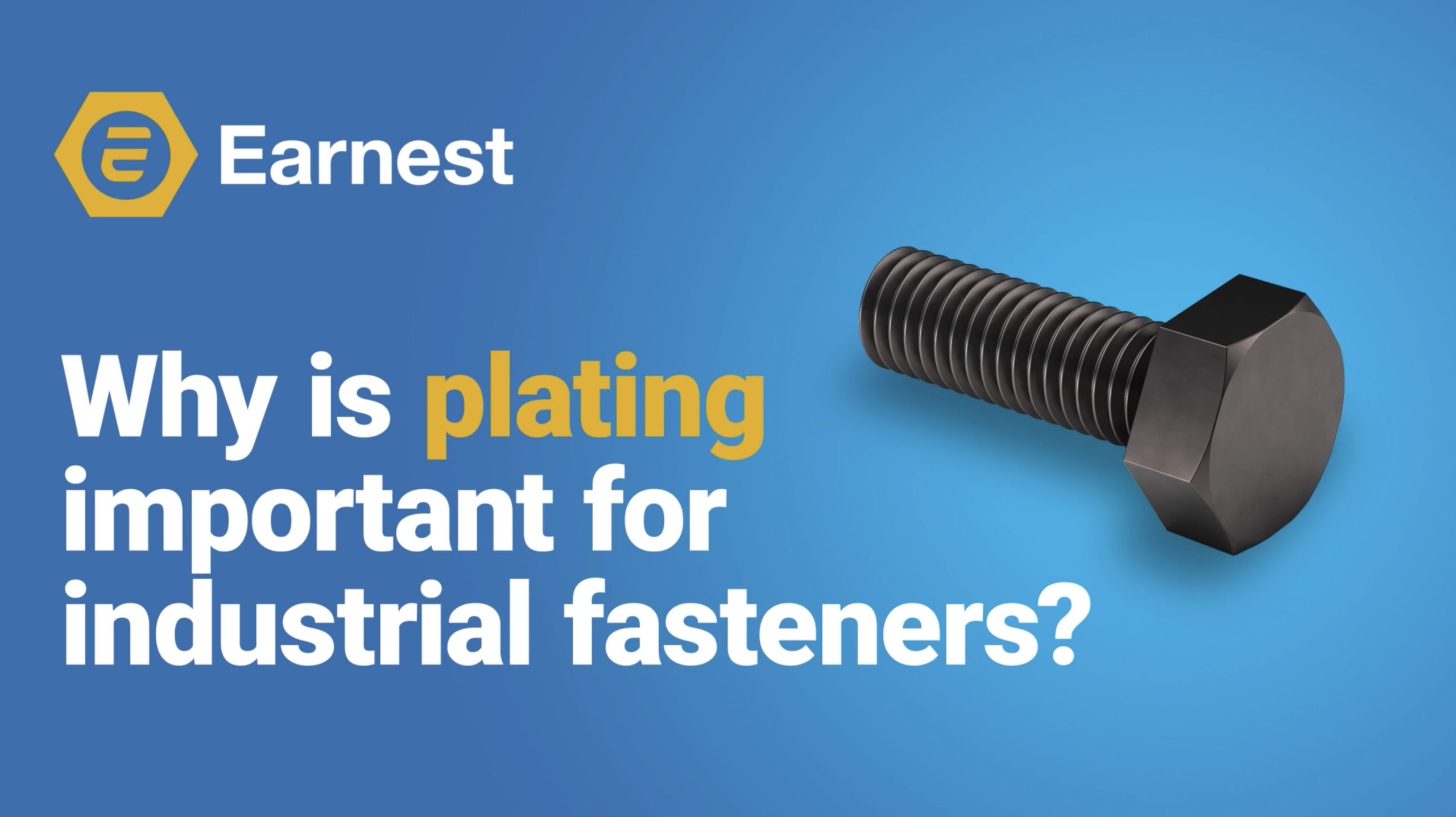
Fasteners keep structures safe and stable. They distribute weight and stress evenly across connected parts. This prevents damage and failure under pressure or movement.
Good fasteners resist vibration, heat, and weather changes. They maintain strong bonds even in tough conditions. This reliability protects buildings, vehicles, and machines from breaking.
Credit: earnestmachine.co.uk
Common Types Of Fasteners
Fasteners hold things together. They keep parts connected in buildings, machines, and furniture. Different jobs need different fasteners. Knowing common types helps you pick the right one.
Screws And Bolts
Screws and bolts are strong and reusable. Screws have threads that dig into material. Bolts need a nut to hold tight. Both are easy to remove and replace. They work well for wood, metal, and plastic.
Nails And Staples
Nails and staples are quick to use. Nails are hammered into wood or walls. Staples hold papers or thin materials. They are less strong than screws but faster to install. Great for light, temporary holds.
Rivets And Clips
Rivets join metal parts permanently. They need special tools to set. Clips snap parts together without tools. Rivets are strong but not reusable. Clips allow easy removal and adjustment.
Applications Across Industries
Fasteners play a crucial role in many industries. They hold parts together and ensure safety and durability. Without fasteners, many products and structures would fail or fall apart. Their use spans from small gadgets to large buildings. Understanding their applications helps appreciate their importance.
Construction And Engineering
Fasteners join beams, panels, and other building parts. They provide strength to bridges, towers, and homes. Nails, bolts, and screws keep structures stable. Engineers rely on fasteners to handle heavy loads and stress. Proper fasteners prevent accidents and collapse.
Automotive And Aerospace
Cars and airplanes need many fasteners for assembly. Bolts and rivets hold engines and frames firmly. Fasteners withstand vibrations and extreme conditions. They ensure vehicle safety and performance. Precision in fasteners helps vehicles last longer and work better.
Electronics And Appliances
Small fasteners secure circuit boards and components inside devices. They keep parts in place during use and transport. Fasteners allow easy repair and replacement of parts. They help maintain the device’s shape and function. Without them, electronics would be fragile and unreliable.
Benefits Of Using Fasteners
Fasteners are small but powerful parts used in many projects. They hold things together and keep structures safe. Using the right fasteners brings many benefits. These benefits help save time, money, and effort.
Fasteners make building and fixing things easier. They also ensure the strength and durability of the final product. Below are some key benefits of using fasteners in any work.
Strength And Durability
Fasteners provide strong joints that last long. They keep materials tightly connected even under pressure. This strength prevents parts from moving or falling apart. Durable fasteners resist rust and wear over time. This quality makes structures safer and more reliable.
Ease Of Assembly And Repair
Fasteners allow quick and easy assembly of parts. They save time during building or fixing projects. Removing fasteners is simple, which helps repair work. This ease reduces downtime and effort. Using fasteners makes changing parts faster and less costly.
Cost-effectiveness
Fasteners are low-cost components that save money. They reduce the need for complex tools or skilled labor. Fasteners also lower repair costs by making fixes easy. Their durability means fewer replacements over time. Overall, fasteners provide great value in projects.
Material Choices For Fasteners
Choosing the right material for fasteners is key to their performance. Different projects need different strengths and features. Fasteners must hold parts tightly and resist wear, rust, or heat. Material choice affects durability, cost, and the fastener’s ability to do its job well.
Metal Fasteners
Metal fasteners are common in many industries. Steel, stainless steel, and aluminum are popular choices. Steel fasteners offer high strength and toughness. Stainless steel resists rust and works well outdoors. Aluminum fasteners are light and good for less heavy tasks. Metals handle heat and pressure better than plastics. They suit heavy machinery, buildings, and vehicles.
Plastic And Composite Options
Plastic fasteners work well for light-duty jobs. They resist corrosion and do not conduct electricity. These fasteners are often cheaper and lighter than metal ones. Composites combine plastic with fibers for added strength. They fit well in electronics and medical devices. Plastic options can be less strong but offer flexibility and rust resistance.

Credit: screwexpert.com
Selecting The Right Fastener
Selecting the right fastener is crucial for any project. The choice affects strength, durability, and safety. Choosing poorly can lead to failures and extra costs.
Each fastener type serves different purposes. Understanding key factors helps in making the best choice. These factors include load needs, environment, and material compatibility.
Load Requirements
Fasteners must hold the weight and force they face. Different projects need different strength levels. Consider if the fastener will support heavy loads or light ones. Using weak fasteners for heavy loads can cause accidents. Always check the load capacity before choosing a fastener.
Environmental Factors
Fasteners face various environments like moisture, heat, or chemicals. Rust can weaken some fasteners quickly. Some materials resist corrosion better than others. Choose fasteners that can survive the conditions where they will be used. This ensures long-lasting and safe connections.
Compatibility With Materials
Fasteners must work well with the materials they join. Some fasteners can damage soft materials. Metal fasteners may cause corrosion with certain metals. Match fastener material to the materials used in your project. Proper compatibility prevents damage and ensures a secure fit.
Innovations In Fastener Technology
Fastener technology is changing quickly. These changes help make products stronger and safer. They also save time and reduce costs. New fasteners meet modern needs for durability and ease.
Innovations focus on smart designs and eco-friendly materials. These improve how fasteners work in many industries. From cars to electronics, fasteners are becoming more advanced.
Smart Fastening Solutions
Smart fasteners include sensors that check tightness. They send alerts if a fastener loosens. This helps prevent failures in machines and buildings.
Some smart fasteners adjust themselves to hold better. This reduces the need for manual checks and repairs. They improve safety and efficiency.
Sustainable Fasteners
Sustainable fasteners use recycled or eco-friendly materials. They reduce waste and lower environmental impact. Many are designed to be reused or recycled easily.
These fasteners support green building and manufacturing goals. They help companies meet environmental standards. Sustainability in fasteners is growing fast.

Credit: mkmfasteners.com
Frequently Asked Questions
What Are Fasteners Used For In Construction?
Fasteners join materials securely in construction projects. They provide strength, stability, and ensure safety in structures. Common fasteners include screws, bolts, and nails. Proper fasteners prevent structural failures and maintain integrity over time.
Why Is Choosing The Right Fastener Important?
Choosing the right fastener ensures compatibility and durability. It prevents damage to materials and improves joint strength. The correct fastener type resists environmental factors like corrosion. This choice extends the lifespan of the assembled product or structure.
How Do Fasteners Affect Product Quality?
Fasteners directly impact the quality and reliability of products. Proper fasteners ensure secure assembly and reduce maintenance needs. Poor fasteners can lead to failures and safety risks. Good quality fasteners enhance overall product performance and customer satisfaction.
Can Fasteners Improve Safety In Assemblies?
Yes, fasteners improve safety by maintaining strong connections. They prevent parts from loosening or detaching unexpectedly. Using the right fasteners reduces accident risks in machinery and structures. Proper installation also ensures consistent safety standards.
Conclusion
Fasteners hold everything together, from small gadgets to large machines. They keep structures safe and strong every day. Choosing the right fastener matters for lasting results. Without them, many products would fall apart quickly. Understanding their role helps us appreciate simple but vital parts.
Fasteners support building, repair, and manufacturing worldwide. They make sure things work well and last longer. Their importance is clear in every tool and device. Small pieces with a big impact.