Have you ever wondered what keeps your furniture, gadgets, and machines firmly together? The answer lies in something small but mighty: threaded fasteners.
These tiny components play a huge role in holding things securely, yet many people don’t fully understand what they are or how they work. If you want to know how these essential pieces make your everyday items reliable and safe, keep reading.
By the end of this article, you’ll see threaded fasteners in a whole new light—and you’ll know exactly why they matter to you.
Credit: monroeengineering.com
Types Of Threaded Fasteners
Threaded fasteners come in many types. Each type has a specific role in holding parts together. Choosing the right fastener ensures strong and stable connections. Understanding the common types helps in selecting the best one for your project.
Bolts And Screws
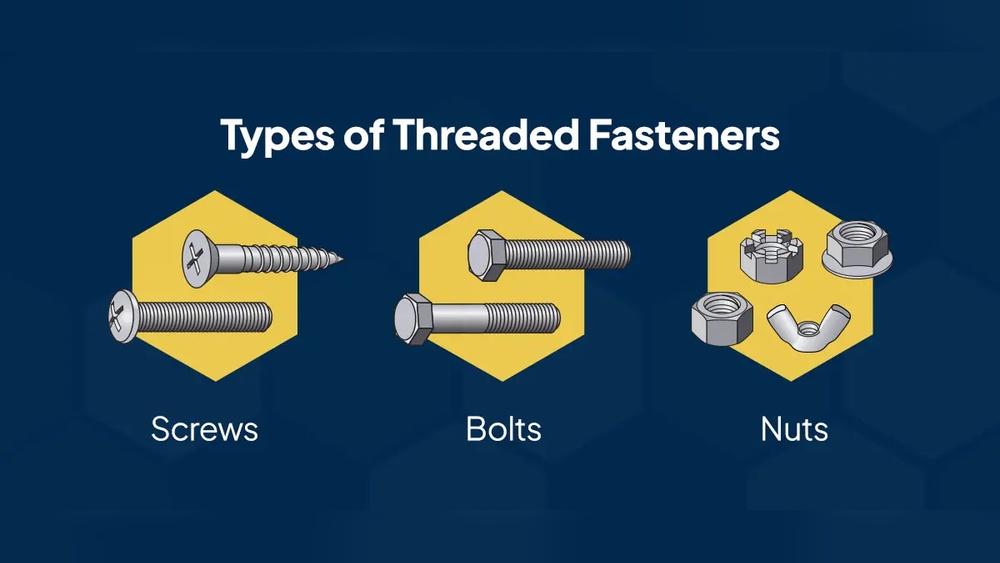
Bolts and screws are the most common threaded fasteners. Bolts usually require a nut to hold parts together. Screws can fasten materials directly by threading into them. Both come in various shapes and sizes for different uses.
Nuts And Washers
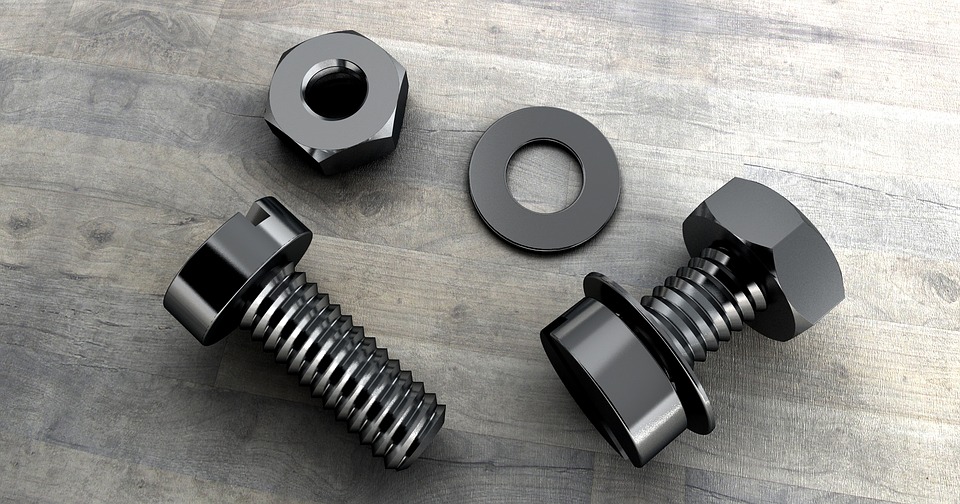
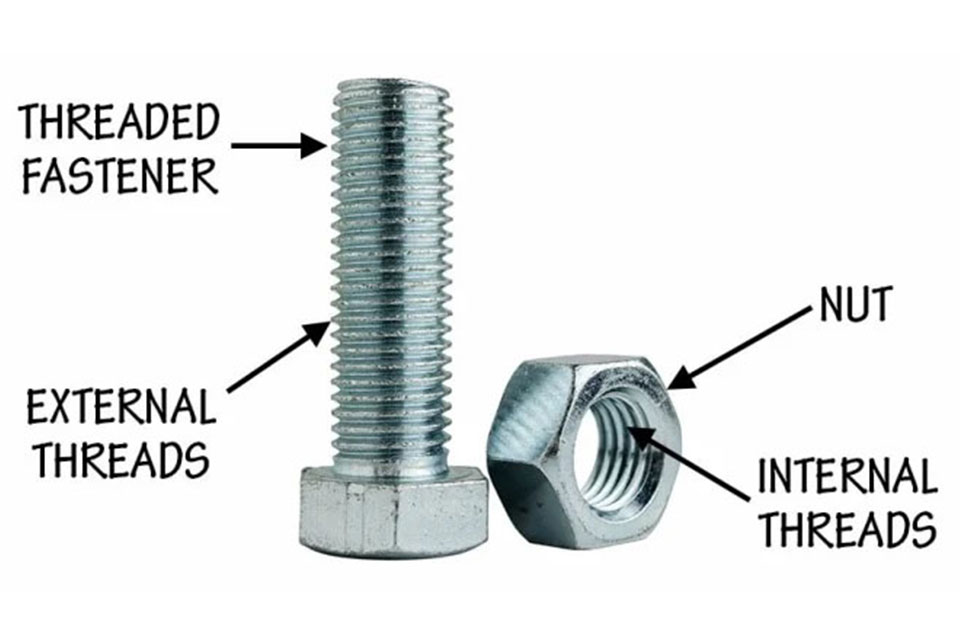
Nuts are used with bolts to secure joints tightly. They have internal threads that match the bolt’s external threads. Washers sit under nuts or bolt heads. They spread the load and protect surfaces from damage.
Studs And Threaded Rods
Studs are threaded rods with no head. They are screwed into a part and used with a nut on the other side. Threaded rods are long, continuous threads. They can be cut to size and used in many fastening tasks.
Thread Profiles And Standards
Threaded fasteners are made with specific thread shapes and sizes. These shapes are called thread profiles. They follow certain rules called standards. These standards make sure fasteners fit and work well. Understanding thread profiles and standards helps you choose the right fastener. It also ensures strong and safe connections in your projects.
Unified Thread Standard
The Unified Thread Standard (UTS) is common in the United States. It uses inch measurements for thread size. Threads have a 60-degree angle. There are three main types: coarse, fine, and extra fine. Coarse threads are strong and fast to install. Fine threads have better grip and resistance to loosening. UTS is popular for bolts, screws, and nuts.
Metric Thread System
The Metric Thread System uses millimeters for size. It is the global standard for most fasteners. Like UTS, it has a 60-degree thread angle. Metric threads come in coarse and fine pitches. Coarse threads are better for quick assembly. Fine threads provide more strength and precision. Metric threads are easy to identify by the “M” prefix.
Specialty Thread Types
Specialty threads serve unique purposes. Examples include Acme, buttress, and square threads. Acme threads handle heavy loads and are easy to machine. Buttress threads resist force in one direction. Square threads reduce friction in power transmission. These threads suit machines and special tools. They are less common but very important in certain fields.
Materials And Coatings
Threaded fasteners come in many types and sizes. Their strength and durability depend largely on the materials and coatings used. Choosing the right material and coating improves performance and extends fastener life. These factors help resist wear, corrosion, and stress under different conditions.
Common Materials Used
Steel is the most common material for threaded fasteners. It offers good strength and affordability. Stainless steel provides better corrosion resistance but costs more. Brass and aluminum are lighter and resist rust well. These materials suit specific environments and weight needs. Nylon and other plastics are used for light-duty fasteners. They resist chemicals but have low strength.
Corrosion Resistance Coatings
Coatings protect fasteners from rust and corrosion. Zinc plating is popular for steel fasteners. It creates a barrier to moisture and oxygen. Hot-dip galvanizing adds a thicker zinc layer for outdoor use. Black oxide coating provides mild corrosion resistance and reduces glare. Some coatings include chrome or nickel for appearance and protection. Proper coatings extend the fastener’s working life significantly.
High-strength Fasteners
High-strength fasteners require special materials and treatments. Alloy steel is often used for these fasteners. Heat treatment increases hardness and tensile strength. These fasteners work well in heavy machinery and construction. Titanium fasteners offer high strength and light weight. They resist corrosion in harsh environments. High-strength fasteners meet strict standards for safety and reliability.

Credit: www.mudgefasteners.com
Selecting The Right Fastener
Selecting the right threaded fastener is important for any project. The correct fastener ensures strength and safety. It also helps parts stay together under pressure. Choosing the wrong fastener can cause failures and damage. Consider several key factors before making a choice. These factors help match the fastener to the job’s needs.
Load And Stress Considerations
Understand the forces the fastener must hold. Some fasteners handle heavy loads better than others. Tensile strength shows how much pulling force it can resist. Shear strength reveals resistance to cutting or sliding forces. Choose a fastener that supports the maximum expected load. Avoid fasteners that might bend or break under stress.
Environmental Factors
Think about where the fastener will be used. Moist or wet environments need rust-resistant fasteners. Stainless steel or coated fasteners prevent corrosion. Extreme temperatures can weaken some fasteners. Chemicals or salt can also damage certain materials. Pick fasteners designed to last in the specific environment.
Compatibility With Materials
Match the fastener to the materials being joined. Metal fasteners work well with metal parts. Wood screws suit wooden materials better. Avoid mixing metals that cause corrosion when touching. The size and thread type must fit the parts exactly. Proper compatibility ensures a tight and secure connection.
Installation Techniques
Installing threaded fasteners correctly is key to strong and safe connections. Proper techniques prevent damage and ensure parts hold together well. Understanding torque, thread locking, and common mistakes helps improve installation quality.
Torque Specifications
Torque means the force used to tighten a fastener. Using the right torque avoids loosening or breaking the fastener. Check the recommended torque for each fastener type and size. Use a torque wrench for accurate tightening. Tighten slowly and steadily, not too fast or hard.
Thread Locking Methods
Thread locking stops fasteners from loosening due to vibration. There are liquid thread lockers that harden after application. Some fasteners have built-in locking features like nylon inserts. Choose the right locking method based on the fastener and use case. Apply thread locker carefully to avoid excess mess.
Avoiding Common Errors
Do not overtighten fasteners; this can strip threads or break bolts. Avoid cross-threading by starting fasteners by hand first. Clean threads before installation to remove dirt or grease. Replace damaged fasteners instead of reusing them. Follow manufacturer guidelines to reduce errors and improve safety.
Credit: thors.com
Maintenance And Inspection
Threaded fasteners need regular maintenance and inspection. This keeps machines safe and working well. Checking fasteners helps find problems early. It stops bigger damage and costly repairs. Simple steps can extend fastener life and keep connections strong.
Signs Of Wear And Damage
Look for cracks, rust, or bent threads on fasteners. Loose or missing fasteners show wear. Threads that are stripped or worn can slip. Fasteners with corrosion lose strength. Check for any unusual movement or gaps.
Re-tightening Procedures
Use the right tool to tighten fasteners. Follow the recommended torque settings. Tighten bolts in a crisscross pattern for even pressure. Avoid over-tightening to prevent thread damage. Check tightness regularly during machine use.
Replacement Guidelines
Replace fasteners that show heavy wear or damage. Do not reuse fasteners with stripped threads. Use the same grade and size as the original. Always replace fasteners after major repairs. Proper replacement ensures safety and performance.
Frequently Asked Questions
What Are Threaded Fasteners Used For?
Threaded fasteners join parts securely by screwing into materials. They provide strong, removable connections in machinery, construction, and electronics.
How Do Threaded Fasteners Work?
Threaded fasteners work by matching internal and external threads. When tightened, they create friction and tension, holding components firmly in place.
What Types Of Threaded Fasteners Exist?
Common types include bolts, screws, studs, and nuts. Each serves specific purposes based on thread design, size, and application requirements.
Why Choose Threaded Fasteners Over Other Fasteners?
Threaded fasteners offer easy installation, adjustability, and reuse. They provide reliable strength and allow disassembly for maintenance or repairs.
Conclusion
Threaded fasteners hold parts tightly and securely. They come in many shapes and sizes. These fasteners are easy to use and remove. They help machines and buildings stay strong. Choosing the right fastener matters for safety and strength. Knowing how they work saves time and effort.
Threaded fasteners play a big role in everyday objects. Understanding them helps you make smart choices. Simple but important.