When you need to choose the right fastener, knowing the typical metric fastener size can save you time and frustration. Have you ever stared at a box of bolts wondering which size fits your project best?
You’re not alone. The most common metric fastener sizes like M8 or M10 often come up in everyday repairs and construction tasks. Understanding what these numbers mean and how to read them will help you pick the perfect fastener with confidence.
You’ll discover what a typical metric fastener size is, why it matters, and how to quickly identify the right one for your needs. Keep reading to make sure your next project is built on a solid foundation.

Credit: www.scribd.com
Common Metric Fastener Sizes
Common metric fastener sizes cover a range of diameters. These sizes suit many industries and projects. Understanding these sizes helps choose the right fastener for each task. Metric fasteners use the letter “M” followed by a number. This number shows the diameter in millimeters. Length is measured separately from the diameter.
Popular Sizes M6 To M16
M6, M8, M10, M12, and M16 are common metric fastener sizes. M6 and M8 fasteners are popular for small machinery and electronics. M10 and M12 sizes serve general construction and automotive needs. M16 fasteners fit heavy-duty jobs like structural work and machinery. These sizes are widely available and offer good strength for many uses.
Applications By Size
M6 fasteners often secure light components and household items. M8 fasteners work well in bicycles and small engines. M10 and M12 sizes handle automotive parts and medium-duty construction. M16 fasteners suit bridges, heavy equipment, and large steel structures. Choosing the right size ensures safety and durability in projects.

Credit: smallboatsmonthly.com
Decoding Metric Fastener Labels
Understanding metric fastener labels helps select the right bolt or screw. The labels contain key information about size and thread type. These details ensure a perfect fit for your project. Let’s decode what each part of the label means.
Meaning Of ‘m’ And Numbers
The letter “M” stands for metric measurement. It shows the fastener uses the metric system. The number following “M” is the nominal diameter. This number tells the width of the fastener in millimeters. For example, M8 means the fastener is 8 millimeters wide. This size helps match bolts to the correct nuts and holes.
Length And Thread Pitch
Length is the distance from the fastener’s head to its end. It is usually shown in millimeters after the diameter. For example, M8 x 30 means 8 mm diameter and 30 mm length. Thread pitch is the distance between threads. It measures how tight or loose the threads are. Common thread pitch sizes include 1.0, 1.25, and 1.5 mm. Correct thread pitch ensures fasteners screw in properly.
Thread Types And Standards
Thread types and standards define how fasteners fit and work. They ensure compatibility and strength across different applications. Knowing these thread systems helps choose the right fastener size and type. Two major thread types are ISO metric threads and unified coarse threads.
Iso Metric Threads
ISO metric threads are the most common worldwide. They follow the International Organization for Standardization (ISO) rules. The thread pitch and diameter are measured in millimeters. This system uses the “M” prefix, like M8 or M10, to show size.
ISO threads have a 60-degree angle between thread flanks. They provide good strength and easy assembly. These threads suit machines, cars, and many other industries. ISO metric threads come in coarse and fine pitches.
Unified Coarse Threads
Unified Coarse Threads (UNC) are popular in the United States. They use inch measurements instead of millimeters. UNC threads have fewer threads per inch compared to fine threads. This makes them stronger and better for heavy loads.
These threads have a 60-degree flank angle like ISO threads. UNC is widely used in construction, automotive, and agriculture. Coarse threads resist dirt and damage better than fine threads.
Types Of Metric Fasteners
Metric fasteners come in many types. Each type fits different needs and uses. Knowing the types helps choose the right fastener for a job. Common metric fasteners include bolts and screws with various head styles and thread forms.
These fasteners are made to standard sizes. The size is marked with “M” plus a number. This number shows the diameter in millimeters. Length is measured separately. Typical sizes range from M6 to M16 for many tasks.
Hex Cap And Socket Bolts
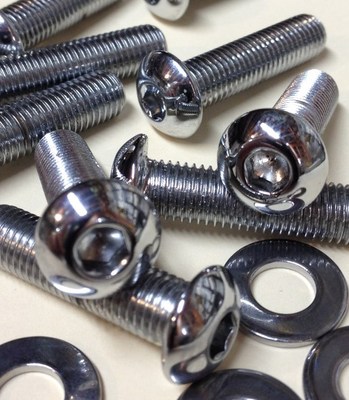
Hex cap bolts have a six-sided head. They are tightened with a wrench or socket. These bolts are strong and used in machinery and construction. Socket bolts have a round head with a hexagonal socket inside. They fit an Allen key for tightening. Socket bolts are good for tight spaces.
Carriage And Flange Bolts
Carriage bolts have a smooth, rounded head. They also have a square section under the head. This stops the bolt from turning in wood or metal. Flange bolts have a wide flange under the head. The flange acts like a washer. It spreads the load and prevents damage.
Specialty Fasteners
Specialty fasteners include unique shapes and functions. Examples are plow bolts and custom head styles. These fasteners fit special equipment or heavy-duty use. They offer extra strength or specific fit where standard bolts cannot.
Choosing The Right Size
Choosing the right metric fastener size is important for a secure and lasting fit. The size affects strength and compatibility with parts. Picking the correct size avoids damage and ensures safety. Understanding the options helps make the best choice for your project.
Factors Affecting Size Selection
Material type matters. Hard materials need stronger, larger fasteners. Soft materials require smaller sizes to avoid cracking. Load requirements also impact size choice. Heavy loads need bigger fasteners for support. Environmental factors like corrosion can influence size and material. Always check the specifications before deciding.
Heavy-duty Versus Light Applications
Heavy-duty jobs call for larger fasteners like M12 or M16. These sizes provide extra strength and durability. Light applications use smaller fasteners such as M6 or M8. They offer enough hold without adding extra weight. Match the fastener size to the task for best results.
Metric Vs. Imperial Fasteners
Metric and imperial fasteners serve similar functions but differ in measurement systems. Metric fasteners use millimeters, while imperial fasteners use inches. Understanding their differences helps in choosing the right fastener for any project. Industries worldwide often mix both types, making size knowledge essential.
Size Conversion Basics
Metric fastener sizes are measured in millimeters, such as M6 or M8. Imperial fasteners use inches, like 1/4″ or 3/8″. To convert, multiply inches by 25.4 to get millimeters. For example, 1/4″ equals 6.35 mm. This helps find the closest matching size between systems. Exact matches are rare, so choose the nearest size carefully.
Thread Pitch Differences
Thread pitch means the distance between threads on a fastener. Metric fasteners use pitch in millimeters, like 1.0 mm or 1.5 mm. Imperial fasteners count threads per inch (TPI), such as 20 or 24 TPI. Metric threads are usually finer and more consistent. Imperial threads vary more in pitch and diameter. Knowing pitch types avoids mismatched fasteners that won’t fit properly.
Tools For Measuring Fasteners
Measuring fasteners accurately is essential for selecting the right size and ensuring proper fit. Using the correct tools helps avoid mistakes and saves time in projects. Many tools exist to measure fasteners, each suited for specific tasks. Understanding these tools improves your ability to identify and work with metric fasteners effectively.
Calipers And Thread Gauges
Calipers are precise tools used to measure the diameter of fasteners. They can measure outer diameter, inner diameter, and depth. Digital calipers offer easy-to-read measurements. Thread gauges check the pitch or thread count on screws and bolts. These gauges help verify if a fastener matches a specific thread standard. Together, calipers and thread gauges provide detailed information about fastener size and thread type.
Using Charts And Guides
Charts and guides simplify the process of measuring fasteners. They list common sizes and thread pitches for metric fasteners. You can compare your measurements with chart data to identify the fastener size quickly. These resources often include diagrams showing how to measure length and diameter correctly. Using charts reduces guesswork and helps confirm the exact size you need for your application.
Common Issues With Fastener Sizes
Fasteners come in many sizes and types, but choosing the right size is crucial. Problems often arise because of common mistakes with fastener sizes. These issues can affect the strength and fit of a project. Understanding these problems helps avoid delays and extra costs.
Misreading Size Labels
Size labels on fasteners can be confusing. The letter “M” stands for metric, followed by a number that shows the diameter in millimeters. Sometimes, people mix up the diameter and length numbers. This leads to buying fasteners that do not fit the application. Clear labeling and careful reading prevent this error.
Compatibility Problems
Not all fasteners work well together. Fasteners with different thread pitches or diameters may not fit properly. Mixing metric and imperial sizes causes problems too. This can damage parts or weaken the connection. Always check compatibility before selecting fasteners for your work.
Credit: www.ebay.com
Frequently Asked Questions
What Is A Typical Metric Fastener Size?
A typical metric fastener size is M8 or M10, indicating 8mm or 10mm nominal diameter. These sizes suit various applications.
What Is The Most Commonly Used Metric Fastener?
The most commonly used metric fastener is the M8 bolt. It offers a versatile size for general applications. M8 bolts provide a good balance of strength and ease of use.
What Is A Metric Fastener Designation Of M6?
The metric fastener designation M6 means the fastener has a 6mm nominal diameter. It uses the metric system for sizing.
Are Conductor Sizes Given In Awg Or ___?
Conductor sizes are given in AWG or circular mils (CM). AWG suits smaller wires; circular mils measure cross-sectional area.
Conclusion
A typical metric fastener size is often M8 or M10. These sizes fit many common projects and repairs. Metric fasteners use millimeters to show diameter and length. Knowing these sizes helps choose the right bolt or screw. Always check measurements before buying or using fasteners.
This simple step saves time and prevents mistakes. Metric fasteners suit many tasks, from light fixing to heavy machinery. Understanding basic sizes makes work easier and more precise. Keep this in mind for your next project.