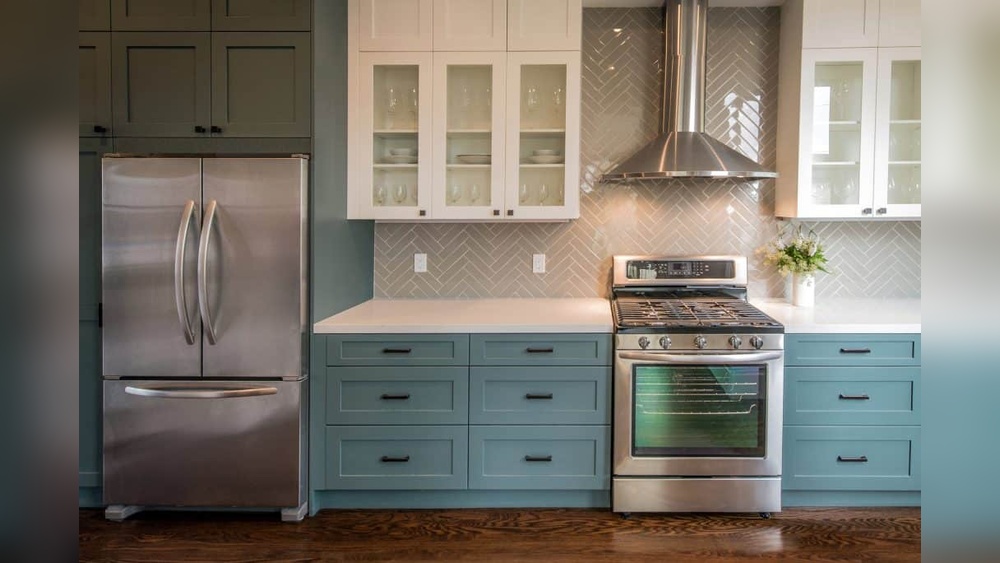
When it comes to kitchen cabinet hardware, where you place your knobs and pulls can make all the difference in both style and functionality. You want your cabinets to look great, but you also want them to open easily and feel comfortable to use every day.
So, how do you find the perfect spot for each handle or knob? This guide will walk you through simple, proven tips to help you position your cabinet hardware just right—whether you’re working on upper cabinets, base cabinets, or drawers.
By the end, you’ll know exactly where to place your hardware for a balanced, polished look that makes your kitchen a joy to use. Keep reading to discover the secrets of perfect cabinet hardware placement!
Credit: truepositiontools.com
Cabinet Door Hardware Placement
Choosing the right size of kitchen cabinet hardware is key for both function and look. Hardware that fits well with your cabinets feels natural to use and adds style. Proportion matters. Small pulls on large drawers look odd. Large handles on tiny doors can be awkward. Balance between cabinet size and hardware size creates a pleasing appearance. It also helps in easy opening and closing.
Pull Length For Drawers
Drawer pulls should match drawer width. A good rule is to choose pulls about one-third the drawer’s width. This size offers enough grip space. It avoids cluttering the drawer front. Too small pulls can be hard to use. Too large pulls may overwhelm the drawer’s design.
Pull Length For Cabinet Doors
Cabinet door pulls tend to be shorter than drawer pulls. Most doors work well with 3 to 5 inch pulls. This length fits nicely near the edge. It allows easy opening without crowding the door surface. Keep the pull length proportional to door size for a balanced look.
Adjusting For Wide Drawers
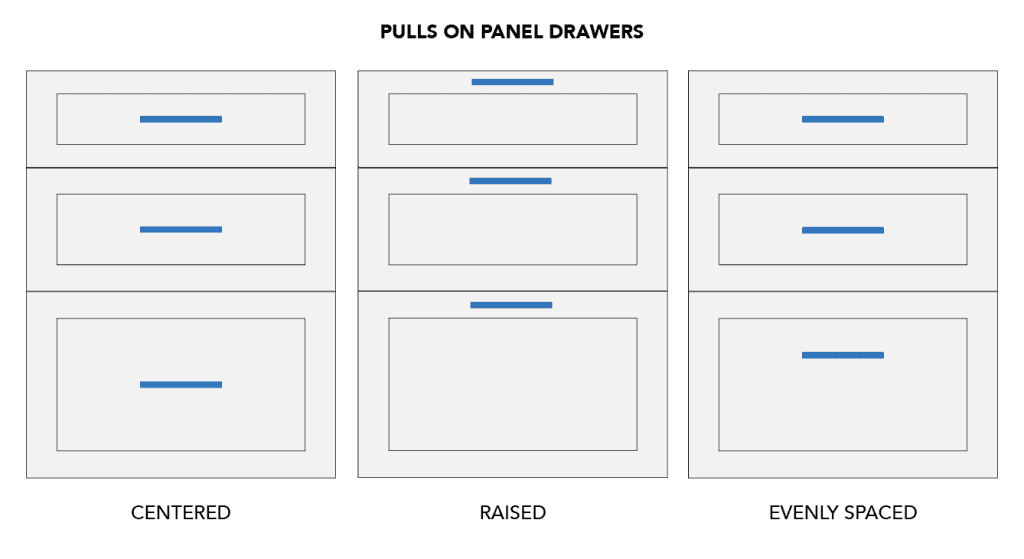
Wide drawers often need special hardware placement. One long pull or two smaller pulls spaced evenly works best. Two pulls give better leverage and control. They also break up the drawer’s large surface. This makes the drawer look balanced and functional. Space the pulls to match the drawer’s width for comfort and style.
Credit: jacquelynclark.com
Drawer Hardware Placement
Proper placement of kitchen cabinet hardware improves both style and function. Thoughtful positioning helps open cabinets easily and keeps your kitchen workflow smooth. Follow simple tips to place knobs and pulls where they work best for you.
Leverage And Hinge Opposite Positioning
Place cabinet hardware on the side opposite the hinge. This setup gives better leverage for opening doors. It reduces strain on your wrist and fingers. Doors open smoothly and stay balanced. This tip applies to both knobs and pulls.
Accessibility And Reach Height
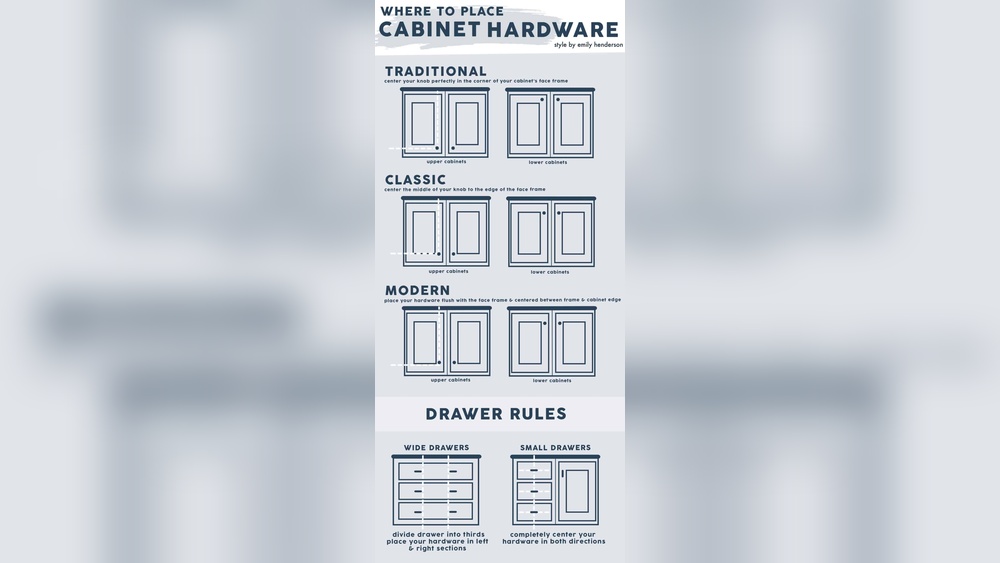
Install hardware at a height that feels natural to reach. For upper cabinets, place knobs near the bottom corner. For lower cabinets, place them near the top corner. Keep pulls centered on drawers for easy grip. Avoid placing hardware too high or too low.
Consistency Across Cabinets
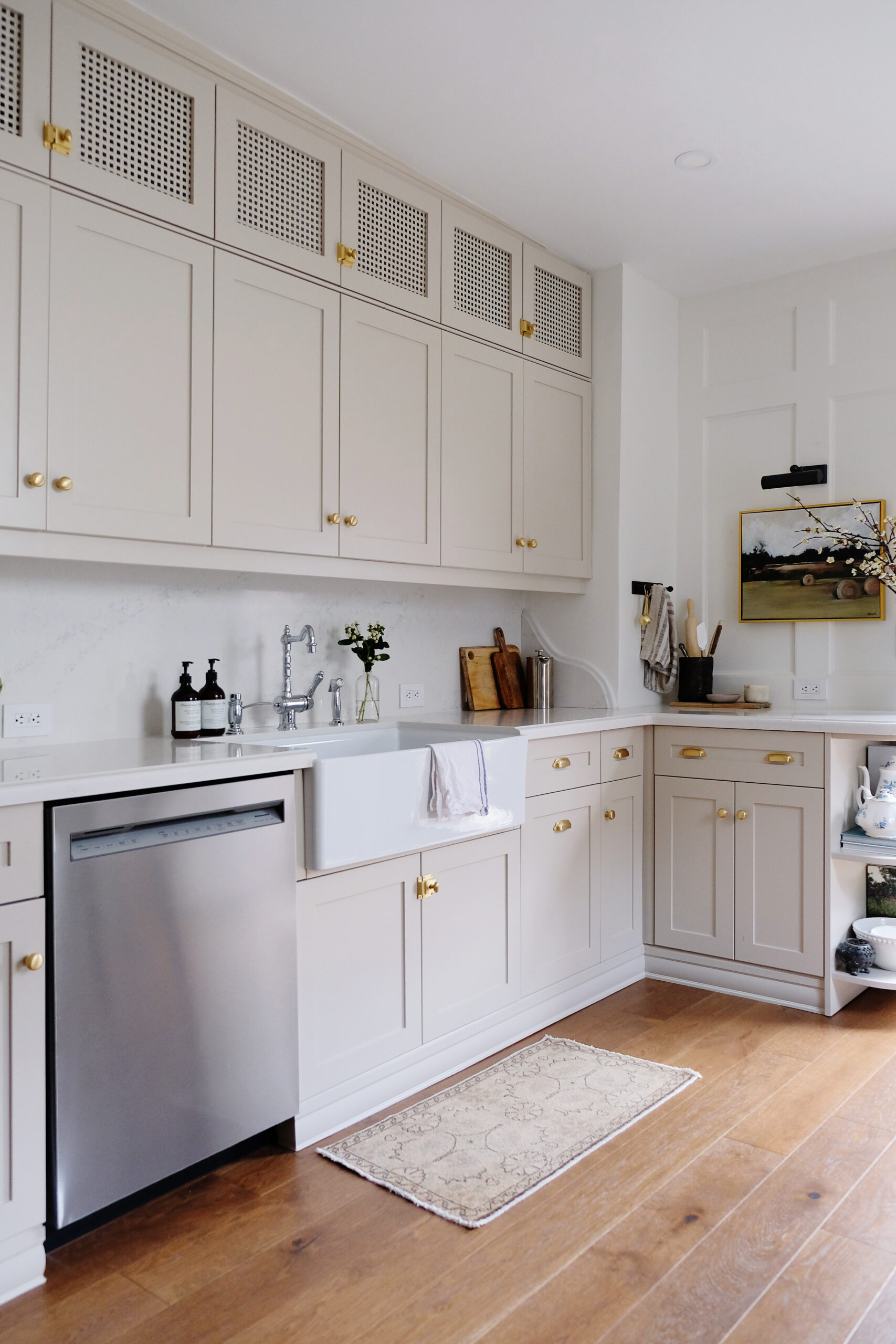
Use the same placement style on all cabinets. Consistency creates a neat and organized look. It helps your eyes move easily across the kitchen. Choose one method and apply it to doors and drawers. This uniformity improves both design and function.

Credit: www.fynesdesigns.com
Frequently Asked Questions
Where Should Cabinet Hardware Be Placed?
Place cabinet hardware opposite the hinges for easy leverage. For upper cabinets, position knobs near the bottom corner. For base cabinets, place hardware near the top corner. Center small drawer pulls; use two evenly spaced pulls for larger drawers. Maintain consistent height and alignment throughout.
What Is The 1/3 Rule For Cabinet Pulls?
The 1/3 rule for cabinet pulls means the pull’s length should be about one-third the drawer’s width or height. This ensures balanced, functional hardware placement.
What Is The Current Trend For Kitchen Hardware?
The current kitchen hardware trend favors matte black, brushed brass, and mixed metal finishes with minimalist, sleek designs.
What Is The Rule Of Thumb For Cabinet Hardware?
Place cabinet hardware opposite door hinges for easy leverage. Position knobs at a comfortable height. For drawers, center small knobs; use two pulls on large drawers. Maintain consistent placement for a uniform look. Choose pulls about one-third the drawer width for balanced style and function.
Conclusion
Placing kitchen cabinet hardware correctly improves both style and function. Choose positions that feel natural and easy to reach. Keep hardware placement consistent for a neat, unified look. Remember to balance form and function to make your kitchen user-friendly. Simple, well-placed knobs and pulls can enhance your cooking space.
Take your time measuring before installing to avoid mistakes. Good placement makes cabinets easier to open and adds charm. Your kitchen will look polished and work better with the right hardware placement.