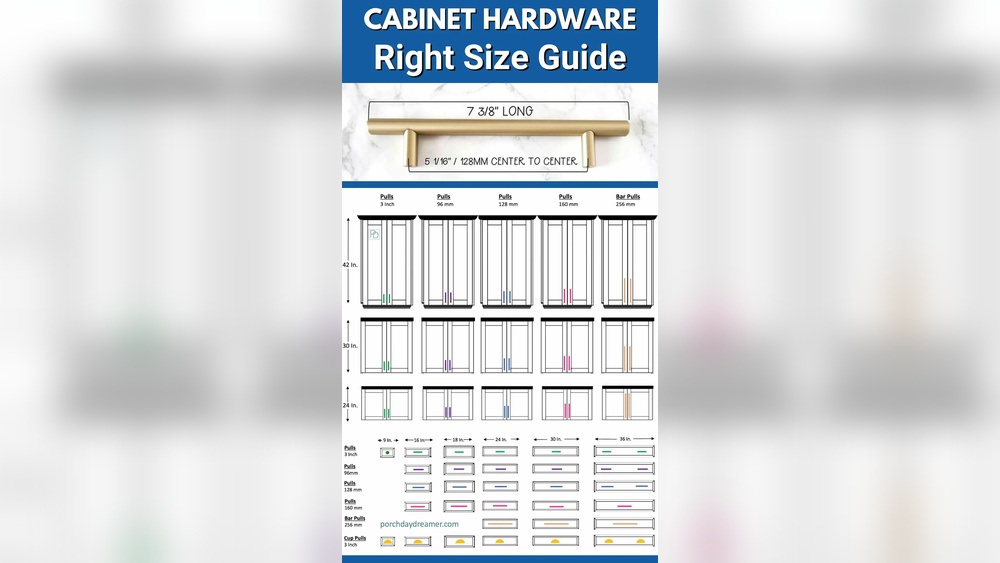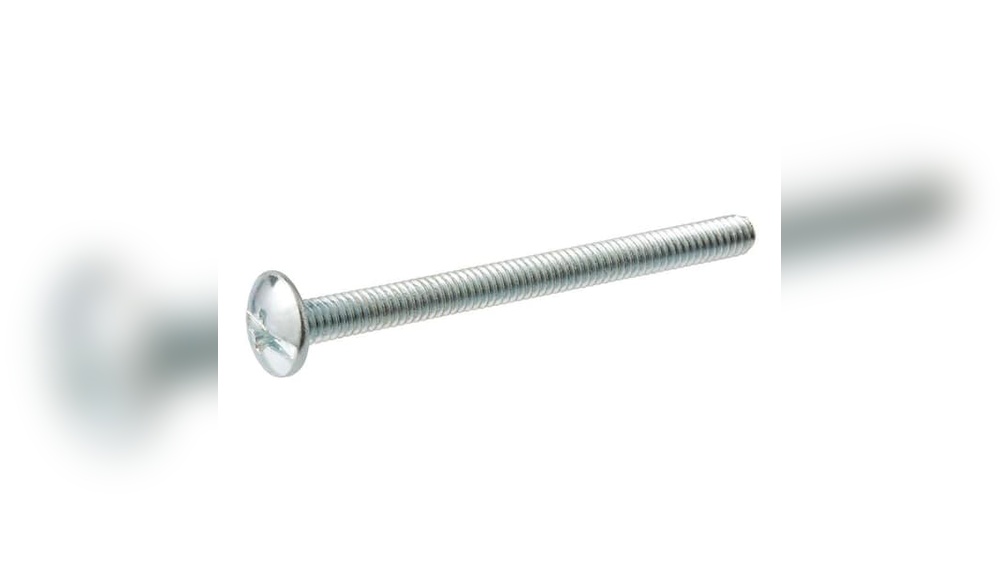
When you’re working on installing or upgrading your cabinet pulls, one question often trips people up: are cabinet pull hardware screws coarse or fine thread? This small detail can make a big difference in how secure your pulls feel and how easy the installation goes.
You might think all screws are the same, but choosing the right thread type can save you from frustrating mistakes and ensure your cabinets look and function their best. Keep reading to discover the difference between coarse and fine threads, and find out which one is perfect for your project.
Cabinet Pull Hardware Basics
Cabinet pull hardware is an important part of kitchen and furniture design. These small pieces help open drawers and doors easily. They also add style to your cabinets. Knowing the basics helps you choose the right hardware for your needs.
One key detail is the type of screw thread used in cabinet pulls. Screws can have either coarse or fine threads. This affects how well the pull holds and fits. Understanding these basics makes installation smoother and the hardware last longer.
Types Of Cabinet Pulls
Cabinet pulls come in many shapes and sizes. The most common types include bar pulls, cup pulls, and finger pulls. Bar pulls are straight and easy to grip. Cup pulls have a curved shape, fitting your fingers comfortably. Finger pulls are small and often hidden, giving a sleek look.
Each type uses screws with different thread patterns. Coarse threads work well in soft wood. Fine threads are better for metal or hard wood. Choosing the right screw thread ensures a strong hold and easy installation.
Materials And Finishes
Cabinet pulls come in various materials like metal, wood, and plastic. Metal pulls are the most popular. They offer strength and durability. Common metals include stainless steel, brass, and aluminum.
Finishes add style and protect the pull. Popular finishes include brushed nickel, chrome, and oil-rubbed bronze. These finishes resist rust and wear. The screw thread type stays the same regardless of material or finish.

Credit: www.amazon.sg
Screw Thread Types
Cabinet pull hardware screws usually have coarse threads. These threads grip wood better and are easier to install. Fine threads are less common in cabinet pulls.
Coarse Thread Features
Coarse thread screws have fewer threads per inch. The threads are thicker and spaced farther apart. This design helps the screw grip wood or soft materials better. Coarse threads drive into wood quickly and hold strong. They resist stripping in soft materials. These screws work well for cabinet pulls attached to wood. Coarse threads handle vibration and stress without loosening easily.
Fine Thread Features
Fine thread screws have many more threads per inch. The threads are thinner and packed closely together. This design creates a tight grip in metal or hard materials. Fine threads provide better adjustment control and hold tighter in metal. They are less likely to loosen under vibration in metal surfaces. Fine thread screws fit well for cabinet hardware on metal drawers or frames. The fine threads allow precise tightening without damaging the material.
Thread Type In Cabinet Pull Screws
Thread type in cabinet pull screws plays a key role in their fit and function. It affects how well the screw holds the cabinet pull in place. Knowing the thread type helps you choose the right screws for your project. It also prevents damage to cabinets and pulls during installation.
Common Thread Patterns
Cabinet pull screws usually come in two thread patterns: coarse and fine. Coarse threads have fewer, wider grooves. They grip soft materials like wood better. Fine threads have many, narrow grooves. They work well with hard materials or metal inserts. Most cabinet pulls use coarse threads for wood cabinets. Fine threads appear in metal or specialty pulls.
Why Thread Type Matters
The thread type affects screw strength and hold. Coarse threads install faster and reduce stripping risk. They also provide strong grip in soft wood. Fine threads offer better hold in hard materials. Using the wrong thread can strip holes or loosen pulls. Matching thread type to material ensures a secure fit. It also extends the life of your cabinet pulls.
Choosing The Right Thread
Choosing the right thread for cabinet pull hardware screws is important. The thread type affects how well the screw holds in place. It also impacts how easy the installation will be. Understanding the differences helps you pick the best screws for your cabinets.
Factors To Consider
First, check the material of your cabinet. Soft wood needs coarse threads. Coarse threads grip better in soft materials. Hard wood works well with fine threads. Fine threads provide a tighter fit in dense wood.
Next, think about the screw length. Longer screws need stronger threads to hold firmly. Also, consider the screw’s purpose. Screws for heavy pulls require more grip. Choose the thread type that matches the load.
Matching Screws To Cabinets
Match screws to the cabinet material for best results. For particleboard or MDF, coarse threads work best. These threads cut into the material and hold tight. For solid wood or plywood, fine threads fit better. Fine threads create a smooth, secure hold.
Check the screw size before buying. Too big or too small screws can damage the cabinet. Use screws designed for cabinet pulls. This ensures the right thread type and size for your project.
Installation Tips
Installing cabinet pull hardware screws requires care and the right tools. Proper installation keeps your cabinet handles secure and functional. This section shares simple tips to make your work easier and avoid common issues.
Tools You Need
Gather a screwdriver that fits your screw heads well. A drill with a small drill bit helps make pilot holes. A measuring tape ensures holes are aligned and spaced properly. Use a pencil for marking hole locations clearly. Having a level can keep handles straight and neat.
Avoiding Common Mistakes
Do not force screws into the wood without pilot holes. This can split the wood or strip the screw threads. Check the screw size and thread type before starting. Coarse threads work better in soft wood; fine threads fit metal or hard surfaces. Tighten screws firmly but stop before stripping the holes. Double-check measurements to avoid misaligned handles. Take your time with each step for the best results.
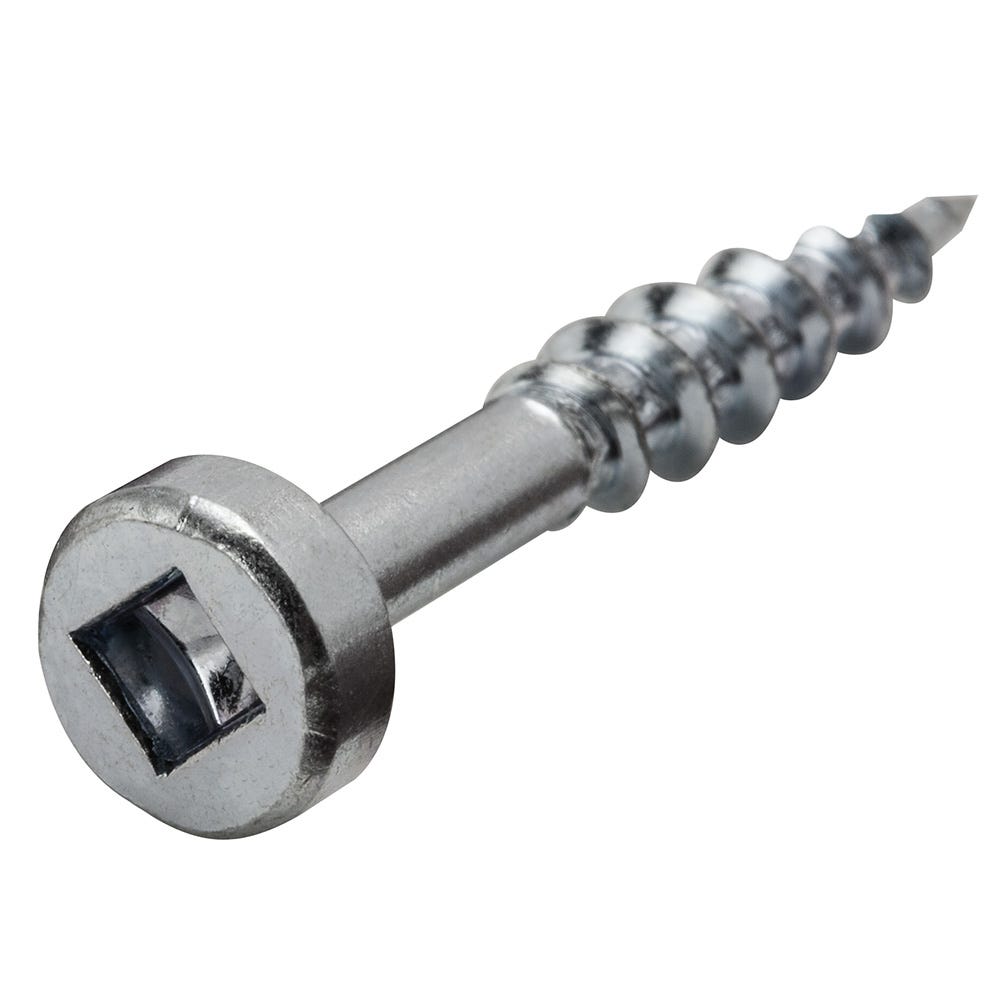
Credit: www.rockler.com
Replacing Cabinet Pull Screws
Replacing cabinet pull screws is a common task in home improvement. Over time, screws can loosen, rust, or get lost. Using the right screws ensures the cabinet pulls stay secure and look good. This section explains how to find the correct screw size and thread type. It also guides you on where to buy replacement screws for your cabinet pulls.
Identifying Screw Size And Thread
Start by removing the old screw carefully. Measure its length from the base to the tip. Use a ruler or tape measure for accuracy. Next, check the thread type. Cabinet pull screws usually have either coarse or fine threads. Coarse threads are thicker and spaced further apart. Fine threads are thinner and closer together. Knowing the thread type helps match the new screw perfectly. Also, note the screw’s diameter to avoid loose or tight fits.
Where To Buy Replacement Screws
Hardware stores often carry a wide range of cabinet pull screws. Home improvement centers have both coarse and fine thread options. Online stores offer detailed descriptions and customer reviews. Buy from trusted sellers to ensure good quality. Bring the old screw or a photo when shopping. This helps in finding the exact match. Some cabinet brands also sell replacement screws directly. Check their websites for availability and options.
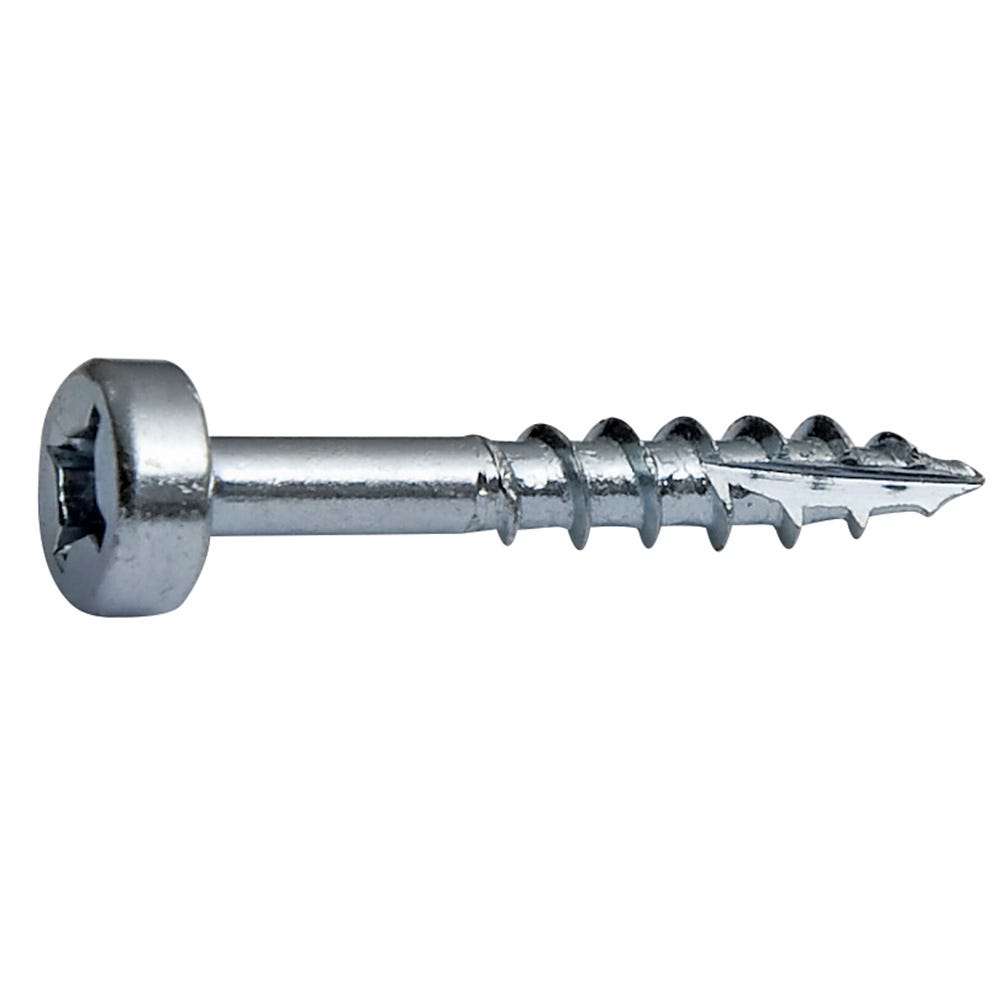
Credit: www.rockler.com
Frequently Asked Questions
Are Cabinet Pull Hardware Screws Typically Coarse Thread?
Cabinet pull hardware screws usually have coarse threads. Coarse threads offer better grip in wood and easier installation for cabinet pulls.
Why Choose Fine Thread Screws For Cabinet Pulls?
Fine thread screws provide stronger hold in metal or hard materials. They also allow precise adjustments and reduce loosening over time.
Can Coarse Thread Screws Damage Cabinet Material?
Coarse thread screws are designed for wood and generally won’t damage cabinets. However, overtightening can strip the wood or cause cracks.
What Thread Size Fits Most Cabinet Pulls?
Most cabinet pulls use 8 or 10 coarse thread screws, typically 1 inch or 1. 5 inches long for standard thickness cabinets.
Conclusion
Cabinet pull hardware screws usually have coarse threads. Coarse threads grip wood better and are easier to install. Fine threads work well in metal or thin materials. Choosing the right screw thread helps keep pulls secure. Always check the material before buying screws.
This small step saves time and effort. Now, you can pick screws with confidence. Your cabinet pulls will stay strong and last longer. Simple choices make a big difference in your project.