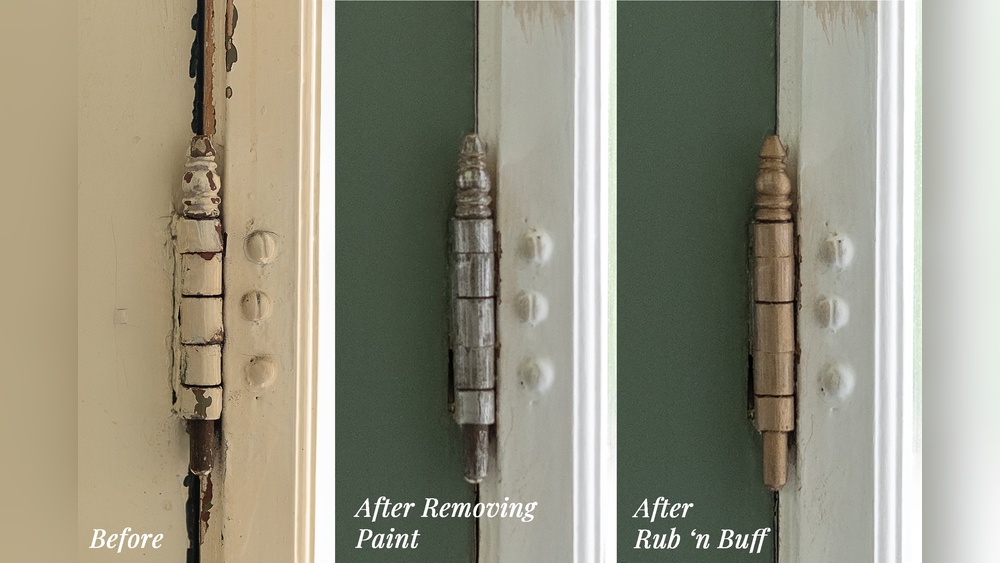
Are your cabinet hardware pieces looking dull or covered in layers of old paint? You’re not alone, and the good news is, you don’t have to replace them to bring back their shine.
Removing old paint from cabinet hardware might seem tricky, but with the right steps, you can restore their original beauty quickly and safely. In this guide, you’ll discover simple, effective methods that save you time and effort. Keep reading, and you’ll be amazed at how easy it is to transform your cabinets and give your space a fresh, polished look.
Tools And Materials Needed
Removing old paint from cabinet hardware requires a few specific tools and materials. Having the right supplies makes the process easier and safer. This section lists everything needed to get started. Prepare all items before you begin to save time and avoid frustration.
Essential Tools
- Paint stripper or remover
- Small wire brush or old toothbrush
- Steel wool pads
- Plastic scraper
- Gloves to protect your hands
- Safety goggles
- Soft cloths for wiping
- Container for soaking hardware
Safe Cleaning Supplies
- Mild dish soap for cleaning residue
- Warm water
- Baking soda (optional for gentle scrubbing)
- White vinegar to help remove paint smell
- Rags or paper towels for drying
Preparing The Hardware For Paint Removal
Preparing cabinet hardware for paint removal is an important first step. It ensures the process goes smoothly and protects your cabinets. Proper preparation helps avoid damage and makes paint stripping easier.
Taking time to prepare hardware means better results. It allows the paint remover to work efficiently and saves effort later.
Removing Hardware From Cabinets
Start by carefully removing all hardware from the cabinets. Use a screwdriver to take out screws holding knobs and handles. Keep screws and small parts in a container to avoid losing them. Handle each piece gently to prevent bending or scratching. Removing hardware fully gives you better access to old paint.
Cleaning Before Stripping
Clean the hardware before applying any paint remover. Use warm soapy water to remove dirt and grease. Rinse well and dry each piece completely. Cleaning ensures the paint stripper works on paint, not grime. This step improves the finish and makes stripping more effective.
Chemical Paint Stripping Methods
Removing old paint from cabinet hardware can be tough. Chemical paint stripping methods work well to soften and remove paint quickly. These methods use special liquids that break down paint layers. They save time and effort compared to sanding or scraping alone.
This section explains how to choose the right stripper, apply it correctly, and stay safe during the process.
Choosing The Right Stripper
Select a stripper made for metal surfaces and old paint. Some strippers work better on oil-based paint, others on latex paint. Read product labels carefully. Pick a product that matches your hardware material. Water-based strippers are less harsh but may take longer. Solvent-based strippers work fast but smell stronger.
Applying And Removing Chemical Strippers
Use a brush or cloth to apply the stripper evenly. Cover all painted areas completely. Let the stripper sit for the time the instructions say. Watch the paint bubble or peel. Use a plastic scraper or brush to remove loosened paint gently. Rinse the hardware with water or mineral spirits to clean off residue. Dry parts fully before repainting or reinstalling.
Safety Precautions
Work in a well-ventilated area to avoid fumes. Wear gloves and eye protection to prevent skin and eye contact. Avoid breathing in vapors by wearing a mask if needed. Keep strippers away from children and pets. Follow all label instructions and warnings carefully. Dispose of used materials safely to protect the environment.
Natural Paint Removal Techniques
Removing old paint from cabinet hardware can be tricky. Harsh chemicals damage metal and the environment. Natural paint removal techniques offer safer, gentle ways to clean hardware. These methods use simple household items. They protect your hands and keep the hardware in good shape. Below are three effective natural ways to remove paint.
Using Baking Soda And Vinegar
Baking soda and vinegar work well together to soften paint. Mix baking soda with water to form a thick paste. Apply the paste on painted hardware. Let it sit for 15 to 20 minutes. Then, spray or dab vinegar over the paste. The fizzing action helps lift paint from the surface. Use a soft brush or cloth to scrub gently. Rinse with warm water and dry the hardware.
Heat Gun Method
The heat gun method uses warm air to soften old paint. Hold the heat gun a few inches from the hardware. Move it slowly over the painted area. The heat will make the paint bubble and peel. Use a plastic scraper or cloth to remove the paint carefully. Avoid overheating, which can damage the metal. This method needs patience but works well without chemicals.
Soaking In Hot Soapy Water
Soaking hardware in hot soapy water softens paint for easy removal. Fill a container with hot water and mild dish soap. Submerge the hardware fully and leave it for several hours. Check regularly and gently scrub with a soft brush. The paint should loosen and come off with little effort. Rinse the hardware and dry it well before reuse.
Mechanical Methods For Paint Removal
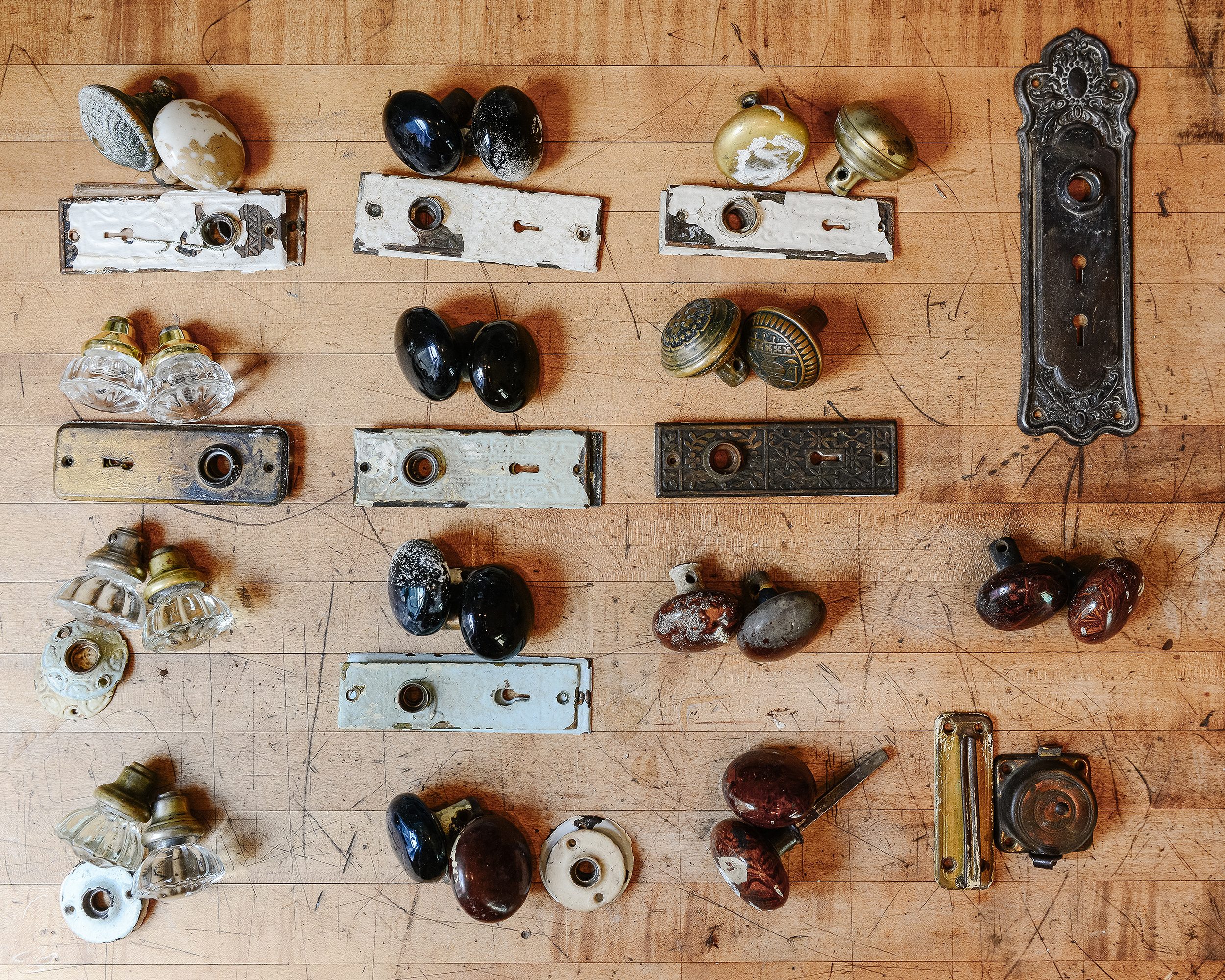
Mechanical methods for paint removal work by physically scraping or sanding off the old paint. These methods are effective for cabinet hardware because they provide control and precision. They do not use chemicals, making them safer for indoor use. Mechanical techniques can be simple and require only basic tools.
Sanding Techniques
Sanding is a common way to remove paint from metal or wooden hardware. Use fine-grit sandpaper to avoid scratching the surface. Wrap the sandpaper around a small block for better grip and control. Move in gentle, circular motions to lift the paint. For tight spots, use a sanding sponge or nail file. Sand until you see the bare metal or wood.
Using Wire Brushes And Scrapers
Wire brushes work well to remove thick, stubborn paint layers. Choose a small wire brush to reach detailed areas. Brush gently to avoid damaging the hardware. A flat scraper or putty knife helps lift paint from flat surfaces. Hold the scraper at a low angle and push carefully under the paint. These tools remove paint quickly but need steady hands for fine work.
Credit: yellowbrickhome.com
Finishing Touches After Paint Removal
Removing old paint from cabinet hardware is only part of the job. Finishing touches ensure your hardware looks its best and lasts longer. These steps help to clean, shine, and protect the metal. Taking time now saves effort later and keeps your cabinets looking fresh.
Cleaning Residual Paint
After scraping and soaking, tiny paint bits may remain. Use a soft toothbrush or cloth to scrub gently. Warm soapy water works well to remove loosened paint. Avoid harsh scrubbing that can scratch the surface. Rinse thoroughly and dry with a clean towel. This step prepares the hardware for polishing and sealing.
Polishing And Protecting Hardware
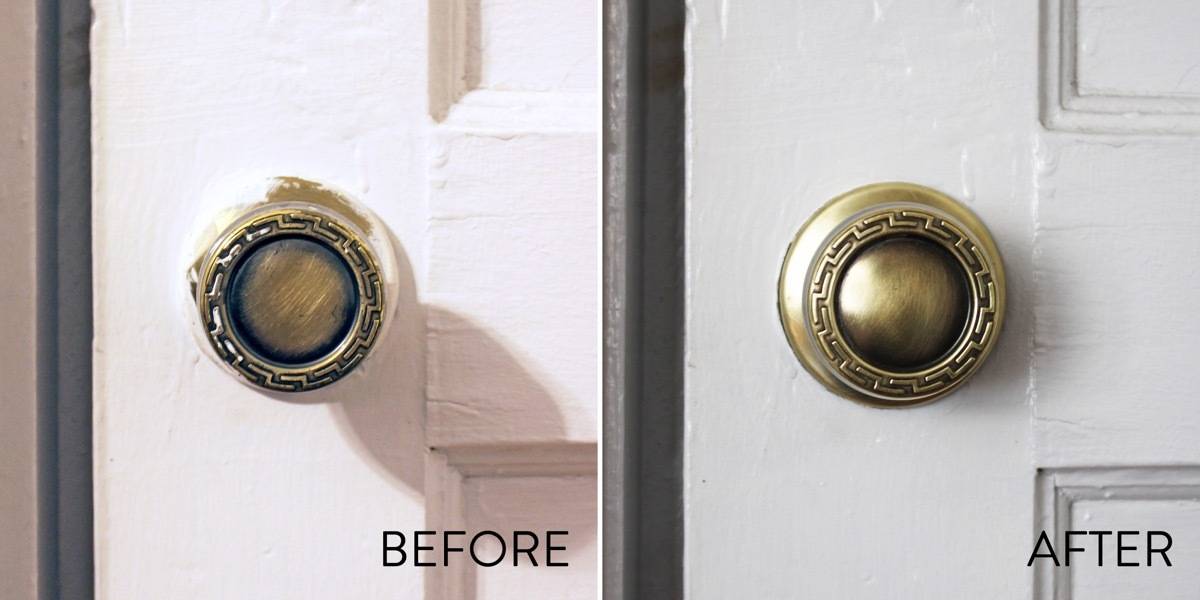
Polish the hardware to restore its shine. Use a metal polish suitable for your hardware type. Apply polish with a soft cloth and rub in small circles. Wipe off excess polish to avoid buildup. Protect the hardware with a clear sealant or wax. This layer guards against rust and future paint adhesion. Let the hardware dry fully before reinstalling.
Common Mistakes To Avoid
Removing old paint from cabinet hardware takes care and attention. Many people make mistakes that damage the hardware or cause safety risks. Knowing what to avoid helps save time and effort. It also keeps your hardware in good shape.
Damaging The Hardware
Using harsh chemicals can ruin the metal finish. Scraping too hard may scratch or bend the hardware. Avoid metal brushes that leave marks. Choose gentle methods like soft scrapers or plastic tools. Test any cleaner on a small area first. Protect the shape and shine of your hardware.
Ignoring Safety Guidelines
Paint removers often contain strong chemicals. Not wearing gloves can hurt your skin. Fumes from chemicals can cause headaches or dizziness. Always work in a well-ventilated area. Use eye protection to prevent splashes. Read product instructions carefully before starting. Safety keeps your project smooth and injury-free.
Credit: www.curbly.com
Tips For Maintaining Cabinet Hardware
Maintaining cabinet hardware keeps it looking fresh and working well. Simple care steps extend its life and save money. Avoiding paint build-up makes old paint removal easier later.
Regular care protects the finish and prevents damage. Follow these tips to keep your cabinet hardware clean and smooth.
Regular Cleaning
Clean hardware with a soft cloth and mild soap. Avoid harsh chemicals that can damage the surface. Wipe dry to stop water spots and rust. Clean monthly to remove dust and grease. This keeps the hardware shiny and new.
Preventing Paint Build-up
Cover hardware with tape before painting cabinets. Use painter’s tape for a clean edge. Remove tape carefully after paint dries to avoid peeling. Clean edges with a small brush if paint spills. Regular checks stop paint from building up over time.

Credit: www.thewoodgraincottage.com
Frequently Asked Questions
How Do I Safely Remove Paint From Cabinet Hardware?
Use a gentle paint remover or soak hardware in warm, soapy water. Avoid harsh chemicals to prevent damage. Scrub gently with a soft brush or cloth for best results. Always test the method on a small area first to ensure safety.
What Tools Are Best For Stripping Paint Off Hardware?
Use nylon brushes, plastic scrapers, and fine steel wool. Avoid metal tools that can scratch surfaces. Soft brushes and scrapers help remove paint without damaging the hardware’s finish. Choose tools based on the hardware material.
Can I Use Chemical Paint Strippers On Cabinet Hardware?
Yes, but choose mild, non-corrosive strippers. Follow safety instructions carefully. Use in a well-ventilated area with gloves. Rinse hardware thoroughly after stripping to remove residue and prevent damage.
How Long Should I Soak Cabinet Hardware To Remove Paint?
Soak hardware for 15 to 30 minutes in paint remover or warm, soapy water. Check progress regularly to avoid prolonged exposure, which can damage finishes. Repeat soaking if necessary for stubborn paint.
Conclusion
Removing old paint from cabinet hardware is simple with the right steps. Use gentle tools and cleaners to protect the metal. Take your time and work carefully for best results. Clean hardware looks fresh and bright, improving your cabinet’s style.
Small projects like this bring big changes to your home. Try these methods to restore your old hardware today. You’ll enjoy the new look without much effort. Keep your tools ready and start your project now.


