Are you planning to give your cabinets a fresh new look with a coat of paint? Before you pick up that brush, there’s one important step you might be overlooking: cleaning your cabinet hardware.
You might wonder, “Do I really need to clean it first? ” The answer could make all the difference between a smooth, lasting finish and a frustrating paint job that peels or chips too soon. You’ll discover why cleaning your cabinet hardware before painting is a game-changer and how it can save you time and effort.
Keep reading to get the simple tips that will help your cabinets look flawless and fresh for years to come.
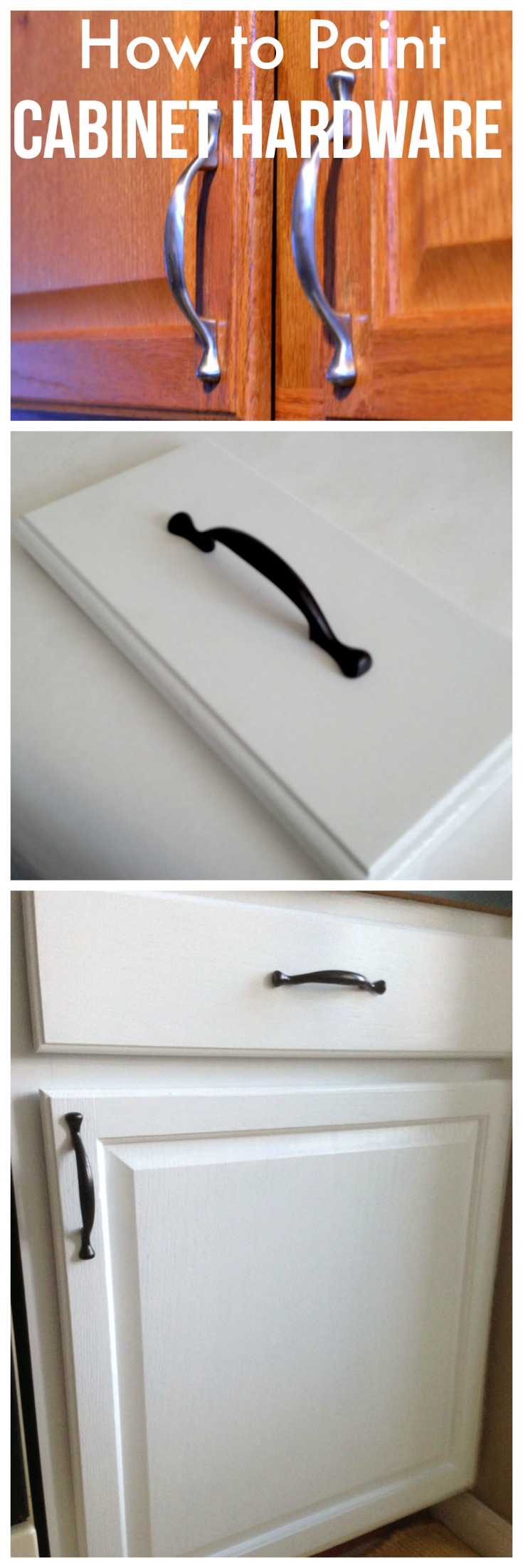
Credit: createandbabble.com
Why Clean Hardware Matters
Cleaning cabinet hardware before painting is very important. Dirt and grease stop paint from sticking well. Clean hardware helps paint last longer and look better. It also prevents damage to the metal parts.
Taking time to clean hardware saves effort later. Paint that peels or chips means more work. Clean surfaces make your painting job easier and neater.
Improves Paint Adhesion
Dirt and oils create a barrier on hardware. This barrier stops paint from sticking properly. Clean hardware allows paint to bond tightly. The result is a smooth, even finish that lasts.
Prevents Paint Peeling
Paint on dirty hardware can peel off quickly. Dust and grease cause paint to lift and crack. Clean hardware helps paint stay on longer. This means less touch-up work and a better look.
Protects Hardware From Damage
Grime can cause rust or corrosion under paint. Cleaning hardware removes harmful substances. This keeps hardware in good shape. It also stops paint from hiding problems that get worse.
Ensures A Professional Finish
Clean hardware looks neat and polished after painting. Dirt or smudges show through paint and spoil the look. Cleaning makes your cabinets look well cared for. It gives a fresh and tidy appearance.
Types Of Cabinet Hardware
Cabinet hardware comes in many types and styles. Each type changes the look and feel of your cabinets. Knowing these types helps you choose the right hardware before painting. This knowledge also guides how to clean and prepare them.
Knobs
Knobs are small and round or square pieces you pull. They are simple and easy to install. Knobs work well on both drawers and cabinet doors. They give a classic and neat look.
Pulls
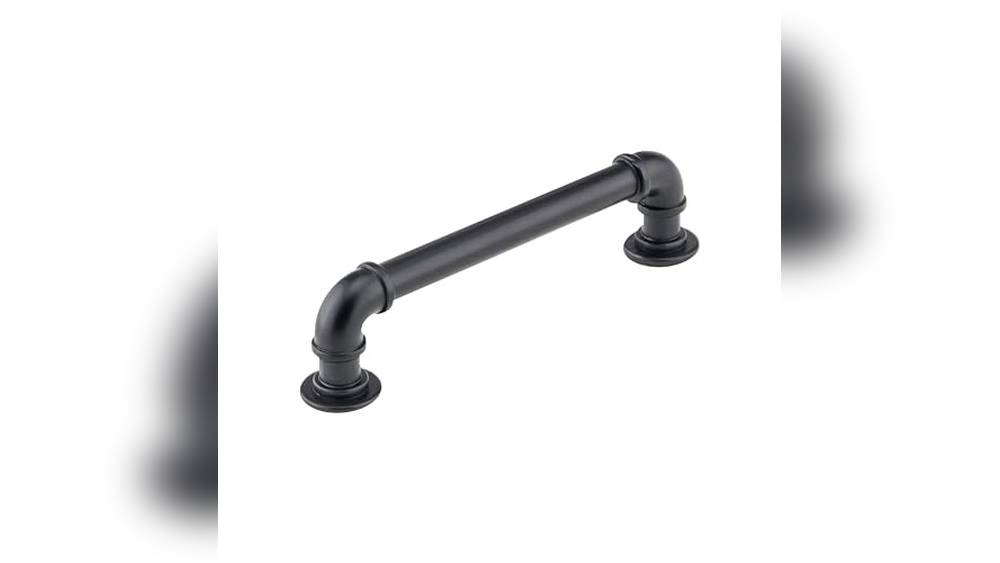
Pulls are longer than knobs. You grab them with your whole hand to open doors or drawers. They come in many shapes like bar, cup, or arch. Pulls add style and make opening easier.
Handles
Handles are similar to pulls but can have unique designs. They often have a solid grip and a sturdy feel. Handles suit larger cabinets or heavy doors. They blend function and decoration well.
Backplates
Backplates sit behind knobs or handles. They protect the cabinet surface from wear. Backplates also add a decorative frame. They work great for an antique or detailed look.
Specialty Hardware
Specialty hardware includes hinges, latches, and catches. These parts help cabinets open and close smoothly. Some have decorative elements that match knobs and pulls. They complete the overall cabinet design.
Best Cleaning Methods
Cleaning cabinet hardware is important before painting. Dirt, grease, and old residues stop paint from sticking well. Using the right cleaning method helps the paint last longer. Choose a method that fits your time and what materials you have. Here are some of the best ways to clean cabinet hardware effectively.
Using Soap And Water
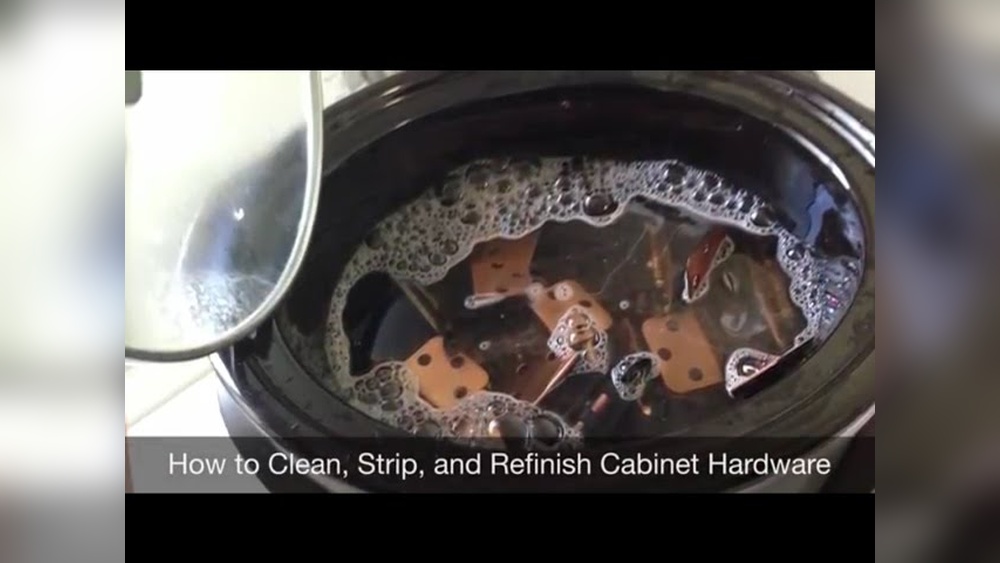
Soap and water is the easiest way to clean cabinet hardware. Use warm water and mild dish soap. Dip a soft cloth or sponge into the soapy water. Gently scrub the hardware to remove dust and grease. Rinse with clean water to remove soap. Dry the hardware with a soft towel. This method works well for light dirt and dust.
Vinegar And Baking Soda Solutions
Vinegar and baking soda can clean tougher grime. Mix equal parts vinegar and water in a bowl. Sprinkle baking soda on the hardware. Dip a cloth in the vinegar mix and rub on the baking soda. The mix will fizz and help lift dirt. Rinse the hardware with water and dry it well. This method is great for removing stains and build-up.
Commercial Cleaners
Commercial cleaners are strong and fast. Use cleaners made for metal or kitchen surfaces. Follow the instructions on the label carefully. Wear gloves to protect your skin. Spray or apply the cleaner to the hardware. Let it sit for a few minutes, then wipe with a clean cloth. Rinse if needed. These cleaners work best for very dirty or greasy hardware.
Removing Hardware For Painting
Removing cabinet hardware before painting helps get a smooth, clean finish. Paint can build up around knobs and handles if they stay on. Taking hardware off makes painting easier and avoids damage.
It also helps paint reach all edges of the cabinet doors and drawers. Clean hardware can be reinstalled for a fresh look. This step is simple but important for good results.
When To Remove Hardware
Remove hardware if you want a neat paint job. Take off all handles, knobs, and hinges. Painting around hardware can cause uneven surfaces. Paint may peel or chip around fixed hardware.
Hardware removal is best before sanding and priming. It lets you clean hardware separately without damage. If hardware is old or rusty, removing helps you replace it easily.
How To Safely Remove Handles And Knobs
Use a screwdriver that fits screws well. Turn screws slowly to avoid stripping them. Keep screws and hardware in a labeled container. This prevents loss during painting.
Remove knobs and handles gently to avoid cabinet damage. Avoid pulling hardware by force. Check for hidden screws on hinges or back plates. Work in a well-lit space for safety.
Cleaning Tips For Painted Cabinets
Cleaning painted cabinets keeps them looking fresh and new. Dirt and grease can dull the paint over time. Regular cleaning helps protect the finish and extends its life.
Use gentle cleaning methods to avoid damaging the paint. Harsh chemicals or scrubbing can cause peeling or fading. Choose the right tools and cleaners for the best results.
Choosing The Right Cleaner
Select a mild soap or detergent mixed with warm water. Avoid strong chemicals like bleach or ammonia. These can harm the paint and hardware finish.
Using Soft Cloths And Sponges
Use a soft cloth or sponge for cleaning. Rough materials can scratch the paint surface. Gently wipe the cabinets without pressing too hard.
Cleaning Greasy Or Sticky Spots
For tough grease, add a small amount of vinegar to water. Dab the spot gently and rinse with clean water. Do not soak the paint to prevent damage.
Drying Cabinets Properly
Always dry cabinets after cleaning with a soft towel. Water left on paint can cause streaks or damage. Ensure all moisture is removed to keep paint smooth.

Credit: www.youtube.com
Drying And Preparing Hardware
Drying and preparing cabinet hardware is a key step before painting. Clean hardware must be fully dry to avoid paint problems. Moisture can cause paint to bubble or peel. Proper preparation also helps paint stick better. This section explains how to dry and get hardware ready for painting.
Avoiding Rust And Damage
Dry hardware completely before painting. Use a soft cloth to wipe moisture off. Let pieces air dry in a warm, dry spot. Avoid damp areas that cause rust. Rust weakens hardware and ruins paint. Handle hardware gently to prevent scratches. Scratches can show through the paint later.
Using Protective Coatings
Apply a protective coating to metal hardware. Primer works well to cover the surface. It stops rust and improves paint hold. Use a spray primer for even coverage. Let the primer dry fully before painting. Protective coatings extend the life of hardware. They keep the finish smooth and strong.
Reinstalling Hardware After Painting
Reinstalling hardware after painting cabinet doors is a key step. It finishes the look and makes the cabinets usable again. Careful handling helps keep the new paint job perfect.
Taking time during this step prevents damage and ensures everything fits right. This makes your cabinets look fresh and new.
Remove Old Screws And Clean Hardware
Before reinstalling, check the screws and hardware pieces. Remove any old screws left from previous installation. Clean the hardware well to remove dust or paint residue. This helps the hardware sit flush and look clean.
Check Paint Dryness And Surface
Ensure the paint is fully dry before attaching hardware. Touch the surface gently to confirm it feels hard and dry. Soft paint can peel or smudge when hardware presses against it. Patience here keeps the finish smooth.
Align Hardware Correctly
Match each piece of hardware to its original spot. Use the old holes as guides if possible. Proper alignment avoids drilling new holes and damaging paint. Take time to line up screws and handles perfectly.
Use The Right Tools
Use a screwdriver that fits your screws well. Avoid power tools that can apply too much force. Tighten screws gently to avoid cracking paint or stripping holes. Slow and steady wins here.
Test Hardware Functionality
Open and close cabinet doors after hardware is on. Check that handles and knobs feel secure and work smoothly. Adjust screws if hardware feels loose or uneven. Proper function adds to cabinet enjoyment.
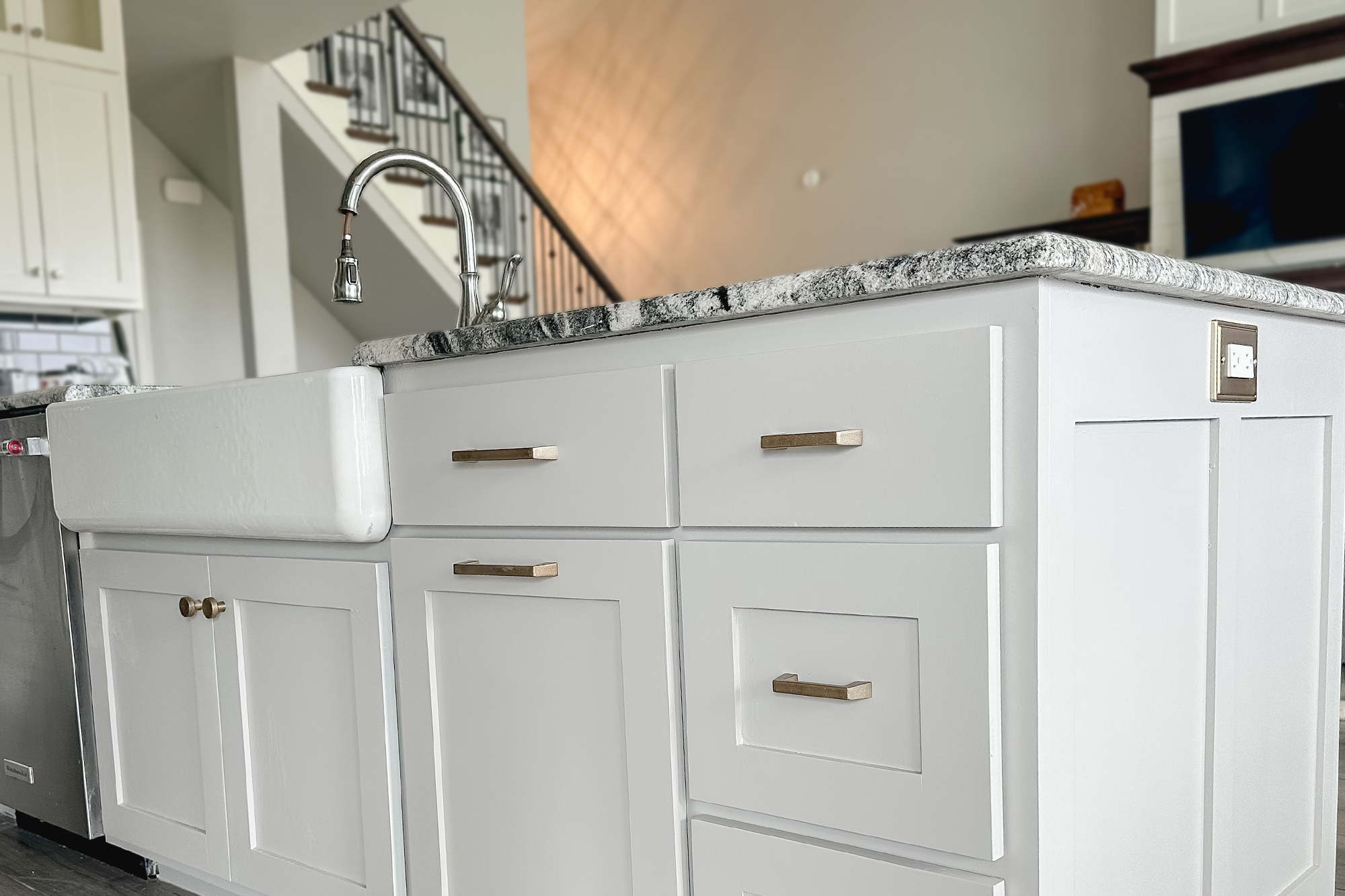
Credit: www.kilz.com
Frequently Asked Questions
Should I Clean Cabinet Hardware Before Painting?
Yes, cleaning cabinet hardware removes grease and dirt. It ensures paint adheres better and prevents peeling or uneven finish.
What Is The Best Way To Clean Hardware Pre-paint?
Use warm soapy water or vinegar solution. Scrub gently with a brush, then dry thoroughly before painting.
Can I Paint Cabinet Hardware Without Cleaning It?
Painting without cleaning risks poor adhesion and peeling. Dirt blocks primer and paint, leading to an uneven finish.
How Does Cleaning Hardware Affect Paint Durability?
Clean hardware allows primer and paint to bond well. This increases paint durability and keeps hardware looking fresh longer.
Conclusion
Cleaning cabinet hardware before painting saves time and improves results. Dirt and grease can stop paint from sticking well. A clean surface helps paint look smooth and last longer. Take a few minutes to wipe hardware with a cloth and mild cleaner.
This simple step makes your cabinets look fresh and neat. Paint will dry evenly and not peel off soon. Clean hardware means a better finish and less work later. So, always clean before you paint for the best outcome.