Are you struggling with a Sauder twist lock fastener that just won’t budge? You’re not alone.
These fasteners are designed to hold furniture pieces tightly together, but that can make removing them tricky. If you’re worried about damaging your furniture or spending hours trying to figure it out, this guide is for you. By the end, you’ll know exactly how to remove a Sauder twist lock fastener quickly and safely—no frustration, no guesswork.
Keep reading, and take the hassle out of your next furniture project.

Credit: www.desertcart.sc
Sauder Twist Lock Basics
The Sauder twist lock fastener is a simple yet strong connector. It holds pieces of furniture tightly together. Understanding its basics helps in removing it safely.
This fastener uses a twisting motion to lock and unlock parts. It is common in ready-to-assemble furniture. Knowing how it works makes assembly and disassembly easier.
What Is A Twist Lock Fastener
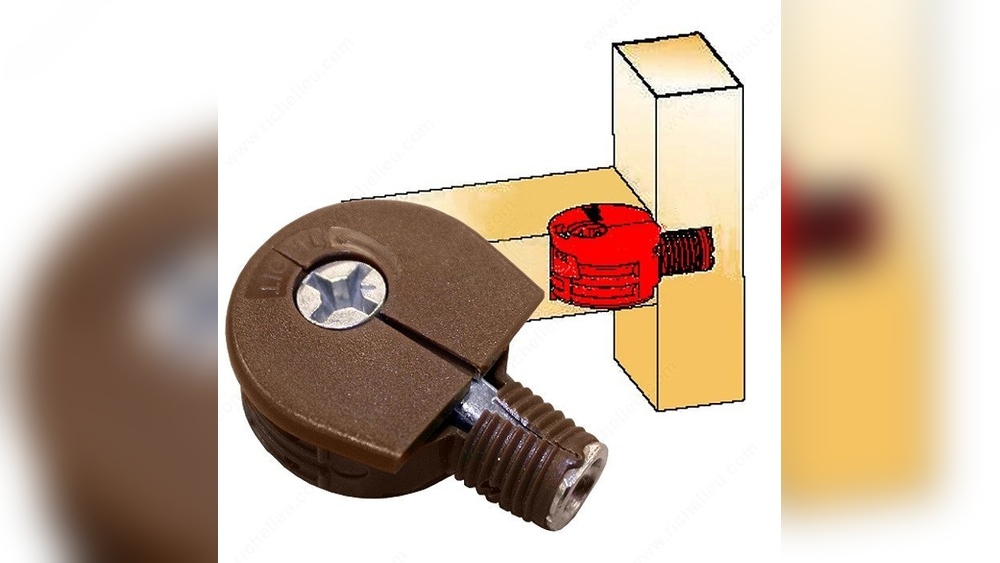
A twist lock fastener is a small metal or plastic piece. It connects two parts by twisting one into the other. This action locks the parts firmly in place.
It usually has a cam and a dowel. The dowel fits into the cam hole. Turning the cam pulls the dowel tight, securing the joint.
Common Uses And Benefits
Twist lock fasteners are often used in flat-pack furniture. They allow quick assembly without tools or nails. This makes furniture easy to move and store.
They provide strong, stable connections. Parts stay aligned and resist wobbling. The fasteners also let you take furniture apart for repairs or moving.
Tools Needed
Removing a Sauder Twist Lock Fastener requires the right tools. Using proper tools makes the task easier and prevents damage. Below are the tools you need to remove these fasteners safely and effectively.
Essential Tools For Removal
A flathead screwdriver is the main tool for this job. It helps to pry open the fastener gently. A small putty knife can also work well to lift the edges. You will need a pair of needle-nose pliers to grip and twist the fastener out. Keep a soft cloth handy to protect the wood surface from scratches.
Optional Tools For Difficult Cases
Sometimes fasteners are tight or stuck. A rubber mallet can tap the fastener lightly to loosen it. A utility knife can carefully cut around the fastener edge if paint or glue holds it. For very tight fasteners, a small pry bar may provide extra leverage. Always use these tools with care to avoid damage.
Preparation Steps
Preparing to remove a Sauder twist lock fastener helps make the process smooth. Proper preparation saves time and avoids damage. It also keeps you safe and organized.
Safety Precautions
Wear protective gloves to avoid cuts or scrapes. Use safety glasses to protect your eyes from dust or small debris. Ensure your hands are dry to keep a firm grip on tools. Keep children and pets away from the work area. Work slowly and carefully to avoid accidents.
Workspace Setup
Choose a clean, flat surface to work on. Good lighting helps you see the fasteners clearly. Keep all necessary tools within reach. Use a soft cloth or mat to protect the furniture surface. Organize removed fasteners in a small container to avoid losing them.
Step-by-step Removal Process
Removing a Sauder Twist Lock Fastener is simple with clear steps. Follow this guide to remove it safely and quickly. Each step explains what to do and how to do it.
Locate The Fastener
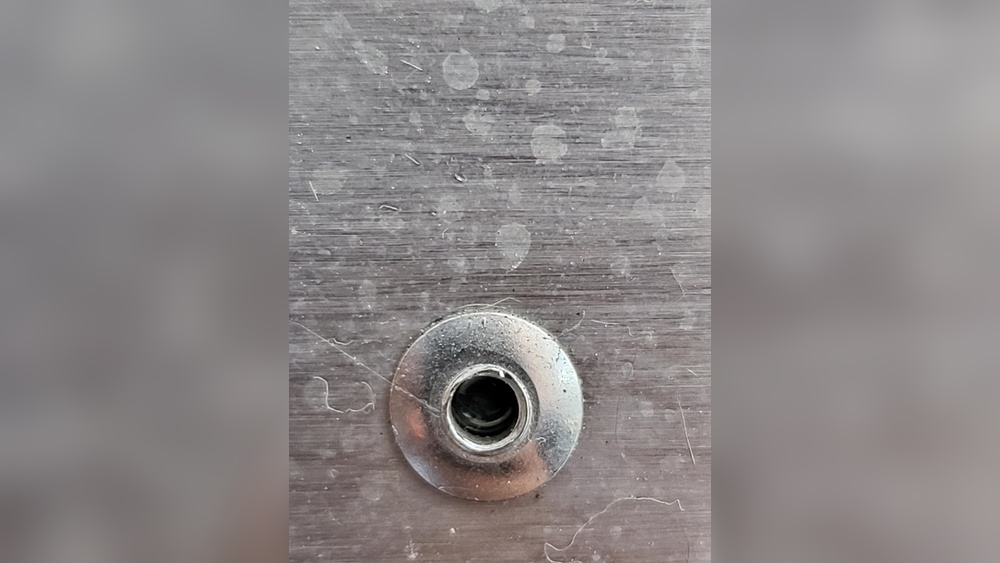
Find the twist lock fastener on your material. It usually looks like a small round knob or button. Check the edges or corners of the panel. Identifying the fastener makes removal easier.
Unlocking The Twist Mechanism
Hold the fastener firmly with your fingers. Turn it counterclockwise to unlock. You might feel a slight click or looseness. Keep turning until it stops moving freely.
Removing The Fastener From Material
Once unlocked, gently pull the fastener away from the surface. Use steady, even pressure to avoid damage. If it resists, twist a little more before pulling. The fastener should come out smoothly.
Troubleshooting Tips
Removing a Sauder twist lock fastener can sometimes be tricky. Some fasteners stick tight or seem hard to turn. This section gives simple tips to solve common problems. Use these to make removal easier and protect your furniture.
Handling Stuck Fasteners
Start by applying gentle pressure while twisting the fastener. Avoid forcing it too hard. Use a flat tool, like a small screwdriver, to help turn if needed. If the fastener still won’t budge, try a little heat from a hairdryer. Heat can soften the plastic and make it easier to twist.
Work slowly and patiently. Do not rush or use sharp tools that can break the fastener. Sometimes tapping lightly around the fastener with a soft mallet helps loosen it. Keep your movements smooth to prevent damage.
Avoiding Damage To Surfaces
Protect your furniture surface by placing a cloth under your tools. Avoid using metal tools directly on the wood or laminate. This prevents scratches and dents.
Use gentle force. Too much pressure can cause cracks or chips. If you notice resistance, stop and try a different angle. Work carefully around edges and corners, as these spots are more fragile. Keep your workspace clean to avoid dust or grit scratching surfaces during removal.
Credit: www.sauder.com
Post-removal Care
After removing a Sauder twist lock fastener, taking care of it is important. Proper care helps keep the fastener in good shape. It can last longer and work better in future projects.
Post-removal care includes checking the fastener for damage and deciding how to store it. Doing this saves time and money later on. It also makes your work cleaner and more organized.
Inspecting The Fastener
Look closely at the fastener for any cracks or bends. Check if the locking mechanism still works smoothly. Small damages can weaken the fastener’s hold. If you find any damage, do not use the fastener again. Clean off any dirt or glue residue carefully. Use a soft cloth or mild cleaner. Avoid harsh chemicals that can harm the fastener’s surface.
Storage And Reuse Options
Store the fastener in a dry, cool place to prevent rust. Use a small container or box to keep it safe. Label the container for easy finding later. Organize fasteners by size or type for quick access. Reuse fasteners only if they are in good condition. Using damaged fasteners can cause furniture to fall apart. Proper storage helps keep your workspace neat and efficient.

Credit: www.youtube.com
Frequently Asked Questions
What Tools Are Needed To Remove Sauder Twist Lock Fasteners?
You typically need a flathead screwdriver or a trim removal tool. These tools help gently pry the fastener without damage. Avoid using excessive force to prevent breaking the fastener or surrounding material. Work slowly to ensure a clean removal.
How Do I Unlock A Sauder Twist Lock Fastener?
To unlock, insert a flathead screwdriver under the fastener’s head. Twist gently to release the lock mechanism. Apply steady pressure to avoid snapping the fastener. Once loosened, you can pull it out easily.
Can Sauder Twist Lock Fasteners Be Reused After Removal?
Yes, they can be reused if undamaged. Carefully remove to preserve the fastener’s integrity. Inspect for cracks or warping before reusing. Reusing saves time and maintains furniture stability.
Is It Safe To Remove Sauder Twist Lock Fasteners Without Damage?
Yes, with proper tools and technique, damage is avoidable. Use gentle twisting and prying motions. Avoid forcing the fastener out. Patience and correct tools ensure safe removal.
Conclusion
Removing a Sauder twist lock fastener is simple with the right steps. Use a flat tool carefully to avoid damage. Take your time and work gently to loosen the lock. This method saves time and keeps your furniture safe. Now, you can handle similar fasteners with confidence.
Practice makes the process easier and quicker. Keep these tips in mind for future projects. Clear, easy steps lead to successful results every time.