Have you ever wondered what holds machines, buildings, and everyday objects firmly together? The answer lies in fasteners—small but mighty components that play a crucial role in engineering.
Whether you’re curious about how your car’s parts stay connected or how bridges withstand heavy loads, understanding fasteners will give you a new appreciation for the unseen forces keeping everything in place. You’ll discover what fasteners are, why they matter, and how they make your world safer and stronger.
Keep reading to unlock the secrets behind these essential engineering heroes.
Fasteners In Engineering
Fasteners are small but vital parts in engineering. They hold parts together in machines and structures. Without fasteners, most mechanical assemblies would fail. They provide strength and stability to complex systems. Engineers choose fasteners carefully to match the needs of each project.
Role In Mechanical Assembly
Fasteners join different parts securely. They allow easy assembly and disassembly. Bolts, screws, and nuts are common examples. Fasteners handle forces like tension and shear. They keep components aligned and prevent movement. Fasteners also help in maintenance and repair. They save time and cost during manufacturing.
Materials Used
Fasteners come in various materials. Steel is the most common due to strength and cost. Stainless steel resists rust and works in harsh environments. Aluminum is lightweight and good for low-stress parts. Brass offers good corrosion resistance and electrical conductivity. Plastic fasteners are used in non-metal assemblies. Material choice depends on strength, environment, and cost.

Credit: www.engineeringexpress.com
Common Types Of Fasteners
Fasteners are essential in engineering to join parts together. They provide strength and stability. Various types of fasteners suit different tasks. Each type has unique features and uses. Understanding common fasteners helps in selecting the right one.
Bolts And Screws
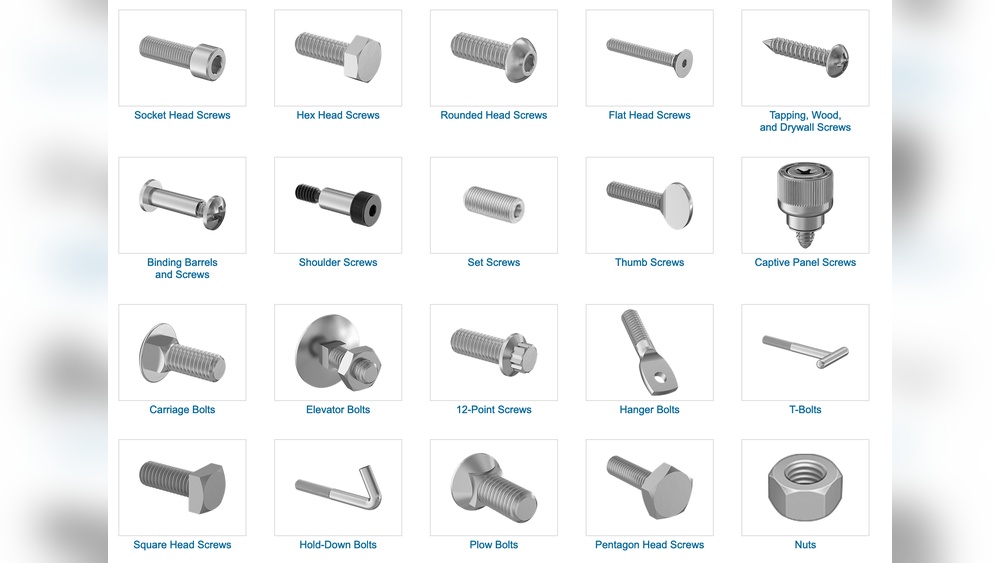
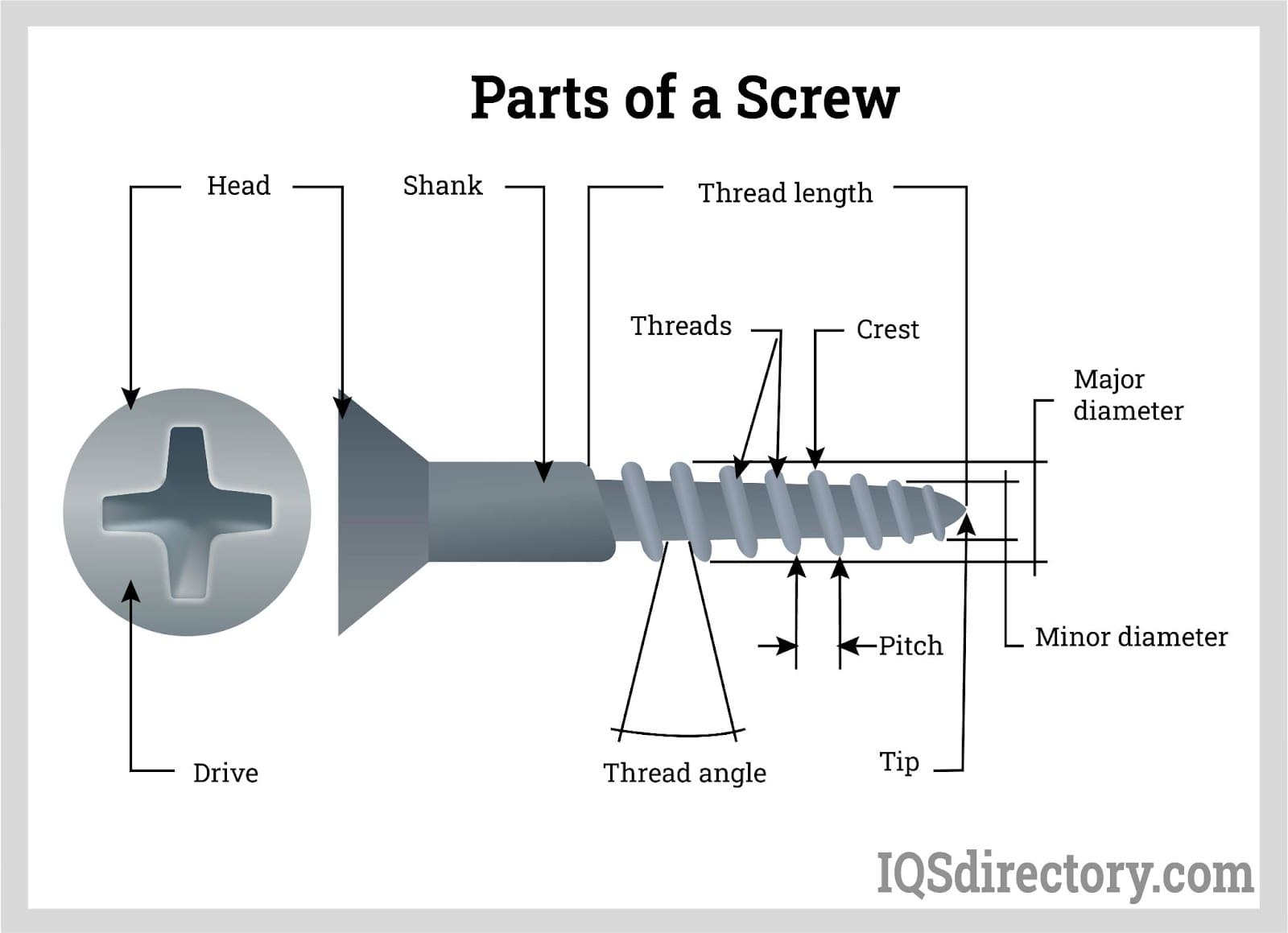
Bolts and screws are widely used fasteners. They join two or more parts tightly. Bolts usually need a nut to hold parts. Screws can fasten directly into materials. Both have threads to grip securely. They come in many sizes and shapes.
Nuts And Washers
Nuts are paired with bolts to lock parts. They twist onto bolts to create strong joints. Washers sit under nuts or bolt heads. They spread the load evenly to avoid damage. Washers also prevent loosening caused by vibrations. They protect surfaces and improve fastening.
Rivets
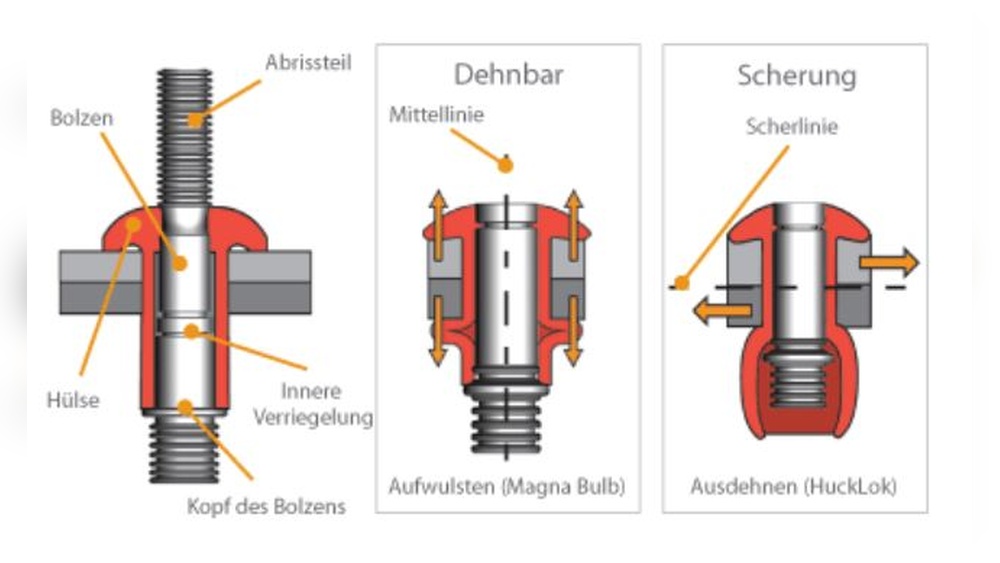
Rivets permanently join two pieces of material. They work by deforming the end to hold parts. Rivets are common in metal and aircraft work. They do not allow easy removal. Their strength makes them ideal for heavy loads.
Pins And Clips
Pins and clips secure parts without threads. Pins slide through holes to hold pieces in place. Clips snap onto pins to lock them securely. They allow quick assembly and disassembly. These fasteners are useful for temporary or moving joints.
Specialized Fasteners
Specialized fasteners serve unique roles in engineering projects. They provide strong, reliable connections in difficult conditions. Each type has specific features that help in different applications. These fasteners improve assembly strength and durability.
Threaded Inserts
Threaded inserts create strong threads in soft materials. They are often used in plastic or wood parts. These inserts allow bolts to screw in securely. They prevent wear and tear on the original material. This makes repairs and replacements easier.
Self-tapping Fasteners
Self-tapping fasteners cut their own thread as they go in. They save time by eliminating the need for pre-drilling. These fasteners work well with metal and plastic surfaces. They ensure a tight fit and strong hold. Perfect for quick and simple assembly tasks.
Locking Fasteners
Locking fasteners stop screws and bolts from loosening. They use special designs like nylon patches or metal clips. These fasteners provide extra security in vibrating environments. They help keep parts in place under stress. Used widely in automotive and machinery industries.
Selection Criteria
Selecting the right fastener is key for any engineering project. The choice affects safety, durability, and cost. Several factors guide the selection process. These ensure the fastener performs well under specific conditions.
Load And Strength Requirements
The fastener must handle the forces it faces. Tensile strength shows how much pulling force it can take. Shear strength is about resisting cutting forces. Engineers check these values to avoid failures. Overloading can cause breaks or loosening. Choose a fastener that matches or exceeds the load.
Environmental Considerations
Fasteners face different environments. Some work outdoors in rain and sun. Others go inside machines with oil or chemicals. Moisture can cause rust and weaken fasteners. High temperatures may change metal properties. Select fasteners that resist corrosion and heat. This improves life and reduces maintenance needs.
Material Compatibility
The fastener’s material must fit the parts it joins. Using different metals can cause corrosion at contact points. Match metals to prevent this problem. Also, consider the strength and flexibility of materials. Proper compatibility avoids damage and loosening over time.
Installation Techniques
Installing fasteners correctly is vital in engineering. It ensures strong, safe, and lasting connections between parts. Different techniques suit various fastener types and materials. Following proper installation methods prevents damage and failure.
Torque Specifications
Torque is the force used to tighten fasteners. Using the correct torque avoids over-tightening or loosening. Each fastener has a specific torque range. Tools like torque wrenches help apply the right amount of force. Following manufacturer torque specs protects the fastener and the material.
Tools And Equipment
Choosing the right tools makes installation easier and safer. Common tools include wrenches, screwdrivers, and torque wrenches. Power tools speed up the process but need careful handling. Using worn or wrong tools can damage fasteners and parts. Always keep tools clean and in good condition.
Safety Practices
Safety is crucial during fastener installation. Wear safety glasses and gloves to protect yourself. Work in a clean, well-lit area to avoid mistakes. Avoid loose clothing that can get caught in tools. Check equipment before use to prevent accidents. Proper safety reduces injury risks and improves work quality.
Credit: www.iqsdirectory.com
Maintenance And Inspection
Maintenance and inspection are key to keeping fasteners working well. They stop problems before they start. Regular checks help catch issues early. This keeps machines safe and running smoothly. Skipping this can lead to serious damage or failure.
Common Failures
Fasteners often fail due to loosening or corrosion. Cracks and wear also cause trouble. Over-tightening can strip threads or break bolts. Vibration can make fasteners come loose. Dirt and rust weaken their hold.
Inspection Methods
Visual checks spot cracks, rust, and dirt. Tightness tests ensure fasteners stay secure. Using torque wrenches helps measure proper force. Dye penetrant tests reveal hidden cracks. Ultrasonic testing finds internal flaws.
Replacement Guidelines
Replace fasteners showing rust or cracks. Change any that do not hold tight. Use the correct size and grade for replacements. Always follow manufacturer recommendations. Never reuse damaged or worn fasteners.
Applications Across Industries
Fasteners play a vital role across many industries. They hold parts together, ensuring safety and strength. Each industry uses fasteners designed for specific needs and environments. Understanding these applications shows how essential fasteners are in daily life.
Automotive
Fasteners in the automotive industry keep vehicles safe and reliable. They hold engines, wheels, and frames firmly. These fasteners resist vibration and heat from the engine. Manufacturers use bolts, screws, and nuts that meet strict quality standards.
Aerospace
Aerospace fasteners must be strong but lightweight. They secure airplane parts and spacecraft components. These fasteners endure extreme temperatures and pressure changes. Aerospace fasteners often use special materials like titanium or aluminum.
Construction
Construction relies on fasteners to join steel, wood, and concrete. Nails, screws, and anchors create strong buildings and bridges. Fasteners must resist weather and heavy loads. Safety is the top priority in construction fasteners.
Electronics
Electronics use tiny fasteners to hold circuit boards and components. These fasteners need precision and durability. They keep devices compact and easy to repair. Plastic and metal fasteners are common in electronics assembly.

Credit: en.wikipedia.org
Frequently Asked Questions
What Are Fasteners Used For In Engineering?
Fasteners join two or more parts securely in engineering structures. They provide mechanical stability and allow easy assembly or disassembly.
Which Types Of Fasteners Are Common In Engineering?
Common fasteners include bolts, screws, nuts, washers, rivets, and pins. Each serves specific functions based on application needs.
How Do Fasteners Affect Engineering Design?
Fasteners impact strength, durability, and maintenance of designs. Proper selection ensures safety, cost-efficiency, and ease of repair.
What Materials Are Fasteners Made From?
Fasteners are made from steel, stainless steel, aluminum, brass, and plastic. Material choice depends on strength, corrosion resistance, and environment.
Conclusion
Fasteners hold parts together in many machines and structures. They come in different shapes and sizes for various uses. Choosing the right fastener ensures safety and strength. They help engineers build things that last long and work well. Understanding fasteners makes engineering simpler and clearer.
Small pieces, big impact.