When working with aluminum, choosing the right fastener can make all the difference in your project’s strength and durability. You might think any screw or bolt will do, but using the wrong fastener can lead to problems like corrosion, loosening, or even damage to your aluminum parts.
So, what fastener should you pick to ensure your work stays secure and lasts long? You’ll discover the best options for fastening aluminum, practical tips to avoid common mistakes, and how to make your project both strong and reliable. Keep reading to find the perfect fastener for your aluminum needs.
Credit: www.jaydeepsteels.com
Types Of Fasteners For Aluminum
Choosing the right fastener for aluminum is important for strong and lasting connections. Different fasteners work better for different projects. Some fasteners hold parts tightly, while others allow easy removal. Understanding the types helps in picking the best one for your needs.
Below are common fasteners used with aluminum. Each type has unique features and benefits.
Bolts And Screws
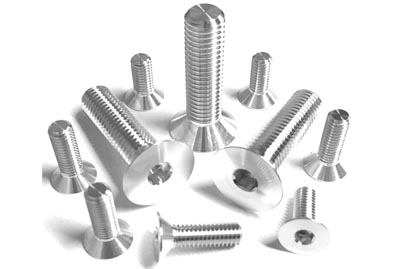
Bolts and screws are popular fasteners for aluminum. They provide strong and secure joints. Screws are easy to install and remove. Bolts need nuts to hold parts together. Both come in various sizes and materials. Stainless steel bolts resist rust and corrosion well.
Rivets
Rivets join aluminum pieces permanently. They work by expanding inside the hole. Rivets are great for thin sheets of aluminum. They create a smooth surface without protruding heads. Riveting does not require threading, which saves time. This fastener is common in aircraft and automotive work.
Nuts And Washers
Nuts and washers support bolts and screws. Nuts tighten the connection securely. Washers spread the load to avoid damage. They also stop nuts from loosening due to vibration. Using the right washer type improves durability. Both parts come in many sizes for different bolts.
Adhesive Fasteners
Adhesive fasteners bond aluminum without drilling holes. They use special glue to hold parts firmly. These fasteners reduce metal fatigue and corrosion risk. Adhesives work well for delicate or thin aluminum sheets. They provide a clean look with no visible hardware. Surface preparation is key for a strong bond.
Credit: www.tannerbolt.com
Material Compatibility
Choosing the right fastener for aluminum requires careful thought about material compatibility. Aluminum can react with other metals and cause issues like corrosion. Understanding how different materials interact helps protect your project. It also ensures strength and durability over time.
Preventing Galvanic Corrosion
Galvanic corrosion happens when two different metals touch in the presence of moisture. Aluminum is more prone to this because it is an active metal. To prevent damage, avoid using fasteners made of metals that cause corrosion with aluminum. Using barriers like plastic or coatings can also reduce the risk.
Choosing Compatible Metals
Fasteners made from stainless steel, zinc, or aluminum alloys often work well with aluminum. These metals have similar properties and reduce corrosion chances. Avoid using copper or brass fasteners, as they speed up corrosion. Matching metals ensures a longer life for your aluminum parts.
Coating And Plating Options
Coatings and platings protect fasteners and aluminum from rust and wear. Zinc plating is common and provides a good barrier. Anodized coatings on aluminum fasteners add extra resistance. Choose coated fasteners for outdoor or wet environments to increase lifespan.
Strength And Load Considerations
Choosing the right fastener for aluminum requires understanding strength and load limits. Aluminum is lightweight but needs strong fasteners. The fastener must handle forces without bending or breaking. This section explains key strength factors to consider.
Shear Vs. Tensile Strength
Shear strength measures a fastener’s ability to resist sliding forces. Tensile strength is about how much pulling force it can take. Fasteners with high shear strength work best where parts slide past each other. Those with high tensile strength hold parts firmly under pulling stress. Knowing which force is stronger in your project guides your fastener choice.
Weight And Load Capacity
Aluminum’s light weight means fasteners should not add much weight. Fasteners must support the load without failing. Load capacity is the maximum weight a fastener can carry safely. Choose fasteners that match the weight and pressure in your project. Overloading fasteners can cause damage and safety risks.
Application-specific Requirements
Different uses need different fastener strengths. Outdoor projects need corrosion-resistant fasteners. High-vibration areas require fasteners that stay tight. Electrical parts need non-conductive fasteners. Consider the environment and use to pick the best fastener type. Proper selection ensures long-lasting and safe connections.
Installation Techniques
Installing fasteners in aluminum requires careful attention to detail. Poor installation can cause damage or weak joints. Using correct techniques ensures strong, lasting connections. Follow these steps for best results.
Proper Torque Settings
Applying the right torque is critical. Too much force can strip threads or deform aluminum. Too little can cause loose fasteners. Use a torque wrench to measure accurately. Refer to manufacturer guidelines for torque values. Consistent torque ensures secure and safe joints.
Surface Preparation
Clean surfaces improve fastener grip. Remove dirt, oil, and oxidation before installation. Use a mild solvent or cleaner for best results. Roughen smooth surfaces slightly to increase friction. Proper surface prep prevents slipping and corrosion under fasteners.
Use Of Locking Mechanisms
Locking devices stop fasteners from loosening. Options include lock washers, thread-locking compounds, and nylon inserts. Choose the right locking method for your application. This step protects against vibration and thermal expansion. It keeps the joint safe over time.
Environmental Factors
Choosing the right fastener for aluminum depends on many environmental factors. These factors affect how well the fastener will hold up over time. Understanding these conditions helps pick the best fastener that lasts longer and works better.
Corrosion Resistance
Aluminum resists rust well, but fasteners may not. Some fasteners corrode faster than aluminum. Corrosion weakens joints and causes damage. Stainless steel and coated fasteners resist corrosion best. Avoid using steel fasteners without protection. This prevents rust and extends the life of connections.
Temperature Effects
High or low temperatures affect fastener strength. Some metals expand or shrink more than aluminum. This can loosen fasteners or cause cracks. Choose fasteners made for the temperature range. Metals like stainless steel and titanium perform well in heat. Cold temperatures require fasteners that stay strong and flexible.
Exposure To Chemicals
Chemicals can damage fasteners and aluminum surfaces. Acidic or salty environments speed up corrosion. Fasteners must resist these chemicals to last long. Use fasteners with protective coatings or made of resistant metals. This keeps connections safe in harsh chemical conditions.
Cost And Availability
Choosing the right fastener for aluminum depends a lot on cost and availability. These two factors affect the overall project budget and timeline. Understanding them helps make better decisions for your needs.
Balancing Quality And Budget
Cheap fasteners might save money upfront. But they can fail sooner and cause more costs later. High-quality fasteners last longer and resist corrosion better. This reduces maintenance and replacement expenses. Finding a balance is key. Spend enough to ensure strength and durability. Avoid overspending on features you do not need.
Sourcing Reliable Suppliers
Reliable suppliers provide consistent quality and stock availability. They help avoid delays and unexpected price changes. Look for suppliers with good reviews and clear return policies. Local suppliers can reduce shipping time and cost. Always check if the fasteners meet industry standards for aluminum use.
Custom Vs. Standard Fasteners
Standard fasteners are usually cheaper and ready to buy. They fit common aluminum projects well. Custom fasteners suit special needs but cost more. They may take longer to produce and ship. Choose standard fasteners unless your project demands unique sizes or materials. Custom options add flexibility but increase cost and wait time.
Common Mistakes To Avoid
Choosing the right fastener for aluminum requires care. Many mistakes happen during selection and use. These errors can damage the aluminum or weaken the connection. Avoiding common mistakes helps ensure a strong and lasting bond.
Overtightening Risks
Too much force on fasteners can crush aluminum parts. Aluminum is softer than steel and can deform easily. Overtightening causes cracks or strips threads. Use a torque wrench to apply the right pressure. This keeps the joint secure without damage.
Ignoring Material Properties
Aluminum reacts differently than other metals. Fasteners must match its properties to prevent corrosion. Avoid steel fasteners that cause rust or staining. Choose fasteners made of stainless steel or aluminum alloy. This protects the metal and extends the product life.
Mismatched Fastener Types
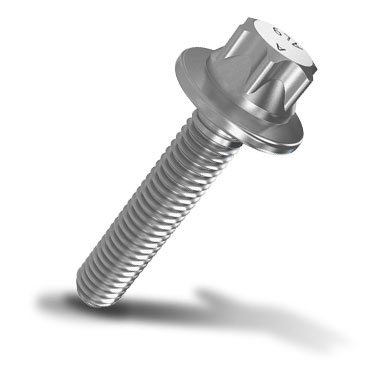
Using the wrong fastener type can weaken the joint. Some fasteners don’t hold well in soft aluminum. Avoid nails or fasteners designed only for wood or plastic. Use screws or bolts meant for metal connections. This ensures a tight and stable fit every time.
Credit: www.arnold-fastening.com
Frequently Asked Questions
What Type Of Fastener Is Best For Aluminum?
Stainless steel fasteners are best for aluminum. They resist corrosion and provide strong, durable connections without damaging aluminum surfaces.
Can I Use Steel Screws With Aluminum?
Steel screws can cause galvanic corrosion with aluminum. It’s better to use aluminum-compatible fasteners like stainless steel or coated screws to avoid damage.
How To Prevent Corrosion Between Fasteners And Aluminum?
Use corrosion-resistant fasteners like stainless steel or coated screws. Apply anti-seize compounds to reduce metal contact and prevent galvanic corrosion in aluminum assemblies.
Are Self-tapping Screws Suitable For Aluminum?
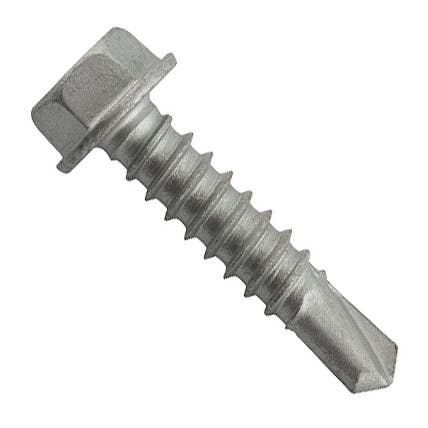
Yes, self-tapping screws work well with aluminum. They create secure threads without pre-drilling, saving time and ensuring a tight, reliable hold.
Conclusion
Choosing the right fastener for aluminum matters a lot. It keeps your project strong and safe. Stainless steel and aluminum fasteners often work best. Avoid using fasteners that cause corrosion or damage. Think about the environment and load before deciding.
Proper fasteners help your aluminum last longer. Simple choices lead to better results every time. Always check the fit and material before you buy. Good fasteners make your work easier and safer.