Is your cabinet handle or knob wobbling every time you touch it? Loose cabinet hardware isn’t just annoying—it can damage your cabinets over time.
But don’t worry, fixing it is easier than you think. You’ll discover simple, step-by-step tips to tighten your hardware quickly and keep your cabinets looking great. Ready to save time and avoid costly repairs? Keep reading to learn how you can fix your loose cabinet hardware today.
Credit: www.hiatt-hardware.com
Causes Of Loose Cabinet Hardware
Loose cabinet hardware can be a common problem in many homes. It makes cabinets look old and can be annoying to use. Understanding the causes helps fix the problem quickly. Here are some common reasons why cabinet hardware becomes loose.
Worn Screws And Fasteners
Screws and fasteners hold cabinet hardware in place. Over time, they can wear out or become damaged. Worn screws lose their grip and cannot hold the hardware tightly. Rust or corrosion may also weaken the screws. Replacing old screws often solves the problem.
Stripped Wood Around Screws
Wood around screws can become stripped or damaged. This happens when screws are tightened too much or removed and reinserted often. Stripped wood no longer holds screws firmly. The hardware then becomes loose and wobbly. Repair may require filling the hole or using longer screws.
Frequent Use And Wear
Cabinet doors and drawers are used many times daily. This constant use causes stress on the hardware. Over time, the hardware can loosen from repeated pulling and pushing. Daily wear can also cause screws to back out slowly. Tightening screws regularly helps prevent this issue.
Tools And Materials Needed
Fixing loose cabinet hardware requires the right tools and materials. Having these ready makes the repair easy and fast. This section covers the essential items needed for the job.
Basic Hand Tools
Start with simple hand tools like a screwdriver. Choose one that fits the screws on your cabinet. A drill can help with tougher screws. A small hammer may be useful for tapping parts gently. A measuring tape ensures proper placement during reattachment.
Replacement Screws And Anchors
Old screws can become worn or damaged. Keep new screws of the right size handy. Wall anchors help secure screws in weak or hollow spots. Plastic anchors work well for light hardware. Metal anchors provide stronger support when needed.
Wood Fillers And Adhesives
Loose hardware often means damaged wood around screws. Use wood filler to fill holes or cracks. Let it dry before drilling new holes. Wood glue or strong adhesive can help hold parts firmly. These materials restore strength to worn cabinet surfaces.
Quick Fixes For Loose Handles And Knobs
Loose handles and knobs cause frustration and slow down daily tasks. Fixing them quickly saves time and effort. Small fixes can stop wiggling and prevent damage to your cabinets. Simple tools and materials often do the trick.
Tightening Screws Properly
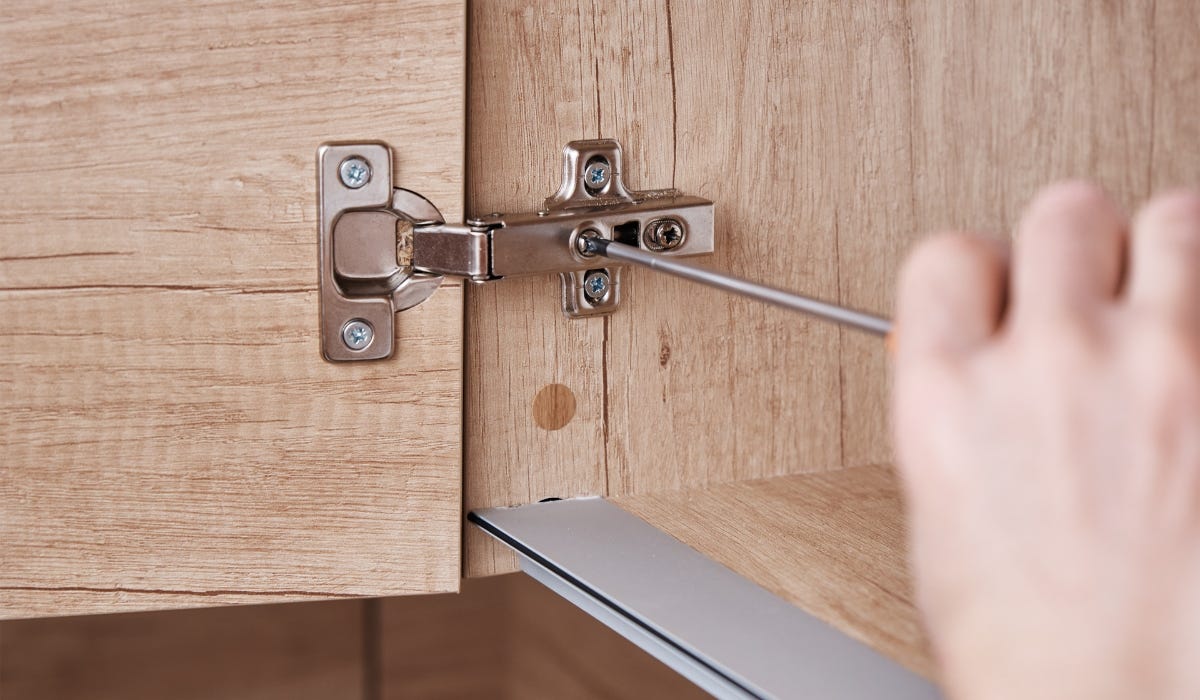
Start by using a screwdriver to tighten all screws. Turn screws clockwise until snug. Avoid overtightening, which can strip the screw holes. Check both the inside and outside screws. Tight screws hold handles firmly in place.
Using Thread Locker For Stability
Thread locker keeps screws from loosening over time. Apply a small drop on the screw threads before tightening. This glue-like liquid helps screws stay put. It works well in kitchens or bathrooms with moisture. Choose a removable thread locker for easy future repairs.
Replacing Screws With Longer Ones
Longer screws provide a stronger grip in worn holes. Remove old screws and measure their length. Find screws that are slightly longer but fit the handle holes. Insert new screws carefully to avoid splitting the wood. This fix strengthens the handle’s hold on the cabinet.
Repairing Stripped Screw Holes
Stripped screw holes cause cabinet hardware to become loose. This makes doors and drawers unstable. Repairing these holes restores strength and ensures tight hardware. Several easy methods fix stripped holes without replacing entire parts.
Filling With Toothpicks Or Matchsticks
Fill the stripped hole with wooden toothpicks or matchsticks. Break them to fit the hole length. Push them in tightly using wood glue. Let the glue dry for a few hours. Screw the hardware back in for a secure fit.
Applying Wood Filler Or Epoxy
Wood filler or epoxy works well for larger stripped holes. Apply the filler using a small tool or stick. Fill the hole completely and smooth the surface. Allow it to dry fully, as per instructions. Drill a new pilot hole before inserting the screw.
Drilling New Pilot Holes
Drill a new pilot hole beside the old one. Use a drill bit smaller than the screw size. This creates fresh wood to hold the screw firmly. Avoid drilling too close to edges to prevent splitting. Insert the screw and tighten to secure the hardware.
Upgrading Hardware For Durability
Upgrading cabinet hardware improves both function and life span. Loose handles and knobs can break or damage doors. Using stronger parts gives cabinets better hold and look. This saves time and money on future fixes.
Choosing the right hardware makes a big difference. Good materials resist wear and tear. Proper installation ensures a tight fit. Extra support parts help keep hardware steady. These steps create durable cabinets that last longer.
Choosing Quality Replacement Hardware
Select hardware made from solid metal like stainless steel or brass. These materials do not rust or bend easily. Avoid cheap plastic or thin metals. Check reviews to find durable brands. Match hardware size to your cabinet for the best fit.
Installing Inserts Or Anchors
Use inserts or anchors to strengthen screw holes. These parts fill worn areas and hold screws tight. Drill a hole that fits the insert snugly. Push the insert in, then screw the hardware securely. This method stops screws from loosening over time.
Using Backing Plates For Support
Backing plates spread pressure across a larger area. They stop screws from pulling out of soft wood. Place the plate behind the cabinet surface. Attach the hardware through the plate and cabinet. This adds extra strength to hold heavy or used parts well.

Credit: www.youtube.com
Preventing Future Loosening
Keeping cabinet hardware tight saves time and effort later. Loose screws cause wobbly handles and may damage cabinets. Preventing future loosening means regular care and gentle handling. Small steps can extend the life of your cabinets and hardware.
Regular Maintenance Tips
Check cabinet hardware every few months. Tighten loose screws early before problems grow. Clean hardware with a soft cloth to avoid dirt build-up. Dirt can hide loosening screws and cause wear. Regular checks catch issues fast and keep cabinets secure.
Avoiding Over-tightening
Use the right tools for screws. Tighten screws firmly but gently. Over-tightening can strip screw holes or crack wood. Stop tightening as soon as the hardware feels snug. Proper torque keeps hardware secure without damage.
Handling Cabinets With Care
Open and close doors slowly. Avoid pulling handles hard or at odd angles. Rough use loosens screws and damages hardware. Teach family members to treat cabinets gently. Careful use helps hardware last longer and stay tight.

Credit: www.youtube.com
Frequently Asked Questions
How Do I Fix Loose Cabinet Handles Quickly?
Tighten loose screws with a screwdriver first. If screws strip, use toothpicks and wood glue to fill holes, then reinsert screws for a secure fit.
What Tools Are Needed To Repair Loose Cabinet Hardware?
You’ll need a screwdriver, wood glue, toothpicks, and possibly a drill. These tools help tighten or reinforce loose screws effectively.
Can Loose Cabinet Knobs Damage The Cabinet?
Yes, loose knobs can cause wear and tear around screw holes. Fixing them promptly prevents further damage and maintains cabinet integrity.
How To Prevent Cabinet Hardware From Loosening Again?
Ensure screws are tight but not over-tightened. Use thread-locking adhesive or replace screws with longer ones for better grip and durability.
Conclusion
Fixing loose cabinet hardware keeps your kitchen safe and neat. Tight screws regularly prevent damage and save money. Small repairs stop bigger problems later. Use basic tools and follow simple steps. Keep checking your cabinets often to catch issues early.
A little care goes a long way. Now you can enjoy sturdy cabinets every day. Try these tips and see the difference yourself.