Are you ready to make your cabinets safer and more secure? Bolting a cabinet to the wall might sound tricky, but with the right hardware and simple steps, you can do it yourself quickly and confidently.
Imagine no more worries about tipping cabinets or unstable shelves—just a strong, steady storage space that lasts. In this guide, you’ll learn exactly how to bolt a cabinet to the wall using hardware that fits your needs. Keep reading, and by the end, you’ll have the skills to tackle this task like a pro.
Choosing The Right Hardware
Choosing the right hardware is key to securing a cabinet safely to a wall. It ensures the cabinet stays firm and holds weight without damage. The right bolts and anchors match the wall type and cabinet size. This section explains the types of bolts, wall anchors, and tools needed for a strong hold.
Types Of Bolts For Cabinets
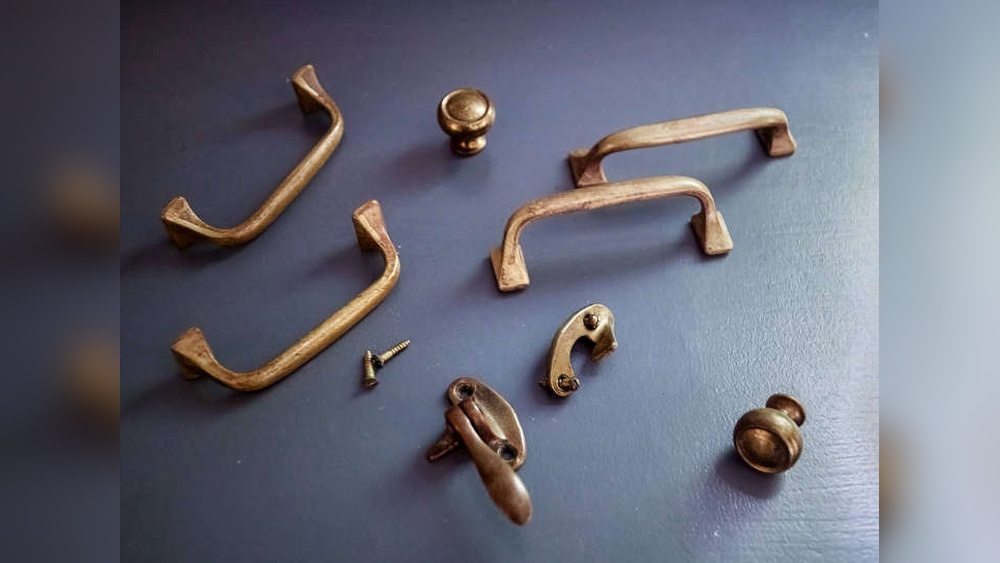
Bolt choice depends on the cabinet size and wall material. Lag bolts are strong and good for heavy cabinets on wood studs. Machine bolts work well with metal brackets or anchors. Sleeve bolts offer solid grip in drywall. Pick bolts made of steel for durability and rust resistance.
Selecting Wall Anchors
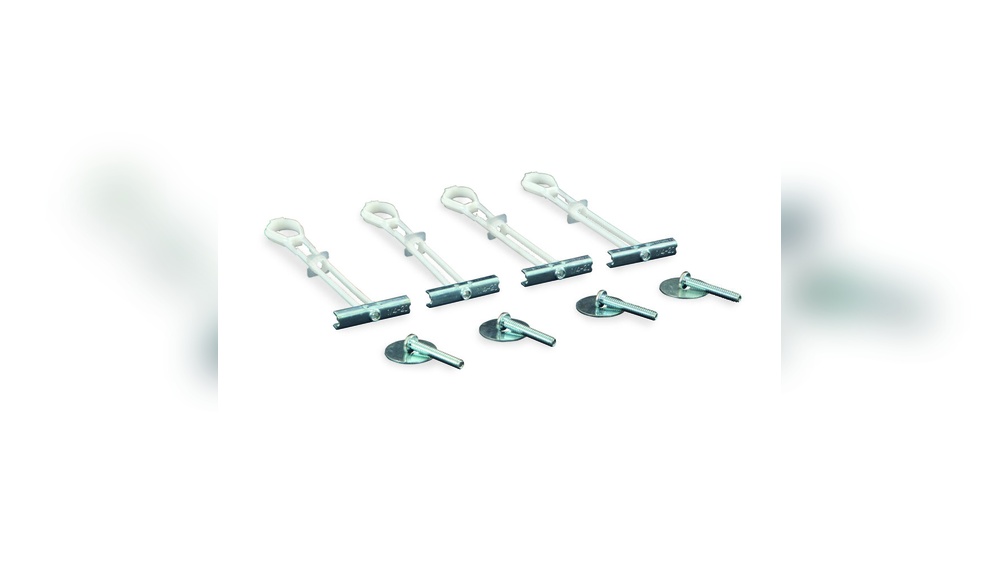
Wall anchors support bolts in hollow or weak walls. Plastic anchors fit light cabinets and drywalls. Metal anchors hold heavier loads and resist pulling out. Toggle bolts spread pressure behind the wall for extra strength. Match anchors to wall type and cabinet weight for safety.
Tools You’ll Need
Having the right tools makes installation easier and safer. A drill with bits for pilot holes is essential. A stud finder helps locate wood studs for strong mounting. A screwdriver or impact driver tightens bolts firmly. A level ensures the cabinet is straight on the wall.
Credit: www.kendallhoward.com
Preparing The Cabinet And Wall
Preparing the cabinet and wall is the first step to a secure installation. Proper preparation ensures the cabinet stays fixed and safe. It also makes the bolting process easier and faster.
Start by finding the best spots to attach your cabinet. Then, measure and mark these points carefully. Finally, pre-drill holes to avoid damage and ensure a strong hold.
Locating Wall Studs
Wall studs provide the strongest support for your cabinet. Use a stud finder to locate them behind the drywall. Mark each stud’s edge with a pencil. Avoid attaching the cabinet only to drywall. This prevents damage and keeps the cabinet stable.
Measuring And Marking
Measure the cabinet’s mounting holes and match them to the wall studs. Use a level to ensure your marks are straight. Mark the spots clearly where bolts will go. Accurate marks help keep the cabinet even and secure.
Pre-drilling Holes
Pre-drill holes at your marked spots on the wall. Choose a drill bit slightly smaller than your bolts. This helps the bolts grip tightly in the studs. Also, pre-drill matching holes on the cabinet if needed. This step prevents wood from splitting.
Securing The Cabinet To The Wall
Securing the cabinet to the wall is a crucial step for safety and stability. It prevents the cabinet from tipping over or falling. Properly bolted cabinets stay firmly in place, even with heavy contents inside. This section explains how to align, bolt, and tighten the cabinet safely.
Aligning The Cabinet
Start by placing the cabinet against the wall. Make sure it sits evenly on the floor. Use a level to check if the cabinet is straight. Adjust the cabinet until it is perfectly vertical. Mark the wall through the cabinet’s mounting holes. These marks guide where to drill and bolt.
Inserting Bolts And Anchors
Drill holes into the wall at your marked points. Use a drill bit that fits your anchors. Push the wall anchors into the holes. Anchors help hold the bolts tightly in drywall or plaster. Insert the bolts through the cabinet holes and into the anchors. Keep the bolts loose enough for final adjustments.
Tightening Bolts Safely
Check the cabinet’s position one last time. Tighten the bolts slowly and evenly. Use a wrench or screwdriver, depending on bolt type. Avoid over-tightening, which can damage the wall or cabinet. Stop once the cabinet feels secure and does not move. Double-check all bolts for firmness.

Credit: www.amazon.com
Safety Tips And Troubleshooting
Bolting a cabinet to the wall needs care and attention. Safety matters a lot to avoid accidents and damage. Troubleshooting helps fix problems fast. Follow these tips to keep your work safe and steady.
Avoiding Wall Damage
Use the right tools for your wall type. Drywall needs anchors for strong hold. Avoid drilling near electrical wires or pipes. Check for studs with a stud finder. Mark holes carefully before drilling. Drill slowly to prevent cracks or holes. Use washers to spread pressure evenly. Do not overtighten bolts to avoid damage.
Checking Stability
After bolting, test the cabinet’s strength. Push gently on different sides. Watch for any movement or wobble. If unstable, check if bolts are tight. Make sure anchors hold firmly in the wall. Use a level to confirm cabinet is straight. Stability keeps your cabinet safe and useful.
Fixing Common Issues
If the cabinet wobbles, tighten all bolts. Replace loose or damaged anchors. For cracks around holes, use wall repair kits. If bolts strip, use larger anchors or bolts. Uneven cabinet? Adjust bolt tightness or reposition. Small fixes save time and prevent bigger problems later.
Credit: www.woodsmithplans.com
Frequently Asked Questions
What Hardware Is Needed To Bolt A Cabinet To The Wall?
You need heavy-duty screws, wall anchors, a drill, a level, and mounting brackets. These ensure a secure and stable cabinet installation.
How Do I Find Studs For Bolting Cabinets?
Use a stud finder to locate wooden studs behind drywall. Mark the stud locations before drilling to ensure strong cabinet support.
Can I Bolt Cabinets To Drywall Without Studs?
Yes, but use strong wall anchors designed for drywall. However, securing to studs is safer and supports heavier cabinet loads.
What Size Bolts Should I Use For Cabinet Installation?
Use 3-inch or longer screws for securing cabinets to studs. This length ensures deep penetration and a firm hold in the wall.
Conclusion
Bolting a cabinet to the wall keeps it safe and steady. Use the right hardware for strong support. Always check the wall type before you start. Take your time to measure and mark carefully. Tighten bolts firmly but do not overdo it.
A well-secured cabinet lasts longer and holds more. This simple process makes your space safer and neater. Try it yourself and enjoy the results!