Are you struggling to keep your important papers organized and secure inside your folder? Adding a fastener can be the simple solution you need.
It stops your documents from slipping out and makes your folder look neat and professional. In this guide, you’ll learn exactly how to put a fastener on a folder, step by step. Whether you’re handling schoolwork, office files, or personal documents, this easy trick will save you time and hassle.
Keep reading, and you’ll have your folder fastened perfectly in no time!
Types Of Fasteners
Fasteners hold papers together inside folders. They keep documents neat and organized. Different types of fasteners suit different needs. Each type works in a unique way. Understanding these helps you pick the right one.
Metal Prong Fasteners
Metal prong fasteners are common in offices. They have two long prongs that fold over papers. Punch holes in papers before attaching. These fasteners hold many sheets tightly. They are strong and last a long time.
Plastic Clip Fasteners
Plastic clip fasteners snap on paper stacks. They do not need holes in the paper. These clips are easy to open and close. They work well for small paper groups. Plastic clips come in different colors and sizes.
Paper Fasteners
Paper fasteners use a small metal pin and a slot. Punch two holes in papers. Insert the pin through holes and bend it. These fasteners are simple and cheap. They keep papers together without damage.

Credit: www.youtube.com
Tools Needed
To put a fastener on a folder, you need a few simple tools. These tools help secure papers neatly inside the folder. Knowing what to gather before starting saves time and effort. Below are the main tools required for this task.
Hole Punch
A hole punch makes holes in the folder and papers. It creates clean, even holes for the fastener. Choose a hole punch with two or three holes. This ensures holes line up perfectly with the fastener.
Fastener Components
The fastener has two main parts: the prongs and the base. The prongs go through the holes in the folder and papers. The base holds the prongs in place. Make sure the fastener fits the folder size and paper thickness.
Optional Accessories
You may want extra items for easier use. A ruler helps measure hole placement accurately. A pencil marks where holes will go. A small hammer can gently tap the fastener for a tight fit.
Preparing The Folder
Preparing the folder is the first step to attach a fastener correctly. It ensures that the fastener fits well and holds the papers securely. Taking time to prepare the folder helps avoid mistakes and saves effort later.
Careful preparation makes the final result neat and professional. It also keeps the folder strong and easy to use. Follow the simple steps below to get your folder ready for the fastener.
Selecting The Right Spot
Choose a spot on the folder where the fastener will work best. Usually, this is near the top center of the folder’s inside flap. Make sure the spot is not too close to the edge. Leave enough space so the fastener can open and close easily.
Check that the spot lines up with the papers you want to hold. This helps keep everything straight and tidy. Avoid places that are weak or already damaged.
Marking Hole Positions
Mark the exact places for the holes where the fastener will go. Use a pencil to make small dots on the folder. Measure carefully to keep the holes even and aligned. This step is important for the fastener to fit well.
Double-check the marks before making holes. Accurate marks prevent tearing or misaligned fasteners. Use a ruler for straight lines and equal spacing between holes.

Credit: www.youtube.com
Punching Holes
Punching holes is the first step to add a fastener on a folder. It creates openings where you can insert the fastener easily. Proper holes make the folder neat and secure your papers well.
There are two common ways to punch holes: manually or with an electric hole punch. Each method has its benefits depending on the tools and the amount of paper you have.
Using A Manual Hole Punch
A manual hole punch is simple and easy to use. Place the folder inside the punch’s guide. Line up the edge with the punch marks. Press down firmly on the lever to create holes.
This tool is best for small batches of folders. It does not need electricity and is portable. You can control exactly where the holes go. Manual punches work well for light use.
Using An Electric Hole Punch
An electric hole punch saves time and effort. Insert the folder into the slot. The machine automatically punches holes at the set spots. It works fast and with less strain on your hands.
This option is perfect for large volumes of folders. It ensures uniform hole placement every time. Electric punches are more expensive but great for heavy use. They speed up the process and reduce mistakes.
Attaching The Fastener
Attaching the fastener to a folder is a simple task. It keeps your papers organized and secure. Follow these easy steps to attach the fastener properly. You will have your documents neat and tidy in no time.
Inserting The Prongs
Start by placing the fastener on the folder’s hole. Make sure the prongs line up with the holes in your papers. Gently push the prongs through all the papers and the folder. The prongs should come out on the other side clearly.
Securing The Fastener
Once the prongs are through, spread them apart to hold the papers. Press the prongs flat against the folder for a tight fit. This step stops the papers from moving or falling out. Check that everything is secure and steady.
Trimming Excess Prongs
Use scissors to cut off any long prongs sticking out. Trim close to the folder but be careful not to cut the papers. Short prongs make the folder look neat and are safe to handle. This final touch completes the fastener attachment perfectly.

Credit: www.amazon.sa
Tips For Durability
Making a fastener last on a folder needs care and good methods. Durability keeps your documents safe and tidy. Small steps help your fastener stay strong longer.
Choosing Quality Materials
Pick fasteners made of metal or strong plastic. Cheap materials break fast. Good quality fasteners resist bending and rust. Also, use folders made of thick paper or plastic. Thin folders tear easily near the fastener.
Avoiding Overloading
Do not put too many papers on one fastener. Overloading causes pressure and tears the folder. Separate papers into smaller groups for each fastener. This keeps the folder neat and the fastener firm.
Alternatives To Traditional Fasteners
Traditional fasteners like metal prongs and staples work well. Yet, some prefer alternatives for ease and style. These options can keep papers secure without damage. They also add flexibility to organizing folders.
Binder Clips
Binder clips hold papers tightly without holes or tears. They come in many sizes and colors. Easy to open and close. Great for thick stacks or thin sets of papers. Clips can be reused many times. Ideal for quick organizing and removal.
Velcro Strips
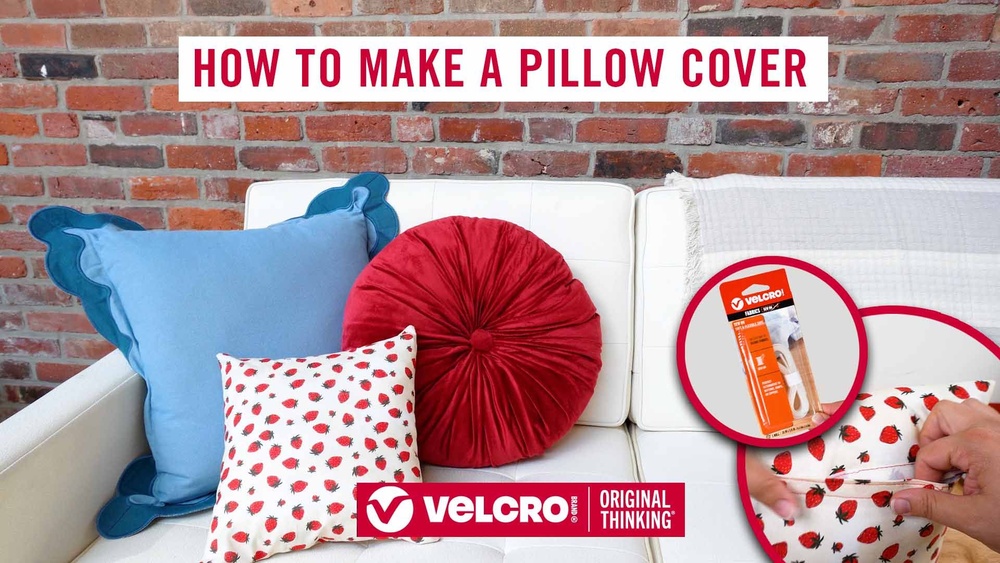
Velcro strips stick and unstick easily. They attach to folder covers or paper edges. Soft and safe, so no damage occurs. Velcro lets you open and close folders fast. Perfect for folders that need frequent updates. Strips can be cut to any length.
Elastic Bands
Elastic bands stretch around folders to keep papers tight. Simple and cheap option. Bands come in different thickness and colors. They fit folders of various sizes. Easy to add or remove papers inside. A flexible solution that works well for casual use.
Frequently Asked Questions
How Do I Choose The Right Fastener For A Folder?
Select a fastener based on folder type and paper thickness. Common options include prong, brad, and screw posts. Ensure compatibility to secure documents effectively and maintain folder durability.
What Tools Are Needed To Attach A Fastener To A Folder?
You typically need a hole punch, screwdriver, or prong fastener tool. These help create holes and secure the fastener firmly. Using the right tools ensures a neat, professional finish.
Can I Reuse Fasteners On Different Folders?
Yes, most prong and brad fasteners are reusable. Simply remove and reattach them carefully. This saves money and allows for easy document updates and organization.
How Do I Properly Align The Fastener On A Folder?
Measure and mark holes evenly along the folder’s spine or top edge. Use a hole punch to create precise holes. Proper alignment ensures secure fastening and a tidy appearance.
Conclusion
Putting a fastener on a folder is simple and useful. You only need a few tools and a bit of care. This small task helps keep papers neat and safe. Practice a couple of times to get comfortable. Soon, you will do it quickly without mistakes.
Organizing documents becomes easier with this skill. Try it today and keep your work tidy.